
Perricone MD Vitamin C Ester Photo-Brightening Moisturizer for oily acne-prone skin

 Ascorbic acid ester, tetrahexyldecyl ascorbate
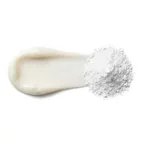 Titanium Dioxide
 Glycerin
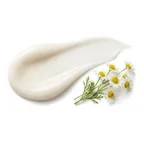 Bisabolol
Average
- AverageOily Skin Fit
- AverageEffectiveness
- Low RiskSafety
Works for oily acne-prone skin; other sunscreens fit it better.
This fit is calculated for the concerns frequently associated with oily acne-prone skin: shine, breakouts, blemishes, and enlarged pores. For scores and recommendations based on your full skin profile, including your 12D face scan results and any goals or preferences you have, please use the Lovi app.
Updated How the Fit score works
Lovi Assistant explains
- Offers moderate suitability for your oily skin as Glycerin provides hydration and Titanium Dioxide offers UV protection, though it lacks specialized ingredients like salicylic acid to directly address your acne and breakouts.
- While Thioctic Acid is present to help manage oiliness, its concentration may not be sufficient to fully address your concerns with oiliness or shiny skin.
- The product is generally safe for your skin, with a low risk of irritation from Tetrahexyldecyl Ascorbate.
Buy online


Prices checked 20 Nov 2026
The Lovi Fit is the same in every country; only the stores and prices differ, and the ones here are for Europe.
How to apply
- Use your moisturizing sunscreen every morning. Reapply throughout the day if you are outside.
- Apply this moisturizing sunscreen as the final step of your morning routine after your moisturizer.
- Gently smooth a nickel-sized amount over your face and neck, avoiding harsh rubbing to keep oily areas calm.
- Apply this moisturizing sunscreen on clean, dry skin to ensure even coverage and protection.
- Avoid getting the product into your eyes and do a patch test before your first use.
People Say
★4.4Overall rating based on 900+ reviewsUsers consistently praise this moisturizer for its lightweight, whipped texture that absorbs quickly without leaving a greasy residue, making it ideal for daily use under makeup. Many reviewers with mature or dull skin report a noticeable "glow" and improvement in skin texture, with some noting a reduction in dark spots and fine lines over time, though a minority experienced pilling or sensitivity.
Highlights
Lightweight & Non-Greasy Mostly Mentioned
- “whipped airy consistency”
- “absorbs immediately”
- “no oily residue”
- “feels weightless”
- “perfect for summer”
Brightening & Radiance Often Mentioned
- “gives nice glow”
- “skin looks brighter”
- “iridescent shine”
- “faded dark spots”
- “healthy radiance”
Effective SPF Protection Sometimes Noted
- “great mineral SPF”
- “no white cast”
- “protection without heaviness”
- “icing on cake”
- “good daily defense”
Pleasant Application Sometimes Noted
- “mild citrus scent”
- “goes on smooth”
- “refreshing feel”
- “little goes far”
- “silky finish”
Skin Texture Improvement Sometimes Noted
- “skin feels softer”
- “smoother complexion”
- “tightens skin”
- “minimized pores”
- “improved elasticity”
Pilling issues Sometimes Noted
- “rolls off skin”
- “pills under makeup”
- “clumps if rubbed”
- “flakes off”
- “doesn't layer well”
Insufficient hydration Rarely Noted
- “not moisturizing enough”
- “need extra serum”
- “drying for dry skin”
- “skin felt tight”
- “accentuated dry patches”
Packaging concerns Rarely Noted
- “heavy glass jar”
- “lid breaks easily”
- “unhygienic jar”
- “hard to close”
- “prefer pump bottle”
Skin irritation Rarely Noted
- “caused stinging”
- “burning sensation”
- “redness after use”
- “broke me out”
- “irritated eyes”
Unpleasant scent Rarely Noted
- “smells like seashells”
- “fishy odor”
- “weird chemical smell”
- “scent lingers”
- “changed formula smell”
Sources: lovi.care, walmart.com, perriconemd.com, dermstore.com, lovelyskin.com, lookfantastic.com, and more
Questions and answers
How well does Vitamin C Ester Photo-Brightening Moisturizer work for oily acne-prone skin?
This moisturizer offers moderate suitability for oily acne-prone skin, as glycerin provides hydration and titanium dioxide offers sun protection, though it lacks specialized ingredients like salicylic acid to directly address breakouts. It is unlikely to cause irritation, but a product for this skin type needs lightweight hydration, non-clogging formulas, and targeted ingredients that manage oil and help clear blemishes.
Which ingredients make this moisturizer a good fit for oily acne-prone skin?
Glycerin hydrates your skin and titanium dioxide provides UV protection, while bisabolol and tetrahexyldecyl ascorbate have a low risk of irritation. Because this is an average fit, an oily acne-prone skin needs a product with ingredients that clear breakouts like salicylic acid, manage excess oil, and maintain a lightweight, non-greasy feel without clogging pores.
What does Ascorbic Acid do for oily acne-prone skin?
Ascorbyl tetraisopalmitate helps improve skin hydration while reducing dark spots and supporting cell renewal for oily and acne-prone skin. It also aids in preventing sebum oxidation and provides antimicrobial action, which assists in managing acne breakouts.
What does Titanium Dioxide do for oily acne-prone skin?
Titanium dioxide acts as a mineral sunscreen filter that protects oily, acne-prone skin from UV rays without clogging pores or triggering breakouts. Because this type of skin tends to have barrier vulnerabilities or altered lipid levels, sunscreens containing physical minerals like titanium dioxide or zinc oxide provide a safe, non-irritating alternative that helps shield the skin without heavy oils.
Where does this moisturizer go in a skincare routine for oily acne-prone skin?
This moisturizer goes in the morning routine after a hydrating toner and before sunscreen. It works for your oily skin because glycerin provides hydration and titanium dioxide offers UV protection, though a product of this type needs specialized ingredients like salicylic acid to directly address your acne.
Can I use this moisturizer with retinol, and in what order?
You can use this moisturizer in the morning to keep your skin hydrated and protected from the sun while using retinol in your evening routine. Using a gentle moisturizer alongside strong evening treatments like retinol helps keep your skin comfortable and supports your skin barrier.
How often should I use this moisturizer?
You can use this moisturizer every morning as part of your daily routine. It helps keep your skin hydrated and protected from the sun while remaining generally safe for your skin type.
Journal of Cosmetic Dermatology, 2020Health Science Reports, 2021
Can this moisturizer clog pores, cause breakouts or purging for oily acne-prone skin?
This moisturizer provides moderate suitability for oily skin with hydration from glycerin and UV protection from titanium dioxide, but it lacks specialized ingredients like salicylic acid to directly address acne and breakouts. An oily acne-prone skin type needs oil-controlling ingredients and blemish-targeting components like salicylic acid to properly manage breakouts.
Is this moisturizer fragrance-free and alcohol-free?
It has no drying alcohol and contains fragrance (benzyl alcohol).
What the research says
A single application of a moisturizing fluid containing hyaluronic acid 1%, glycerin 5%, and Centella asiatica stem cells extract significantly increased skin hydration by 29% and reduced transepidermal water loss at 24 hours compared to baseline and an untreated control site in twenty healthy women.
Clinical, Cosmetic and Investigational Dermatology, 2017A 3-in-1 anti-aging topical night serum-in-oil applied once daily decreased wrinkles by 11%, increased skin firmness by 8%, reduced redness by 70%, and improved overall skin quality and complexion in 103 female subjects over 28 to 84 days compared to baseline.
Journal of Cosmetic Dermatology, 2019Topical formulations containing ascorbyl tetraisopalmitate, coenzyme Q10, green tea polyphenols, and resveratrol reduced the release of inflammatory cytokines and attenuated inflammatory signs compared to untreated skin and vehicle in 25 Japanese volunteers exposed to sodium dodecyl sulfate.
European Journal of Pharmaceutics and Biopharmaceutics, 2017Topical application of 5% vitamin C cream significantly improved global clinical scores, increased skin microrelief density, and induced elastic tissue repair in photoaged skin compared to excipient control in healthy female volunteers.
Experimental Dermatology, 2003Topical application of VC-IP cream twice daily for 8 weeks reduces periorbital wrinkles in female subjects compared to a placebo cream.
Journal of Cosmetic Dermatology, 2022Topical treatment with 5% vitamin C and 0.1% madecassoside significantly improved clinical scores for wrinkles, suppleness, firmness, roughness, and skin hydration, along with functional and structural remodeling of the elastic fiber network in 20 female volunteers with photoaged skin after 6 months compared to baseline.
Experimental Dermatology, 2008Microfine titanium dioxide does not penetrate human skin when formulated in an oil-in-water emulsion with the pigment dispersed in the aqueous phase, compared to oily dispersions and liposomal encapsulation which allow deeper skin penetration.
International Journal of Cosmetic Science, 2000Replacing microsized titanium dioxide and zinc oxide with nanoparticles in sunscreens eliminates opaqueness and alters UV protection balance while inducing (photo)cyto- and genotoxicity and penetrating viable skin layers during long-term exposures.
Nanotechnology, Science and Applications, 2011Hyaluronic acid-grafted titanium dioxide nanoparticles increased SPF from 13.3 to 19.1 while demonstrating low photocatalytic activity, exceptional thermal stability with >95% SPF retention, enhanced moisturization with >80% hydration retention, and minimal cytotoxicity with 88.5% cell viability in HaCaT keratinocytes compared to unmodified nanoparticles.
International Journal of Biological Macromolecules, 2025The emollient V0034CR significantly reduced TEWL compared to vehicle and vehicle plus glycerol, and significantly increased corneometry scores compared to vehicle and vehicle plus petrolatum in healthy volunteers with dry skin, demonstrating combined barrier function improvement from petrolatum and hydration improvement from glycerol.
Journal of Cosmetic Dermatology, 2020Ten days of treatment with a cream containing 20% glycerin significantly increased skin hydration measured by corneometer values in 17 healthy volunteers compared to a placebo cream, but showed no influence on transepidermal water loss or skin sensitivity to an irritating surfactant.
International Journal of Cosmetic Science, 2001Niacinamide/glycerin body moisturizers provided better rapid and prolonged improvement of cosmetic xerosis through functional improvement of stratum corneum barrier function compared to no treatment and conventional moisturizers in female subjects.
Journal of Drugs in Dermatology, 2012Application of an alpha-bisabolol-containing cream produced a significant skin-lightening effect in pigmented skin compared to a vehicle control in the majority of female subjects after 8 weeks.
International Journal of Cosmetic Science, 2010The combination of allantoin, bisabolol, D-panthenol and dipotassium glycyrrhizinate reduces UVB-induced PGE2, inflammatory cytokines, and mitochondrial superoxide in human epidermal keratinocytes.
International Journal of Cosmetic Science, 2024
Why other sunscreens fit oily acne-prone skin better
Sodium ascorbyl phosphate provides effective antimicrobial action, prevents sebum oxidation, and demonstrates superior clinical efficacy compared to a standard acne treatment in patients with acne vulgaris.
International Journal of Cosmetic Science, 2005Topical combination of 5% sodium ascorbyl phosphate and 0.2% retinol reduced inflammatory acne lesions by 29.28% at 4 weeks and 63.10% at 8 weeks, outperforming either agent alone.
International Journal of Cosmetic Science, 2009
Ingredients
Titanium Dioxide, Water, Glycerin, Cyclopentasiloxane, Dimethicone, Pentylene Glycol, Ethylhexyl Methoxycrylene, Polyester-8, Polyglyceryl-3 Polydimethylsiloxyethyl Dimethicone, Hydroxyethyl Acrylate Sodium Acryloyldimethyl Taurate Copolymer, Benzyl Alcohol, Aluminum Hydroxide, Stearic Acid, Diethylhexyl Syringylidenemalonate, Hydrogenated Lecithin, Isohexadecane, Bisabolol, Tetrahexyldecyl Ascorbate, Phenoxyethanol, Polysilicone-11, Polysorbate 60, Caprylic Capric Triglyceride, Sodium Benzoate, Potassium Sorbate, Xanthan Gum, Hydrogenated Phosphatidylcholine, Thioctic Acid, Astaxanthin
Behind this fit score
Lovi calculates every fit score from the full ingredient list with brand-independent rules our dermatologists and cosmetic chemists build and review, and personalizes every pick with AI trained on the real results of millions of users. Lovi trains its fit score models on a proprietary dataset built from more than 10,000 expert-labeled products and more than 100,000 simulated examples, following an internally consistent methodology presented at Cosmoprof, AMWC, and Skin of Color Update.
-

Co-founder, Medical Director
Cosmetic chemist, cosmetologist, aesthetic products developer
-

Co-founder, CEO and CTO
PhD in computer science, 3x US patent holder, ex-Google, ex-Yandex
-

Dr. Sofía Perea Pérez, MD, MSc
Medical Board
Aesthetic medicine practitioner, MSc in Longevity and Anti-Aging Medicine
-

Medical Board
Specialist dermatologist, MBBS, MD, IFAAD
-

Medical Board
Cosmetic chemist, SCS, IFSCC member
-

Medical Board, Medical Advisor
Dermatology MD
-

Elina Nazarenko, MD
Medical Board
Dermatology and diagnostic consultant
-

Victoria Derkova, MS
Medical Board
Cosmetic chemist, cosmetic development technologist


How does it fit your skin?
Scan your face, then any product: Lovi shows how well it fits you and what fits even better.