
Perricone MD Chlorophyll Detox Mask for acne-prone skin

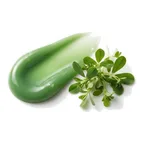 Chlorophyll
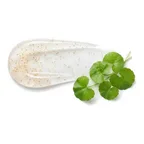 Microcapsules
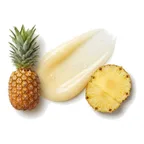 Bromelain
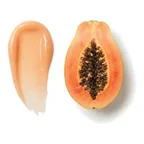 Papain
 Zinc Gluconate
Average
- HighCombination Skin Fit
- AverageEffectiveness
- HighSafety
Works for acne-prone skin; other cleansing masks fit it better.
This fit is calculated for the concerns frequently associated with acne-prone skin: breakouts, blackheads, and post-acne marks. For scores and recommendations based on your full skin profile, including your 12D face scan results and any goals or preferences you have, please use the Lovi app.
Updated How the Fit score works
Lovi Assistant explains
- Offers moderate suitability for your combination skin, as bentonite and kaolin clay help regulate oil production, while ingredients like bromelain and papain provide gentle exfoliation for your acne and blemishes. However, the formula lacks sufficient humectants like glycerin to fully address drier areas, potentially leaving them feeling tight.
- The presence of allantoin and beta-glucan offers soothing benefits, which is supportive for your acne-prone skin.
- The product is safe for your skin, with no risks of irritation due to the absence of harsh ingredients and the inclusion of beneficial components.
How to apply
- Use this cleansing mask during your PM weekly routine. Start 1x/week and increase if your skin tolerates it well.
- Apply this cleansing mask after using your pre-cleanser and cleanser , and before your hydrating toner.
- Spread an even layer of the cleansing mask over your face , avoiding any rubbing to protect your skin.
- Apply the cleansing mask to clean and dry skin to help clear up your blemishes effectively.
- Avoid the eye area and do a patch test before your first use.
People Say
★4.6Overall rating based on 600+ reviewsUsers with oily and combination skin frequently praise this mask for its ability to visibly minimize pores and smooth skin texture without causing excessive dryness. Many report immediate radiance and a clean feeling, though some users find the price point high and the application process slightly difficult or abrasive.
Highlights
Minimizes pores Mostly Mentioned
- “Visibly reduces pore size, tightens pores, clears congestion”
Smoothes skin Often Mentioned
- “Leaves skin soft, improves roughness, polished feel”
High price Often Mentioned
- “Expensive, pricey for size, not budget-friendly”
Immediate radiance Sometimes Noted
- “Instant glow, brighter complexion, looks refreshed”
Non-drying formula Sometimes Noted
- “Comfortable clay mask, doesn't strip moisture, skin feels balanced”
Oil control Sometimes Noted
- “Balances oily zones, reduces shine, feels deep cleaned”
Application difficulty Sometimes Noted
- “Beads hard to burst, scrubbing required, abrasive texture”
Availability issues Rarely Noted
- “Often out of stock, hard to find, sold out”
Ineffective for some Rarely Noted
- “No visible difference, didn't clear blackheads, average results”
Sensory irritation Rarely Noted
- “Caused dryness, tight/itchy feel, strong scent”
Sources: lovi.care, perriconemd.com, walmart.com, influenster.com, lovelyskin.com, amazon.com, and more
Questions and answers
How well does Perricone MD Chlorophyll Detox Mask work for acne-prone skin?
This mask works reasonably well for acne-prone skin, as bentonite clay helps control oil while enzymes like papain and bromelain gently smooth out blemishes. However, it lacks enough moisture for drier areas, so a product of this type needs hydrating ingredients like glycerin and targeted blemish fighters like salicylic acid to fully balance this skin.
Giornale Italiano Di Dermatologia E Venereologia, 2015Journal of Cosmetic Dermatology, 2025
Which ingredients make this mask a good fit for acne-prone skin?
This mask is an average fit for acne-prone skin because ingredients like bentonite clay help control oil, while bromelain and papain gently exfoliate blemishes. To work best for this skin type, a product of this kind needs powerful blemish fighters like salicylic acid and zinc oxide alongside soothing and hydrating ingredients to keep dry areas balanced without causing tightness.
Giornale Italiano Di Dermatologia E Venereologia, 2015Journal of Cosmetic Dermatology, 2025
What do Microcapsules do for acne-prone skin?
Microcapsules release active ingredients in a controlled way onto the skin and help lower skin irritation compared to conventional formulas. This technology supports steady delivery while keeping oily and blemish-prone skin calm.
Where does this mask go in a skincare routine for acne-prone skin?
This cleansing mask fits into a weekly routine for acne-prone skin, typically used once a week as part of an evening regimen after a makeup remover, cleanser, and enzyme powder. To work best for this skin, a product of this type needs clay or similar ingredients to help balance oil production, along with soothing elements to calm blemishes.
Can I use this mask with retinol, and in what order?
You can use this mask in your weekly routine, but apply it on a different night than your retinol to keep your skin calm. This product works for your skin, though an acne-prone skin type needs a formula with extra hydrating ingredients like glycerin to prevent dryness and tightness.
How often should I use this mask?
This cleansing mask works for your acne-prone skin once a week as part of a weekly routine, though other products fit it better. To properly care for this skin type, a product of this type needs enough moisturizing ingredients to prevent tightness in drier areas while regulating oil and gently clearing blemishes.
Can this mask clog pores, cause breakouts or purging for acne-prone skin?
This mask is unlikely to clog pores or cause breakouts for your acne-prone skin, as it contains clay and zinc gluconate to help control oil and soothe blemishes. However, to work best for this skin type, a product of this type needs extra hydrating ingredients to keep drier areas comfortable.
Clinical, Cosmetic and Investigational Dermatology, 2023Journal of Cosmetic Dermatology, 2025
Is this mask fragrance-free and alcohol-free?
Yes, it has no fragrance and no drying alcohol.
What the research says
A fixed combination of hydroxypinacolone retinoate, retinol glycospheres, and papain glycospheres in aqueous gel applied once daily for 12 weeks achieved a 41% mean reduction in GAGS score and a 40.8% mean reduction in total lesions, with 15.3% of patients experiencing mild to moderate local side effects, in 94 evaluable patients with comedonal-papular, mild to moderate acne of the face.
Giornale Italiano Di Dermatologia E Venereologia, 2015A bentonite-based facial mask with Alcea sulphurea extract combined with oral azithromycin significantly reduced total lesion count and acne severity index while enhancing patient satisfaction in patients with moderate acne compared to placebo plus azithromycin over 8 weeks.
Journal of Cosmetic Dermatology, 2025Colloidal oatmeal acts as a cleanser, moisturizer, buffer, and soothing anti-inflammatory agent due to its starches, beta-glucan, phenols, and saponins, relieving itch and irritation in xerotic dermatoses.
Journal of Drugs in Dermatology, 2007Daily use of a deep cleansing gel containing salicylic acid 2%, zinc gluconate 0.2% and lipohydroxy acid 0.05% significantly reduced total lesion count by 56.3% after 84 days in 35 subjects with mild to moderate truncal acne.
Clinical, Cosmetic and Investigational Dermatology, 2023A dermocosmetic cream containing Punica granatum Pericarp extract, Salicylic acid, Niacinamide, Zinc gluconate, and Aqua Posae Filiformis significantly decreased inflammatory, non-inflammatory, and total lesion counts in subjects with mild to moderate acne compared to untreated hemi-faces after 15 days.
Journal of Cosmetic Dermatology, 2026Topical application of sodium copper chlorophyllin complex significantly improved mild-moderate photodamage and solar lentigenes compared to baseline in women over an 8-week period.
Journal of Drugs in Dermatology, 2015Sodium copper chlorophyllin complex 0.05% gel significantly increased fibrillin/amyloid P and epidermal mucins and increased procollagen 1 and dermal mucin in photoaged forearm skin of four healthy females compared to an untreated negative control.
Clinical, Cosmetic and Investigational Dermatology, 2016Topical application of sodium copper chlorophyllin complex improved clinical efficacy parameters in 10 subjects with mild-moderate acne and large, visible pores over 3 weeks compared to baseline.
Journal of Drugs in Dermatology, 2015Exposure to a Kiperin Bromelain & Papain complex at 2.5 µg/mL increased cell viability, altered wound closure, decreased inflammation-related gene expression, and increased skin barrier/keratinization gene expression in CCD-18Co colon fibroblasts, HME-1 mammary epithelial cells, and HaCaT keratinocytes.
Scientific Reports, 2026Topical papain treatment may slightly decrease pain within 30 minutes in humans stung by Chrysaora chinensis compared to placebo.
Wilderness & Environmental Medicine, 2016Incorporating 1, 2, and 5 percent papain into starch- and carboxymethyl cellulose-based films preserved proteolytic and skin exfoliation activity while improving mechanical properties and water solubility compared to control films, with immobilized enzyme maintaining stability for up to 90 days.
International Journal of Biological Macromolecules, 2023Topical 0.5% hyaluronic-ZnO nanogel applied twice daily reduced inflammatory-lesion counts by 58% at week four in human subjects compared to baseline without causing erythema.
Biomedicines, 2025Topical zinc oxide nanogels formulated using Dendrobium anosmum showed greater effectiveness against Gram-positive acne-causing bacteria compared to chemogenic nanoparticles.
Molecules, 2023
Ingredients
Water, Glycerin, Bentonite, Peg-40 Hydrogenated Castor Oil, Titanium Dioxide Ci 77891, Coco-Caprylate, Magnesium Aluminum Silicate, Diglycerin, Mannitol, Butylene Glycol, Methyl Gluceth-20, Microcrystalline Cellulose, Dimethylaminoethanol Tartrate, Ethylhexylglycerin, Xanthan Gum, Bromelain, Papain, Allantoin, Magnesium Aspartate, Zinc Gluconate, Beta-Glucan, Chlorophyllin-Copper Complex, Copper Gluconate, Nasturtium Officinale Leaf Extract Flower, Camellia Sinensis Leaf Extract, Spirulina Platensis Extract, Citric Acid, Sodium Benzotriazolyl Butylphenol Sulfonate, Disodium Edta, Maltodextrin, Polyacrylamide, Caprylyl Glycol, Buteth-3, C13-14 Isoparaffin, Hexylene Glycol, Acrylates Copolymer, Laureth-7, Propylene Glycol, Hydroxypropyl Methylcellulose, Tributyl Citrate, Phenoxyethanol, Potassium Sorbate, Sodium Benzoate, Eucalyptus Globulus Oil Leaf, Iron Oxides Ci 77492, Chromium Hydroxide Green Ci 77289, Barium Sulfate, Iron Oxides Ci 77499, Silica
Behind this fit score
Lovi calculates every fit score from the full ingredient list with brand-independent rules our dermatologists and cosmetic chemists build and review, and personalizes every pick with AI trained on the real results of millions of users. Lovi trains its fit score models on a proprietary dataset built from more than 10,000 expert-labeled products and more than 100,000 simulated examples, following an internally consistent methodology presented at Cosmoprof, AMWC, and Skin of Color Update.
-

Co-founder, Medical Director
Cosmetic chemist, cosmetologist, aesthetic products developer
-

Co-founder, CEO and CTO
PhD in computer science, 3x US patent holder, ex-Google, ex-Yandex
-

Dr. Sofía Perea Pérez, MD, MSc
Medical Board
Aesthetic medicine practitioner, MSc in Longevity and Anti-Aging Medicine
-

Medical Board
Specialist dermatologist, MBBS, MD, IFAAD
-

Medical Board
Cosmetic chemist, SCS, IFSCC member
-

Medical Board, Medical Advisor
Dermatology MD
-

Elina Nazarenko, MD
Medical Board
Dermatology and diagnostic consultant
-

Victoria Derkova, MS
Medical Board
Cosmetic chemist, cosmetic development technologist


How does it fit your skin?
Scan your face, then any product: Lovi shows how well it fits you and what fits even better.