
Paula's Choice Discoloration Repair Serum for oily acne-prone skin

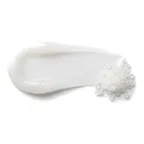 Tranexamic Acid
 Niacinamide
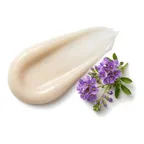 Bakuchiol
 Glycerin
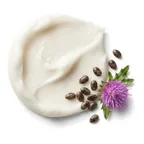 Silybum Marianum Seed Oil
Average
- HighOily Skin Fit
- AverageEffectiveness
- Low RiskSafety
Works for oily acne-prone skin; other serums fit it better.
This fit is calculated for the concerns frequently associated with oily acne-prone skin: shine, breakouts, blemishes, and enlarged pores. For scores and recommendations based on your full skin profile, including your 12D face scan results and any goals or preferences you have, please use the Lovi app.
Updated How the Fit score works
Lovi Assistant explains
- Offers moderate benefits for your oily skin, as niacinamide and tranexamic acid work to regulate oil production and even skin tone, but it lacks specialized ingredients to effectively target your acne, blemishes, and breakouts.
- Glycerin and Tocopherol provide general hydration and antioxidant support, which are beneficial for overall skin health.
- The product is generally safe for your oily skin, though the presence of AHAs and Bakuchiol carries a slight risk of irritation.
How to apply
- Could be used as part of your PM routine. Start 3 times a week and build up to daily use if your skin tolerates it well.
- Apply your serum after cleansing and toning, but before putting on your moisturizer.
- Gently press 2 to 3 drops of the serum into your skin and let it absorb for a minute.
- Apply the serum on clean, dry skin to help manage your blemishes safely.
- Do a patch test before your first use and avoid the delicate eye area.
People Say
★4.1Overall rating based on 1.5k+ reviewsBased on a very large amount of data, this serum is highly effective for treating hyperpigmentation and dark spots, with many users reporting visibly evened skin tone and fading of discoloration. It is also frequently praised for its hydrating and gentle properties. Some users find the product to be expensive and note that results can be slow to appear, while a smaller number mention a thick texture that can be difficult to layer.
Highlights
Evens skin tone Often Mentioned
- “Dramatically improve the appearance of skin's natural tone.”
- “My original, pink-porcelain skin was shining through.”
- “It has definitely changed the texture and made my skin even.”
- “Promotes an even skin tone and fades the look of stubborn, diffuse discolorations.”
Fades dark spots Often Mentioned
- “I really have seen a big difference in my melasma.”
- “I can already tell it's helping with my discoloration!”
- “The discoloration along the perimeter of my face... had faded enough.”
- “After about 5 to 6 weeks of using this serum I can tell you I've seen improvement.”
Hydrating and gentle Sometimes Noted
- “The formula is pleasant, my skin feels hydrated.”
- “It's gentle and hydrating. This makes it a good option for those with sensitive skin.”
- “I like the texture as it gets absorbed very fast.”
- “Super lightweight and silky, making it easy to layer.”
Expensive product Sometimes Noted
- “Nice but not worth the price.”
- “In my opinion, it is a waste of money. You can get more effective discoloration serums for that price.”
- “She's pricey because she contains a concentrated pigmenting-fighting trio.”
Slow to show results Sometimes Noted
- “It is not exactly game-changing when it comes to fading dark spots.”
- “Vitamin C tends to work faster and delivers more noticeable brightening results.”
- “No results. 2 stars out of a maximum of 5.”
- “Disappointed. 1 stars out of a maximum of 5.”
Thick texture Rarely Noted
- “It's very thick and difficult to layer with other products.”
- “Heavy 100%”
- “I also noticed more irritation and redness after using this.”
- “I haven't consistently reached for this serum as often as I should have.”
Sources: lovi.care, amazon.com, paulaschoice.com, cultbeauty.com, dermstore.com, influenster.com, and more
Questions and answers
How well does Paula's Choice Discoloration Repair Serum work for oily acne-prone skin?
Paula's Choice Discoloration Repair Serum works moderately well for your oily acne-prone skin, as niacinamide and tranexamic acid help regulate oil and even tone, but it lacks specialized ingredients to effectively target breakouts. A treatment for this skin needs effective ingredients like niacinamide, propolis, or vitamin C to tackle acne and blemishes, combined with soothing extracts and lightweight hydrators that control excess oil without causing breakouts or irritation.
Which ingredients make this serum a good fit for oily acne-prone skin?
Niacinamide, tranexamic acid, and glycerin make this serum a fit by helping to regulate oil production, even skin tone, and provide general hydration for oily skin. However, because it lacks specialized ingredients to target breakouts, a treatment for this skin needs ingredients like niacinamide, propolis, or vitamin C to effectively address acne and blemishes without causing irritation.
What does Tranexamic Acid do for oily acne-prone skin?
Tranexamic acid helps oily, acne-prone skin by reducing pimples and calming redness when used twice daily. This type of skin needs soothing ingredients and lightweight hydrators that help clear breakouts without feeling heavy or greasy.
What does Niacinamide do for oily acne-prone skin?
Niacinamide helps control oily and acne-prone skin by reining in excess sebum production and visibly reducing breakouts and redness. It is well tolerated and may calm the skin while improving overall clarity.
Journal of Cosmetic and Laser Therapy, 2006International Journal of Dermatology, 2013
Where does this serum go in a skincare routine for oily acne-prone skin?
Apply this treatment in the evening after cleansing and toning, followed by your moisturizer. This product works for your oily skin by regulating oil and evening skin tone, but an oily acne-prone routine ultimately needs specialized ingredients to effectively target breakouts and blemishes.
Can I use this serum with retinol, and in what order?
You can use this serum with retinol by applying your retinol first and following with this treatment, or by alternating nights to keep your skin calm. Because this product contains bakuchiol and mild acids, using them together may raise your likelihood of dryness or irritation.
How often should I use this serum?
Use this treatment in the evening once a week to start, and carefully use it more often if your skin tolerates it well and sees good results. This product of this type needs specialized ingredients to effectively target acne, blemishes, and breakouts for oily acne-prone skin.
Can this serum clog pores, cause breakouts or purging for oily acne-prone skin?
Paula's Choice Discoloration Repair Serum is generally safe for your oily skin, though it lacks specialized ingredients to effectively target your acne, blemishes, and breakouts. A product of this type needs acne-fighting ingredients like salicylic acid or benzoyl peroxide to properly care for breakout-prone skin.
Is this serum fragrance-free and alcohol-free?
Yes, it has no fragrance and no drying alcohol. Behenyl alcohol is a fatty alcohol, which soften the skin.
What the research says
Niacinamide significantly decreased hyperpigmentation and increased skin lightness compared with vehicle alone after 4 weeks of use in women by inhibiting melanosome transfer.
The British Journal of Dermatology, 2002A topical serum containing vitamin C, vitamin E, and raspberry leaf cell culture extract improved skin color, elasticity, radiance, smoothness, scaliness, and wrinkles compared to the untreated contralateral side in fifty female volunteers.
Journal of Cosmetic Dermatology, 2020A single application of a moisturizing fluid containing hyaluronic acid 1%, glycerin 5%, and Centella asiatica stem cells extract significantly increased skin hydration by 29% and reduced transepidermal water loss at 24 hours compared to baseline and an untreated control site in twenty healthy women.
Clinical, Cosmetic and Investigational Dermatology, 2017Topical bakuchiol 0.5% applied twice daily compared with retinol 0.5% applied daily significantly decreased wrinkle surface area and hyperpigmentation with no statistical difference between the compounds in 44 patients over 12 weeks, while retinol users reported more facial skin scaling and stinging.
The British Journal of Dermatology, 2019Topical administration of 20% azelaic acid cream and 5% tranexamic acid solution comparably improved acne-related postinflammatory hyperpigmentation in patients with acne vulgaris, while tranexamic acid demonstrated a significantly better safety profile at week 4.
Journal of Research in Medical Sciences, 2023Topical 10% tranexamic acid serum reduced inflammatory acne counts, particularly papules and pustules, and decreased skin redness compared to placebo in 18 patients with mild-to-moderate acne over 8 weeks.
Journal of Cosmetic Dermatology, 2022Topical nicotinamide prevented solar-simulated UV-induced immunosuppression in healthy volunteers, and men experienced immunosuppression at solar-simulated UV doses three times lower than those required for women.
The Journal of Investigative Dermatology, 2008Topical 5% niacinamide applied twice daily for 12 weeks reduced fine lines and wrinkles, hyperpigmented spots, red blotchiness, and skin sallowness, and improved skin elasticity compared to vehicle control in 50 female white subjects with facial photoaging.
Dermatologic Surgery, 2005Topical 2% niacinamide significantly decreased sebum excretion rate in Japanese individuals and casual sebum levels in Caucasian individuals compared to placebo or baseline.
Journal of Cosmetic and Laser Therapy, 2006A dermocosmetic containing bakuchiol, Ginkgo biloba extract, and mannitol improves inflammatory lesions, Investigator Global Assessment, and seborrhea intensity when added to adapalene 0.1% gel in patients with acne vulgaris.
Clinical, Cosmetic and Investigational Dermatology, 2015Topical application of a serum containing supramolecular Bakuchiol and Terminalia chebula extract significantly improved barrier function, reduced redness and sensitivity, and improved wrinkles and elasticity in 34 Chinese subjects with sensitive skin after 28 days.
Health Science Reports, 2025Bakuchiol functions as an anti-aging compound through retinol-like regulation of gene expression, producing significant improvements in lines, wrinkles, pigmentation, elasticity, firmness, and photo-damage after 12 weeks of twice-a-day facial application without usual retinol therapy-associated undesirable effects.
International Journal of Cosmetic Science, 2014The emollient V0034CR significantly reduced TEWL compared to vehicle and vehicle plus glycerol, and significantly increased corneometry scores compared to vehicle and vehicle plus petrolatum in healthy volunteers with dry skin, demonstrating combined barrier function improvement from petrolatum and hydration improvement from glycerol.
Journal of Cosmetic Dermatology, 2020Ten days of treatment with a cream containing 20% glycerin significantly increased skin hydration measured by corneometer values in 17 healthy volunteers compared to a placebo cream, but showed no influence on transepidermal water loss or skin sensitivity to an irritating surfactant.
International Journal of Cosmetic Science, 2001Niacinamide/glycerin body moisturizers provided better rapid and prolonged improvement of cosmetic xerosis through functional improvement of stratum corneum barrier function compared to no treatment and conventional moisturizers in female subjects.
Journal of Drugs in Dermatology, 2012Topical 0.5% silymarin-loaded antioxidant serum applied twice daily significantly reduced clinical acne severity, lesion counts, and melanin pigmentation in 22 Korean acne patients over 4 weeks without associated adverse events.
Journal of Cosmetic Dermatology, 2023Cosmetic eye and facial creams containing palmitoyl peptides, Silybum marianum seed oil, and vitamin E improve facial wrinkles, elasticity, dermal density, and skin tone in healthy volunteers with aged skin after 4 weeks of application compared to pre-application.
Experimental and Therapeutic Medicine, 2016Topical silymarin cream 1.4% showed comparable results to salicylic acid 30% peels in reducing acne severity in 30 patients with mild to moderate acne vulgaris.
Journal of Cutaneous Medicine and Surgery, 2024
Why other serums fit oily acne-prone skin better
Co-delivery of paeonol and madecassoside via nanoemulsions improved transdermal delivery, promoted barrier repair proteins, inhibited inflammatory cytokine secretion in cellular and 3D models, and reduced transepidermal water loss and acne in human facial skin compared to free components.
Molecules, 2023
Ingredients
Water, Niacinamide, Glycerin, Tranexamic Acid, C13-15 Alkane, Caprylic Capric Triglyceride, Dicaprylyl Carbonate, Ethyl Macadamiate, Behenyl Alcohol, Glyceryl Stearate, Butylene Glycol, Silybum Marianum Seed Oil, Tocopherol, Lactobacillus Coconut Fruit Juice Ferment Filtrate, Lecithin, Bakuchiol, Xanthan Gum, Caprylyl Glycol, Hydrogenated Lecithin, Allantoin, Glycine Soja Oil Soybean Oil, Hexylene Glycol, Boerhavia Diffusa Root Extract, Glycine Soja Soybean Sterols, Citric Acid, Sodium Phytate, Malic Acid, Phenoxyethanol, Ethylhexylglycerin
Behind this fit score
Lovi calculates every fit score from the full ingredient list with brand-independent rules our dermatologists and cosmetic chemists build and review, and personalizes every pick with AI trained on the real results of millions of users. Lovi trains its fit score models on a proprietary dataset built from more than 10,000 expert-labeled products and more than 100,000 simulated examples, following an internally consistent methodology presented at Cosmoprof, AMWC, and Skin of Color Update.
-

Co-founder, Medical Director
Cosmetic chemist, cosmetologist, aesthetic products developer
-

Co-founder, CEO and CTO
PhD in computer science, 3x US patent holder, ex-Google, ex-Yandex
-

Dr. Sofía Perea Pérez, MD, MSc
Medical Board
Aesthetic medicine practitioner, MSc in Longevity and Anti-Aging Medicine
-

Medical Board
Specialist dermatologist, MBBS, MD, IFAAD
-

Medical Board
Cosmetic chemist, SCS, IFSCC member
-

Medical Board, Medical Advisor
Dermatology MD
-

Elina Nazarenko, MD
Medical Board
Dermatology and diagnostic consultant
-

Victoria Derkova, MS
Medical Board
Cosmetic chemist, cosmetic development technologist


How does it fit your skin?
Scan your face, then any product: Lovi shows how well it fits you and what fits even better.