
Paula's Choice 10% Niacinamide Booster for combination skin

 Niacinamide
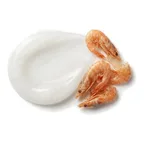 Acetyl Glucosamine
 Sodium Hyaluronate
 Glycyrrhiza Glabra Root Extract Licorice Root Extract
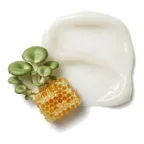 Panthenol Vitamin B5
High
- HighCombination Skin Fit
- HighEffectiveness
- HighSafety
A great choice for combination skin; a few serums fit it even better.
- Clinical, Cosmetic and Investigational Dermatology, 2017
- The Journal of Dermatological Treatment, 2017
This fit is calculated for the concerns frequently associated with combination skin: an oily T-zone, enlarged pores, and dry cheeks. For scores and recommendations based on your full skin profile, including your 12D face scan results and any goals or preferences you have, please use the Lovi app.
Updated How the Fit score works
Lovi Assistant explains
- Highly suitable for your combination skin and oily shine concerns, as niacinamide and acetyl glucosamine work effectively to regulate sebum production and improve skin texture. Glycerin and panthenol further support hydration and skin barrier function, enhancing overall skin health.
- The formulation includes beneficial antioxidants like epigallocatechin gallate and ubiquinone, which offer protection against environmental stressors, complementing the primary benefits for your skin.
- The safety profile is excellent, with no harsh or prohibited ingredients, ensuring a low risk of irritation for your combination skin.
How to apply
- Use your serum as part of your PM routine. Start using it 3 times a week and move to daily use if your skin likes it.
- Apply the serum after cleansing and toner, and right before your moisturizer.
- Gently press 2-3 drops of the serum into your skin and wait a minute ⏳for it to soak in.
- Apply the serum on clean and dry skin since your skin is not sensitive.
- Always do a patch test before using the serum for the first time, and avoid the eye area .
People Say
★4.2Overall rating based on 900+ reviewsUsers with oily and combination skin frequently praise this booster for its ability to visibly minimize pores and smooth rough texture, often describing the results as transformative for congestion and post-acne marks. A significant minority of reviewers experience adverse reactions, including breakouts and redness, while others find the price point high for the small quantity provided.
Highlights
Minimizes enlarged pores Mostly Mentioned
- “pores look smaller”
- “tightened my pores”
- “pores less visible”
- “refined pore size”
- “helped with congestion”
Improves skin texture Often Mentioned
- “skin feels smoother”
- “softens rough patches”
- “glass skin effect”
- “bumps disappeared”
- “refined surface”
Lightweight & layerable Often Mentioned
- “watery consistency”
- “absorbs instantly”
- “mixes well with moisturizer”
- “non-greasy”
- “no pilling”
Controls oil production Sometimes Noted
- “less oily t-zone”
- “balanced sebum”
- “matte finish”
- “controlled shine”
- “less greasy during day”
Fades marks & redness Sometimes Noted
- “reduced post-acne marks”
- “calmed redness”
- “brightened complexion”
- “faded dark spots”
- “evened skin tone”
Causes breakouts/irritation Sometimes Noted
- “caused cystic acne”
- “tiny red bumps”
- “broke me out”
- “burning sensation”
- “skin barrier damage”
Expensive for size Sometimes Noted
- “tiny bottle”
- “pricey for amount”
- “runs out quickly”
- “not worth the cost”
- “expensive per ml”
No visible results Rarely Noted
- “did nothing”
- “saw no difference”
- “waste of money”
- “ineffective”
- “no change in pores”
Packaging issues Rarely Noted
- “dropper is messy”
- “hard to get last drops”
- “bottle leaks”
- “crusty rim”
- “bad dispenser”
Sticky/tacky finish Rarely Noted
- “feels sticky”
- “tacky residue”
- “leaves a film”
- “sticky after application”
- “glue-like texture”
Sources: lovi.care, sephora.com, paulaschoice.com, dermstore.com, cultbeauty.co.uk, amazon.com, and more
Questions and answers
What makes Paula's Choice 10% Niacinamide Booster a great fit for combination skin?
Paula's Choice 10% Niacinamide Booster is a great fit for your combination skin because niacinamide and acetyl glucosamine help control oily shine and smooth out texture. Glycerin and panthenol support hydration and strengthen your skin barrier, while antioxidants like epigallocatechin gallate and ubiquinone protect against everyday environmental stress with a very low risk of irritation.
Carcinogenesis, 2001Clinical, Cosmetic and Investigational Dermatology, 2017
Which ingredients make this serum a good fit for combination skin?
Niacinamide and acetyl glucosamine make this serum a great fit for your combination skin by helping control oily shine and smoothing out skin texture. Glycerin and panthenol further support hydration and barrier health, while antioxidants help protect against environmental stressors with a very low risk of irritation.
Clinical, Cosmetic and Investigational Dermatology, 2017The Journal of Dermatological Treatment, 2017
What does Niacinamide do for combination skin?
Niacinamide helps balance combination skin by managing oil in shiny areas while keeping dry patches soft and smooth. It may also calm redness, fade dark spots, and smooth out fine lines.
The British Journal of Dermatology, 2002Journal of Cosmetic and Laser Therapy, 2006
What does Acetyl Glucosamine do for combination skin?
Acetyl Glucosamine helps keep combination skin hydrated while evening out dark spots and improving smoothness. It helps increase moisture and normalizes shedding so skin feels soft and balanced.
Journal of Cosmetic Dermatology, 2007The British Journal of Dermatology, 2010
Where does this serum go in a skincare routine for combination skin?
This treatment goes in your evening routine after cleansing and before moisturizing. Putting it in the evening keeps things simple and provides extra safety around sun exposure.
Can I use this serum with retinol, and in what order?
You can use this treatment with retinol by applying the treatment first and following with your retinol product. This helps balance your combination skin while minimizing the likelihood of irritation.
How often should I use this serum?
This treatment is a great fit for your combination skin and is used in the evening routine. Niacinamide and acetyl glucosamine help control oily shine and improve skin texture with a low risk of irritation.
Can this serum clog pores, cause breakouts or purging for combination skin?
This booster is a great fit for your combination skin because niacinamide and acetyl glucosamine help control oily shine and improve skin texture while carrying a very low risk of irritation. While some reviewers mention breakouts, the formula has a very safe profile with gentle hydrators like glycerin and panthenol, making it unlikely to clog pores.
Clinical, Cosmetic and Investigational Dermatology, 2017The Journal of Dermatological Treatment, 2017
Is this serum fragrance-free and alcohol-free?
Yes, it has no fragrance and no drying alcohol.
What the research says
A single application of a moisturizing fluid containing hyaluronic acid 1%, glycerin 5%, and Centella asiatica stem cells extract significantly increased skin hydration by 29% and reduced transepidermal water loss at 24 hours compared to baseline and an untreated control site in twenty healthy women.
Clinical, Cosmetic and Investigational Dermatology, 2017A new topical panthenol-containing emollient significantly improved transepidermal water loss reduction, stratum corneum hydration, and intercellular lipid lamellae length compared with control in healthy subjects without negatively impacting bacterial viability.
The Journal of Dermatological Treatment, 2017Topical application of (-)-epigallocatechin-3-gallate (EGCG) to human skin before UV irradiation decreases UV-induced production of hydrogen peroxide by 68-90% and nitric oxide by 30-100%, inhibits leukocyte infiltration and lipid peroxidation by 41-84%, and restores glutathione levels and glutathione peroxidase activity compared to UV exposure alone.
Carcinogenesis, 2001Topical treatment with coenzyme Q10 formulas replenishes Q10 levels in the skin surface and deeper epidermis, augments cellular energy metabolism, and reduces free radicals while increasing antioxidant capacity in stressed skin.
BioFactors, 2015Topical treatment of nicotinamide, alone or in combination with other active ingredients, reduces the progression of skin aging and hyperpigmentation in clinical trials while being well tolerated.
Antioxidants, 2021Topical nicotinamide prevented solar-simulated UV-induced immunosuppression in healthy volunteers, and men experienced immunosuppression at solar-simulated UV doses three times lower than those required for women.
The Journal of Investigative Dermatology, 2008Topical 5% niacinamide applied twice daily for 12 weeks reduced fine lines and wrinkles, hyperpigmented spots, red blotchiness, and skin sallowness, and improved skin elasticity compared to vehicle control in 50 female white subjects with facial photoaging.
Dermatologic Surgery, 2005Topical 2% niacinamide significantly decreased sebum excretion rate in Japanese individuals and casual sebum levels in Caucasian individuals compared to placebo or baseline.
Journal of Cosmetic and Laser Therapy, 2006Topical 2% N-acetyl glucosamine reduced facial hyperpigmentation in an 8-week split-face clinical test, with an even greater effect observed when combined with 4% niacinamide.
Journal of Cosmetic Dermatology, 2007N-acetyl-glucosamine-loaded nanostructured lipid carriers successfully delivered the hydrophilic agent through the skin and reduced melanin distribution in healthy volunteers.
Advanced Pharmaceutical Bulletin, 2016Topical cosmetic products containing hyaluronic acid, N-acetyl glucosamine, and gamma-amino butyric acid improved skin hydration by 24.28% to 33.60%, elasticity by 11.98%, and skin lightening by 5.26% over 2 months in 20 female participants.
Journal of Cosmetic and Laser Therapy, 2019Topical application of 0.1% hyaluronic acid formulations of different molecular weights led to significant improvements in skin hydration and elasticity, with low-molecular-weight formulations also significantly reducing wrinkle depth in seventy-six female subjects compared to a vehicle control.
Journal of Drugs in Dermatology, 2011Topical hyaluronic acid serum used twice daily by 40 females with facial photoaging produced an immediate 134% increase in skin hydration, a sustained 55% increase at week 6, and significant improvements in smoothness, plumping, fine lines, wrinkles, and global appearance without causing irritation.
Dermatology and Therapy, 2021A topical antioxidant serum significantly reduced air pollution-induced skin pigmentation and proinflammatory gene expression ex vivo, and improved skin aging signs in 40 healthy adult females after 90 days of daily use.
Journal of Cosmetic Dermatology, 2022Combining 755 nm alexandrite laser with topical licorice gel significantly reduces terminal hair counts compared to alexandrite laser with placebo in women with idiopathic hirsutism.
Evidence-based Complementary and Alternative Medicine, 2015Licochalcone A activated Nrf2 signaling, elevated cytoprotective enzymes, increased the reduced-to-oxidized glutathione ratio, and decreased reactive oxygen species in human fibroblasts and neutrophils, while a LicA-rich licorice extract lowered UVA-induced oxidative processes in vivo.
Experimental Dermatology, 2015Mesoporous silica nanoparticles entrapping licorice polysaccharide and coated with polydopamine showed 76% entrapment efficiency, 89% in vitro release at pH 5, increased sebocytes' cellular uptake, and mediated inflammatory response by inhibiting pro-inflammatory cytokines and regulating anti-inflammatory cytokines.
Carbohydrate Polymers, 2024Topical dexpanthenol formulated in lipophilic vehicles improved stratum corneum hydration and reduced transepidermal water loss compared to vehicle control in humans.
Arzneimittel-Forschung, 2000A combination serum containing galactomyces ferment filtrate, dexpanthenol, and Centella asiatica effectively treated post-acne hyperpigmentation in subjects with colored skin by significantly increasing lightness scores in Fitzpatrick skin type V and reducing the melanin index in Fitzpatrick skin type IV compared to placebo.
Skinmed, 2021Topical dexpanthenol acts as a moisturizer, improves stratum corneum hydration, accelerates wound healing and epidermal regeneration, reduces erythema, and improves symptoms of skin irritation compared to vehicle or no pretreatment.
American Journal of Clinical Dermatology, 2002
Ingredients
Water, Niacinamide, Acetyl Glucosamine, Ascorbyl Glucoside Ascorbic Acid, Butylene Glycol, Sodium Hyaluronate, Allantoin, Boerhavia Diffusa Root Extract, Glycerin, Dipotassium Glycyrrhizate, Glycyrrhiza Glabra Root Extract Licorice Root Extract, Ubiquinone, Epigallocatechin Gallate, Beta-Glucan, Panthenol, Carnosine, Genistein, Citric Acid, Sodium Citrate, Sodium Hydroxide, Xanthan Gum, Disodium Edta, Ethylhexylglycerin, Phenoxyethanol
Behind this fit score
Lovi calculates every fit score from the full ingredient list with brand-independent rules our dermatologists and cosmetic chemists build and review, and personalizes every pick with AI trained on the real results of millions of users. Lovi trains its fit score models on a proprietary dataset built from more than 10,000 expert-labeled products and more than 100,000 simulated examples, following an internally consistent methodology presented at Cosmoprof, AMWC, and Skin of Color Update.
-

Co-founder, Medical Director
Cosmetic chemist, cosmetologist, aesthetic products developer
-

Co-founder, CEO and CTO
PhD in computer science, 3x US patent holder, ex-Google, ex-Yandex
-

Dr. Sofía Perea Pérez, MD, MSc
Medical Board
Aesthetic medicine practitioner, MSc in Longevity and Anti-Aging Medicine
-

Medical Board
Specialist dermatologist, MBBS, MD, IFAAD
-

Medical Board
Cosmetic chemist, SCS, IFSCC member
-

Medical Board, Medical Advisor
Dermatology MD
-

Elina Nazarenko, MD
Medical Board
Dermatology and diagnostic consultant
-

Victoria Derkova, MS
Medical Board
Cosmetic chemist, cosmetic development technologist


How does it fit your skin?
Scan your face, then any product: Lovi shows how well it fits you and what fits even better.