
Oskia Renaissance Cleansing Gel for oily acne-prone skin

 Vitamins A
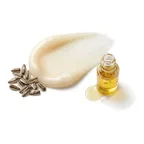 Omega 6
 Pumpkin Enzymes
 Chamomile
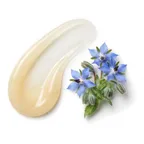 Borago Officinalis Seed Oil
Average
- HighOily Skin Fit
- AverageEffectiveness
- HighSafety
Works for oily acne-prone skin; other cleansers fit it better.
This fit is calculated for the concerns frequently associated with oily acne-prone skin: shine, breakouts, blemishes, and enlarged pores. For scores and recommendations based on your full skin profile, including your 12D face scan results and any goals or preferences you have, please use the Lovi app.
Updated How the Fit score works
Lovi Assistant explains
- Offers moderate cleansing and hydration for your oily skin, with Caprylic Capric Triglyceride and Glycerin effectively decongesting pores, though it lacks specialized acne-fighting ingredients like salicylic acid.
- Dimethyl Sulfone and Lactobacillus Cucurbita Pepo Extract Fruit Ferment contribute to seboregulating properties and desquamation regulation, which are beneficial for oily skin.
- The product is safe for your skin, as it contains no harsh ingredients that would cause irritation.
How to apply
- Use this cleanser as part of your AM and PM routine. Start using it daily to help clear your breakouts.
- Apply this cleanser as the first step in the morning and right after your pre-cleanser in the evening. Follow it with your toner and moisturizer.
- Gently massage a small amount of the cleanser onto your face using circular motions. Rinse thoroughly with lukewarm water and pat dry.
- Apply the cleanser on slightly damp skin to help clean deeply and remove excess oil. This works best for oily skin types.
- Avoid the sensitive eye area during application. Do a patch test before your first use.
People Say
★4.5Overall rating based on 1.8k+ reviewsBased on a very large amount of data, this gel-to-oil cleanser is highly regarded for its ability to effectively remove impurities and brighten dull skin, leaving it feeling soft and hydrated. Users with dry and combination skin types frequently praise its radiant results and luxurious texture. A common drawback is the opaque packaging, and some users find the price point to be high, though many consider it a worthwhile indulgence. It may struggle with heavy eye makeup for some, and a small number of users are sensitive to the fragrance.
Highlights
Luxurious texture Mostly Mentioned
- “melts beautifully into skin”
- “silky oil texture”
- “glides on over makeup”
- “feels like a luxurious treat”
Radiant & brightening Mostly Mentioned
- “instantly brightens dull skin”
- “leaves a nice glow”
- “skin looks clearer and healthier”
- “reveals bright, healthy skin”
Non-stripping hydration Often Mentioned
- “skin feels soft and plump”
- “doesn't strip the skin”
- “hydrating but not heavy”
- “leaves face nourished not tight”
Soothing scent Often Mentioned
- “smells divine”
- “relaxing spa scent”
- “lovely rose chamomile fragrance”
- “smells like Turkish Delight”
High price point Sometimes Noted
- “expensive for a cleanser”
- “pricey treat”
- “wish it was cheaper”
- “luxury price tag”
Opaque packaging Sometimes Noted
- “can't see how much is left”
- “bulky plastic bottle”
- “pump stopped working”
- “hard to gauge when to repurchase”
Eye makeup removal Rarely Noted
- “struggles with waterproof mascara”
- “stings eyes slightly”
- “didn't remove eye makeup well”
- “needs a cloth for heavy makeup”
Scent sensitivity Rarely Noted
- “smell is too strong”
- “don't like chamomile”
- “scent lingers too long”
- “overpowering fragrance”
Sources: lovi.care, spacenk.com, cultbeauty.co.uk, sephora.co.uk, lookfantastic.com, and more
Questions and answers
How well does Oskia Renaissance Cleansing Gel work for oily acne-prone skin?
Oskia Renaissance Cleansing Gel works decently for oily acne-prone skin by offering moderate cleansing and hydration while helping calm and smooth the skin, though it lacks specialized acne-fighting ingredients like salicylic acid. To get a better fit for this skin type, a cleanser needs strong oil control and active ingredients that target blemishes.
Life, 2023Clinical, Cosmetic and Investigational Dermatology, 2017
Which ingredients make this cleanser a good fit for oily acne-prone skin?
Caprylic Capric Triglyceride and glycerin help clear your pores, while pumpkin enzymes and dimethyl sulfone help balance oil and gently clear dead skin cells. To give an even better fit for oily acne-prone skin, a cleanser of this type needs specialized acne-fighting ingredients like salicylic acid to target breakouts more effectively.
Life, 2023Clinical, Cosmetic and Investigational Dermatology, 2017
What does Vitamin A do for oily acne-prone skin?
Vitamin A helps clear oily, acne-prone skin by keeping pores unclogged, calming redness, and keeping oil and breakouts under control. It has a very good safety profile and works well for long-term daily care when you want your skin to look smooth and clear.
Dermatology and Therapy, 2017American Journal of Clinical Dermatology, 2008
What does Omega 6 do for oily acne-prone skin?
Omega-6 fatty acids like linoleic acid help reduce clogged pores and breakouts when applied to oily, acne-prone skin, though dietary forms may sometimes worsen acne. Using topical linoleic acid helps balance skin lipids, as acne-prone skin often lacks adequate levels of this essential fatty acid.
Clinical and Experimental Dermatology, 1998The British Journal of Dermatology, 2007
Where does this cleanser go in a skincare routine for oily acne-prone skin?
This cleanser fits into your morning routine as the first step and into your evening routine as the second step after removing makeup. Oily acne-prone skin needs a product of this type to include specialized acne-fighting ingredients like salicylic acid.
Can I use this cleanser with retinol, and in what order?
You can use this cleanser with retinol by applying the cleanser first on your damp skin, rinsing it off, and then following up with your retinol treatment. This cleanser is unlikely to cause irritation because it contains no harsh ingredients, making it gentle enough to use alongside your retinol routine.
How often should I use this cleanser?
You can use this cleanser daily in the morning and evening as part of your routine. This type of product for oily acne-prone skin needs specialized acne-fighting ingredients like salicylic acid alongside oil-balancing and pore-clearing properties.
Can this cleanser clog pores, cause breakouts or purging for oily acne-prone skin?
This cleanser is unlikely to clog pores or cause breakouts because it has a safe formula with ingredients that help clear pores, though it lacks specialized acne-fighting ingredients like salicylic acid. Oily acne-prone skin often does better with a cleanser that also includes targeted blemish-fighting ingredients and oil-balancing elements.
Can I use this cleanser around the eyes or on my body?
You can use this cleanser on the body and around the eyes, as it is unlikely to cause irritation. This type of skin needs gentle cleansing ingredients that keep the area clean without causing dryness.
Is this cleanser fragrance-free and alcohol-free?
It has no drying alcohol and contains fragrance (benzyl alcohol, parfum, geraniol, citronellol, and linalool).
What the research says
A single application of a moisturizing fluid containing hyaluronic acid 1%, glycerin 5%, and Centella asiatica stem cells extract significantly increased skin hydration by 29% and reduced transepidermal water loss at 24 hours compared to baseline and an untreated control site in twenty healthy women.
Clinical, Cosmetic and Investigational Dermatology, 2017Topical application of an emollient emulsion containing 15.0% caprylic/capric triglyceride doubled the amount of urocanic acid isomers and increased skin hydration with reduced transepidermal water loss in healthy subjects, though it did not prevent ultraviolet-induced urocanic acid isomerization.
Life, 2023Topical bakuchiol 0.5% applied twice daily compared with retinol 0.5% applied daily significantly decreased wrinkle surface area and hyperpigmentation with no statistical difference between the compounds in 44 patients over 12 weeks, while retinol users reported more facial skin scaling and stinging.
The British Journal of Dermatology, 2019Topical 0.3% and 1% retinol comparably improved biomarkers of cutaneous photoageing in photoaged volunteers, while 0.3% retinol demonstrated better tolerance with fewer and milder adverse events compared to 1% retinol in a daily escalation regimen.
International Journal of Cosmetic Science, 2022Daily application of 0.3% and 0.5% retinol serums in 37 volunteers over 12 weeks reduced skin hyperpigmentation, unevenness, and wrinkles on both sides of the face, with the 0.5% concentration causing more frequent and intense skin irritation.
Skin Pharmacology and Physiology, 2020Topical application of linoleic acid achieved an almost 25% reduction in the overall size of follicular casts and microcomedones over a 1-month treatment period in patients with mild acne compared to no change at placebo-treated sites.
Clinical and Experimental Dermatology, 1998A lotion containing triethyl citrate and ethyl linoleate reduced Leeds grading, total, inflammatory, and noninflammatory lesion counts, and sebum production compared with a placebo in patients with mild to moderate acne.
The British Journal of Dermatology, 2007Liposomal formulation of linoleic acid significantly enhances its skin whitening effect compared to non-liposomal forms in UV-stimulated guinea pig and human skin.
Biological & Pharmaceutical Bulletin, 2004Cutaneous application of linoleic and gamma-linolenic acid triglycerides reduced the high rate of transepidermal water loss in essential fatty acid-deficient rats, whereas other fatty acid triglycerides had no effect.
The British Journal of Dermatology, 1976Topical application of gamma-linolenic acid suppressed testosterone-induced growth of hamster flank organs by inhibiting 5alpha-reductase without affecting 5alpha-dihydrotestosterone-dependent growth or causing systemic effects.
The Journal of Investigative Dermatology, 1997
Why other cleansers fit oily acne-prone skin better
Topical 5% tea tree oil gel significantly improved total acne lesions and acne severity index compared to placebo in 60 patients with mild to moderate acne vulgaris, showing 3.55 times and 5.75 times greater efficacy respectively.
Indian Journal of Dermatology, Venereology and Leprology, 2007Co-delivery of paeonol and madecassoside via nanoemulsions improved transdermal delivery, promoted barrier repair proteins, inhibited inflammatory cytokine secretion in cellular and 3D models, and reduced transepidermal water loss and acne in human facial skin compared to free components.
Molecules, 2023
Ingredients
Caprylic Capric Triglyceride, Glycerin, Water, Cetearyl Olivate, Sucrose Laurate, Benzyl Alcohol, Sorbitan Olivate, Sucrose Palmitate, Parfum, Geraniol, Dimethyl Sulfone, Citronellol, Dehydroacetic Acid, Lactobacillus Cucurbita Pepo Extract Fruit Ferment, Borago Officinalis Seed Oil, Sucrose Stearate, Linalool, Retinyl Palmitate, Ci 77491 Iron Oxides, Jojoba Esters, Tocopherol, Ascorbyl Palmitate
Behind this fit score
Lovi calculates every fit score from the full ingredient list with brand-independent rules our dermatologists and cosmetic chemists build and review, and personalizes every pick with AI trained on the real results of millions of users. Lovi trains its fit score models on a proprietary dataset built from more than 10,000 expert-labeled products and more than 100,000 simulated examples, following an internally consistent methodology presented at Cosmoprof, AMWC, and Skin of Color Update.
-

Co-founder, Medical Director
Cosmetic chemist, cosmetologist, aesthetic products developer
-

Co-founder, CEO and CTO
PhD in computer science, 3x US patent holder, ex-Google, ex-Yandex
-

Dr. Sofía Perea Pérez, MD, MSc
Medical Board
Aesthetic medicine practitioner, MSc in Longevity and Anti-Aging Medicine
-

Medical Board
Specialist dermatologist, MBBS, MD, IFAAD
-

Medical Board
Cosmetic chemist, SCS, IFSCC member
-

Medical Board, Medical Advisor
Dermatology MD
-

Elina Nazarenko, MD
Medical Board
Dermatology and diagnostic consultant
-

Victoria Derkova, MS
Medical Board
Cosmetic chemist, cosmetic development technologist


How does it fit your skin?
Scan your face, then any product: Lovi shows how well it fits you and what fits even better.