
Origins Original Skin Renewal Serum for sensitive skin

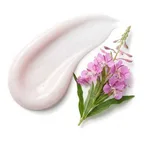 Epilobium Angustifolium
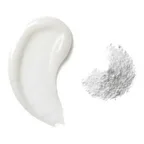 Acetyl Hexapeptide-8
 Salicylic Acid
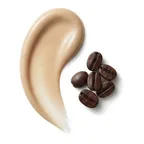 Caffeine
 Magnesium Ascorbyl Phosphate
Average
- HighNormal Skin Fit
- AverageEffectiveness
- HighSafety
Works for sensitive skin; other serums fit it better.
This fit is calculated for the concerns frequently associated with sensitive skin: redness, stinging, and reactions to new products. For scores and recommendations based on your full skin profile, including your 12D face scan results and any goals or preferences you have, please use the Lovi app.
Updated How the Fit score works
Lovi Assistant explains
- Offers moderate exfoliation and hydration suitable for your normal skin, with salicylic acid and glycerin supporting skin renewal and moisture balance.
- While it provides general skincare benefits, it lacks targeted ingredients like niacinamide or centella asiatica to effectively address your primary concerns of redness and irritation.
- The product is safe for your normal skin with sensitivity, as it contains soothing ingredients like urea and salicylic acid and avoids harsh or prohibited substances.
How to apply
- Use your serum in the PM routine, starting 3 times a week before building up to daily use if your skin is happy.
- Apply the serum after cleansing and toning, but before putting on your moisturizer for the best results.
- Gently press 2-3 drops of the serum into your skin and wait a minute ⏱ for it to soak in.
- Since your skin is sensitive and easily irritated, apply the serum on completely dry skin to help keep it calm.
- Always do a patch test before your first use and avoid getting the serum too close to your eyes .
People Say
★4.3Overall rating based on 1.1k+ reviewsBased on a very large amount of data, this serum is highly praised for smoothing skin texture and boosting radiance, with many users noting it helps blur pores and clear mild breakouts. Some users with sensitive skin have experienced irritation due to the formula's essential oils. The product's discontinuation has also been a significant point of disappointment for many.
Highlights
Boosts radiance Often Mentioned
- “adds glow”
- “vibrant look”
- “de-stresses skin”
Improves texture Often Mentioned
- “smooths roughness”
- “softens skin”
- “refines surface”
Lightweight consistency Often Mentioned
- “absorbs quickly”
- “non-greasy”
- “silky feel”
Discontinued status Often Mentioned
- “hard to find”
- “out of stock”
- “discontinued”
Minimizes pores Sometimes Noted
- “blurs pores”
- “shrinks appearance”
- “tightens pores”
Pleasant scent Sometimes Noted
- “fresh smell”
- “nice fragrance”
- “spa-like scent”
High price point Sometimes Noted
- “expensive”
- “pricey”
- “small bottle”
Causes irritation Rarely Noted
- “breakouts”
- “redness”
- “stinging sensation”
Not hydrating Rarely Noted
- “dry patches”
- “needs moisturizer”
- “not for dry skin”
Sensitizing ingredients Rarely Noted
- “citrus oils”
- “essential oils”
- “strong fragrance”
Sources: lovi.care, macys.com, origins.com, femaledaily.com, wimj.com, fernandblush.com, and more
Questions and answers
How well does Origins Original Skin work for sensitive skin?
This serum works moderately well for sensitive skin, offering gentle hydration and surface renewal, though it lacks specialized ingredients to actively calm redness and irritation. To truly comfort sensitive skin, a product of this type needs soothing compounds like niacinamide or centella asiatica alongside gentle hydrators.
Which ingredients make this serum a good fit for sensitive skin?
Glycerin and salicylic acid make this serum a fit by offering moderate moisture and renewal, while urea and salicylic acid help keep it safe and comfortable on sensitive skin. To truly fit sensitive skin and calm redness and irritation, a product of this type needs soothing and calming ingredients like niacinamide and centella asiatica.
What does Willow Herb do for sensitive skin?
Willow herb helps calm sensitive skin by reducing redness and soothing irritation. Its antioxidant and anti-inflammatory properties may also protect skin against everyday environmental stressors while supporting a comfortable feel.
What does Argireline do for sensitive skin?
Argireline helps smooth out lines and makes dry skin feel softer, but sensitive skin needs a gentle formula with soothing and barrier-repairing ingredients to avoid irritation.
Where does it go in a skincare routine for sensitive skin?
This treatment goes in the evening routine, after cleansing and toning and before moisturizing, for simplicity and extra safety around sun exposure. Sensitive skin needs a product with calming ingredients like centella asiatica or niacinamide to help soothe redness and keep it comfortable.
Can I use this serum with retinol, and in what order?
You can use this serum with retinol by applying the serum first in your evening routine, followed by your retinol. To help protect sensitive skin from irritation when combining these active products, a product of this type needs calming ingredients like niacinamide or centella asiatica.
How often should I use it?
You can use this treatment in your evening routine once a week to start, and then carefully use it more often if your skin tolerates it well.
Can this serum clog pores, cause breakouts or purging for sensitive skin?
This serum is unlikely to clog pores or cause breakouts for sensitive skin, though salicylic acid inside may cause mild purging as it helps renew skin. Because this skin needs extra care, a product of this type needs soothing ingredients like niacinamide or centella asiatica to keep redness and irritation away.
What the research says
A single application of a moisturizing fluid containing hyaluronic acid 1%, glycerin 5%, and Centella asiatica stem cells extract significantly increased skin hydration by 29% and reduced transepidermal water loss at 24 hours compared to baseline and an untreated control site in twenty healthy women.
Clinical, Cosmetic and Investigational Dermatology, 2017Twice daily application of a multitargeted dermocosmetic cream provided comparable efficacy to benzoyl peroxide 5% gel in reducing inflammatory, non-inflammatory, and total lesions in 150 Caucasian subjects with mild-to-moderate acne over 56 days, while demonstrating superior skin tolerability.
Journal of Cosmetic Dermatology, 2024Epilobium angustifolium extract increased cell viability, altered gene expressions in senescent normal human dermal fibroblasts, down-regulated UV-induced release of matrix metalloproteinases, and protected skin against UV-induced erythema formation in vivo.
General Physiology and Biophysics, 2013Topical hydrogels containing Epilobium angustifolium extracts demonstrated antioxidant, antibacterial, anti-inflammatory, and wound-healing properties, with active ingredients penetrating human skin.
Frontiers in Pharmacology, 2022Ethanolic extracts from Epilobium angustifolium demonstrated antioxidant, antiaging, and anti-inflammatory properties by inhibiting lipoxygenase, collagenase, and elastase, and effectively scavenging free radicals.
Molecules, 2021Treatment with cross-linked hyaluronic acid-based microneedle patches combined with acetyl hexapeptide-8 or epidermal growth factor significantly improved wrinkles and skin hydration compared to the patch alone in Korean females over 29 days.
Annals of Dermatology, 2019Argireline treatment twice daily for 4 weeks produced a significant anti-wrinkle effect with 48.9% total efficacy and decreased skin roughness in Chinese subjects compared with 0% efficacy and no decrease in roughness in the placebo group.
American Journal of Clinical Dermatology, 2013Acetyl hexapeptide-3 and tripeptide-10 citrulline demonstrated antiwrinkle efficacy and decreased transepidermal water loss in twenty-four healthy volunteers compared to control groups, though synergistic effects between the two peptides remained unclear.
Journal of Cosmetic Dermatology, 2017A moisturizer containing licochalcone A, 1,2-decanediol, L-carnitine, and salicylic acid significantly reduced noninflammatory, inflammatory, and total acne lesion counts compared to a vehicle control in Thai patients during a 12-week maintenance phase.
BioMed Research International, 2020Treatment with 2% supramolecular salicylic acid hydrogel resulted in a regression and markedly improvement rate of 51.01% compared to 43.10% for Adapaline gel in patients with mild to moderate facial acne vulgaris, showing no significant difference in efficacy.
Journal of Cosmetic Dermatology, 2024Topical 5% benzoyl peroxide plus salicylic acid achieved the greatest lesion reduction at early 2 to 4 week time points compared to benzoyl peroxide, clindamycin, and combination benzoyl peroxide/clindamycin, while 5% benzoyl peroxide plus salicylic acid and combination benzoyl peroxide/clindamycin showed similar efficacy at 10 to 12 weeks in acne patients.
Journal of the American Academy of Dermatology, 2010Topical sunscreen formulations containing caffeine combined with UV filters increased in vivo anti-UVB protection by approximately 25% and showed higher SPF values compared to caffeine-free sunscreen, while being well tolerated by the skin of healthy subjects.
Frontiers in Physiology, 2019Topical caffeine acts as an active cosmetic compound by preventing excessive fat accumulation through phosphodiesterase inhibition, protecting cells against UV radiation with antioxidant properties, increasing skin microcirculation, and stimulating hair growth via 5-alpha-reductase inhibition.
Skin Pharmacology and Physiology, 2013Serum-free organ culture of human skin ex vivo induces extremely accelerated ageing within 3 days, which is counteracted by caffeine and 2,5-dimethylpyrazine treatments.
Experimental Dermatology, 2024Topical application of 5% vitamin C cream significantly improved global clinical scores, increased skin microrelief density, and induced elastic tissue repair in photoaged skin compared to excipient control in healthy female volunteers.
Experimental Dermatology, 2003Topical application of VC-IP cream twice daily for 8 weeks reduces periorbital wrinkles in female subjects compared to a placebo cream.
Journal of Cosmetic Dermatology, 2022Topical treatment with 5% vitamin C and 0.1% madecassoside significantly improved clinical scores for wrinkles, suppleness, firmness, roughness, and skin hydration, along with functional and structural remodeling of the elastic fiber network in 20 female volunteers with photoaged skin after 6 months compared to baseline.
Experimental Dermatology, 2008
Why other serums fit sensitive skin better
Topical application of TAT-SOD significantly suppresses UVB-induced erythema formation, blood flow rise, and apoptotic sunburn cell formation in human volunteers compared to a vehicle control.
European Journal of Pharmaceutics and Biopharmaceutics, 2016Topical ferulic acid-containing formulations effectively reduce skin erythema, hyperpigmentation, and signs of aging in adults compared to baseline or alternative conditions.
The Journal of Clinical and Aesthetic Dermatology, 2025
Ingredients
Water, Butylene Glycol, Silica, Polymethylsilsesquioxane, Dimethicone, Glycerin, Hdi Trimethylol Hexyllactone Crosspolymer, Polysilicone-11, Grapefruit Peel Oil, Lavandula Angustifolia Oil Lavender Oil, Pelargonium Graveolens Oil Flower, Amyris Balsamifera Oil Bark, Salvia Sclarea Oil, Anthemis Nobilis Oil Flower, Rosa Centifolia Flower Extract, Limonene, Linalool, Epilobium Angustifolium Stem Extract Flower Leaf, Albizia Julibrissin Bark Extract, Chestnut Seed Extract, Salicylic Acid, Paeonia Suffruticosa Root Extract Paeonia Albiflora Root Extract, Molasses Saccharum Officinarum Extrait De Mélasse Extract, Laminaria Digitata Extract, Bambusa Vulgaris Extract, Pisum Sativum Extract, Sigesbeckia Orientalis Extract, Acetyl Hexapeptide-8, Ethylhexylglycerin, Caffeine, Urea, Lauryl Peg-9 Polydimethylsiloxyethyl Dimethicone, Arginine, Beeswax Alba Cire Dabeille Cera, Sodium Hyaluronate, Peg-11 Methyl Ether Dimethicone, Dimethicone Crosspolymer, Caprylyl Glycol, Sodium Pca, Dimethicone Vinyl Dimethicone Crosspolymer, Magnesium Ascorbyl Phosphate, Glucosamine Hcl, Sodium Phytate, Hexylene Glycol, Laureth-12, Trehalose, Polyquaternium-51, Tromethamine, Silica Silylate, Carbomer, Ammonium Acryloyldimethyltaurate Vp Copolymer, Tocopheryl Acetate, Potassium Sorbate, Chlorphenesin, Phenoxyethanol, Mica, Titanium Dioxide Ci 77891
Behind this fit score
Lovi calculates every fit score from the full ingredient list with brand-independent rules our dermatologists and cosmetic chemists build and review, and personalizes every pick with AI trained on the real results of millions of users. Lovi trains its fit score models on a proprietary dataset built from more than 10,000 expert-labeled products and more than 100,000 simulated examples, following an internally consistent methodology presented at Cosmoprof, AMWC, and Skin of Color Update.
-

Co-founder, Medical Director
Cosmetic chemist, cosmetologist, aesthetic products developer
-

Co-founder, CEO and CTO
PhD in computer science, 3x US patent holder, ex-Google, ex-Yandex
-

Dr. Sofía Perea Pérez, MD, MSc
Medical Board
Aesthetic medicine practitioner, MSc in Longevity and Anti-Aging Medicine
-

Medical Board
Specialist dermatologist, MBBS, MD, IFAAD
-

Medical Board
Cosmetic chemist, SCS, IFSCC member
-

Medical Board, Medical Advisor
Dermatology MD
-

Elina Nazarenko, MD
Medical Board
Dermatology and diagnostic consultant
-

Victoria Derkova, MS
Medical Board
Cosmetic chemist, cosmetic development technologist


How does it fit your skin?
Scan your face, then any product: Lovi shows how well it fits you and what fits even better.