
Origins GinZing Glow-Boosting Mask for sensitive skin

 3-O-Ethyl Ascorbic Acid
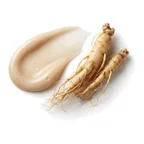 Panax Ginseng Root Extract
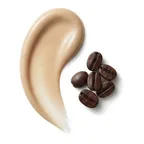 Caffeine
 Sodium Hyaluronate
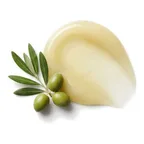 Olea Europaea Oil Fruit Olive Oil Fruit
Average
- HighNormal Skin Fit
- AverageEffectiveness
- HighSafety
Works for sensitive skin; other nourishing masks fit it better.
This fit is calculated for the concerns frequently associated with sensitive skin: redness, stinging, and reactions to new products. For scores and recommendations based on your full skin profile, including your 12D face scan results and any goals or preferences you have, please use the Lovi app.
Updated How the Fit score works
Lovi Assistant explains
- Offers moderate brightening for your normal skin due to the presence of 3-O-Ethyl Ascorbic Acid and Terminalia Ferdinandiana Fruit Extract, which enhance skin radiance, though these ingredients do not directly address your redness and irritation.
- Glycerin and Sodium Hyaluronate provide general hydration benefits, which are supportive for your skin type but not targeted for your primary concerns.
- The product is safe for your normal skin with sensitivity, as it lacks prohibited or harsh ingredients that could cause irritation.
How to apply
- Could be used as part of your AM or PM routine. Start applying this creamy mask 3 times a week and move to daily use if your skin tolerates it well.
- Apply this creamy mask after cleansing and toner, but before your moisturizer or SPF.
- Gently spread a thin layer of the creamy mask onto your face, avoiding any rubbing to protect your delicate skin.
- Since your skin is sensitive, apply this creamy mask on completely dry skin for better comfort and tolerance.
- Do a patch test before your first use and always avoid the immediate eye area.
People Say
★4.7Overall rating based on 500+ reviewsThis mask is praised for its ability to hydrate and impart a radiant glow, leaving skin moisturized and smooth. Many users enjoy its pleasant citrus scent. A moderate number of users find the mask to be sticky and tacky, with some experiencing issues with it pilling under makeup.
Highlights
Provides radiant glow Mostly Mentioned
- “The glow is very noticeable and I get compliments all the time.”
- “After rubbing it in my face is glowing.”
- “I've had coworkers comment on my new 'glow'.”
- “Gave my skin some glow that it was lacking.”
Hydrates and moisturizes Often Mentioned
- “My skin feels incredibly hydrated after using.”
- “Leaves my skin feeling hydrated and moisturized all day.”
- “Exactly what I need for the dry heat that I live in.”
- “Skin felt smooth with a rosy glow... free of any dry patches.”
Pleasant citrus scent Sometimes Noted
- “Has a slight citrus smell that is not overwhelming.”
- “It does smell really good so that is a plus!”
- “The scent is sweet orange, just like orange Starburst sweets!”
- “It is so pleasant to use because it has such a 'happy scent'.”
Sticky and tacky Sometimes Noted
- “It is very tacky and sticky and balls up on my face.”
- “Your face would be very tacky.”
- “Leaves a slight coating on your skin.”
- “Doesn't absorb well either.”
Poor under makeup Rarely Noted
- “You could not wear this under make up either since it doesn't absorb well.”
- “Balls up on my face.”
- “I also don't think this would incorporate well with users that use retinols.”
Sources: lovi.care, ulta.com, well.ca, mynavyexchange.com, alifewithfrills.co.uk, and more
Questions and answers
How well does Origins GinZing Glow-Boosting Mask work for sensitive skin?
This mask is an average fit for sensitive skin because its brightening ingredients provide moderate radiance without calming redness or irritation. A nourishing mask for this skin needs soothing ingredients that address redness while keeping the skin calm and balanced.
Which ingredients make this mask a good fit for sensitive skin?
Glycerin and sodium hyaluronate make this mask a good fit for sensitive skin by providing general hydration and moisture support. This product needs soothing ingredients that calm redness and irritation while keeping skin balanced without any risk of upset.
What does 3-O-Ethyl Ascorbic Acid do for sensitive skin?
3-O-Ethyl Ascorbic Acid helps calm sensitive skin by reducing inflammation and protecting against sun-induced cell damage. It also acts as an antioxidant to keep skin smooth and protected from daily environmental stress.
Free Radical Biology & Medicine, 2025Scientific Reports, 2024
What does Ginseng Root Extract do for sensitive skin?
Ginseng Root Extract helps calm sensitive skin by reducing redness, itching, and inflammation while supporting the skin barrier. It is unlikely to irritate when used regularly as part of a gentle routine.
Journal of Ginseng Research, 2011Journal of Pharmacological Sciences, 2018
Where does this mask go in a skincare routine for sensitive skin?
This nourishing mask fits into a sensitive skin routine as a weekly step, used after cleansing and an enzyme powder. A product of this type for sensitive skin needs calming ingredients and gentle hydrators to soothe redness while keeping the skin soft and comfortable.
Can I use this mask with retinol, and in what order?
You can use this mask in the same routine as retinol, but a nourishing mask of this type needs soothing ingredients like centella asiatica or ceramides to keep sensitive skin calm and protected.
How often should I use this mask?
This nourishing mask works as a weekly step in your routine, helping keep your sensitive skin soft and hydrated. A product of this type for sensitive skin needs gentle soothing ingredients and deep hydrators that calm redness while adding moisture.
Journal of Cosmetic Dermatology, 2020Health Science Reports, 2021
Can this mask clog pores, cause breakouts or purging for sensitive skin?
This mask is unlikely to clog pores or cause breakouts for sensitive skin, as it has a safe formula without harsh ingredients that trigger irritation. However, because it is an average fit for this skin type, sensitive skin often needs soothing ingredients like Centella asiatica and barrier-repairing ceramides to prevent discomfort while keeping the skin calm and hydrated.
What the research says
3-O-ethyl ascorbic acid exerts anti-melanogenic effects via Nrf2-mediated alpha-MSH inhibition in UVA-irradiated keratinocytes and autophagy induction in melanocytes, while also inhibiting tyrosinase expression and endogenous pigmentation in a zebrafish model.
Free Radical Biology & Medicine, 2021A single application of a moisturizing fluid containing hyaluronic acid 1%, glycerin 5%, and Centella asiatica stem cells extract significantly increased skin hydration by 29% and reduced transepidermal water loss at 24 hours compared to baseline and an untreated control site in twenty healthy women.
Clinical, Cosmetic and Investigational Dermatology, 2017Hyaluronic acid-based formulations exhibit remarkable anti-wrinkle, anti-aging, and skin rejuvenating effects via soft tissue augmentation, improved skin hydration, and face volume restoration.
International Journal of Biological Macromolecules, 2018Topical application of 5% vitamin C cream significantly improved global clinical scores, increased skin microrelief density, and induced elastic tissue repair in photoaged skin compared to excipient control in healthy female volunteers.
Experimental Dermatology, 2003Topical application of VC-IP cream twice daily for 8 weeks reduces periorbital wrinkles in female subjects compared to a placebo cream.
Journal of Cosmetic Dermatology, 2022Topical treatment with 5% vitamin C and 0.1% madecassoside significantly improved clinical scores for wrinkles, suppleness, firmness, roughness, and skin hydration, along with functional and structural remodeling of the elastic fiber network in 20 female volunteers with photoaged skin after 6 months compared to baseline.
Experimental Dermatology, 2008Enzyme-modified ginseng extract cream significantly reduced the global photo-damage score and various roughness measures including total roughness, smoothness depth, and arithmetic roughness average compared to placebo in 23 human subjects.
Rejuvenation Research, 2015A red ginseng hydrogel formulation with 1,2-hexanediol promoted selective growth of Staphylococcus epidermidis and decreased Cutibacterium acnes in 20 female subjects.
Journal of Ginseng Research, 2022A cream containing 0.1% ginsenoside F1 demonstrated a skin-whitening effect on artificially tanned human skin after 8 weeks by enhancing interleukin-13 production from epidermal gamma-delta T cells, which subsequently suppressed tyrosinase and DCT expression and melanin synthesis in melanocytes.
Experimental Dermatology, 2014Topical sunscreen formulations containing caffeine combined with UV filters increased in vivo anti-UVB protection by approximately 25% and showed higher SPF values compared to caffeine-free sunscreen, while being well tolerated by the skin of healthy subjects.
Frontiers in Physiology, 2019Topical caffeine acts as an active cosmetic compound by preventing excessive fat accumulation through phosphodiesterase inhibition, protecting cells against UV radiation with antioxidant properties, increasing skin microcirculation, and stimulating hair growth via 5-alpha-reductase inhibition.
Skin Pharmacology and Physiology, 2013Serum-free organ culture of human skin ex vivo induces extremely accelerated ageing within 3 days, which is counteracted by caffeine and 2,5-dimethylpyrazine treatments.
Experimental Dermatology, 2024Topical application of 0.1% hyaluronic acid formulations of different molecular weights led to significant improvements in skin hydration and elasticity, with low-molecular-weight formulations also significantly reducing wrinkle depth in seventy-six female subjects compared to a vehicle control.
Journal of Drugs in Dermatology, 2011Topical hyaluronic acid serum used twice daily by 40 females with facial photoaging produced an immediate 134% increase in skin hydration, a sustained 55% increase at week 6, and significant improvements in smoothness, plumping, fine lines, wrinkles, and global appearance without causing irritation.
Dermatology and Therapy, 2021A topical antioxidant serum significantly reduced air pollution-induced skin pigmentation and proinflammatory gene expression ex vivo, and improved skin aging signs in 40 healthy adult females after 90 days of daily use.
Journal of Cosmetic Dermatology, 2022The application of a pH-neutral gel containing organic extra virgin olive oil demonstrated similar efficacy and safety for peristomal skin hygiene compared to usual stoma hygiene gel in patients with a colostomy or ileostomy, with a statistically significant improvement observed in abnormal peristomal skin domains within the experimental group after 8 weeks.
Journal of Tissue Viability, 2023The incorporation of olive oil-loaded hydrogel particles into a cream formulation provides strong moisturizing properties and photoprotective potential when applied to healthy subjects.
Pharmaceutical Development and Technology, 2018Wild Olive Oil, Extra Virgin Olive Oil, and Virgin Olive Oil compared against liquid paraffin and rosehip oil showed that wild olive oil yielded the lowest perception of oiliness and the highest increase in skin elasticity among eight healthy volunteers.
Pharmaceutics, 2022
Why other nourishing masks fit sensitive skin better
Cosmetic formulations containing 5% Centella asiatica extract showed the best efficacy in improving skin moisture and decreasing transepidermal water loss, while also exhibiting antiinflammatory properties in 25 volunteers compared to baseline measurements.
Indian Journal of Pharmaceutical Sciences, 2016Liposomal apigenin-enriched chamomile flower extract topical formulations showed slightly higher in vivo antiinflammatory efficacy compared to non-liposomal formulations in patients.
Phytotherapy Research, 2011
Ingredients
Water, Cetearyl Isononanoate, Butylene Glycol, Glycerin, Polyglyceryl-3 Methylglucose Distearate, Olea Europaea Oil Fruit Olive Oil Fruit, Caprylic Capric Triglyceride, Steareth-21, 3-O-Ethyl Ascorbic Acid, Panax Ginseng Root Extract, Caffeine, Terminalia Ferdinandiana Fruit Extract, Magnesium Ascorbyl Phosphate, Salicylic Acid, Sodium Hyaluronate, Betaine, Sucrose, Glycine, Mannitol, Cetearyl Alcohol, Triethyl Citrate, Xanthan Gum, Synthetic Fluorphlogopite, Sodium Hydroxide, Microcrystalline Cellulose, Lecithin, Tin Oxide, Hydroxypropyl Methylcellulose, Caprylyl Glycol, Acrylates C10-30 Alkyl Acrylate Crosspolymer, Steareth-2, Acrylates Ammonium Methacrylate Copolymer, Sodium Phytate, Phenoxyethanol, Grapefruit Peel Oil, Lemon Peel Oil, Citrus Aurantium Dulcis Peel Oil, Spearmint Oil Leaf, Limonene, Linalool, Citral, Mica, Titanium Dioxide Ci 77891, Iron Oxides Ci 77491, Iron Oxides Ci 77492, Yellow 5 Ci 19140, Ci 15985
Behind this fit score
Lovi calculates every fit score from the full ingredient list with brand-independent rules our dermatologists and cosmetic chemists build and review, and personalizes every pick with AI trained on the real results of millions of users. Lovi trains its fit score models on a proprietary dataset built from more than 10,000 expert-labeled products and more than 100,000 simulated examples, following an internally consistent methodology presented at Cosmoprof, AMWC, and Skin of Color Update.
-

Co-founder, Medical Director
Cosmetic chemist, cosmetologist, aesthetic products developer
-

Co-founder, CEO and CTO
PhD in computer science, 3x US patent holder, ex-Google, ex-Yandex
-

Dr. Sofía Perea Pérez, MD, MSc
Medical Board
Aesthetic medicine practitioner, MSc in Longevity and Anti-Aging Medicine
-

Medical Board
Specialist dermatologist, MBBS, MD, IFAAD
-

Medical Board
Cosmetic chemist, SCS, IFSCC member
-

Medical Board, Medical Advisor
Dermatology MD
-

Elina Nazarenko, MD
Medical Board
Dermatology and diagnostic consultant
-

Victoria Derkova, MS
Medical Board
Cosmetic chemist, cosmetic development technologist


How does it fit your skin?
Scan your face, then any product: Lovi shows how well it fits you and what fits even better.