
No7 Lift & Luminate Day Cream for acne-prone skin

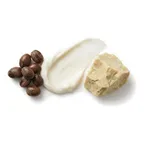 Shea Butter
 Sodium Ascorbyl Phosphate
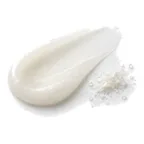 Palmitoyl Oligopeptide
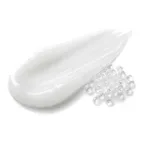 Palmitoyl Tetrapeptide-7
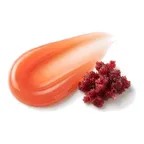 Astaxanthin Powder
Average
- AverageCombination Skin Fit
- AverageEffectiveness
- Low RiskSafety
Works for acne-prone skin; other sunscreens fit it better.
- Clinical, Cosmetic and Investigational Dermatology, 2017
- International Journal of Cosmetic Science, 2025
This fit is calculated for the concerns frequently associated with acne-prone skin: breakouts, blackheads, and post-acne marks. For scores and recommendations based on your full skin profile, including your 12D face scan results and any goals or preferences you have, please use the Lovi app.
Updated How the Fit score works
Lovi Assistant explains
- Offers moderate moisturizing and UV protection for your combination skin, with glycerin providing hydration and titanium dioxide offering sun protection, though it lacks sufficient ingredients for optimal oil control on oily areas.
- While it provides general skincare benefits like hydration from shea butter, these are mostly supportive and not directly targeted at your acne, blemishes, and breakouts.
- The product is generally safe for your combination skin, with only a slight risk of irritation from Sodium Ascorbyl Phosphate.
Buy online

Prices checked 20 Nov 2026
The Lovi Fit is the same in every country; only the stores and prices differ, and the ones here are for Europe.
How to apply
- Apply this moisturizing sunscreen AM every morning as the final step of your daily routine.
- Layer the moisturizing sunscreen after your moisturizer has fully absorbed, right before heading out into the sun .
- Smooth a nickel-sized amount of the moisturizing sunscreen evenly over your face, avoiding harsh rubbing.
- Apply the moisturizing sunscreen onto clean, dry skin to ensure even coverage and protection.
- Perform a patch test before first use and avoid direct contact with the eyes.
Questions and answers
How well does No7 Lift & Luminate Day Cream work for acne-prone skin?
No7 Lift & Luminate Day Cream works moderately well for acne-prone skin, providing basic hydration and sun protection, though it lacks targeted ingredients for breakouts. A product of this type needs to be exceptionally safe, hydrate without adding excess oil, and contain high-quality ingredients like niacinamide and antioxidants to properly care for acne-prone skin.
Which ingredients make this cream a good fit for acne-prone skin?
This cream works for acne-prone skin because it contains glycerin for hydration and shea butter for general skin support. However, an acne-prone skin type needs a product with high-quality ingredients like niacinamide and ceramide-3 to effectively clear blemishes, alongside oil-controlling components that hydrate without adding excess oil.
What does Shea Butter do for acne-prone skin?
Shea butter helps protect and soothe dry or irritated skin while keeping it soft and smooth. Because it is rich and heavy, a product with shea butter needs to be carefully chosen for acne-prone skin to avoid clogging pores, and it works best when paired with lightweight, oil-free hydrators.
What does Vitamin C do for acne-prone skin?
Vitamin C helps clear up acne-prone skin by reducing breakouts, calming inflamed spots, and helping control facial oil. It is unlikely to irritate when used properly, making it a great addition to your daily routine for smoother, clearer skin.
International Journal of Cosmetic Science, 2009Journal of Cosmetic Dermatology, 2010
Where does it go in a skincare routine for acne-prone skin?
This moisturizer with sun protection fits into the morning routine after your hydrating toner. A moisturizer for this skin needs oil-balancing ingredients to help keep breakouts under control.
Can I use this cream with retinol, and in what order?
You can use this cream in the morning before your sunscreen, or at night after your retinol to help keep your skin soft and calm. This type of product needs oil-balancing ingredients like salicylic acid or niacinamide to help manage breakouts for acne-prone skin.
How often should I use it?
You can use this moisturizing spf every morning to keep your skin hydrated and protected from the sun. This type of product needs oil-controlling and breakout-fighting ingredients to work well for acne-prone skin.
Journal of Cosmetic Dermatology, 2020Health Science Reports, 2021
Can this cream clog pores, cause breakouts or purging for acne-prone skin?
This cream is unlikely to cause purging, but it may lead to breakouts on acne-prone skin because it lacks sufficient ingredients for oil control and features heavy moisturizers like shea butter. Acne-prone skin works best with lightweight, oil-balancing ingredients and targeted blemish fighters.
Is it fragrance-free and alcohol-free?
It has no drying alcohol and contains fragrance (parfum). Cetearyl alcohol is a fatty alcohol, which soften the skin.
What the research says
A single application of a moisturizing fluid containing hyaluronic acid 1%, glycerin 5%, and Centella asiatica stem cells extract significantly increased skin hydration by 29% and reduced transepidermal water loss at 24 hours compared to baseline and an untreated control site in twenty healthy women.
Clinical, Cosmetic and Investigational Dermatology, 2017A skin barrier restoring cream with shea butter, silkflo, and vitamin E increased type I procollagen synthesis, enhanced antioxidant enzyme activity, decreased reactive oxygen species generation, and promoted hyaluronic acid production in H2O2-stimulated human keratinocyte cells compared to untreated cells.
International Journal of Cosmetic Science, 2025Topical application of 5% vitamin C cream significantly improved global clinical scores, increased skin microrelief density, and induced elastic tissue repair in photoaged skin compared to excipient control in healthy female volunteers.
Experimental Dermatology, 2003Topical application of VC-IP cream twice daily for 8 weeks reduces periorbital wrinkles in female subjects compared to a placebo cream.
Journal of Cosmetic Dermatology, 2022Topical treatment with 5% vitamin C and 0.1% madecassoside significantly improved clinical scores for wrinkles, suppleness, firmness, roughness, and skin hydration, along with functional and structural remodeling of the elastic fiber network in 20 female volunteers with photoaged skin after 6 months compared to baseline.
Experimental Dermatology, 2008Topical application of an autophagy-activating peptide reduced closed comedones, skin surface lipids, and trans-epidermal water loss, while altering lipid composition in acne-prone skin compared to vehicle.
Journal of Cosmetic Dermatology, 2021Topical exosomes and peptides improve skin rejuvenation by increasing collagen deposition, enhancing skin texture, and accelerating wound healing.
Aesthetic Surgery Journal. Open Forum, 2024Topical omiganan gels exhibited rapid, dose-dependent bactericidal and fungicidal activity against a broad spectrum of bacteria and yeasts in ex vivo pig skin and in vivo guinea pig skin models.
International Journal of Antimicrobial Agents, 2009A multi-modal methodology combining MALDI-MSI, in vivo RCM, echography, and histology revealed age-related decreases in extracellular matrix and epidermal-dermal junction proteins and undulation depth, while a blend of palmitoyl oligopeptide and palmitoyl tetrapeptide-7 improved subepidermal low-echogenic band thickness, density, and extracellular matrix structure compared to placebo.
Journal of Cosmetic Dermatology, 2015Combining oral and topical astaxanthin in 30 healthy females improved skin wrinkles, age spots, elasticity, texture, and moisture, while 6 mg daily oral supplementation in 36 healthy males improved crow's feet wrinkles, elasticity, and transepidermal water loss.
Acta Biochimica Polonica, 2012Twice-daily application of a novel topical antioxidant formulation safe, well-tolerated, and effective in improving overall skin quality, fine lines, wrinkles, radiance, and hyperpigmentation in 32 healthy female subjects over 12 weeks.
Journal of Cosmetic Dermatology, 2023Astaxanthin prevents UV-induced cutaneous inflammation, abnormal keratinization, wrinkling, and pigmentation in human skin even when applied postirradiation.
Photochemistry and Photobiology, 2019
Ingredients
Water, Glycerin, C12-15 Alkyl Benzoate, Butyrospermum Parkii Butter Shea Butter, Butylene Glycol, Cetearyl Glucoside, C18-36 Acid Glycol Ester, Dimethicone, Mica, Cetearyl Alcohol, Cyclopentasiloxane, Ammonium Acryloyldimethyltaurate Vp Copolymer, Phenoxyethanol, Cyclohexasiloxane, Potassium Cetyl Phosphate, Dipalmitoyl Hydroxyproline, Xanthan Gum, Methylparaben, Sodium Ascorbyl Phosphate, Dimethiconol, Parfum, Ethylparaben, Dipropylene Glycol, Tetrasodium Edta, Citric Acid, T-Butyl Alcohol, Lupinus Albus Seed Extract, Carbomer, Polysorbate 20, Astaxanthin Powder, Bht, Polyglucuronic Acid, Potassium Sorbate, Simethicone, Butylparaben, Propylparaben, Isobutylparaben, Palmitoyl Oligopeptide, Palmitoyl Tetrapeptide-7, Biotin, Ci 77891 Titanium Dioxide
Behind this fit score
Lovi calculates every fit score from the full ingredient list with brand-independent rules our dermatologists and cosmetic chemists build and review, and personalizes every pick with AI trained on the real results of millions of users. Lovi trains its fit score models on a proprietary dataset built from more than 10,000 expert-labeled products and more than 100,000 simulated examples, following an internally consistent methodology presented at Cosmoprof, AMWC, and Skin of Color Update.
-

Co-founder, Medical Director
Cosmetic chemist, cosmetologist, aesthetic products developer
-

Co-founder, CEO and CTO
PhD in computer science, 3x US patent holder, ex-Google, ex-Yandex
-

Dr. Sofía Perea Pérez, MD, MSc
Medical Board
Aesthetic medicine practitioner, MSc in Longevity and Anti-Aging Medicine
-

Medical Board
Specialist dermatologist, MBBS, MD, IFAAD
-

Medical Board
Cosmetic chemist, SCS, IFSCC member
-

Medical Board, Medical Advisor
Dermatology MD
-

Elina Nazarenko, MD
Medical Board
Dermatology and diagnostic consultant
-

Victoria Derkova, MS
Medical Board
Cosmetic chemist, cosmetic development technologist


How does it fit your skin?
Scan your face, then any product: Lovi shows how well it fits you and what fits even better.