
NEOGEN Dermalogy REAL VITA C SERUM for acne-prone skin

 Ascorbic Acid
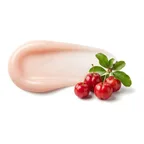 Acerola Extract
 Niacinamide
 Sodium Hyaluronate
 Tocopheryl Acetate
Average
- HighCombination Skin Fit
- AverageEffectiveness
- ExcellentSafety
Works for acne-prone skin; other serums fit it better.
This fit is calculated for the concerns frequently associated with acne-prone skin: breakouts, blackheads, and post-acne marks. For scores and recommendations based on your full skin profile, including your 12D face scan results and any goals or preferences you have, please use the Lovi app.
Updated How the Fit score works
Lovi Assistant explains
- Offers moderate brightening and evening of skin tone for your combination skin, as Sodium Ascorbyl Phosphate and Ascorbic Acid provide antioxidant benefits and support seboregulation. Niacinamide further aids in balancing oil production, making it suitable for your skin type.
- While the formula provides general hydration and antioxidant support, it lacks targeted ingredients like salicylic acid to effectively address your acne, blemishes, and breakouts.
- The product is safe for your acne-prone skin, with Tocopheryl Acetate and Panthenol offering soothing benefits and no harsh ingredients present.
Buy online

Prices checked 20 Nov 2026
The Lovi Fit is the same in every country; only the stores and prices differ, and the ones here are for Europe.
How to apply
- Use your serum as part of your PM routine and start 3x/week before working up to daily use.
- Apply this treatment after cleansing and toner, and before your moisturizer.
- Gently press 2-3 drops of the serum into your skin and let it absorb for a minute.
- Apply the product on clean, dry skin to help manage your breakouts safely.
- Avoid the eye area and do a patch test before your first use.
People Say
★4.6Overall rating based on 1.1k+ reviewsBased on a very large amount of data, users frequently praise this serum for its ability to brighten dull complexions and fade hyperpigmentation, often noting a radiant, glowy effect without rapid oxidation. Many find its lightweight texture hydrating and suitable for daily use. A smaller number of users with sensitive skin reported breakouts or a slightly tacky finish.
Highlights
Brightens skin Mostly Mentioned
- “visibly brightens within first few uses”
- “helps with dark spots”
- “result is 10 years off”
Lightweight texture Often Mentioned
- “absorbs really well”
- “glides on easily”
- “light and watery”
Hydrating Sometimes Noted
- “hydrates my skin quite a bit”
- “leaves skin hydrated and smooth”
- “plumper and softer”
Stable formula Sometimes Noted
- “stable source of vitamin C”
- “doesn't degrade easily”
- “light-stable and oxygen-stable”
Sticky finish Sometimes Noted
- “slightly sticky”
- “agak tacky”
- “feels sticky”
Causes breakouts Rarely Noted
- “face and neck break out”
- “bumps and pimples”
- “experienced a reaction”
Stinging sensation Rarely Noted
- “stings a little”
- “cekat cekit”
- “tingling sensation”
Unpleasant scent Rarely Noted
- “smell is out of this world”
- “scent is specific”
Sources: lovi.care, iherb.com, yesstyle.com, sokoglam.com, neogenlab.us, influenster.com, and more
Questions and answers
How well does Neogen Real Vita C Serum work for acne-prone skin?
This serum works for your acne-prone skin by balancing oil and offering soothing antioxidant support, though it lacks targeted blemish-fighting ingredients. A product of this type needs effective ingredients like salicylic acid or zinc PCA for acne, along with niacinamide and soothing agents to clear breakouts and maintain balance without irritation.
Drug Research, 2017Contemporary Clinical Trials Communications, 2021
What does Vitamin C do for acne-prone skin?
Vitamin C helps clear up inflammatory breakouts and reduces acne spots when used consistently. It works by targeting acne-causing factors and calming the skin to make it look smoother and more even.
International Journal of Cosmetic Science, 2009Journal of Cosmetic Dermatology, 2010
What does Acerola Extract do for acne-prone skin?
Acerola Extract helps protect acne-prone skin from oxidative damage and may reduce inflammation, though a product of this type for acne also needs ingredients that clear pores and balance oil.
Where does this serum go in a skincare routine for acne-prone skin?
This treatment serum goes in the evening routine after your cleansing toner and before your moisturizer. A product of this type needs targeted ingredients like salicylic acid to effectively address breakouts and clear acne-prone skin.
Can I use this serum with retinol, and in what order?
You can use this serum with retinol by applying the serum first and following with your retinol. Because this product is safe for your skin with soothing ingredients, it is unlikely to cause irritation when layered carefully.
How often should I use this serum?
You can use this serum in your evening routine, applying it once a day or a few times a week as your skin adjusts. The formula is safe for your skin and helps balance oil, but acne-prone skin also needs targeted ingredients like salicylic acid to effectively clear breakouts.
Drug Research, 2017Contemporary Clinical Trials Communications, 2021
Can this serum clog pores, cause breakouts or purging for acne-prone skin?
This serum is unlikely to cause breakouts for acne-prone skin because it has a safe formula with soothing ingredients and a low rate of complaints, though it may leave a sticky finish. It lacks targeted blemish-fighting ingredients like salicylic acid, so acne-prone skin often needs a formula with exfoliating acids and oil-balancing ingredients to stay clear.
What the research says
Combined ascorbyl palmitate and sodium ascorbyl phosphate treatment significantly reduced facial sebum secretions in healthy female volunteers compared to a placebo control over 90 days.
Drug Research, 2017Topical application of 5% vitamin C cream significantly improved global clinical scores, increased skin microrelief density, and induced elastic tissue repair in photoaged skin compared to excipient control in healthy female volunteers.
Experimental Dermatology, 2003Topical combination of 5% sodium ascorbyl phosphate and 0.2% retinol reduced inflammatory acne lesions by 29.28% at 4 weeks and 63.10% at 8 weeks, outperforming either agent alone.
International Journal of Cosmetic Science, 2009Dermatological products containing d-alpha tocopheryl acetate showed non-comedogenic potential with less than a 50% increase in microcomedones in 12 healthy male subjects compared to octyl palmitate.
Contemporary Clinical Trials Communications, 2021Topical dexpanthenol acts as a moisturizer, improves stratum corneum hydration, accelerates wound healing and epidermal regeneration, reduces erythema, and improves symptoms of skin irritation compared to vehicle or no pretreatment.
American Journal of Clinical Dermatology, 2002Topical application of VC-IP cream twice daily for 8 weeks reduces periorbital wrinkles in female subjects compared to a placebo cream.
Journal of Cosmetic Dermatology, 2022Topical treatment with 5% vitamin C and 0.1% madecassoside significantly improved clinical scores for wrinkles, suppleness, firmness, roughness, and skin hydration, along with functional and structural remodeling of the elastic fiber network in 20 female volunteers with photoaged skin after 6 months compared to baseline.
Experimental Dermatology, 2008Topical ascorbic acid application resulted in a statistically significant improvement in Ra and shadows north-south facial axis values as well as clinical, photographic, and patient self-appraisal scores compared with vehicle control in nineteen patients with mild to moderately photodamaged facial skin.
Archives of Otolaryngology--head & Neck Surgery, 1999Combining 20% trichloroacetic acid peel with topical 5% ascorbic acid significantly decreases MASI scores and improves or maintains therapeutic response compared to 20% trichloroacetic acid peel alone in women with epidermal melasma.
Journal of Cosmetic Dermatology, 2007Combining 20% TCA peel with topical 5% ascorbic acid significantly reduced MASI scores to 9.50 compared to 15.10 in the control group and improved quality of life in patients with epidermal melasma.
Journal of Clinical and Diagnostic Research, 2017Application of a 3% ascorbic acid oil-in-water emulsion significantly reduced oxidative stress, increased dermal papillae, and reduced fine lines and wrinkles in human skin compared to placebo and a vitamin C derivative.
Skin Pharmacology and Physiology, 2004Topical nicotinamide prevented solar-simulated UV-induced immunosuppression in healthy volunteers, and men experienced immunosuppression at solar-simulated UV doses three times lower than those required for women.
The Journal of Investigative Dermatology, 2008Topical 5% niacinamide applied twice daily for 12 weeks reduced fine lines and wrinkles, hyperpigmented spots, red blotchiness, and skin sallowness, and improved skin elasticity compared to vehicle control in 50 female white subjects with facial photoaging.
Dermatologic Surgery, 2005Topical 2% niacinamide significantly decreased sebum excretion rate in Japanese individuals and casual sebum levels in Caucasian individuals compared to placebo or baseline.
Journal of Cosmetic and Laser Therapy, 2006Topical application of 0.1% hyaluronic acid formulations of different molecular weights led to significant improvements in skin hydration and elasticity, with low-molecular-weight formulations also significantly reducing wrinkle depth in seventy-six female subjects compared to a vehicle control.
Journal of Drugs in Dermatology, 2011Topical hyaluronic acid serum used twice daily by 40 females with facial photoaging produced an immediate 134% increase in skin hydration, a sustained 55% increase at week 6, and significant improvements in smoothness, plumping, fine lines, wrinkles, and global appearance without causing irritation.
Dermatology and Therapy, 2021A topical antioxidant serum significantly reduced air pollution-induced skin pigmentation and proinflammatory gene expression ex vivo, and improved skin aging signs in 40 healthy adult females after 90 days of daily use.
Journal of Cosmetic Dermatology, 2022A topical serum containing vitamin C, vitamin E, and raspberry leaf cell culture extract improved skin color, elasticity, radiance, smoothness, scaliness, and wrinkles compared to the untreated contralateral side in fifty female volunteers.
Journal of Cosmetic Dermatology, 2020A nighttime topical antioxidant containing resveratrol, baicalin, and vitamin E significantly improved fine lines, wrinkles, firmness, elasticity, laxity, hyperpigmentation, radiance, roughness, and dermal thickness in subjects with mild to moderately photodamaged skin over 12 weeks.
Journal of Drugs in Dermatology, 2014Tocopherol succinate-loaded ethosomal gel increased skin deposition, stability, moisture, and mechanical properties in 13 human subjects compared to a control gel over 12 weeks.
Journal of Cosmetic Dermatology, 2022
Why other serums fit acne-prone skin better
Co-delivery of paeonol and madecassoside via nanoemulsions improved transdermal delivery, promoted barrier repair proteins, inhibited inflammatory cytokine secretion in cellular and 3D models, and reduced transepidermal water loss and acne in human facial skin compared to free components.
Molecules, 2023
Ingredients
Water, Sodium Ascorbyl Phosphate, Isopentyldiol, 1,2-Hexanediol, Niacinamide, Dipropylene Glycol, Butylene Glycol, Acerola Fruit Extract, Citrus Unshiu Peel Extract, Citrus Aurantifolia Fruit Extract, Lemon Fruit Extract, Brassica Oleracea Italica Extract, Hippophae Rhamnoides Extract, Citrus Aurantium Dulcis Fruit Extract, Grapefruit Fruit Extract, Ascorbic Acid, Citric Acid, Octyldodeceth-16, Xanthan Gum, Bergamot Oil Fruit, Sodium Metabisulfite, Ethylhexylglycerin, Coptis Japonica Extract, Dextrin, Theobroma Cacao Extract, Sodium Hyaluronate, Tocopheryl Acetate, Panthenol, Disodium Edta, Limonene, Linalool
Behind this fit score
Lovi calculates every fit score from the full ingredient list with brand-independent rules our dermatologists and cosmetic chemists build and review, and personalizes every pick with AI trained on the real results of millions of users. Lovi trains its fit score models on a proprietary dataset built from more than 10,000 expert-labeled products and more than 100,000 simulated examples, following an internally consistent methodology presented at Cosmoprof, AMWC, and Skin of Color Update.
-

Co-founder, Medical Director
Cosmetic chemist, cosmetologist, aesthetic products developer
-

Co-founder, CEO and CTO
PhD in computer science, 3x US patent holder, ex-Google, ex-Yandex
-

Dr. Sofía Perea Pérez, MD, MSc
Medical Board
Aesthetic medicine practitioner, MSc in Longevity and Anti-Aging Medicine
-

Medical Board
Specialist dermatologist, MBBS, MD, IFAAD
-

Medical Board
Cosmetic chemist, SCS, IFSCC member
-

Medical Board, Medical Advisor
Dermatology MD
-

Elina Nazarenko, MD
Medical Board
Dermatology and diagnostic consultant
-

Victoria Derkova, MS
Medical Board
Cosmetic chemist, cosmetic development technologist


How does it fit your skin?
Scan your face, then any product: Lovi shows how well it fits you and what fits even better.