
NATURIUM Tranexamic Topical Acid 5% for acne-prone skin

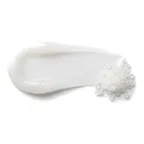 Tranexamic Acid
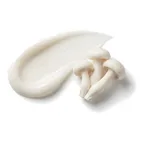 Kojic Acid
 Niacinamide
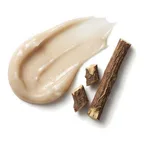 Licorice Root
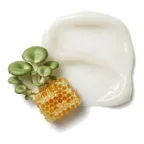 Panthenol
High
- HighCombination Skin Fit
- HighEffectiveness
- HighSafety
A great choice for acne-prone skin; a few serums fit it even better.
This fit is calculated for the concerns frequently associated with acne-prone skin: breakouts, blackheads, and post-acne marks. For scores and recommendations based on your full skin profile, including your 12D face scan results and any goals or preferences you have, please use the Lovi app.
Updated How the Fit score works
Lovi Assistant explains
- Offers high suitability for your combination skin, as tranexamic acid and niacinamide work to regulate sebum production and melanogenesis, effectively addressing your acne, blemishes, and breakouts. Glycyrrhiza glabra root extract and tremella fuciformis sporocarp extract further support skin tone evening and hydration.
- The formulation is safe for your combination skin, containing no harsh or prohibited ingredients that could cause irritation.
- This product provides excellent brightening and evening of skin tone, targeting hyperpigmentation with moderate concentrations of tranexamic acid and kojic acid.
How to apply
- Use your serum as part of your PM routine and start 3x/week before working up to daily use.
- Apply this treatment after cleansing and toner, and before your moisturizer.
- Gently press 2-3 drops of the serum into your skin and let it absorb for a minute.
- Apply the product on clean, dry skin to help manage your breakouts safely.
- Avoid the eye area and do a patch test before your first use.
People Say
★4.3Overall rating based on 600+ reviewsUsers primarily rely on this serum to treat post-inflammatory hyperpigmentation and melasma, with many reporting a noticeable reduction in dark spots and an overall brighter complexion within 4-8 weeks. While the lightweight formula is widely praised for being gentle and effective for sensitive skin, a subset of users experienced breakouts or found the product ineffective for older, stubborn discoloration.
Highlights
Fades dark spots Mostly Mentioned
- “Hyperpigmentation from acne greatly diminished”
- “Spots faded away after a month”
- “Fading fresh acne scars”
Brightens skin tone Often Mentioned
- “Skin looks so bright”
- “Noticeably brighter and more even”
- “Visually even and improve the skin”
Lightweight texture Often Mentioned
- “Absorbs well”
- “Smooth and light”
- “Layers well with other serums”
Gentle and non-irritating Sometimes Noted
- “Did not sting my skin”
- “Calming and supporting”
- “Great for sensitive skin”
Caused breakouts Sometimes Noted
- “Made me breakout”
- “Kept breaking out”
- “Caused cystic acne”
Ineffective for some Sometimes Noted
- “Didn't do anything”
- “No difference after months”
- “Old marks didn't fade”
Product oxidation Rarely Noted
- “Came cloudy and brown”
- “Product had oxidized”
- “Arrived expired”
Unpleasant scent Rarely Noted
- “Smelly”
- “Has a scent like a rose/chemical”
- “Smells like barbecue sauce (oxidized)”
Sources: lovi.care, naturium.com, target.com, ulta.com, sokoglam.com, reddit.com, and more
Questions and answers
What makes Naturium Tranexamic Topical Acid 5% a great fit for acne-prone skin?
Naturium Tranexamic Topical Acid 5% is a great fit for acne-prone skin because tranexamic acid and niacinamide help regulate oil production and target blemishes. The formula also includes licorice root and tremella mushroom extract to support hydration and even out skin tone without causing irritation.
Which ingredients make this serum a good fit for acne-prone skin?
Naturium Tranexamic Topical Acid 5% is a great fit for acne-prone skin because tranexamic acid and niacinamide help regulate oil production and clear up breakouts. Licorice root and tremella mushroom extract also help soothe the skin and keep it hydrated without causing irritation.
What does Tranexamic Acid do for acne-prone skin?
Tranexamic acid helps reduce inflammatory breakouts like papules and pustules when applied twice daily, and it may also calm skin redness. This ingredient works well for acne-prone skin because it targets blemishes while maintaining a very gentle safety profile.
Journal of Cosmetic Dermatology, 2022Journal of Research in Medical Sciences, 2023
Where does this serum go in a skincare routine for acne-prone skin?
This treatment goes in the evening routine, after cleansing and before moisturizing, for simplicity and extra safety around sun exposure. It is unlikely to cause irritation because the formulation is safe and free from harsh or prohibited ingredients.
Can I use it with retinol, and in what order?
You can use this treatment with retinol by applying the retinol first at night and following with this product, or by alternating nights to keep your skin calm. This helps you target breakouts and uneven tone safely without overwhelming sensitive skin.
How often should I use it?
Use this treatment in your evening routine, starting just once a week and slowly using it more often if your skin handles it well. Tranexamic acid and niacinamide help regulate oil and target breakouts safely without harsh irritation.
Can this serum clog pores, cause breakouts or purging for acne-prone skin?
This serum is unlikely to cause breakouts for acne-prone skin, as it contains no harsh ingredients and uses niacinamide to help balance oil production. Reviewers sometimes report breakouts, but the formula has a high overall suitability for keeping skin calm and clear.
Is it fragrance-free and alcohol-free?
Yes, it has no fragrance and no drying alcohol.
What the research says
Niacinamide significantly decreased hyperpigmentation and increased skin lightness compared with vehicle alone after 4 weeks of use in women by inhibiting melanosome transfer.
The British Journal of Dermatology, 2002Tremella fuciformis polysaccharides effectively alleviate UVA-induced photodamage in human dermal fibroblasts by reducing ROS and MDA, increasing antioxidant enzyme activities, up-regulating Nrf2 while down-regulating Keap1 expression, and increasing collagen I, elastin, and hyaluronic acid content.
Journal of Cosmetic Dermatology, 2021Topical administration of 20% azelaic acid cream and 5% tranexamic acid solution comparably improved acne-related postinflammatory hyperpigmentation in patients with acne vulgaris, while tranexamic acid demonstrated a significantly better safety profile at week 4.
Journal of Research in Medical Sciences, 2023Topical 10% tranexamic acid serum reduced inflammatory acne counts, particularly papules and pustules, and decreased skin redness compared to placebo in 18 patients with mild-to-moderate acne over 8 weeks.
Journal of Cosmetic Dermatology, 2022A topical formulation containing kojic acid, emblica extract, and glycolic acid demonstrated efficacy parity compared with hydroquinone 4% in multiethnic participants with mild to moderate facial dyschromia.
Cutis, 2010Kojic acid is safe for use in cosmetic products up to a concentration of 1% because dermal sensitization and skin lightening would not be seen below that level.
International Journal of Toxicology, 2010Polymeric nanocapsules containing 0.1% kojic acid dipalmitate and 5% rosehip oil formulated with PLGA demonstrated high stability, antioxidant and tyrosinase-inhibiting activities, and a 25% melanin reduction in normal human epidermal melanocytes.
ACS Omega, 2025Topical nicotinamide prevented solar-simulated UV-induced immunosuppression in healthy volunteers, and men experienced immunosuppression at solar-simulated UV doses three times lower than those required for women.
The Journal of Investigative Dermatology, 2008Topical 5% niacinamide applied twice daily for 12 weeks reduced fine lines and wrinkles, hyperpigmented spots, red blotchiness, and skin sallowness, and improved skin elasticity compared to vehicle control in 50 female white subjects with facial photoaging.
Dermatologic Surgery, 2005Topical 2% niacinamide significantly decreased sebum excretion rate in Japanese individuals and casual sebum levels in Caucasian individuals compared to placebo or baseline.
Journal of Cosmetic and Laser Therapy, 2006Combining 755 nm alexandrite laser with topical licorice gel significantly reduces terminal hair counts compared to alexandrite laser with placebo in women with idiopathic hirsutism.
Evidence-based Complementary and Alternative Medicine, 2015Licochalcone A activated Nrf2 signaling, elevated cytoprotective enzymes, increased the reduced-to-oxidized glutathione ratio, and decreased reactive oxygen species in human fibroblasts and neutrophils, while a LicA-rich licorice extract lowered UVA-induced oxidative processes in vivo.
Experimental Dermatology, 2015Mesoporous silica nanoparticles entrapping licorice polysaccharide and coated with polydopamine showed 76% entrapment efficiency, 89% in vitro release at pH 5, increased sebocytes' cellular uptake, and mediated inflammatory response by inhibiting pro-inflammatory cytokines and regulating anti-inflammatory cytokines.
Carbohydrate Polymers, 2024Topical dexpanthenol formulated in lipophilic vehicles improved stratum corneum hydration and reduced transepidermal water loss compared to vehicle control in humans.
Arzneimittel-Forschung, 2000A combination serum containing galactomyces ferment filtrate, dexpanthenol, and Centella asiatica effectively treated post-acne hyperpigmentation in subjects with colored skin by significantly increasing lightness scores in Fitzpatrick skin type V and reducing the melanin index in Fitzpatrick skin type IV compared to placebo.
Skinmed, 2021Topical dexpanthenol acts as a moisturizer, improves stratum corneum hydration, accelerates wound healing and epidermal regeneration, reduces erythema, and improves symptoms of skin irritation compared to vehicle or no pretreatment.
American Journal of Clinical Dermatology, 2002
Ingredients
Water, Isopentyldiol, Tranexamic Acid, Propanediol, Citric Acid, Kojic Acid, Niacinamide, Hydroxyacetophenone, Isododecane, Polyacrylate Crosspolymer-6, Glycyrrhiza Glabra Root Extract Licorice Root Extract, Panthenol, Glycerin, Xanthan Gum, Tremella Fuciformis Sporocarp Extract, Phenoxyethanol, Ethylhexylglycerin, Betaine, Sodium Hyaluronate, Sodium Phytate, Potassium Sorbate, Tocopherol
Behind this fit score
Lovi calculates every fit score from the full ingredient list with brand-independent rules our dermatologists and cosmetic chemists build and review, and personalizes every pick with AI trained on the real results of millions of users. Lovi trains its fit score models on a proprietary dataset built from more than 10,000 expert-labeled products and more than 100,000 simulated examples, following an internally consistent methodology presented at Cosmoprof, AMWC, and Skin of Color Update.
-

Co-founder, Medical Director
Cosmetic chemist, cosmetologist, aesthetic products developer
-

Co-founder, CEO and CTO
PhD in computer science, 3x US patent holder, ex-Google, ex-Yandex
-

Dr. Sofía Perea Pérez, MD, MSc
Medical Board
Aesthetic medicine practitioner, MSc in Longevity and Anti-Aging Medicine
-

Medical Board
Specialist dermatologist, MBBS, MD, IFAAD
-

Medical Board
Cosmetic chemist, SCS, IFSCC member
-

Medical Board, Medical Advisor
Dermatology MD
-

Elina Nazarenko, MD
Medical Board
Dermatology and diagnostic consultant
-

Victoria Derkova, MS
Medical Board
Cosmetic chemist, cosmetic development technologist


How does it fit your skin?
Scan your face, then any product: Lovi shows how well it fits you and what fits even better.