
mixsoon Bean Toner for sensitive skin

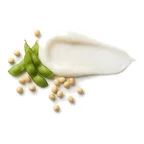 Glycine Seed Extract Soybean Seed Extract
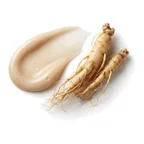 Lactobacillus Panax Ginseng Root Ferment Filtrate
 Glycerin
 Allantoin
 Betaine
High
- HighNormal Skin Fit
- HighEffectiveness
- ExcellentSafety
A great choice for sensitive skin; a few toners fit it even better.
This fit is calculated for the concerns frequently associated with sensitive skin: redness, stinging, and reactions to new products. For scores and recommendations based on your full skin profile, including your 12D face scan results and any goals or preferences you have, please use the Lovi app.
Updated How the Fit score works
Lovi Assistant explains
- Excellent for your normal, sensitive skin as glycerin and soybean seed extract provide superior hydration and soothing effects, directly addressing your redness and irritation.
- Betaine and allantoin further enhance the calming and moisturizing benefits, ensuring comfort and balance for your skin.
- The formula is safe for sensitive skin, containing no harsh ingredients and featuring beneficial components like glycerin and allantoin.
Buy online

Prices checked 20 Nov 2026
The Lovi Fit is the same in every country; only the stores and prices differ, and the ones here are for Europe.
How to apply
- Use your hydrating toner in both your AM and PM routines. Start 3 times per week and move to daily use if your skin feels good.
- Apply your hydrating toner right after cleansing and before putting on your moisturizer or SPF.
- Gently press 2-3 drops of the hydrating toner into your skin and let it absorb for a minute before the next step.
- For sensitive skin, apply the hydrating toner on dry skin to keep it calm and comfortable.
- Always do a patch test before your first use and avoid the sensitive eye area.
People Say
★4.8Overall rating based on 100+ reviewsBased on limited data, users consistently describe this toner as an incredibly lightweight and watery formula that excels at soothing sensitive and acne-prone skin. It is praised for providing immediate hydration and strengthening the skin barrier without leaving any sticky residue, though some with very dry skin may find it too light on its own.
Highlights
Lightweight & fast Often Mentioned
- “texture is like water”
- “absorbs almost instantly”
- “not sticky”
- “lightweight watery toner”
Soothing & calming Often Mentioned
- “calms irritation”
- “soothes sensitive skin”
- “reduces discomfort”
- “great for redness”
Gentle & unscented Sometimes Noted
- “no smell”
- “does not cause acne”
- “gentle on sensitive skin”
- “non-irritating”
Hydrating Sometimes Noted
- “instantly replenishes moisture”
- “leaves skin plump”
- “refreshing hydration”
- “good moisture balance”
Too watery Sometimes Noted
- “runs out quickly”
- “too watery”
- “hard to control dispensing”
- “flies away quickly”
Not enough moisture Rarely Noted
- “too light for dry skin”
- “need to layer it”
- “better for oily skin”
- “not rich enough”
Price vs. volume Rarely Noted
- “runs out fast”
- “expensive for water texture”
- “bottle empties quickly”
Sources: lovi.care, iherb.com, sokoglam.com, stylekorean.com, global.oliveyoung.com, yesstyle.com, and more
Questions and answers
What makes mixsoon Bean Toner a great fit for sensitive skin?
Mixsoon Bean Toner is a great fit because glycerin and soybean seed extract provide superior hydration and soothing effects to calm redness and irritation. Betaine and allantoin further enhance these comforting benefits, ensuring your skin stays balanced with no harsh ingredients.
Which ingredients make this toner a good fit for sensitive skin?
This toner is a great fit because glycerin and soybean seed extract provide deep hydration and soothing effects that help calm redness and irritation. Betaine and allantoin further enhance these calming and moisturizing benefits, making the formula safe and comfortable for your skin.
What does Glycine Seed Extract do for sensitive skin?
Glycine seed extract helps calm sensitive skin by soothing irritation and supporting skin barrier recovery. It is unlikely to cause irritation and may protect against environmental skin damage.
Journal of Cosmetic Dermatology, 2025Journal of Cosmetic Science, 2008
What does Lactobacillus Ginseng Root Ferment Filtrate do for sensitive skin?
Lactobacillus Ginseng Root Ferment Filtrate helps calm and soothe sensitive skin while supporting a strong skin barrier. Fermented ginseng extracts are well tolerated and may reduce skin irritation and redness compared to unfermented ingredients.
Where does it go in a skincare routine for sensitive skin?
This toner goes right after cleansing, both morning and evening, to help calm and hydrate sensitive skin. It fits smoothly into your daily routine before any treatments or moisturizers.
The Journal of Dermatological Treatment, 2022Clinical, Cosmetic and Investigational Dermatology, 2017
Can I use this toner with retinol, and in what order?
You can use this toner with retinol by applying the toner first to soothe and hydrate your skin before using your retinol treatment. This layering helps keep your skin comfortable and balanced while you use stronger products.
How often should I use it?
You can use this toner daily in both your morning and evening routines as it is gentle and safe for sensitive skin. Glycerin and soybean seed extract help provide soothing hydration, while betaine and allantoin calm redness and irritation.
Can this toner clog pores, cause breakouts or purging for sensitive skin?
This toner is unlikely to clog pores or cause breakouts for sensitive skin because its formula avoids harsh ingredients and focuses on soothing and hydrating components like glycerin and allantoin. It does not contain active ingredients that speed up skin shedding, so it will not cause purging.
Is it fragrance-free and alcohol-free?
Yes, it has no fragrance and no drying alcohol.
What the research says
A single application of a moisturizing fluid containing hyaluronic acid 1%, glycerin 5%, and Centella asiatica stem cells extract significantly increased skin hydration by 29% and reduced transepidermal water loss at 24 hours compared to baseline and an untreated control site in twenty healthy women.
Clinical, Cosmetic and Investigational Dermatology, 2017Soaps containing betaine caused the least skin irritation compared to other tested soaps in twenty-eight healthy subjects, though irritation did not decrease with increasing concentrations of betaine.
Skin Research and Technology, 2003Topical application of an isoflavone-containing emulsion significantly enhanced the number of dermal papillae per area after 2 weeks in human subjects, counteracting age-dependent changes by increasing collagen and hyaluronan synthesis.
Photochemistry and Photobiology, 2005Topical whitening agents showed limited efficacy on solar lentigines in Asian women, providing a modest lightening effect only with a stabilized soy extract and better response on subclinical mottled skin.
Dermatology, 2002Azelaic acid and soy extract led to significant skin lightening after a 3-week treatment in subjects with subclinical facial hypermelanosis, whereas glycolic acid showed an inconsistent effect.
Dermatology, 2000Enzyme-modified ginseng extract cream significantly reduced the global photo-damage score and various roughness measures including total roughness, smoothness depth, and arithmetic roughness average compared to placebo in 23 human subjects.
Rejuvenation Research, 2015A red ginseng hydrogel formulation with 1,2-hexanediol promoted selective growth of Staphylococcus epidermidis and decreased Cutibacterium acnes in 20 female subjects.
Journal of Ginseng Research, 2022A cream containing 0.1% ginsenoside F1 demonstrated a skin-whitening effect on artificially tanned human skin after 8 weeks by enhancing interleukin-13 production from epidermal gamma-delta T cells, which subsequently suppressed tyrosinase and DCT expression and melanin synthesis in melanocytes.
Experimental Dermatology, 2014The emollient V0034CR significantly reduced TEWL compared to vehicle and vehicle plus glycerol, and significantly increased corneometry scores compared to vehicle and vehicle plus petrolatum in healthy volunteers with dry skin, demonstrating combined barrier function improvement from petrolatum and hydration improvement from glycerol.
Journal of Cosmetic Dermatology, 2020Ten days of treatment with a cream containing 20% glycerin significantly increased skin hydration measured by corneometer values in 17 healthy volunteers compared to a placebo cream, but showed no influence on transepidermal water loss or skin sensitivity to an irritating surfactant.
International Journal of Cosmetic Science, 2001Niacinamide/glycerin body moisturizers provided better rapid and prolonged improvement of cosmetic xerosis through functional improvement of stratum corneum barrier function compared to no treatment and conventional moisturizers in female subjects.
Journal of Drugs in Dermatology, 2012The ThriveCo Bumps Eraser Kit increased skin hydration by 131.75%, reduced redness by 69.30%, decreased pigmentation by 35.77%, dropped itchiness by 92.63%, improved smoothness by 55.00%, reduced roughness by 148.54%, and decreased scaliness by 87.09% without adverse effects.
Cureus, 2025The combination of allantoin, bisabolol, D-panthenol and dipotassium glycyrrhizinate reduces UVB-induced PGE2, inflammatory cytokines, and mitochondrial superoxide in human epidermal keratinocytes.
International Journal of Cosmetic Science, 2024A combination of Aloe barbadensis leaf extract and trimethylglycine in a 1:1 mass ratio synergistically increased aquaporin 3 expression by up to 380% in keratinocytes and safely improved skin hydration in healthy volunteers.
Molecules, 2024Mixed surfactant systems of sodium dodecyl sulfate and dimethyl dodecyl amido betaine significantly reduce acute skin irritation potential in human volunteers compared with the individual surfactants, demonstrating that irritation potential cannot be predicted by simple summation.
Food and Chemical Toxicology, 1998Treatment of human skin and primary human keratinocytes with organic osmolytes such as betaine or taurine increased the expression of specific tight junction proteins and enhanced tight junction function.
The British Journal of Dermatology, 2021
Ingredients
Water, 2-Hexanediol, Glycereth-26, Glycerin, Glycine Seed Extract Soybean Seed Extract, Betaine, Allantoin, C12-14 Pareth-12, Ethylhexylglycerin, Disodium Edta, Citric Acid, Sodium Citrate, Propanediol, Lactobacillus Panax Ginseng Root Ferment Filtrate, Lactobacillus Rice Ferment, Lactobacillus Soybean Extract Ferment, Saccharomyces Coix Lacryma-Jobi Ma-Yuen Seed Ferment Filtrate, Saccharomyces Potato Extract Ferment Filtrate
Behind this fit score
Lovi calculates every fit score from the full ingredient list with brand-independent rules our dermatologists and cosmetic chemists build and review, and personalizes every pick with AI trained on the real results of millions of users. Lovi trains its fit score models on a proprietary dataset built from more than 10,000 expert-labeled products and more than 100,000 simulated examples, following an internally consistent methodology presented at Cosmoprof, AMWC, and Skin of Color Update.
-

Co-founder, Medical Director
Cosmetic chemist, cosmetologist, aesthetic products developer
-

Co-founder, CEO and CTO
PhD in computer science, 3x US patent holder, ex-Google, ex-Yandex
-

Dr. Sofía Perea Pérez, MD, MSc
Medical Board
Aesthetic medicine practitioner, MSc in Longevity and Anti-Aging Medicine
-

Medical Board
Specialist dermatologist, MBBS, MD, IFAAD
-

Medical Board
Cosmetic chemist, SCS, IFSCC member
-

Medical Board, Medical Advisor
Dermatology MD
-

Elina Nazarenko, MD
Medical Board
Dermatology and diagnostic consultant
-

Victoria Derkova, MS
Medical Board
Cosmetic chemist, cosmetic development technologist


How does it fit your skin?
Scan your face, then any product: Lovi shows how well it fits you and what fits even better.