
Mediheal E.G.T Essence Gel Eyefill Patch for sensitive skin

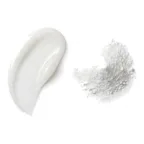 Oligopeptide-1, rh-oligopeptide-1
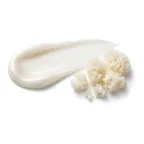 Hydrolyzed Collagen
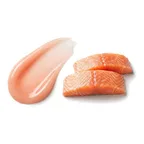 Salmon Extract
 Sodium Hyaluronate
Average
- HighNormal Skin Fit
- AverageEffectiveness
- HighSafety
Works for sensitive skin; other eye patches fit it better.
This fit is calculated for the concerns frequently associated with sensitive skin: redness, stinging, and reactions to new products. For scores and recommendations based on your full skin profile, including your 12D face scan results and any goals or preferences you have, please use the Lovi app.
Updated How the Fit score works
Lovi Assistant explains
- Offers moderate hydration and plumping for normal skin, as Glycerin and Sodium Hyaluronate attract moisture while Palmitoyl Tripeptide-1 and Acetyl Hexapeptide-8 work to smooth fine lines.
- While the product provides general skincare benefits, it lacks specialized ingredients like niacinamide or azelaic acid to effectively target your specific concerns of redness and irritation.
- The safety profile is excellent, with Dipotassium Glycyrrhizate and Aloe Barbadensis Leaf Juice soothing the skin and ensuring no irritation for your sensitive skin.
People Say
★4.5Overall rating based on 100+ reviewsBased on limited data from approximately 50 reviews, users with dry, sensitive, and mature skin find these patches effective for immediate hydration and plumping of the under-eye area, often using them as a quick fix before events. While many appreciate the cooling, depuffing, and gentle effects, some note that the results are temporary and do not offer long-term wrinkle reduction. The patches generally adhere well and are suitable for sensitive skin, though some users find them a bit pricey and note concerns about packaging waste.
Highlights
Hydrating and plumping Often Mentioned
- “visibly plumped after using”
- “moisturizes around the eyes”
- “treats dry lines”
- “gives fullness”
Cooling and depuffing Sometimes Noted
- “relieves swelling”
- “cools and soothes”
- “refreshing for puffy eyes”
- “calming sensation”
Gentle on sensitive skin Sometimes Noted
- “don't irritate my sensitive eyes”
- “suitable for delicate skin”
- “no reaction”
- “odorless”
Good adhesion Sometimes Noted
- “sticks to the skin quite well”
- “did not slide off”
- “stayed in place nicely”
- “don't shift under mask”
Price and value Sometimes Noted
- “a little expensive for 5 units”
- “price is expensive”
- “wish they were less expensive”
Temporary results Sometimes Noted
- “only lasts for the event”
- “didn't see any improvement”
- “no physical difference in dark rings”
- “temporary fix”
Convenient packaging Rarely Noted
- “perfect for travel”
- “individually packed”
- “keeps them fresh”
- “hygienic packaging”
Hard to handle Rarely Noted
- “difficulty getting patches out”
- “slippery to handle”
- “hard to separate”
Mild stinging Rarely Noted
- “stings a little at first”
- “tingling sensation”
- “slight burn”
Packaging waste Rarely Noted
- “lot of plastic in packaging”
- “too much packaging”
- “wasteful”
Sources: lovi.care, iherb.com, yesstyle.com, oceanbuy.ca, reddit.com, wizaz.pl, and more
Questions and answers
How well does Mediheal E.G.T Essence Gel Eyefill Patch work for sensitive skin?
This eye patch is an average fit for your sensitive skin because it lacks specialized ingredients like niacinamide to effectively target redness and irritation. An eye patch for this skin needs soothing and calming ingredients like Centella Asiatica and niacinamide to better address redness and irritation.
Which ingredients make this patch a good fit for sensitive skin?
Dipotassium Glycyrrhizate and Aloe Barbadensis Leaf Juice make this patch a safe fit for sensitive skin by soothing it and ensuring no irritation, though this skin type also needs ingredients like niacinamide or azelaic acid to effectively target redness.
What does EGF do for sensitive skin?
EGF helps calm sensitive skin and supports the skin barrier by reducing redness and irritation. It also helps manage inflammation, making the skin feel more comfortable.
Journal of Cosmetic Dermatology, 2025Scientific Reports, 2018
Where does it go in a skincare routine for sensitive skin?
This eye patch is generally safe for your sensitive skin, but it lacks ingredients like niacinamide or azelaic acid to properly target your redness and irritation. To fit this skin type better, products of this type need soothing ingredients like aloe vera or calming plant extracts that help calm redness.
Can I use this patch with retinol, and in what order?
You can use this patch with retinol by applying the patch after your retinol absorbs, or on alternate nights to keep your sensitive skin calm. The safe formula is unlikely to cause irritation, but this type of product for sensitive skin also needs calming ingredients like niacinamide or azelaic acid to target redness.
How often should I use it?
This product is suitable for sensitive skin, but since it provides only average fit, a product of this type needs soothing ingredients like niacinamide or azelaic acid to effectively calm redness and irritation.
Can this patch clog pores, cause breakouts or purging for sensitive skin?
This patch is unlikely to clog pores or cause breakouts for sensitive skin. Its very safe formula includes soothing ingredients like aloe and licorice root extract to help keep skin calm without irritation.
Is it fragrance-free and alcohol-free?
Yes, it has no fragrance and no drying alcohol.
What the research says
Argireline treatment twice daily for 4 weeks produced a significant anti-wrinkle effect with 48.9% total efficacy and decreased skin roughness in Chinese subjects compared with 0% efficacy and no decrease in roughness in the placebo group.
American Journal of Clinical Dermatology, 2013Treatment with cross-linked hyaluronic acid-based microneedle patches combined with acetyl hexapeptide-8 or epidermal growth factor significantly improved wrinkles and skin hydration compared to the patch alone in Korean females over 29 days.
Annals of Dermatology, 2019Argireline applied twice daily for 4 weeks achieved a total anti-wrinkle efficiency of 48.9% and notably reduced wrinkle depth compared to placebo in Chinese subjects.
Journal of Cosmetic and Laser Therapy, 2013A cream combining propolis, tea tree oil, and Aloe vera reduced erythema scars, acne severity index, and total lesion count better than erythromycin cream in sixty patients with mild to moderate acne vulgaris compared to placebo.
Clinical Pharmacology, 2018Small extracellular vesicles derived from Aloe vera peels exhibited antioxidant activity, reduced intracellular ROS levels, enhanced human skin cell migration, and upregulated antioxidant-related gene expression in H2O2-treated human keratinocytes.
Tissue Engineering and Regenerative Medicine, 2021Topical epidermal growth factor ointment significantly improved acne lesions and scars compared to vehicle ointment in 36 patients with mild to moderate acne vulgaris.
Dermatology, 2022A non-hydroquinone topical formulation (SKNB19) improved hyperpigmentation by 28.5% in patient self-assessment and 27% in independent reviewer assessment compared with 4% hydroquinone in 18 adult subjects, while showing significantly less irritation and better tolerability.
Journal of Cosmetic Science, 2020Recombinant epidermal growth factor combined with hyaluronic acid serum significantly improved skin smoothness, firmness, fine lines, radiance, overall appearance, and reduced transepidermal water loss compared to fibroblast-conditioned media serum in females with mild to moderate photoaging.
Journal of Drugs in Dermatology, 2016Topical application of TAC/Collagen postbiotics gel improved skin moisture score and inflammation index, and reduced porphyrins and brown spots in 20 volunteers with acne vulgaris.
Journal of Cosmetic Dermatology, 2022Topical collagen tripeptide application improved skin wrinkles, elasticity, and density while reducing advanced glycated end products in 22 Asian women over 4 weeks.
International Journal of Molecular Sciences, 2022Marine collagen extracted from Greenland halibut skin showed a non-cytotoxic effect on fibroblast cells and provided a slight skin hydration effect when incorporated into cosmetic hydrogel formulations at dosages of 0.1, 0.25, and 0.5% in 23 healthy volunteers.
Marine Drugs, 2023Topical application of Low-Peony PDRN enhanced barrier recovery and improved periorbital skin elasticity in human subjects.
International Journal of Molecular Sciences, 2025Polydeoxyribonucleotide promotes skin regeneration by increasing ERK phosphorylation, collagen accumulation, and cell proliferation and migration in fibroblasts while inhibiting ERK phosphorylation and inflammatory cytokine expression in keratinocytes.
Molecular Medicine Reports, 2023Plant-derived polydeoxyribonucleotide from Panax ginseng promoted skin wound healing and enhanced the skin barrier by stimulating keratinocyte and fibroblast proliferation in skin cells and an artificial skin model.
Molecules, 2023Topical application of 0.1% hyaluronic acid formulations of different molecular weights led to significant improvements in skin hydration and elasticity, with low-molecular-weight formulations also significantly reducing wrinkle depth in seventy-six female subjects compared to a vehicle control.
Journal of Drugs in Dermatology, 2011Topical hyaluronic acid serum used twice daily by 40 females with facial photoaging produced an immediate 134% increase in skin hydration, a sustained 55% increase at week 6, and significant improvements in smoothness, plumping, fine lines, wrinkles, and global appearance without causing irritation.
Dermatology and Therapy, 2021A topical antioxidant serum significantly reduced air pollution-induced skin pigmentation and proinflammatory gene expression ex vivo, and improved skin aging signs in 40 healthy adult females after 90 days of daily use.
Journal of Cosmetic Dermatology, 2022
Ingredients
Water, Glycerin, 1,2-Hexanediol, Ceratonia Siliqua Gum, Chondrus Crispus Extract, Peg-60 Hydrogenated Castor Oil, Dipotassium Glycyrrhizate, Honey Extract, Brassica Oleracea Italica Extract, Morinda Citrifolia Extract, Salmon Egg Extract, Butylene Glycol, Adenosine, Disodium Edta, Ascorbyl Glucoside, Aloe Barbadensis Leaf Juice, Dipalmitoyl Hydroxyproline, Chlorella Vulgaris Extract, Hydrolyzed Collagen, Palmitic Acid, Ubiquinone, Potassium Hydroxide, Carbomer, Sodium Hyaluronate, Polysorbate 20, Citric Acid, Potassium Sorbate, Sodium Benzoate, Palmitoyl Tripeptide-1, Acetyl Hexapeptide-8, Palmitoyl Tetrapeptide-7
Behind this fit score
Lovi calculates every fit score from the full ingredient list with brand-independent rules our dermatologists and cosmetic chemists build and review, and personalizes every pick with AI trained on the real results of millions of users. Lovi trains its fit score models on a proprietary dataset built from more than 10,000 expert-labeled products and more than 100,000 simulated examples, following an internally consistent methodology presented at Cosmoprof, AMWC, and Skin of Color Update.
-

Co-founder, Medical Director
Cosmetic chemist, cosmetologist, aesthetic products developer
-

Co-founder, CEO and CTO
PhD in computer science, 3x US patent holder, ex-Google, ex-Yandex
-

Dr. Sofía Perea Pérez, MD, MSc
Medical Board
Aesthetic medicine practitioner, MSc in Longevity and Anti-Aging Medicine
-

Medical Board
Specialist dermatologist, MBBS, MD, IFAAD
-

Medical Board
Cosmetic chemist, SCS, IFSCC member
-

Medical Board, Medical Advisor
Dermatology MD
-

Elina Nazarenko, MD
Medical Board
Dermatology and diagnostic consultant
-

Victoria Derkova, MS
Medical Board
Cosmetic chemist, cosmetic development technologist


How does it fit your skin?
Scan your face, then any product: Lovi shows how well it fits you and what fits even better.