
Medicube Zero Pore Cream 2.0 for sensitive skin

 Niacinamide
 Salicylic Acid
 Sodium Hyaluronate
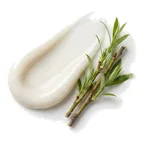 Willow Bark Extract
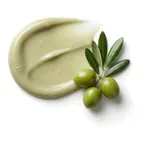 Oil Tree
Average
- HighNormal Skin Fit
- AverageEffectiveness
- ExcellentSafety
Works for sensitive skin; other serums fit it better.
This fit is calculated for the concerns frequently associated with sensitive skin: redness, stinging, and reactions to new products. For scores and recommendations based on your full skin profile, including your 12D face scan results and any goals or preferences you have, please use the Lovi app.
Updated How the Fit score works
Lovi Assistant explains
- Offers moderate pore minimizing and soothing benefits for your normal skin, as niacinamide and centella asiatica extract help to refine pores and calm irritation. Panthenol and glycerin provide essential hydration and support your skin barrier, which is beneficial for your sensitivity.
- The formula is generally safe for your normal skin with sensitivity, as it lacks harsh ingredients and includes soothing components like Centella Asiatica Extract and Niacinamide.
- While the product offers general hydration and soothing effects that can support your redness and irritation, it is not specifically formulated to target these concerns directly.
How to apply
- Use your serum in the PM routine, starting 3 times a week before building up to daily use if your skin is happy.
- Apply the serum after cleansing and toning, but before putting on your moisturizer for the best results.
- Gently press 2-3 drops of the serum into your skin and wait a minute ⏱ for it to soak in.
- Since your skin is sensitive and easily irritated, apply the serum on completely dry skin to help keep it calm.
- Always do a patch test before your first use and avoid getting the serum too close to your eyes .
People Say
★4.6Overall rating based on 2.9k+ reviewsBased on a very large amount of data, users with combination and oily skin frequently praise this cream for its ability to balance sebum production while providing deep hydration without a sticky finish. Many report smoother skin texture and a fresh feeling. However, a significant number of reviewers note that visible reduction in pore size is subtle or non-existent despite the product's claims.
Highlights
Excellent hydration Mostly Mentioned
- “feels wonderfully hydrating without pilling”
- “rich moisturizer but absorbs well”
- “perfect for dehydrated oily skin”
Pleasant texture Often Mentioned
- “glides on smoothly”
- “fresh and non-sticky finish”
- “soft texture that absorbs fast”
Ineffective on pores Often Mentioned
- “didn't fade my pores as promised”
- “skeptical about pore-minimizing”
- “no huge difference noticed”
Sebum control Sometimes Noted
- “regulated sebum production”
- “nose less shiny throughout the day”
- “mattifies instantly”
Skin smoothing Sometimes Noted
- “skin feels velvety”
- “smoother complexion”
- “great base for makeup”
Strong scent Sometimes Noted
- “smells medicated”
- “has fragrance so not for sensitive skin”
- “scent is a bit overpowering”
Heavy for some Rarely Noted
- “feels more of a rich moisturizer”
- “bit on the oily side for summer”
- “felt heavy on my face”
Potential irritation Rarely Noted
- “felt dryness around eyes”
- “caused acne flare-ups for me”
- “tingling sensation was harsh”
Sources: lovi.care, yesstyle.com, iherb.com, stylekorean.com, hwahae.co.kr, reddit.com, and more
Questions and answers
How well does medicube Zero Pore Cream 2.0 work for sensitive skin?
This cream is an average fit for sensitive skin because while it provides helpful hydration and soothing benefits, it is not specifically targeted to address redness and irritation directly. Sensitive skin needs treatments that feature gentle, highly compatible ingredients designed to actively calm redness while strengthening the skin barrier without any risk of irritation.
American Journal of Clinical Dermatology, 2002Indian Journal of Pharmaceutical Sciences, 2016
Which ingredients make this cream a good fit for sensitive skin?
Panthenol, glycerin, centella asiatica extract, and niacinamide make this cream a good fit by helping to calm irritation, hydrate, and support the skin barrier. To fit sensitive skin even better, a product of this type needs effective ingredients that directly target redness and irritation while posing no risk of irritation.
American Journal of Clinical Dermatology, 2002Indian Journal of Pharmaceutical Sciences, 2016
What does Niacinamide do for sensitive skin?
Niacinamide helps calm sensitive skin and keeps it comfortable by supporting the skin barrier and reducing irritation. Clinical studies show that it is well tolerated and helps decrease redness and inflammation in reactive skin.
What does Salicylic Acid do for sensitive skin?
Salicylic acid may help clear breakouts and oily skin, but it can sometimes cause dryness and irritation on sensitive skin. Formulations using targeted delivery or mild cleansing technology are less likely to cause irritation while helping to keep pores clear.
Journal of Cosmetic Science, 2004Journal of Drugs in Dermatology, 2025
Where does this cream go in a skincare routine for sensitive skin?
This treatment goes in the evening routine after cleansing and toning, and before moisturizing. Sensitive skin needs a product of this type that focuses heavily on gentle hydration and calming ingredients to avoid irritation while supporting the skin barrier.
Can I use this cream with retinol, and in what order?
You can use this treatment with retinol by applying it after your retinol step, as the formula is generally safe and helps calm irritation. However, because this product contains salicylic acid, using them together may occasionally lead to dryness for sensitive skin, so you should introduce them slowly.
How often should I use this cream?
You can use this treatment once a week in the evening to see how your sensitive skin handles it, and then carefully use it more often if you tolerate it well. For this skin type, a product needs gentle calming ingredients like centella asiatica and barrier-supporting hydrators like glycerin and panthenol to keep redness and irritation away.
American Journal of Clinical Dermatology, 2002Indian Journal of Pharmaceutical Sciences, 2016
Can this cream clog pores, cause breakouts or purging for sensitive skin?
This cream is unlikely to clog pores or cause breakouts on sensitive skin, though it may feel a bit heavy for some people. A product of this type needs lightweight hydrators and calming ingredients like niacinamide, centella asiatica extract, and glycerin to keep sensitive skin smooth without feeling weighed down.
Indian Journal of Pharmaceutical Sciences, 2016Clinical, Cosmetic and Investigational Dermatology, 2017
Is this cream fragrance-free and alcohol-free?
Yes, it has no fragrance and no drying alcohol.
What the research says
Topical dexpanthenol acts as a moisturizer, improves stratum corneum hydration, accelerates wound healing and epidermal regeneration, reduces erythema, and improves symptoms of skin irritation compared to vehicle or no pretreatment.
American Journal of Clinical Dermatology, 2002Cosmetic formulations containing 5% Centella asiatica extract showed the best efficacy in improving skin moisture and decreasing transepidermal water loss, while also exhibiting antiinflammatory properties in 25 volunteers compared to baseline measurements.
Indian Journal of Pharmaceutical Sciences, 2016A single application of a moisturizing fluid containing hyaluronic acid 1%, glycerin 5%, and Centella asiatica stem cells extract significantly increased skin hydration by 29% and reduced transepidermal water loss at 24 hours compared to baseline and an untreated control site in twenty healthy women.
Clinical, Cosmetic and Investigational Dermatology, 2017Co-delivery of paeonol and madecassoside via nanoemulsions improved transdermal delivery, promoted barrier repair proteins, inhibited inflammatory cytokine secretion in cellular and 3D models, and reduced transepidermal water loss and acne in human facial skin compared to free components.
Molecules, 2023Topical nicotinamide prevented solar-simulated UV-induced immunosuppression in healthy volunteers, and men experienced immunosuppression at solar-simulated UV doses three times lower than those required for women.
The Journal of Investigative Dermatology, 2008Topical 5% niacinamide applied twice daily for 12 weeks reduced fine lines and wrinkles, hyperpigmented spots, red blotchiness, and skin sallowness, and improved skin elasticity compared to vehicle control in 50 female white subjects with facial photoaging.
Dermatologic Surgery, 2005Topical 2% niacinamide significantly decreased sebum excretion rate in Japanese individuals and casual sebum levels in Caucasian individuals compared to placebo or baseline.
Journal of Cosmetic and Laser Therapy, 2006A moisturizer containing licochalcone A, 1,2-decanediol, L-carnitine, and salicylic acid significantly reduced noninflammatory, inflammatory, and total acne lesion counts compared to a vehicle control in Thai patients during a 12-week maintenance phase.
BioMed Research International, 2020Treatment with 2% supramolecular salicylic acid hydrogel resulted in a regression and markedly improvement rate of 51.01% compared to 43.10% for Adapaline gel in patients with mild to moderate facial acne vulgaris, showing no significant difference in efficacy.
Journal of Cosmetic Dermatology, 2024Topical 5% benzoyl peroxide plus salicylic acid achieved the greatest lesion reduction at early 2 to 4 week time points compared to benzoyl peroxide, clindamycin, and combination benzoyl peroxide/clindamycin, while 5% benzoyl peroxide plus salicylic acid and combination benzoyl peroxide/clindamycin showed similar efficacy at 10 to 12 weeks in acne patients.
Journal of the American Academy of Dermatology, 2010Topical application of 0.1% hyaluronic acid formulations of different molecular weights led to significant improvements in skin hydration and elasticity, with low-molecular-weight formulations also significantly reducing wrinkle depth in seventy-six female subjects compared to a vehicle control.
Journal of Drugs in Dermatology, 2011Topical hyaluronic acid serum used twice daily by 40 females with facial photoaging produced an immediate 134% increase in skin hydration, a sustained 55% increase at week 6, and significant improvements in smoothness, plumping, fine lines, wrinkles, and global appearance without causing irritation.
Dermatology and Therapy, 2021A topical antioxidant serum significantly reduced air pollution-induced skin pigmentation and proinflammatory gene expression ex vivo, and improved skin aging signs in 40 healthy adult females after 90 days of daily use.
Journal of Cosmetic Dermatology, 2022A botanical face cleanser with hops and willow bark extract continuously reduced skin sebum levels without reactive seborrhea after treatment in 21 healthy volunteers compared to a sodium laureth sulfate cleanser, with neither cleanser causing skin irritation.
Journal of Cosmetic Dermatology, 2019Bioactive lipid nanocarriers co-loaded with willow bark or ivy leaf extracts and UV-filters provided pronounced UVA photoprotection up to an SPF-equivalent value of 13 and a maximum in vivo skin hydration effect of 97% when prepared with pomegranate oil.
Nanomaterials, 2022A topical serum containing 0.5% salicin applied twice daily reduced visible signs of skin aging, including wrinkles and tactile roughness, in 30 female subjects over 12 weeks compared to baseline.
Journal of Cosmetic Dermatology, 2010The incorporation of olive oil-loaded hydrogel particles into a cream formulation provides strong moisturizing properties and photoprotective potential when applied to healthy subjects.
Pharmaceutical Development and Technology, 2018Wild Olive Oil, Extra Virgin Olive Oil, and Virgin Olive Oil compared against liquid paraffin and rosehip oil showed that wild olive oil yielded the lowest perception of oiliness and the highest increase in skin elasticity among eight healthy volunteers.
Pharmaceutics, 2022
Why other serums fit sensitive skin better
Topical application of TAT-SOD significantly suppresses UVB-induced erythema formation, blood flow rise, and apoptotic sunburn cell formation in human volunteers compared to a vehicle control.
European Journal of Pharmaceutics and Biopharmaceutics, 2016Topical ferulic acid-containing formulations effectively reduce skin erythema, hyperpigmentation, and signs of aging in adults compared to baseline or alternative conditions.
The Journal of Clinical and Aesthetic Dermatology, 2025
Ingredients
Water, Glycerin, Niacinamide, Butylene Glycol, Cyclopentasiloxane, Dimethicone, Cyclohexasiloxane, Sodium Acrylate Sodium Acryloyldimethyl Taurate Copolymer, Isohexadecane, Polysorbate 80, Squalane, Tocopheryl Acetate, Panthenol, Allantoin, Centella Asiatica Extract, Camellia Sinensis Leaf Extract, Portulaca Oleracea Extract, Glycyrrhiza Glabra Root Extract Licorice Root Extract, Scutellaria Baicalensis Root Extract, Polygonum Cuspidatum Root Extract, Rosmarinus Officinalis Leaf Extract Rosemary Leaf Extract, Chamomilla Recutita Flower Extract Matricaria Flower Extract, Coptis Japonica Root Extract, Adenosine, Ethylhexylglycerin, Caprylyl Glycol, 1,2-Hexanediol
Behind this fit score
Lovi calculates every fit score from the full ingredient list with brand-independent rules our dermatologists and cosmetic chemists build and review, and personalizes every pick with AI trained on the real results of millions of users. Lovi trains its fit score models on a proprietary dataset built from more than 10,000 expert-labeled products and more than 100,000 simulated examples, following an internally consistent methodology presented at Cosmoprof, AMWC, and Skin of Color Update.
-

Co-founder, Medical Director
Cosmetic chemist, cosmetologist, aesthetic products developer
-

Co-founder, CEO and CTO
PhD in computer science, 3x US patent holder, ex-Google, ex-Yandex
-

Dr. Sofía Perea Pérez, MD, MSc
Medical Board
Aesthetic medicine practitioner, MSc in Longevity and Anti-Aging Medicine
-

Medical Board
Specialist dermatologist, MBBS, MD, IFAAD
-

Medical Board
Cosmetic chemist, SCS, IFSCC member
-

Medical Board, Medical Advisor
Dermatology MD
-

Elina Nazarenko, MD
Medical Board
Dermatology and diagnostic consultant
-

Victoria Derkova, MS
Medical Board
Cosmetic chemist, cosmetic development technologist


How does it fit your skin?
Scan your face, then any product: Lovi shows how well it fits you and what fits even better.