
Mary Kay Timewise Pore Minimizer for oily acne-prone skin

 Sodium Hyaluronate
 Glycerin
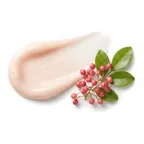 Evodia Rutaecarpa Fruit Extract
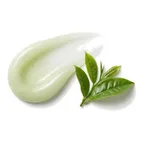 Camellia Sinensis Leaf Extract
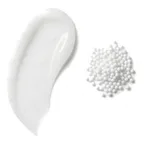 Methyl Methacrylate Crosspolymer
Average
- SuperiorOily Skin Fit
- AverageEffectiveness
- HighSafety
Works for oily acne-prone skin; other serums fit it better.
This fit is calculated for the concerns frequently associated with oily acne-prone skin: shine, breakouts, blemishes, and enlarged pores. For scores and recommendations based on your full skin profile, including your 12D face scan results and any goals or preferences you have, please use the Lovi app.
Updated How the Fit score works
Lovi Assistant explains
- Offers moderate pore minimizing benefits for your oily skin due to methyl methacrylate crosspolymer and evodia rutaecarpa fruit extract, which help refine texture and regulate sebum production.
- While it provides general hydration and antioxidant support from ingredients like Camellia Sinensis Leaf Extract, it lacks targeted actives for your primary concerns of acne, blemishes, and breakouts.
- The product is safe for your oily skin, with no risk of irritation from harsh ingredients and the inclusion of soothing agents.
How to apply
- Could be used as part of your PM routine. Start 3 times a week and build up to daily use if your skin tolerates it well.
- Apply your serum after cleansing and toning, but before putting on your moisturizer.
- Gently press 2 to 3 drops of the serum into your skin and let it absorb for a minute.
- Apply the serum on clean, dry skin to help manage your blemishes safely.
- Do a patch test before your first use and avoid the delicate eye area.
People Say
★4.5Overall rating based on 100+ reviewsBased on limited data, this pore minimizer is frequently praised for refining skin texture and reducing the appearance of pores, leading to a smoother complexion. Users also find it works well as a makeup primer and has a lightweight feel. Some users note that consistent use yields better results and that it is most effective when used with other products in the same line.
Highlights
Reduces pore appearance Often Mentioned
- “Significantly reduces the visible number of pores.”
- “My pores are very minimal.”
- “It makes my pores disappear.”
Refines skin texture Often Mentioned
- “See a visibly smoother, flawless-looking complexion.”
- “My skin immediately felt incredibly smooth – like baby skin.”
- “It makes my skin feel refined—smooth, clean.”
Non-greasy/Lightweight Sometimes Noted
- “This serum has a lightweight, silky texture.”
- “Leaves no sticky residue.”
- “It absorbed quickly, almost instantly.”
Works as primer Sometimes Noted
- “This stuff works great as a primer!”
- “Helps my makeup last!”
- “It was an ease applying my liquid foundation after that.”
Best as part of set Sometimes Noted
- “Best used together for best results.”
- “Perfect after-step to microdermabrasion.”
- “Combine the power of... [the] set.”
Requires consistent use Sometimes Noted
- “You may not see immediate results.”
- “After long-term use, I noticed a significant improvement.”
- “Results get better over time.”
Limited anti-aging Rarely Noted
- “Does not contain ingredients that are able to reduce fine lines.”
- “Actives are not the most effective.”
Sources: lovi.care, influenster.com, marykay.com, spicysharon.com, lemon8-app.com, whatsinmyjar.com, and more
Questions and answers
What does Hyaluronic Acid do for oily acne-prone skin?
Hyaluronic acid helps oily acne-prone skin by reducing extra oil and calming redness without clogging pores. It is unlikely to irritate your skin and may safely lessen breakouts.
The Journal of Investigative Dermatology, 2017Journal of Controlled Release, 2025
What does Glycerin do for oily acne-prone skin?
Glycerin helps keep oily acne-prone skin hydrated while supporting the skin barrier to reduce irritation. It is very well tolerated and has a safe profile for daily use.
The British Journal of Dermatology, 2008International Journal of Toxicology, 2019
Where does it go in a skincare routine for oily acne-prone skin?
This treatment goes in your evening routine after cleansing and toning, and before moisturizing. Oily acne-prone skin typically needs products with targeted blemish-fighting and exfoliating ingredients to properly address breakouts.
Can I use this serum with retinol, and in what order?
Use the treatment and retinol apart: in different sessions of the same day or on different days. While it provides hydration and helps refine texture, this skin needs a product with targeted acne-fighting ingredients like salicylic acid or benzoyl peroxide to properly address breakouts.
How often should I use it?
You can use this treatment in the evening as part of your routine. Oily acne-prone skin needs a product of this type that also includes targeted acne-fighting and blemish-clearing ingredients.
Can this serum clog pores, cause breakouts or purging for oily acne-prone skin?
Mary Kay Timewise Pore Minimizer is unlikely to clog pores or cause breakouts on oily acne-prone skin, as it has a safe formula with soothing ingredients and oil-absorbing components. However, because it lacks targeted blemish-fighting actives, this skin type needs a product that includes proven acne treatments to truly keep breakouts at bay.
Is it fragrance-free and alcohol-free?
Yes, it has no fragrance and no drying alcohol.
What the research says
Spray drying polymethyl methacrylate and hexagonal boron nitride into a spherical composite powder produces a material with good oil absorption, and incorporating 10 wt.% into blemish balm cream provides superior sunscreen protection and good thermal conductivity.
Materials, 2019Topical application of a 6% green tea extract formulation increased skin moisture, enhanced skin elasticity, and improved skin microrelief by reducing roughness in 24 volunteers compared to vehicle and control over 30 days.
Dermatologic Therapy, 2013Topical low-dose green tea extract reduces UVB-induced p53 expression and apoptosis in human skin keratinocytes compared to placebo.
Experimental Dermatology, 2009An anti-acne hydrogel containing Aloe barbadensis, Garcinia mangostana, and Camellia sinensis extracts showed superior antiacne and antiblotch activities compared to 1% clindamycin gel in sixty subjects with mild-moderate acne.
Clinical, Cosmetic and Investigational Dermatology, 2019A biomimetic mixture of Evodia rutaecarpa extract components significantly inhibited UVB-induced PGE2 release in cultured keratinocytes and reduced methyl nicotinate-induced erythema in human skin compared to bisabolol.
Journal of Dermatological Science, 2006Topical application of 0.1% hyaluronic acid formulations of different molecular weights led to significant improvements in skin hydration and elasticity, with low-molecular-weight formulations also significantly reducing wrinkle depth in seventy-six female subjects compared to a vehicle control.
Journal of Drugs in Dermatology, 2011Topical hyaluronic acid serum used twice daily by 40 females with facial photoaging produced an immediate 134% increase in skin hydration, a sustained 55% increase at week 6, and significant improvements in smoothness, plumping, fine lines, wrinkles, and global appearance without causing irritation.
Dermatology and Therapy, 2021A topical antioxidant serum significantly reduced air pollution-induced skin pigmentation and proinflammatory gene expression ex vivo, and improved skin aging signs in 40 healthy adult females after 90 days of daily use.
Journal of Cosmetic Dermatology, 2022A single application of a moisturizing fluid containing hyaluronic acid 1%, glycerin 5%, and Centella asiatica stem cells extract significantly increased skin hydration by 29% and reduced transepidermal water loss at 24 hours compared to baseline and an untreated control site in twenty healthy women.
Clinical, Cosmetic and Investigational Dermatology, 2017The emollient V0034CR significantly reduced TEWL compared to vehicle and vehicle plus glycerol, and significantly increased corneometry scores compared to vehicle and vehicle plus petrolatum in healthy volunteers with dry skin, demonstrating combined barrier function improvement from petrolatum and hydration improvement from glycerol.
Journal of Cosmetic Dermatology, 2020Ten days of treatment with a cream containing 20% glycerin significantly increased skin hydration measured by corneometer values in 17 healthy volunteers compared to a placebo cream, but showed no influence on transepidermal water loss or skin sensitivity to an irritating surfactant.
International Journal of Cosmetic Science, 2001Rutaecarpine significantly suppressed ultraviolet A-induced expression, protein levels, and gelatinolytic activities of MMP-2 and MMP-9 while decreasing reactive oxygen species generation in HaCaT human keratinocytes compared to irradiated cells without rutaecarpine.
European Journal of Pharmacology, 2004Topically formulated tea polyphenols show some benefit in reducing sebum secretion and treating acne vulgaris compared to baseline or control.
Antioxidants, 2016Topical application of tannase-converted green tea extract (TGE) significantly improved skin wrinkle indices and self-assessed wrinkle reduction compared to normal green tea extract (NGE) in human subjects over 8 weeks.
Journal of Cosmetic Dermatology, 2013Topical green tea and green tea plus lotus multiple emulsions reduced casual sebum secretions compared to placebo in healthy adults, with the combined treatment producing significantly greater reductions than green tea alone over a 60-day period.
Hippokratia, 2013
Why other serums fit oily acne-prone skin better
Co-delivery of paeonol and madecassoside via nanoemulsions improved transdermal delivery, promoted barrier repair proteins, inhibited inflammatory cytokine secretion in cellular and 3D models, and reduced transepidermal water loss and acne in human facial skin compared to free components.
Molecules, 2023
Ingredients
Water, Glycerin, Cyclopentasiloxane, Polysilicone-11, Pentaerythrityl Tetraethylhexanoate, Dipropylene Glycol, Methyl Methacrylate Crosspolymer, Betaine, Bis-Peg Ppg-16 16 Dimethicone, Sodium Hyaluronate, Evodia Rutaecarpa Fruit Extract, Albizia Julibrissin Bark Extract, Caprylic Capric Triglyceride, Sea Whip Extract, Hydrolyzed Soy Flour, Camellia Sinensis Leaf Extract, Hydroxyethylacrylate Sodium Acryloyldimethyl Taurate Copolymer, Mica, Isohexadecane, Ceteareth-33, Titanium Dioxide, Decylene Glycol, Magnesium Aluminum Silicate, Xanthan Gum, Dimethicone, Polysorbate 50, Butylene Glycol, Hydroxypropyl Cyclodextrin, Sorbitan Isostearate, Triethyl Citrate, Lavandula Angustifolia Stem Extract Flower Leaf Lavender Stem Extract Flower Leaf, Propanediol, Cyclohexasiloxane, Sodium Benzoate, Elettaria Cardamomum Seed Extract, Pyrus Malus Fruit Extract, Rubus Idaeus Fruit Extract Raspberry Fruit Extract, 2-Hexanediol, Disodium Edta, Phenoxyethanol, Iodopropynyl Butylcarbamate
Behind this fit score
Lovi calculates every fit score from the full ingredient list with brand-independent rules our dermatologists and cosmetic chemists build and review, and personalizes every pick with AI trained on the real results of millions of users. Lovi trains its fit score models on a proprietary dataset built from more than 10,000 expert-labeled products and more than 100,000 simulated examples, following an internally consistent methodology presented at Cosmoprof, AMWC, and Skin of Color Update.
-

Co-founder, Medical Director
Cosmetic chemist, cosmetologist, aesthetic products developer
-

Co-founder, CEO and CTO
PhD in computer science, 3x US patent holder, ex-Google, ex-Yandex
-

Dr. Sofía Perea Pérez, MD, MSc
Medical Board
Aesthetic medicine practitioner, MSc in Longevity and Anti-Aging Medicine
-

Medical Board
Specialist dermatologist, MBBS, MD, IFAAD
-

Medical Board
Cosmetic chemist, SCS, IFSCC member
-

Medical Board, Medical Advisor
Dermatology MD
-

Elina Nazarenko, MD
Medical Board
Dermatology and diagnostic consultant
-

Victoria Derkova, MS
Medical Board
Cosmetic chemist, cosmetic development technologist


How does it fit your skin?
Scan your face, then any product: Lovi shows how well it fits you and what fits even better.