
Mary Kay Timewise Nighttime Recovery for acne-prone skin

 Retinyl Palmitate
 Tocopheryl Acetate
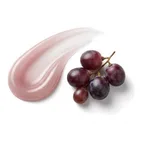 Resveratrol
 Oligopeptide-1
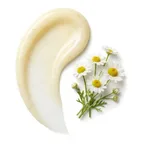 Anthemis Nobilis Flower Extract
Average
- HighCombination Skin Fit
- AverageEffectiveness
- HighSafety
Works for acne-prone skin; other serums fit it better.
This fit is calculated for the concerns frequently associated with acne-prone skin: breakouts, blackheads, and post-acne marks. For scores and recommendations based on your full skin profile, including your 12D face scan results and any goals or preferences you have, please use the Lovi app.
Updated How the Fit score works
Lovi Assistant explains
- Offers moderate benefits for your combination skin, as oligopeptide-1 and retinyl palmitate support collagen stimulation and barrier repair, which can help minimize fine lines and wrinkles.
- While the formula provides general hydration and soothing effects from ingredients like Anthemis Nobilis flower extract, it lacks targeted ingredients to effectively treat your acne, blemishes, and breakouts.
- The product is safe for your combination skin, with no risks of irritation due to the absence of prohibited or harsh ingredients.
Buy online

Prices checked 20 Nov 2026
The Lovi Fit is the same in every country; only the stores and prices differ, and the ones here are for Europe.
How to apply
- Use your serum as part of your PM routine and start 3x/week before working up to daily use.
- Apply this treatment after cleansing and toner, and before your moisturizer.
- Gently press 2-3 drops of the serum into your skin and let it absorb for a minute.
- Apply the product on clean, dry skin to help manage your breakouts safely.
- Avoid the eye area and do a patch test before your first use.
People Say
★4.8Overall rating based on 100+ reviewsThis summary is based on limited data. The nighttime recovery treatment is highly praised for its ability to soothe and hydrate various skin types, including oily and sensitive skin, by reinforcing the skin's natural recovery cycle. Users consistently report that consistent use leads to a smoother, more radiant complexion with softened expression lines and reduced irritation.
Highlights
Calms irritation Often Mentioned
- “Helped calm irritation.”
- “Cheeks weren't doing that itchy thing.”
- “Brought a soothing calm to skin.”
Deeply hydrating Often Mentioned
- “My face felt cushioned and hydrated.”
- “Hydration felt boosted, skin felt softer.”
- “Leaves the skin soft and luminous.”
Improves texture Sometimes Noted
- “My face also looked more even in texture.”
- “Leaves skin with a more uniform appearance.”
- “Texture looked smoother and less patchy.”
Requires consistency Sometimes Noted
- “The glow didn't come from one perfect night.”
- “Need to apply... consistently for a couple of months.”
Reduces breakouts Rarely Noted
- “Clarify my skin and reduce blemishes.”
- “When I did get a breakout, it felt less angry.”
- “Can help reduce breakouts.”
Eye irritation Rarely Noted
- “The eye cream didn't agree with me.”
- “My eyes watered or felt irritated.”
High price Rarely Noted
- “Price is a bit high.”
Sources: lovi.care, influenster.com, lemon8-app.com, sololisa.com, whatsinmyjar.com, marykay.com, and more
Questions and answers
How well does Timewise Nighttime Recovery work for acne-prone skin?
This treatment works moderately well for your acne-prone skin, providing soothing moisture and smoothing fine lines with retinyl palmitate, but it lacks targeted ingredients for breakouts. A treatment for this skin needs ingredients like niacinamide, propolis, or zinc PCA that handle acne and balance oil without causing dryness.
Colloids and Surfaces. B, Biointerfaces, 2011Journal of Cosmetic Dermatology, 2018
What does Retinyl Palmitate do for acne-prone skin?
Retinyl palmitate helps clear acne-prone skin by reducing both inflammatory and non-inflammatory breakouts while keeping irritation low. Clinical studies show it improves overall skin clarity and helps manage blemishes effectively with a very safe and gentle profile.
International Journal of Nanomedicine, 2021American Journal of Clinical Dermatology, 2019
What does Vitamin E do for acne-prone skin?
Vitamin E is generally suitable for acne-prone skin because it has a low chance of clogging pores or causing breakouts. It helps keep the skin calm and moisturized, though a product of this type needs non-comedogenic oils and lightweight hydrators to properly care for breakout-prone areas.
Where does this serum go in a skincare routine for acne-prone skin?
This treatment goes in the evening routine after cleansing and toning, and before moisturizing. To properly care for acne-prone skin, this type of product also needs targeted breakout-clearing ingredients like salicylic acid or benzoyl peroxide.
Can I use this serum with glycolic acid, and in what order?
You can use this treatment alongside glycolic acid by applying the glycolic acid first, letting it absorb, and then following with this product at night. Because this formula lacks targeted ingredients for breakouts, acne-prone skin needs products containing salicylic acid, benzoyl peroxide, or targeted exfoliants to effectively clear blemishes.
Is this serum fragrance-free and alcohol-free?
Yes, it has no fragrance and no drying alcohol.
What the research says
Retinyl palmitate-loaded non-ionic lamellar liquid crystalline systems provided a significant reduction of orbicular wrinkles in human volunteers compared to systems without retinyl palmitate.
Colloids and Surfaces. B, Biointerfaces, 2011Sixty-day application of two retinyl palmitate-containing anti-aging creams improved skin surface parameters, reducing skin wrinkling by -6.68% and -8.27% in healthy male volunteers.
Journal of Cosmetic Dermatology, 2018A vitamin A palmitate and antioxidant-containing oil-based moisturizer improved fine lines, wrinkles, pigmentation, tone, texture, dryness, firmness, and clarity across various body sites compared to a no-treatment group over 12 weeks.
Journal of Cosmetic Dermatology, 2013A topical formulation containing chamomile microparticles coated with chitosan is safe, causes no irritation, and improves skin hydration in healthy participants compared to control sites.
Revista Latino-americana de Enfermagem, 2018Dermatological products containing d-alpha tocopheryl acetate showed non-comedogenic potential with less than a 50% increase in microcomedones in 12 healthy male subjects compared to octyl palmitate.
Contemporary Clinical Trials Communications, 2021Topical bakuchiol 0.5% applied twice daily compared with retinol 0.5% applied daily significantly decreased wrinkle surface area and hyperpigmentation with no statistical difference between the compounds in 44 patients over 12 weeks, while retinol users reported more facial skin scaling and stinging.
The British Journal of Dermatology, 2019Topical 0.3% and 1% retinol comparably improved biomarkers of cutaneous photoageing in photoaged volunteers, while 0.3% retinol demonstrated better tolerance with fewer and milder adverse events compared to 1% retinol in a daily escalation regimen.
International Journal of Cosmetic Science, 2022Daily application of 0.3% and 0.5% retinol serums in 37 volunteers over 12 weeks reduced skin hyperpigmentation, unevenness, and wrinkles on both sides of the face, with the 0.5% concentration causing more frequent and intense skin irritation.
Skin Pharmacology and Physiology, 2020A topical serum containing vitamin C, vitamin E, and raspberry leaf cell culture extract improved skin color, elasticity, radiance, smoothness, scaliness, and wrinkles compared to the untreated contralateral side in fifty female volunteers.
Journal of Cosmetic Dermatology, 2020A nighttime topical antioxidant containing resveratrol, baicalin, and vitamin E significantly improved fine lines, wrinkles, firmness, elasticity, laxity, hyperpigmentation, radiance, roughness, and dermal thickness in subjects with mild to moderately photodamaged skin over 12 weeks.
Journal of Drugs in Dermatology, 2014A topical antioxidant serum significantly reduced air pollution-induced skin pigmentation and proinflammatory gene expression ex vivo, and improved skin aging signs in 40 healthy adult females after 90 days of daily use.
Journal of Cosmetic Dermatology, 2022Resveratrol cream improved skin hydration and tightening compared to cream without resveratrol in a group of probands.
Acta Biochimica Polonica, 2019Resveratrol and its analogs demonstrated efficacy in human skin lightening and antiaging in clinical studies.
Antioxidants, 2019Resveratrol demonstrates antiaging, antioxidant, antimicrobial, and skin barrier-penetrating properties beneficial for cosmetic and dermatological applications.
Journal of Cosmetic and Laser Therapy, 2019Topical epidermal growth factor ointment significantly improved acne lesions and scars compared to vehicle ointment in 36 patients with mild to moderate acne vulgaris.
Dermatology, 2022A non-hydroquinone topical formulation (SKNB19) improved hyperpigmentation by 28.5% in patient self-assessment and 27% in independent reviewer assessment compared with 4% hydroquinone in 18 adult subjects, while showing significantly less irritation and better tolerability.
Journal of Cosmetic Science, 2020Recombinant epidermal growth factor combined with hyaluronic acid serum significantly improved skin smoothness, firmness, fine lines, radiance, overall appearance, and reduced transepidermal water loss compared to fibroblast-conditioned media serum in females with mild to moderate photoaging.
Journal of Drugs in Dermatology, 2016
Why other serums fit acne-prone skin better
Co-delivery of paeonol and madecassoside via nanoemulsions improved transdermal delivery, promoted barrier repair proteins, inhibited inflammatory cytokine secretion in cellular and 3D models, and reduced transepidermal water loss and acne in human facial skin compared to free components.
Molecules, 2023
Ingredients
Water, Propylene Glycol, Tocopheryl Acetate, Caprylhydroxamic Acid, Anthemis Nobilis Flower Extract, Caprylic Capric Triglyceride, Mica, Retinyl Palmitate, Talc, Triethyl Citrate, Resveratrol, Caproic Acid, Oligopeptide-1, Potassium Sorbate, Aluminum Hydroxide
Behind this fit score
Lovi calculates every fit score from the full ingredient list with brand-independent rules our dermatologists and cosmetic chemists build and review, and personalizes every pick with AI trained on the real results of millions of users. Lovi trains its fit score models on a proprietary dataset built from more than 10,000 expert-labeled products and more than 100,000 simulated examples, following an internally consistent methodology presented at Cosmoprof, AMWC, and Skin of Color Update.
-

Co-founder, Medical Director
Cosmetic chemist, cosmetologist, aesthetic products developer
-

Co-founder, CEO and CTO
PhD in computer science, 3x US patent holder, ex-Google, ex-Yandex
-

Dr. Sofía Perea Pérez, MD, MSc
Medical Board
Aesthetic medicine practitioner, MSc in Longevity and Anti-Aging Medicine
-

Medical Board
Specialist dermatologist, MBBS, MD, IFAAD
-

Medical Board
Cosmetic chemist, SCS, IFSCC member
-

Medical Board, Medical Advisor
Dermatology MD
-

Elina Nazarenko, MD
Medical Board
Dermatology and diagnostic consultant
-

Victoria Derkova, MS
Medical Board
Cosmetic chemist, cosmetic development technologist


How does it fit your skin?
Scan your face, then any product: Lovi shows how well it fits you and what fits even better.