
Mario Badescu Botanical Exfoliating Scrub for oily acne-prone skin

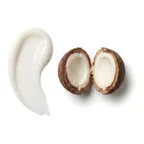 Phytelephas Aequatorialis Seed Powder
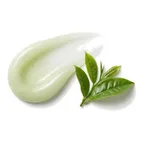 Camellia Sinensis Leaf Extract
 Aloe Barbadensis Leaf Juice
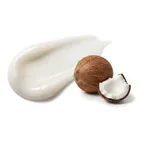 Coconut Fruit Extract
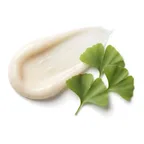 Ginkgo Biloba Leaf Extract
Average
- HighOily Skin Fit
- AverageEffectiveness
- HighSafety
Works for oily acne-prone skin; other exfoliants fit it better.
This fit is calculated for the concerns frequently associated with oily acne-prone skin: shine, breakouts, blemishes, and enlarged pores. For scores and recommendations based on your full skin profile, including your 12D face scan results and any goals or preferences you have, please use the Lovi app.
Updated How the Fit score works
Lovi Assistant explains
- Offers moderate exfoliation for your oily skin, as Phytelephas Aequatorialis Seed Powder provides physical exfoliation, and Camellia Sinensis Leaf Extract offers antioxidant activity, though it lacks targeted ingredients to effectively manage oiliness or breakouts.
- The inclusion of Ginkgo Biloba Leaf Extract and Zingiber Officinale Root Extract can offer some soothing benefits for your acne and blemishes.
- The product is safe for your oily skin, with no risks of irritation due to the absence of harsh ingredients and the presence of soothing components.
How to apply
- Use this exfoliant as part of your PM routine once a week to start, increasing frequency only if your skin tolerates it well.
- Apply the exfoliant after cleansing and toning, but before your final moisturizer step.
- Gently press 2-3 drops of the exfoliant into your skin and let it absorb for a minute.
- Apply the product directly onto clean, dry skin for the best results against breakouts.
- Avoid the sensitive eye area and always use a daily SPF since exfoliating makes skin more sensitive to the sun.
People Say
★4.7Overall rating based on 2.2k+ reviewsBased on a very large amount of data, users consistently praise this gel-based scrub for its ability to gently polish and refine skin texture without causing irritation or dryness, making it a favorite for sensitive and acne-prone skin types. Many appreciate the fresh botanical scent and soft post-scrub feel, though some users with oily or resilient skin find the exfoliation too mild to be effective.
Highlights
Gentle exfoliation Mostly Mentioned
- “Gentle enough for daily use”
- “doesn't dry my skin out”
- “no irritation”
Smooths & softens Mostly Mentioned
- “Leaves skin soft and smooth”
- “refines texture”
- “removes dead skin”
Acne & pore control Sometimes Noted
- “Helps clear up acne”
- “unclogs pores”
- “good for breakouts”
Pleasant scent Sometimes Noted
- “Smells good”
- “fresh scent”
- “botanical and not overpowering”
Too mild Sometimes Noted
- “Not abrasive enough”
- “didn't feel like a scrub”
- “too mild for oily skin”
Product longevity Rarely Noted
- “A little goes a long way”
- “lasts a long time”
- “good value”
Drying effect Rarely Noted
- “Leaves skin feeling stripped”
- “made my face tight”
Packaging issues Rarely Noted
- “Nozzle issues”
- “cheap packaging”
- “leaked in bag”
Price vs. value Rarely Noted
- “Not worth the money”
- “expensive for what it is”
- “cheaper options work better”
Scent dislike Rarely Noted
- “Smell is too strong”
- “don't like the scent”
- “smells like cucumber”
Sources: lovi.care, sephora.com, ulta.com, mariobadescu.com, walmart.com, and more
Questions and answers
How well does Mario Badescu Botanical Exfoliating Scrub work for oily acne-prone skin?
Mario Badescu Botanical Exfoliating Scrub works moderately well for oily acne-prone skin, providing physical scrubbing and some soothing benefits from green tea and aloe extracts. However, because it lacks ingredients that specifically target oil and breakouts, an exfoliant for this skin type needs clarifying ingredients like BHA or salicylic acid to help clear pores and control excess oil.
Clinical, Cosmetic and Investigational Dermatology, 2015Clinical Pharmacology, 2018
Which ingredients make this exfoliant a good fit for oily acne-prone skin?
Camellia Sinensis Leaf Extract, Ginkgo Biloba Leaf Extract, and Aloe Barbadensis Leaf Juice help soothe and calm your oily acne-prone skin. Because it lacks targeted ingredients to manage oiliness or breakouts, an exfoliant for this skin needs ingredients like BHA, salicylic acid, and soothing extracts that control excess oil and clear pores.
Clinical, Cosmetic and Investigational Dermatology, 2019Clinical, Cosmetic and Investigational Dermatology, 2015
What does Ivory Nut Powder do for oily acne-prone skin?
Ivory nut powder may not be the best fit for oily acne-prone skin because it lacks specific clinical evidence for oil control or acne treatment. Products for this skin type typically need ingredients that absorb excess oil and soothe blemishes.
What does Green Tea Extract do for oily acne-prone skin?
Green tea extract helps calm oily, acne-prone skin by reducing excess oil production and soothing redness. It contains compounds that target the sebaceous glands to keep breakouts at bay and leave your skin feeling clear and balanced.
Journal of Cosmetic Dermatology, 2023Bosnian Journal of Basic Medical Sciences, 2010
Where does this exfoliant go in a skincare routine for oily acne-prone skin?
This exfoliant goes in your weekly routine once a week. Oily acne-prone skin needs a product of this type that also includes targeted ingredients to effectively manage oiliness or breakouts.
Can I use this exfoliant with retinol, and in what order?
You can use this exfoliant with retinol, but apply them on different days or times to avoid irritation on your oily acne-prone skin. This product gives you moderate physical exfoliation and helpful soothing ingredients, but your skin also needs targeted ingredients that manage oiliness and breakouts.
How often should I use this exfoliant?
You can use this exfoliant once a week to start, and then use it more often if your skin handles it well and gets good results. Oily acne-prone skin needs products that help manage oiliness and breakouts with targeted ingredients.
Can this exfoliant clog pores, cause breakouts or purging for oily acne-prone skin?
This exfoliant is unlikely to cause breakouts or clog pores on oily acne-prone skin, as it is safe and free of harsh ingredients. However, because it lacks targeted ingredients to effectively manage oiliness or breakouts, an effective product for this skin needs oil-controlling and targeted blemish-fighting ingredients.
Clinical, Cosmetic and Investigational Dermatology, 2015Clinical Pharmacology, 2018
Is this exfoliant fragrance-free and alcohol-free?
It has no drying alcohol and contains fragrance (parfum).
What the research says
A dermocosmetic containing bakuchiol, Ginkgo biloba extract, and mannitol improves inflammatory lesions, Investigator Global Assessment, and seborrhea intensity when added to adapalene 0.1% gel in patients with acne vulgaris.
Clinical, Cosmetic and Investigational Dermatology, 2015A cream combining propolis, tea tree oil, and Aloe vera reduced erythema scars, acne severity index, and total lesion count better than erythromycin cream in sixty patients with mild to moderate acne vulgaris compared to placebo.
Clinical Pharmacology, 2018An anti-acne hydrogel containing Aloe barbadensis, Garcinia mangostana, and Camellia sinensis extracts showed superior antiacne and antiblotch activities compared to 1% clindamycin gel in sixty subjects with mild-moderate acne.
Clinical, Cosmetic and Investigational Dermatology, 2019Small extracellular vesicles derived from Aloe vera peels exhibited antioxidant activity, reduced intracellular ROS levels, enhanced human skin cell migration, and upregulated antioxidant-related gene expression in H2O2-treated human keratinocytes.
Tissue Engineering and Regenerative Medicine, 2021Topically formulated tea polyphenols show some benefit in reducing sebum secretion and treating acne vulgaris compared to baseline or control.
Antioxidants, 2016Topical application of tannase-converted green tea extract (TGE) significantly improved skin wrinkle indices and self-assessed wrinkle reduction compared to normal green tea extract (NGE) in human subjects over 8 weeks.
Journal of Cosmetic Dermatology, 2013Topical green tea and green tea plus lotus multiple emulsions reduced casual sebum secretions compared to placebo in healthy adults, with the combined treatment producing significantly greater reductions than green tea alone over a 60-day period.
Hippokratia, 2013Formulations containing 0.10%, 0.25%, and 0.50% freeze-dried Aloe vera extract increased stratum corneum water content compared with the vehicle in 20 female subjects, while transepidermal water loss was not modified.
Skin Research and Technology, 2006Kombucha-mediated fermentation of aloe vera gel for 10 and 20 days enhanced its phenolic and flavonoid content, antioxidant capacity, cytoprotective effects, enzyme inhibition against collagenase, elastase, and hyaluronidase, and moisturizing properties compared to unfermented gel.
Molecules, 2025Aloe vera gel phenolic and polysaccharide extracts demonstrated distinct wound-healing properties in vitro, with the phenolic extract exhibiting anti-inflammatory, antioxidant, and fibroblast-stimulating effects, and the polysaccharide extract showing enhanced collagen synthesis and antibacterial activity against Staphylococcus aureus.
Journal of Functional Biomaterials, 2024Overnight virgin coconut oil application provides a skin protective effect against damage and increased TEWL from frequent alcohol-based hand sanitizer usage in 60 volunteers, resulting in a 25% increase in perceived moisture content compared to the control group.
Journal of Cosmetic Dermatology, 2021Topical application of a 2% cream containing combined fruit extracts for 56 days significantly reduced wrinkle depth by 11.5%, length by 10.07%, and area by 29.55% in 21 female subjects compared to a placebo.
Clinical, Cosmetic and Investigational Dermatology, 2015Topical application of Ginkgo biloba cream for two weeks reduced wrinkles and improved skin shape, texture, and tautness in human volunteers compared to baseline.
Drug Development and Industrial Pharmacy, 2023A cosmetic formulation combining green tea and Ginkgo biloba extracts synergistically improved skin elasticity and skin barrier function in 48 volunteers compared to individual extracts.
Journal of Drugs in Dermatology, 2014
Why other exfoliants fit oily acne-prone skin better
Two percent supramolecular salicylic acid showed similar efficacy to 0.01% adapalene plus 5% benzoyl peroxide in reducing acne lesions in 31 patients over 28 days.
Cutaneous and Ocular Toxicology, 2019Chemical peels with 30% supramolecular salicylic acid effectively treated acne and reduced facial sebum secretion while improving skin hydration and barrier function in 25 patients.
Journal of Cosmetic Dermatology, 2022Chemical peels using 35% glycolic acid, 20% salicylic-10% mandelic acid, and phytic acid reduce acne scores by 70.55%, 74.14%, and 69.7% respectively, and significantly decline the postacne hyperpigmentation index in Asian patients with mild to moderate acne.
Journal of Cutaneous and Aesthetic Surgery, 2019
Ingredients
Phytelephas Aequatorialis Seed Powder, Propylene Glycol, Carbomer, Sodium Laureth Sulfate, Triethanolamine, Camellia Sinensis Leaf Extract, Coconut Fruit Extract, Ginkgo Biloba Leaf Extract, Zingiber Officinale Root Extract, Aloe Barbadensis Leaf Juice, Caprylyl Glycol, Hexylene Glycol, Phenoxyethanol, Parfum
Behind this fit score
Lovi calculates every fit score from the full ingredient list with brand-independent rules our dermatologists and cosmetic chemists build and review, and personalizes every pick with AI trained on the real results of millions of users. Lovi trains its fit score models on a proprietary dataset built from more than 10,000 expert-labeled products and more than 100,000 simulated examples, following an internally consistent methodology presented at Cosmoprof, AMWC, and Skin of Color Update.
-

Co-founder, Medical Director
Cosmetic chemist, cosmetologist, aesthetic products developer
-

Co-founder, CEO and CTO
PhD in computer science, 3x US patent holder, ex-Google, ex-Yandex
-

Dr. Sofía Perea Pérez, MD, MSc
Medical Board
Aesthetic medicine practitioner, MSc in Longevity and Anti-Aging Medicine
-

Medical Board
Specialist dermatologist, MBBS, MD, IFAAD
-

Medical Board
Cosmetic chemist, SCS, IFSCC member
-

Medical Board, Medical Advisor
Dermatology MD
-

Elina Nazarenko, MD
Medical Board
Dermatology and diagnostic consultant
-

Victoria Derkova, MS
Medical Board
Cosmetic chemist, cosmetic development technologist


How does it fit your skin?
Scan your face, then any product: Lovi shows how well it fits you and what fits even better.