
make p:rem UV Defense Me No Sebum Sun Cream for oily skin

 Zinc Oxide
 Sodium Hyaluronate
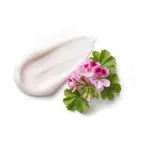 Pelargonium Graveolens Extract
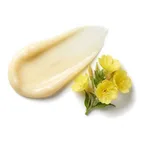 Oenothera Biennis Flower Extract
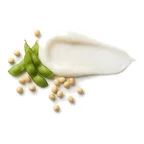 Bacillus Soybean Extract Ferment
Superior
- SuperiorOily Skin Fit
- SuperiorEffectiveness
- ExcellentSafety
One of the best sunscreens for oily skin.
This fit is calculated for the concerns frequently associated with oily skin: shine, enlarged pores, blackheads, and blemishes. For scores and recommendations based on your full skin profile, including your 12D face scan results and any goals or preferences you have, please use the Lovi app.
Updated How the Fit score works
Lovi Assistant explains
- Excellent suitability for your oily skin is provided by zinc oxide and methyl methacrylate crosspolymer, which effectively control sebum and offer a mattifying effect to combat oily shine.
- The formula also includes Polymethylsilsesquioxane to further absorb excess sebum, enhancing its oil-control capabilities for your specific skin type.
- The safety profile is excellent, with soothing ingredients like Pelargonium Graveolens Extract and Nymphaea Caerulea Flower Extract ensuring no irritation for your oily skin.
How to apply
- Apply this sunscreen during your AM routine every single day. Reapply every two hours if you are staying outdoors.
- Apply the sunscreen as the final step of your morning skincare routine after your moisturizer. Allow your moisturizer to absorb fully before putting it on.
- Squeeze a generous amount and pat it gently all over your face and neck. Avoid rubbing the product harshly into your skin.
- Apply the sunscreen directly onto dry skin to ensure it forms an even and protective layer against the sun.
- Avoid getting the product directly into your eyes and stop using it if any irritation occurs.
People Say
★4.8Overall rating based on 1.0k+ reviewsBased on a very large amount of data, this mineral sunscreen is highly recommended for oily and combination skin, effectively controlling sebum and providing a matte finish without pore clogging. It also offers sun protection and a brightening tone-up effect. However, users with dry skin may find it too drying and difficult to blend due to its fast-setting nature.
Highlights
Excellent oil control Often Mentioned
- “Controls oil beautifully throughout the day”
- “Leaves a velvet-matte finish”
- “No midday shine”
Non-sticky texture Often Mentioned
- “Leaves a non-oily and non-sticky finish”
- “Feels light and airy on the skin”
- “Silky smooth texture”
Sensitive skin friendly Often Mentioned
- “Great for sensitive skin types”
- “No irritation or breakouts”
- “Gentle zinc oxide formula”
Tone-up effect Often Mentioned
- “Slight tone-up effect brightens skin”
- “Covers pores nicely like a primer”
- “Natural brightening without looking fake”
Visible white cast Often Mentioned
- “Has a white cast when first applied”
- “Can look too pale on darker skin tones”
- “Takes time to settle and look natural”
Drying sensation Sometimes Noted
- “Can be drying for non-oily skin”
- “Emphasizes dry patches if not moisturized”
- “Felt a bit tight after a few hours”
Thick consistency Sometimes Noted
- “Formulation is definitely thicker than others”
- “Needs to be worked into the skin quickly”
- “Can be difficult to blend”
Pore settling Rarely Noted
- “Settles into pores after a few hours”
- “Can look cakey if applied too heavily”
- “Emphasizes texture on nose”
Sources: lovi.care, oliveyoung.com, yesstyle.com, hwahae.co.kr, stylekorean.com, incidecoder.com, and more
Questions and answers
What makes make p:rem UV Defense Me No Sebum Sun Cream one of the best fits for oily skin?
This sunscreen is one of the best fits for your oily skin because zinc oxide and methyl methacrylate crosspolymer control extra oil and give a matte finish. Polymethylsilsesquioxane helps by soaking up more shine, while soothing ingredients make sure your skin stays calm without getting irritated.
Which ingredients make this cream a good fit for oily skin?
Zinc oxide and methyl methacrylate crosspolymer provide excellent suitability for oily skin by controlling sebum and giving a mattifying effect against shine. The formula also uses polymethylsilsesquioxane to further absorb excess oil, while soothing plant extracts help ensure no irritation.
What does Zinc Oxide do for oily skin?
Zinc oxide helps calm oily and breakout-prone skin by reducing redness and targeting blemish-causing bacteria. It also may help decrease oil production, supporting a clearer and more balanced complexion.
Journal of Controlled Release, 2025Journal of Drugs in Dermatology, 2013
What does Hyaluronic Acid do for oily skin?
Hyaluronic acid helps calm oily skin by lowering sebum production and decreasing oil synthesis in the glands. It may also help keep the skin barrier strong while keeping the face feeling balanced.
The Journal of Investigative Dermatology, 2017Journal of Cosmetic Dermatology, 2022
Where does this cream go in a skincare routine for oily skin?
This cream goes last in your morning skincare routine after your moisturizer, as it offers excellent suitability for oily skin through ingredients that control sebum and provide a mattifying effect without irritation.
Can I use this cream with retinol, and in what order?
You can use this cream in the morning after applying retinol once it has fully absorbed, or simply use it as your morning sun protection step while saving retinol for your evening routine. Zinc oxide and oil-absorbing powders in the formula help manage daytime shine without causing irritation.
How often should I use this cream?
You can use this sunscreen every morning as the final step in your daytime routine. Zinc oxide and oil-absorbing powders help control shine throughout the day, while soothing extracts keep skin calm and comfortable.
Can this cream clog pores, cause breakouts or purging for oily skin?
This cream is unlikely to clog pores for oily skin because its low risk of pore settling helps keep your skin clear. Zinc oxide and oil-absorbing powders work together to control shine without heavy ingredients that trigger breakouts.
Is this cream fragrance-free and alcohol-free?
Yes, it has no fragrance and no drying alcohol.
What the research says
Topical 0.5% hyaluronic-ZnO nanogel applied twice daily reduced inflammatory-lesion counts by 58% at week four in human subjects compared to baseline without causing erythema.
Biomedicines, 2025Daily use of a deep cleansing gel containing salicylic acid 2%, zinc gluconate 0.2% and lipohydroxy acid 0.05% significantly reduced total lesion count by 56.3% after 84 days in 35 subjects with mild to moderate truncal acne.
Clinical, Cosmetic and Investigational Dermatology, 2023Topical zinc oxide nanogels formulated using Dendrobium anosmum showed greater effectiveness against Gram-positive acne-causing bacteria compared to chemogenic nanoparticles.
Molecules, 2023Topical application of 0.1% hyaluronic acid formulations of different molecular weights led to significant improvements in skin hydration and elasticity, with low-molecular-weight formulations also significantly reducing wrinkle depth in seventy-six female subjects compared to a vehicle control.
Journal of Drugs in Dermatology, 2011Topical hyaluronic acid serum used twice daily by 40 females with facial photoaging produced an immediate 134% increase in skin hydration, a sustained 55% increase at week 6, and significant improvements in smoothness, plumping, fine lines, wrinkles, and global appearance without causing irritation.
Dermatology and Therapy, 2021A topical antioxidant serum significantly reduced air pollution-induced skin pigmentation and proinflammatory gene expression ex vivo, and improved skin aging signs in 40 healthy adult females after 90 days of daily use.
Journal of Cosmetic Dermatology, 2022Topical treatment with Geranium thunbergii extract lotion improved skin elasticity and reduced skin wrinkling scores compared to placebo in healthy Japanese women by inhibiting HYBID-mediated hyaluronan degradation and down-regulating HYBID expression.
Journal of Cosmetic Dermatology, 2019Geranium and Calendula essential oil-loaded ethanolic lipid vesicular creams exhibited notable antioxidant capacity, sun protection factor values of 10.26 and 18.54, and collagenase and elastase inhibition capacity compared to nonvesicular creams.
BioMed Research International, 2021Strawberry geranium extract suppressed Toll-like receptor 2 expression and Toll-like receptor 2-mediated interleukin-8 production in human skin keratinocytes.
Journal of Ethnopharmacology, 2021Electrospun poly (vinyl butyral-co-vinyl alcohol-co-vinyl acetate) patches loaded with evening primrose oil applied to the forearm of volunteers for 6 hours increased skin moisture, with pore size, shape, and fiber diameter influencing oil transport.
Biomaterials Advances, 2022A topical preparation containing urea, sunflower oil, evening primrose oil, wheat germ oil, and sodium pyruvate led to clinical improvement after a month in diverse hyperkeratotic skin conditions except pityriasis lichenoides.
Medicina Cutanea Ibero-latino-americana, 1986Combining poly(3-hydroxybutyrate-co-3-hydroxyvalerate) electrospun fibers with evening primrose oil into patches enhanced mechanical properties and increased skin hydration.
Journal of Materials Chemistry. B, 2022Thua Nao dichloromethane fraction and its isoflavones daidzein and glycitein protected human epidermal keratinocytes against UVB-induced cell death, apoptosis, and inflammation by reducing oxidative stress and modulating MAPK and Akt signaling pathways.
International Journal of Molecular Sciences, 2025Topical treatment with fermented soybean extract-loaded nanoniosomes improved skin hydration and viscoelasticity in ovariectomized rats compared to controls, with lower efficacy than 17beta-estradiol nanoniosomes but without systemic toxicity.
Pharmaceutics, 2021Topical treatment with fermented soybean dried extracts significantly prevented TPA-induced depletion of GSH and catalase and increased levels of H2O2 and lipid peroxidation in the skin of hairless mice compared to the TPA stimulus alone.
BioMed Research International, 2013
Ingredients
Water, Zinc Oxide, Cyclohexasiloxane, Butyloctyl Salicylate, Propanediol, Propylheptyl Caprylate, Isododecane, Caprylyl Methicone, Polyglyceryl-3 Polydimethylsiloxyethyl Dimethicone, Methyl Methacrylate Crosspolymer, Methyl Trimethicone, Pelargonium Graveolens Extract, Oenothera Biennis Flower Extract, Ulmus Davidiana Root Extract, Pinus Palustris Leaf Extract, Pueraria Lobata Root Extract, Bacillus Soybean Extract Ferment, Juniperus Virginiana Oil, Litsea Cubeba Oil Fruit, Sodium Hyaluronate, Vetiveria Zizanoides Oil Root, Elettaria Cardamomum Seed Extract, Nymphaea Caerulea Flower Extract, Disteardimonium Hectorite, Magnesium Sulfate, Triethoxycaprylylsilane, 2-Hexanediol, Polyglyceryl-2 Dipolyhydroxystearate, Polymethylsilsesquioxane, Lauryl Polyglyceryl-3 Polydimethylsiloxyethyl Dimethicone, Glyceryl Caprylate, Caprylyl Glycol, Ethylhexylglycerin, Tocopherol, Butylene Glycol, Folic Acid
Behind this fit score
Lovi calculates every fit score from the full ingredient list with brand-independent rules our dermatologists and cosmetic chemists build and review, and personalizes every pick with AI trained on the real results of millions of users. Lovi trains its fit score models on a proprietary dataset built from more than 10,000 expert-labeled products and more than 100,000 simulated examples, following an internally consistent methodology presented at Cosmoprof, AMWC, and Skin of Color Update.
-

Co-founder, Medical Director
Cosmetic chemist, cosmetologist, aesthetic products developer
-

Co-founder, CEO and CTO
PhD in computer science, 3x US patent holder, ex-Google, ex-Yandex
-

Dr. Sofía Perea Pérez, MD, MSc
Medical Board
Aesthetic medicine practitioner, MSc in Longevity and Anti-Aging Medicine
-

Medical Board
Specialist dermatologist, MBBS, MD, IFAAD
-

Medical Board
Cosmetic chemist, SCS, IFSCC member
-

Medical Board, Medical Advisor
Dermatology MD
-

Elina Nazarenko, MD
Medical Board
Dermatology and diagnostic consultant
-

Victoria Derkova, MS
Medical Board
Cosmetic chemist, cosmetic development technologist


How does it fit your skin?
Scan your face, then any product: Lovi shows how well it fits you and what fits even better.