
make p:rem UV Defense Me Daily Sun Fluid SPF 50+ PA++++ for oily acne-prone skin

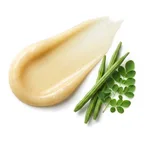 Moringa Oil
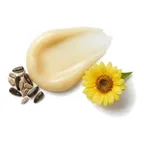 Sunflower Seed Oil
 Glycerin
 Sodium Hyaluronate
 Ceramide
Superior
- SuperiorOily Skin Fit
- SuperiorEffectiveness
- ExcellentSafety
One of the best sunscreens for oily acne-prone skin.
This fit is calculated for the concerns frequently associated with oily acne-prone skin: shine, breakouts, blemishes, and enlarged pores. For scores and recommendations based on your full skin profile, including your 12D face scan results and any goals or preferences you have, please use the Lovi app.
Updated How the Fit score works
Lovi Assistant explains
- Excellent suitability for your oily skin and acne concerns is provided by niacinamide, which regulates sebum and reduces inflammation, alongside zinc oxide offering anti-inflammatory and astringent benefits.
- The formula also delivers superior UV protection with zinc oxide and ethylhexyl methoxycinnamate, shielding your skin effectively.
- This product is safe for your skin, featuring soothing ingredients like niacinamide and tocopherol with no risk of irritation.
How to apply
- Use your moisturizing sunscreen every morning. Reapply throughout the day if you are outside.
- Apply this moisturizing sunscreen as the final step of your morning routine after your moisturizer.
- Gently smooth a nickel-sized amount over your face and neck, avoiding harsh rubbing to keep oily areas calm.
- Apply this moisturizing sunscreen on clean, dry skin to ensure even coverage and protection.
- Avoid getting the product into your eyes and do a patch test before your first use.
People Say
★4.7Overall rating based on 300+ reviewsThis sunscreen is highly regarded for its lightweight, non-sticky fluid texture and generous size, making it suitable for both face and body. Oily and combination skin types often appreciate its matte finish and oil control. However, some users with dry skin find it drying or tight, and those with darker complexions may notice a white cast.
Highlights
Lightweight, non-sticky Mostly Mentioned
- “texture is light, not quite a lotion”
- “absorbs quickly”
- “isn't greasy or sticky”
- “feels amazingly matte”
Large size, value Often Mentioned
- “sized more generously than most”
- “huge whopping bottle”
- “great option for the body”
- “well worth the price”
Matte finish Often Mentioned
- “comfortable matte finish”
- “good oil control”
- “semi-matte but not drying”
- “settles to a matte finish”
Drying or tight Often Mentioned
- “makes my skin feel tight”
- “drying effect over time”
- “settled in dry patches”
- “not recommend for dry skin”
Minimal white cast Sometimes Noted
- “very minimal white cast”
- “disappears in time”
- “tiniest bit of a white cast”
- “no white cast on me”
White cast Sometimes Noted
- “looked like I had white paint on”
- “medium cast at first”
- “leaves a white cast”
- “ghostly/ashy”
Eye stinging Rarely Noted
- “stings my eyes so badly”
- “stings a bit”
- “migrated and burned”
Pilling issues Rarely Noted
- “pills slightly”
- “makes skin look cakey”
- “hard to blend in”
Sources: lovi.care, stylekorean.com, reddit.com, kbeautyhobbit.com, incidecoder.com, youtube.com, and more
Questions and answers
What makes make p:rem Daily Sun Fluid one of the best fits for oily acne-prone skin?
This product is an excellent fit because niacinamide helps control oil and redness, while zinc oxide offers calming and tightening benefits for breakouts. It also shields your skin with strong sun protection while keeping it safe and unlikely to cause irritation.
Which ingredients make this fluid a good fit for oily acne-prone skin?
Niacinamide and zinc oxide make this fluid a great fit for your oily, acne-prone skin because they help control oil and soothe redness. These ingredients have a very safe profile and are unlikely to cause irritation while protecting your skin.
What does Moringa Oil do for oily acne-prone skin?
Moringa oleifera seed oil helps calm oily, acne-prone skin by reducing inflammation and is unlikely to cause irritation. Studies show it helps balance skin processes and soothe redness without clogging pores.
Polymers, 2022International Journal of Molecular Sciences, 2023
What does Sunflower Seed Oil do for oily acne-prone skin?
Sunflower seed oil helps preserve skin integrity and improve hydration without damaging the skin barrier. For oily acne-prone skin, a product of this type needs lightweight ingredients that support the skin barrier without clogging pores or causing irritation.
Where does this fluid go in a skincare routine for oily acne-prone skin?
This fluid goes last in your morning routine, right after your moisturizer. It is an excellent match for your oily skin because niacinamide and zinc oxide help control oil and calm breakouts.
International Journal of Cosmetic Science, 2020Journal of Controlled Release, 2025
Can I use this fluid with retinol, and in what order?
You can use this fluid in the morning as the final step before sun exposure, while applying retinol in the evening. This lightweight sun protection helps keep your oily skin safe and calm while you use strong evening treatments.
How often should I use this fluid?
You can use this moisturizing spf every morning as the final step of your daytime routine. It shields your oily skin with high UV protection while keeping oil and redness under control safely.
Can this fluid clog pores, cause breakouts or purging for oily acne-prone skin?
This fluid is unlikely to clog pores or cause breakouts for oily acne-prone skin. It contains niacinamide and zinc oxide, which help regulate oil and calm inflammation.
Is this fluid fragrance-free and alcohol-free?
Yes, it has no fragrance and no drying alcohol.
What the research says
Biomimetic hyaluronic acid-stabilized zinc oxide nanoparticles selectively inhibited C. acnes, outperformed erythromycin in preclinical acne models, and safely reduced acne lesions and redness in a clinical trial.
Journal of Controlled Release, 2025Topical 0.5% hyaluronic-ZnO nanogel applied twice daily reduced inflammatory-lesion counts by 58% at week four in human subjects compared to baseline without causing erythema.
Biomedicines, 2025Multilamellar liposomes containing octyl methoxycinnamate increased stratum corneum accumulation and reduced deeper skin penetration compared to conventional emulsions and small unilamellar liposomes in six volunteers, resulting in a slightly better sun protection factor.
Journal of Cosmetic Science, 2008Replacing microsized titanium dioxide and zinc oxide with nanoparticles in sunscreens eliminates opaqueness and alters UV protection balance while inducing (photo)cyto- and genotoxicity and penetrating viable skin layers during long-term exposures.
Nanotechnology, Science and Applications, 2011A topical antioxidant serum significantly reduced air pollution-induced skin pigmentation and proinflammatory gene expression ex vivo, and improved skin aging signs in 40 healthy adult females after 90 days of daily use.
Journal of Cosmetic Dermatology, 2022Emulgels containing Perilla frutescens seed oil, Moringa oleifera seed oil, and mixed seed oil microemulsions exhibit good stability, lack of cytotoxicity in PBMC, and no skin irritation or allergic reactions in human subjects.
Polymers, 2022Moringa seed oil stimulated sebaceous lipogenesis, reduced pro-inflammatory cytokine secretion, and exhibited a low n-6/n-3 index in cultured human SZ95 sebocytes compared to untreated cells.
International Journal of Molecular Sciences, 2023Topical Moringa oleifera seed oil and its main constituent oleic acid reduced acute and chronic skin inflammation and epidermal hypertrophy in mice through glucocorticoid receptor activation without dexamethasone-like adverse effects on organ weights.
Journal of Ethnopharmacology, 2020A single application of a moisturizing fluid containing hyaluronic acid 1%, glycerin 5%, and Centella asiatica stem cells extract significantly increased skin hydration by 29% and reduced transepidermal water loss at 24 hours compared to baseline and an untreated control site in twenty healthy women.
Clinical, Cosmetic and Investigational Dermatology, 2017The emollient V0034CR significantly reduced TEWL compared to vehicle and vehicle plus glycerol, and significantly increased corneometry scores compared to vehicle and vehicle plus petrolatum in healthy volunteers with dry skin, demonstrating combined barrier function improvement from petrolatum and hydration improvement from glycerol.
Journal of Cosmetic Dermatology, 2020Ten days of treatment with a cream containing 20% glycerin significantly increased skin hydration measured by corneometer values in 17 healthy volunteers compared to a placebo cream, but showed no influence on transepidermal water loss or skin sensitivity to an irritating surfactant.
International Journal of Cosmetic Science, 2001Topical application of 0.1% hyaluronic acid formulations of different molecular weights led to significant improvements in skin hydration and elasticity, with low-molecular-weight formulations also significantly reducing wrinkle depth in seventy-six female subjects compared to a vehicle control.
Journal of Drugs in Dermatology, 2011Topical hyaluronic acid serum used twice daily by 40 females with facial photoaging produced an immediate 134% increase in skin hydration, a sustained 55% increase at week 6, and significant improvements in smoothness, plumping, fine lines, wrinkles, and global appearance without causing irritation.
Dermatology and Therapy, 2021Daily use of multi-weight hyaluronic acid plus antioxidant complex-based topical formulations significantly improved skin moisturization within 30 minutes and reduced dryness, roughness, fine lines, and wrinkles as early as two weeks compared to baseline.
The Journal of Clinical and Aesthetic Dermatology, 2024Ceramide and niacinamide-containing moisturizer combined with anti-acne treatment significantly improved non-inflammatory, inflammatory, and total acne lesions compared to hydrophilic cream in 40 patients with mild to moderate acne vulgaris after 8 weeks.
Journal of Cosmetic Dermatology, 2024Topical application of a pseudo-ceramide-containing spray improved stratum corneum water content, transepidermal water loss, cell area, and scaling score, and normalized the ceramide profile in patients with dry and sensitive skin compared to a control spray.
Journal of Cosmetic Dermatology, 2025
Ingredients
Water, Cyclopentasiloxane, Zinc Oxide, Ethylhexyl Methoxycinnamate, Butylene Glycol, Titanium Dioxide, Glycerin, Niacinamide, C12-15 Alkyl Benzoate, Caprylyl Methicone, Polyglyceryl-3 Polydimethylsiloxyethyl Dimethicone, Dimethicone, Sodium Chloride, Aluminum Hydroxide, Stearic Acid, Triethoxycaprylylsilane, Acrylates Dimethicone Copolymer, Disteardimonium Hectorite, Phenoxyethanol, Ethylhexylglycerin, Adenosine, Tocopherol
Behind this fit score
Lovi calculates every fit score from the full ingredient list with brand-independent rules our dermatologists and cosmetic chemists build and review, and personalizes every pick with AI trained on the real results of millions of users. Lovi trains its fit score models on a proprietary dataset built from more than 10,000 expert-labeled products and more than 100,000 simulated examples, following an internally consistent methodology presented at Cosmoprof, AMWC, and Skin of Color Update.
-

Co-founder, Medical Director
Cosmetic chemist, cosmetologist, aesthetic products developer
-

Co-founder, CEO and CTO
PhD in computer science, 3x US patent holder, ex-Google, ex-Yandex
-

Dr. Sofía Perea Pérez, MD, MSc
Medical Board
Aesthetic medicine practitioner, MSc in Longevity and Anti-Aging Medicine
-

Medical Board
Specialist dermatologist, MBBS, MD, IFAAD
-

Medical Board
Cosmetic chemist, SCS, IFSCC member
-

Medical Board, Medical Advisor
Dermatology MD
-

Elina Nazarenko, MD
Medical Board
Dermatology and diagnostic consultant
-

Victoria Derkova, MS
Medical Board
Cosmetic chemist, cosmetic development technologist


How does it fit your skin?
Scan your face, then any product: Lovi shows how well it fits you and what fits even better.