
Maelove Moonlight Retinal Super Serum for sensitive skin

 Retinal Retinaldehyde
 Niacinamide
 Squalane
 Ceramide Np
 Aloe Barbadensis Leaf Juice
Average
- HighNormal Skin Fit
- AverageEffectiveness
- HighSafety
Works for sensitive skin; other serums fit it better.
This fit is calculated for the concerns frequently associated with sensitive skin: redness, stinging, and reactions to new products. For scores and recommendations based on your full skin profile, including your 12D face scan results and any goals or preferences you have, please use the Lovi app.
Updated How the Fit score works
Lovi Assistant explains
- This serum offers moderate benefits for normal skin, with niacinamide and retinaldehyde helping to regulate oil and skin cell turnover, but it does not specifically target your primary concerns of redness and irritation.
- While Aloe Barbadensis Leaf Juice and Bisabolol L-Alpha provide some soothing effects, they are primarily supportive and not the main focus for addressing your skin issues.
- The product is safe for your sensitive skin, as it lacks harsh ingredients and includes soothing components like Aloe Barbadensis Leaf Juice and Niacinamide.
How to apply
- Use your serum in the PM routine, starting 3 times a week before building up to daily use if your skin is happy.
- Apply the serum after cleansing and toning, but before putting on your moisturizer for the best results.
- Gently press 2-3 drops of the serum into your skin and wait a minute ⏱ for it to soak in.
- Since your skin is sensitive and easily irritated, apply the serum on completely dry skin to help keep it calm.
- Always do a patch test before your first use and avoid getting the serum too close to your eyes .
People Say
★4.7Overall rating based on 1.5k+ reviewsBased on a very large amount of data, this retinal serum is highly regarded for improving uneven skin tone and smoothing rough texture, with very high frequency of positive mentions. It is frequently noted for being gentle and non-irritating, even for sensitive skin types. Users also report moderate success with hydration and nourishment. Some users experienced low frequency issues such as temporary yellow staining or initial dryness, and negligible reports of slow wrinkle improvement.
Highlights
Gentle on sensitive skin Mostly Mentioned
- “I have sensitive skin and it hasn't given me any bad or intense reactions.”
- “Moonlight is one of the few retinal serums that didn't irritate my skin.”
- “Yes it's that good and no skin irritation at all.”
- “Many users who can't tolerate tretinoin or retinol experience no irritation.”
Evens skin tone Often Mentioned
- “My skin tone looked way more even.”
- “Has helped with hyperpigmentation.”
- “My freckles were slightly fainter.”
- “Reduces dullness, dark spots, and acne scars.”
Smoothes skin texture Often Mentioned
- “Any rough spots were significantly smoother.”
- “It kept me very smooth and bright with no irritation!”
- “Helped with resurfacing my acne scars.”
- “Reports of smoother texture, smaller pores, reduced fine lines.”
Hydrating and nourishing Sometimes Noted
- “It honestly feels so light and luxurious on the skin.”
- “Feels nourishing rather than harsh; pairs well with moisturizers.”
- “Absorbs into skin quickly and layers well with other products.”
- “Woke up the next morning with baby-like skin.”
Initial dryness or flaking Rarely Noted
- “Occasional reports of dryness or flaking, suggesting a need to ease into use.”
- “Can cause some irritation so ease into it slowly.”
- “Suffer through some dryness and irritation while my skin gets used to it.”
Slow wrinkle improvement Rarely Noted
- “A few didn't see major changes or improvement in wrinkles even after weeks.”
- “Didn't notice too much of a difference in terms of my existing fine lines.”
- “Haven't seen any noticeable improvements.”
Temporary yellow staining Rarely Noted
- “Some users notice temporary yellow staining if not fully rubbed in.”
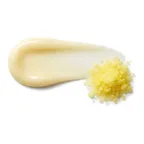
- “Taken aback by the radioactive yellow hue of the product.”
- “If you notice leftover yellowing of the skin, use less product.”
Sources: lovi.care, maelove.com, reddit.com, businessinsider.com, whowhatwear.com, gopicky.com, and more
Questions and answers
How well does Maelove Moonlight Retinal work for sensitive skin?
This serum works for sensitive skin, though other products fit it better because it does not specifically target redness and irritation. Treatments that fit this skin better need soothing ingredients and powerful antioxidants that calm and comfort without causing irritation.
Which ingredients make this serum a good fit for sensitive skin?
This serum works for sensitive skin because it includes soothing aloe vera, bisabolol, and niacinamide to help calm the skin. To be a better fit for this skin type, a product of this kind needs ingredients that actively target redness and irritation while keeping the skin hydrated.
Clinical Pharmacology, 2018Tissue Engineering and Regenerative Medicine, 2021
What does Retinal do for sensitive skin?
Retinaldehyde is a weaker fit for sensitive skin because it may cause dryness and irritation, though it generally has a better tolerance profile than stronger forms of vitamin A. To work safely for sensitive skin, a product of this type needs soothing ingredients, gentle hydrators, and a low concentration introduced gradually.
What does Niacinamide do for sensitive skin?
Niacinamide helps calm sensitive skin and keeps it comfortable by supporting the skin barrier and reducing irritation. Clinical studies show that it is well tolerated and helps decrease redness and inflammation in reactive skin.
Where does this serum go in a skincare routine for sensitive skin?
This serum goes in the evening routine, after cleansing and toning and before moisturizing, as evening use provides extra safety around sun exposure. Because this product is an average fit for your skin, products of this type need calming ingredients and barrier-supporting components to properly target redness and irritation.
Can I use this serum with AHA, and in what order?
It is best to use this serum and AHAs on alternate nights rather than together to help avoid dry, irritated skin. When using both in your routine, pair them with plenty of soothing ingredients and a rich moisturizer to keep your skin calm and comfortable.
How often should I use this serum?
This serum works well in the evening for your sensitive skin, and you may use it a few nights a week to start. Because it is an average fit that does not specifically target redness, sensitive skin needs a product with calming and barrier-repairing ingredients like ceramides and centella asiatica to keep skin soft and comfortable.
Can this serum clog pores, cause breakouts or purging for sensitive skin?
This serum is unlikely to clog pores or cause major breakouts for sensitive skin, though it may cause mild initial dryness or flaking as your skin adjusts to retinal retinaldehyde and niacinamide. A product for this skin needs stronger soothing and calming ingredients to keep redness and irritation completely under control.
Is this serum fragrance-free and alcohol-free?
It has no fragrance and contains drying alcohol (alcohol and alcohol denat).
What the research says
A cream combining propolis, tea tree oil, and Aloe vera reduced erythema scars, acne severity index, and total lesion count better than erythromycin cream in sixty patients with mild to moderate acne vulgaris compared to placebo.
Clinical Pharmacology, 2018Small extracellular vesicles derived from Aloe vera peels exhibited antioxidant activity, reduced intracellular ROS levels, enhanced human skin cell migration, and upregulated antioxidant-related gene expression in H2O2-treated human keratinocytes.
Tissue Engineering and Regenerative Medicine, 2021Twice daily application of retinaldehyde 0.1% and 0.05% creams for 3 months improved skin texture and hydration and reduced transepidermal water loss in 40 female Korean volunteers, with only the 0.1% cream significantly improving the melanin index.
Journal of Cosmetic Dermatology, 2018Topical 0.05% retinaldehyde applied over 1 year significantly increased epidermal thickness of the temple and cutaneous elasticity compared to an emollient control group in 40 aging skin patients.
Dermatology, 1999Topical 0.05% retinaldehyde cream reduced wrinkle and roughness features similarly to 0.05% retinoic acid cream in patients with photodamaged facial skin, while demonstrating superior local tolerance and better patient compliance.
Journal of the American Academy of Dermatology, 1998Topical nicotinamide prevented solar-simulated UV-induced immunosuppression in healthy volunteers, and men experienced immunosuppression at solar-simulated UV doses three times lower than those required for women.
The Journal of Investigative Dermatology, 2008Topical 5% niacinamide applied twice daily for 12 weeks reduced fine lines and wrinkles, hyperpigmented spots, red blotchiness, and skin sallowness, and improved skin elasticity compared to vehicle control in 50 female white subjects with facial photoaging.
Dermatologic Surgery, 2005Topical 2% niacinamide significantly decreased sebum excretion rate in Japanese individuals and casual sebum levels in Caucasian individuals compared to placebo or baseline.
Journal of Cosmetic and Laser Therapy, 2006Application of fullerene-C60 dissolved in squalane cream twice daily for 8 weeks significantly enhanced skin moisture and reduced wrinkle formation compared to placebo in 23 Japanese women without severe side effects.
Journal of Nanoscience and Nanotechnology, 2010Squalane at 0.005-0.015% counteracts UVA-induced oxidative stress, inflammation, and collagen metabolism inhibition while stimulating fibroblast migration in human dermal fibroblasts.
Molecules, 2025Plant-derived squalane protected human dermal fibroblasts against UVA-induced damage by counteracting ROS formation, suppressing apoptosis-related proteins p53, caspase-3, caspase-9, and PARP, and restoring the pro-survival p-Akt/mTOR pathway.
Antioxidants, 2025Ceramide and niacinamide-containing moisturizer combined with anti-acne treatment significantly improved non-inflammatory, inflammatory, and total acne lesions compared to hydrophilic cream in 40 patients with mild to moderate acne vulgaris after 8 weeks.
Journal of Cosmetic Dermatology, 2024Topical application of a pseudo-ceramide-containing spray improved stratum corneum water content, transepidermal water loss, cell area, and scaling score, and normalized the ceramide profile in patients with dry and sensitive skin compared to a control spray.
Journal of Cosmetic Dermatology, 2025Formulations containing 0.10%, 0.25%, and 0.50% freeze-dried Aloe vera extract increased stratum corneum water content compared with the vehicle in 20 female subjects, while transepidermal water loss was not modified.
Skin Research and Technology, 2006Kombucha-mediated fermentation of aloe vera gel for 10 and 20 days enhanced its phenolic and flavonoid content, antioxidant capacity, cytoprotective effects, enzyme inhibition against collagenase, elastase, and hyaluronidase, and moisturizing properties compared to unfermented gel.
Molecules, 2025Aloe vera gel phenolic and polysaccharide extracts demonstrated distinct wound-healing properties in vitro, with the phenolic extract exhibiting anti-inflammatory, antioxidant, and fibroblast-stimulating effects, and the polysaccharide extract showing enhanced collagen synthesis and antibacterial activity against Staphylococcus aureus.
Journal of Functional Biomaterials, 2024
Why other serums fit sensitive skin better
Topical application of TAT-SOD significantly suppresses UVB-induced erythema formation, blood flow rise, and apoptotic sunburn cell formation in human volunteers compared to a vehicle control.
European Journal of Pharmaceutics and Biopharmaceutics, 2016Topical ferulic acid-containing formulations effectively reduce skin erythema, hyperpigmentation, and signs of aging in adults compared to baseline or alternative conditions.
The Journal of Clinical and Aesthetic Dermatology, 2025
Ingredients
Aloe Barbadensis Leaf Juice, Water, Niacinamide, Cyclodextrin, Glycerin, Caprylic Capric Triglyceride, Gluconolactone, Squalane, Bisabolol L-Alpha, Ceramide Np, Michelia Alba Oil Flower Magnolia Grandiflora Oil Flower, Witch Hazel Water, Camellia Oleifera Leaf Extract Camellia Sinensis Leaf Extract, Rubus Chamaemorus Berry Seed Oil Cloud Berry Seed Oil, Sodium Hyaluronate, Tocopheryl Acetate D-Alpha, Cranberry Fruit Extract, Retinal Retinaldehyde, Polygonum Cuspidatum Extract Giant Knotweed Extract, Pentylene Glycol, Maltodextrin, Lonicera Japonica Flower Extract Honeysuckle Flower Extract, Lonicera Caprifolium Flower Extract Honeysuckle Flower Extract, Xanthan Gum, Sodium Benzoate, Sodium Gluconate, Polysorbate 20, Grapefruit Peel Oil, Citrus Aurantium Dulcis Peel Oil, Bergamot Oil Fruit, Alcohol, Alcohol Denat
Behind this fit score
Lovi calculates every fit score from the full ingredient list with brand-independent rules our dermatologists and cosmetic chemists build and review, and personalizes every pick with AI trained on the real results of millions of users. Lovi trains its fit score models on a proprietary dataset built from more than 10,000 expert-labeled products and more than 100,000 simulated examples, following an internally consistent methodology presented at Cosmoprof, AMWC, and Skin of Color Update.
-

Co-founder, Medical Director
Cosmetic chemist, cosmetologist, aesthetic products developer
-

Co-founder, CEO and CTO
PhD in computer science, 3x US patent holder, ex-Google, ex-Yandex
-

Dr. Sofía Perea Pérez, MD, MSc
Medical Board
Aesthetic medicine practitioner, MSc in Longevity and Anti-Aging Medicine
-

Medical Board
Specialist dermatologist, MBBS, MD, IFAAD
-

Medical Board
Cosmetic chemist, SCS, IFSCC member
-

Medical Board, Medical Advisor
Dermatology MD
-

Elina Nazarenko, MD
Medical Board
Dermatology and diagnostic consultant
-

Victoria Derkova, MS
Medical Board
Cosmetic chemist, cosmetic development technologist


How does it fit your skin?
Scan your face, then any product: Lovi shows how well it fits you and what fits even better.