
La Roche-Posay Pigmentclar Eyes for oily acne-prone skin

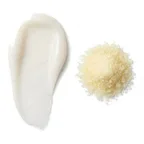 Phe-Resorcinol
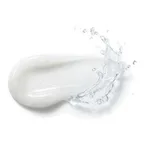 Thermal Spring Water
 Niacinamide
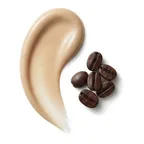 Caffeine
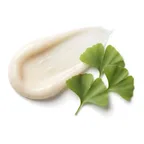 Ginkgo Biloba Extract
Average
- HighOily Skin Fit
- AverageEffectiveness
- HighSafety
Works for oily acne-prone skin; other eye cares fit it better.
This fit is calculated for the concerns frequently associated with oily acne-prone skin: shine, breakouts, blemishes, and enlarged pores. For scores and recommendations based on your full skin profile, including your 12D face scan results and any goals or preferences you have, please use the Lovi app.
Updated How the Fit score works
Lovi Assistant explains
- Offers moderate brightening and evening of skin tone for your oily skin, as phenylethyl resorcinol and niacinamide work to improve overall skin appearance. Glycerin and butylene glycol provide general hydration, which is supportive but not specifically targeted for your acne, blemishes, breakouts, and oiliness.
- Niacinamide and caffeine offer seboregulation and antioxidant activity, making the formula highly suitable for your oily skin type.
- The product has a good safety profile with no risks of irritation for your oily skin due to the absence of prohibited or harsh ingredients.
People Say
★4.0Overall rating based on 600+ reviewsUsers frequently praise the product for its cooling metal applicator and immediate brightening effect due to light-reflecting pigments, which helps with dark circles and puffiness. However, long-term results for reducing dark circles are mixed, and some users with sensitive skin reported irritation or dryness instead of hydration.
Highlights
Cooling applicator Often Mentioned
- “feels nice and cool”
- “soothing on eyes”
- “helps decongest”
- “reduces puffiness”
Instant brightening Often Mentioned
- “light-reflecting pigments”
- “instantly brightens”
- “illuminates eye area”
- “looks more awake”
Gentle for most Sometimes Noted
- “good for sensitive eyes”
- “no fragrance”
- “didn't irritate”
- “light hydration”
Lightweight texture Sometimes Noted
- “absorbs fast”
- “non-greasy”
- “melt-in texture”
- “good under makeup”
No visible results Sometimes Noted
- “no difference”
- “circles still there”
- “didn't work”
- “waste of money”
Skin irritation Sometimes Noted
- “burning sensation”
- “caused peeling”
- “allergic reaction”
- “redness and stinging”
Insufficient hydration Rarely Noted
- “not moisturizing enough”
- “settled into lines”
- “skin felt dry”
- “created crepey texture”
Texture issues Rarely Noted
- “white cast”
- “pilling under makeup”
- “left residue”
- “flaking off”
Sources: lovi.care, laroche-posay.us, dermstore.com, walmart.com, lovelyskin.com, beautycrew.com.au, and more
Questions and answers
How well does La Roche-Posay Pigmentclar Eyes work for oily acne-prone skin?
La Roche-Posay Pigmentclar Eyes works moderately well for oily acne-prone skin, providing gentle brightening and hydration without causing irritation. However, it lacks enough targeted ingredients to actively manage excess oil and breakouts. An eye care product for this skin type needs specialized ingredients that control oil and help clear blemishes while keeping the delicate eye area moisturized.
The British Journal of Dermatology, 2002Journal of Cosmetic Dermatology, 2021
Which ingredients make this cream a good fit for oily acne-prone skin?
Niacinamide and caffeine help regulate oil and provide antioxidant support, making the formula a good fit for oily skin. To work best for oily acne-prone skin, a product of this type needs targeted ingredients that actively manage breakouts and excess oil.
What does Phe-Resorcinol do for oily acne-prone skin?
Phe-Resorcinol helps fade dark marks and brightens oily acne-prone skin. This ingredient is unlikely to cause irritation and is effective at reducing excess pigment left behind by breakouts.
What does Thermal Spring Water do for oily acne-prone skin?
Thermal spring water helps calm oily, acne-prone skin by reducing redness, swelling, and irritation while supporting standard acne treatments. This type of water may also improve skin hydration and ease dryness without clogging pores.
Where does this cream go in a skincare routine for oily acne-prone skin?
This eye care product fits into your morning and evening routines after cleansing and toning, but before your moisturizer and sunscreen. Because your skin is oily and acne-prone, an ideal eye product for you also needs lightweight hydrators and oil-balancing ingredients like niacinamide and caffeine.
Can I use this cream with retinol, and in what order?
You can use this eye care with retinol by applying it either before or after your retinol treatment, as it is unlikely to cause irritation on your oily acne-prone skin. However, this skin type needs a product that specifically targets breakouts and excess oil with ingredients like salicylic acid or oil-absorbing minerals rather than just general hydration.
How often should I use this cream?
This eye care product works for your oily acne-prone skin, though this skin type needs products with targeted blemish-fighting ingredients and oil-balancing benefits.
Can this cream clog pores, cause breakouts or purging for oily acne-prone skin?
This eye care is unlikely to clog your pores or cause irritation since it avoids harsh ingredients, though it offers only general hydration rather than targeted care for breakouts. Oily acne-prone skin needs lightweight formulas with specialized ingredients like salicylic acid or benzoyl peroxide to effectively clear pores and manage blemishes.
Is this cream fragrance-free and alcohol-free?
Yes, it has no fragrance and no drying alcohol. Cetearyl alcohol is a fatty alcohol, which soften the skin.
What the research says
Niacinamide significantly decreased hyperpigmentation and increased skin lightness compared with vehicle alone after 4 weeks of use in women by inhibiting melanosome transfer.
The British Journal of Dermatology, 2002Nano-microneedle-assisted phenylethyl resorcinol significantly reduced the melanin index in infraorbital dark circles compared to baseline and topical-only treatment in 20 female participants without serious adverse effects.
Journal of Cosmetic Dermatology, 2021Low doses of caffeine protect skin cells and mouse skin tissues from oxidative stress-induced senescence and damage by activating autophagy through the A2AR/SIRT3/AMPK pathway.
Theranostics, 2018Topical caffeine acts as an active cosmetic compound by preventing excessive fat accumulation through phosphodiesterase inhibition, protecting cells against UV radiation with antioxidant properties, increasing skin microcirculation, and stimulating hair growth via 5-alpha-reductase inhibition.
Skin Pharmacology and Physiology, 2013Topical nicotinamide prevented solar-simulated UV-induced immunosuppression in healthy volunteers, and men experienced immunosuppression at solar-simulated UV doses three times lower than those required for women.
The Journal of Investigative Dermatology, 2008Topical 5% niacinamide applied twice daily for 12 weeks reduced fine lines and wrinkles, hyperpigmented spots, red blotchiness, and skin sallowness, and improved skin elasticity compared to vehicle control in 50 female white subjects with facial photoaging.
Dermatologic Surgery, 2005Topical 2% niacinamide significantly decreased sebum excretion rate in Japanese individuals and casual sebum levels in Caucasian individuals compared to placebo or baseline.
Journal of Cosmetic and Laser Therapy, 2006Topical sunscreen formulations containing caffeine combined with UV filters increased in vivo anti-UVB protection by approximately 25% and showed higher SPF values compared to caffeine-free sunscreen, while being well tolerated by the skin of healthy subjects.
Frontiers in Physiology, 2019Serum-free organ culture of human skin ex vivo induces extremely accelerated ageing within 3 days, which is counteracted by caffeine and 2,5-dimethylpyrazine treatments.
Experimental Dermatology, 2024Topical caffeine applied after ultraviolet irradiation in SKH-1 hairless mice decreased skin roughness and more than doubled the number of apoptotic keratinocytes compared to vehicle treatment.
The British Journal of Dermatology, 2007Topical application of a 2% cream containing combined fruit extracts for 56 days significantly reduced wrinkle depth by 11.5%, length by 10.07%, and area by 29.55% in 21 female subjects compared to a placebo.
Clinical, Cosmetic and Investigational Dermatology, 2015A dermocosmetic containing bakuchiol, Ginkgo biloba extract, and mannitol improves inflammatory lesions, Investigator Global Assessment, and seborrhea intensity when added to adapalene 0.1% gel in patients with acne vulgaris.
Clinical, Cosmetic and Investigational Dermatology, 2015Topical application of Ginkgo biloba cream for two weeks reduced wrinkles and improved skin shape, texture, and tautness in human volunteers compared to baseline.
Drug Development and Industrial Pharmacy, 2023
Why other eye cares fit oily acne-prone skin better
Topical UP256 cream containing 0.5% bakuchiol administered twice daily significantly reduced inflammatory lesions and improved acne-related post-inflammatory hyperpigmentation in 13 subjects with mild or moderate facial acne.
Journal of Drugs in Dermatology, 2021Co-delivery of paeonol and madecassoside via nanoemulsions improved transdermal delivery, promoted barrier repair proteins, inhibited inflammatory cytokine secretion in cellular and 3D models, and reduced transepidermal water loss and acne in human facial skin compared to free components.
Molecules, 2023
Ingredients
Water, Glycerin, Butylene Glycol, Dimethicone, Niacinamide, Isopropyl Palmitate, Cetearyl Alcohol, Ammonium Polyacryldimethyltauramide Ammonium Polyacryloyldimethyl Taurate, Butyrospermum Parkii Shea Butter, Peg-100 Stearate, Peg Ppg Polybutylene Glycol-8 5 3 Glycerin, Stearic Acid, Glyceryl Stearate, Dimethicone Vinyl Dimethicone Crosspolymer, Dimethiconol, Caffeine, Sodium Hydroxide, Silica, Ginkgo Biloba Ginkgo Biloba Leaf Extract Extract, Palmitic Acid, Alumina, Phenylethyl Resorcinol, Ascorbyl Glucoside, Poloxamer 338, Disodium Edta, Isopropyl Titanium Triisostearate, Hydrolyzed Rice Protein, Caprylyl Glycol, Xanthan Gum, Ferulic Acid, Phenoxyethanol, Ci 77491 Ci 77492 Ci 77499 Iron Oxides, Ci 77891 Titanium Dioxide, Mica
Behind this fit score
Lovi calculates every fit score from the full ingredient list with brand-independent rules our dermatologists and cosmetic chemists build and review, and personalizes every pick with AI trained on the real results of millions of users. Lovi trains its fit score models on a proprietary dataset built from more than 10,000 expert-labeled products and more than 100,000 simulated examples, following an internally consistent methodology presented at Cosmoprof, AMWC, and Skin of Color Update.
-

Co-founder, Medical Director
Cosmetic chemist, cosmetologist, aesthetic products developer
-

Co-founder, CEO and CTO
PhD in computer science, 3x US patent holder, ex-Google, ex-Yandex
-

Dr. Sofía Perea Pérez, MD, MSc
Medical Board
Aesthetic medicine practitioner, MSc in Longevity and Anti-Aging Medicine
-

Medical Board
Specialist dermatologist, MBBS, MD, IFAAD
-

Medical Board
Cosmetic chemist, SCS, IFSCC member
-

Medical Board, Medical Advisor
Dermatology MD
-

Elina Nazarenko, MD
Medical Board
Dermatology and diagnostic consultant
-

Victoria Derkova, MS
Medical Board
Cosmetic chemist, cosmetic development technologist


How does it fit your skin?
Scan your face, then any product: Lovi shows how well it fits you and what fits even better.