
La Roche-Posay Effaclar Adapalene Gel 0.1% Acne Treatment for oily skin

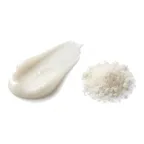 Adapalene
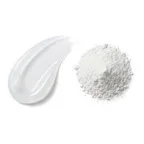 Carbomer Homopolymer
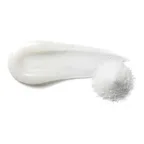 Edetate Disodium
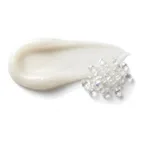 Methylparaben
 Poloxamer 182
Superior
- SuperiorOily Skin Fit
- SuperiorEffectiveness
- ExcellentSafety
One of the best serums for oily skin.
This fit is calculated for the concerns frequently associated with oily skin: shine, enlarged pores, blackheads, and blemishes. For scores and recommendations based on your full skin profile, including your 12D face scan results and any goals or preferences you have, please use the Lovi app.
Updated How the Fit score works
Lovi Assistant explains
- Excellent suitability for your oily skin and acne-prone concerns is provided by adapalene, a potent retinoid that normalizes skin cell turnover and effectively reduces acne lesions and blemishes.
- Propylene glycol ensures adequate hydration and soothes the skin, complementing the retinoid's action without causing irritation.
- The safety profile is excellent, with no risks of irritation due to the absence of harsh ingredients and the presence of soothing components.
How to apply
- Use this serum in your PM routine. Start by applying it 3 times a week and build up to daily use if your skin tolerates it well.
- Apply the serum after cleansing and toning, but right before your moisturizer for the best results.
- Gently press 2-3 drops of the serum into your skin. Let it absorb ⏱ for a minute before applying the next product.
- Apply the serum on clean and dry skin since your skin is not sensitive and you want to target oily shine. This helps control excess oil throughout the night.
- Avoid the delicate eye area and do a patch test before using the serum for the very first time.
People Say
★4.6Overall rating based on 8.1k+ reviewsUsers with oily, cystic, and hormonal acne report significant improvements in skin texture and clarity, often noting it as a gentler alternative to prescription retinoids. This summary is based on a very large amount of data and should definitely be taken into account. While effective at clearing clogged pores and preventing new breakouts, a "purging" phase and initial dryness are common hurdles that require patience and a supportive moisturizing routine.
Highlights
Clears stubborn acne Often Mentioned
- “Finally cleared my cystic bumps on my chin”
- “Eliminated blackheads and whiteheads within weeks”
- “Stopped my hormonal breakouts from forming”
Causes initial purging Often Mentioned
- “Acne got worse for the first month before clearing”
- “Broke out in tiny whiteheads initially”
- “Had a bad purge period but it was worth it”
Drying and peeling Often Mentioned
- “Made my skin flake around the nose and mouth”
- “Experienced significant dryness during the first few weeks”
- “Left my face feeling tight and parched”
Gentle yet effective Sometimes Noted
- “Less irritating than other retinoids I've tried”
- “Did not burn my sensitive skin like others”
- “Great balance of strength without ruining my barrier”
Improves skin texture Sometimes Noted
- “My skin feels much smoother and softer”
- “Helped fade old acne marks and scars”
- “Pores look smaller and less congested”
Stinging or burning Sometimes Noted
- “Stung upon application for the first few days”
- “Burned slightly when I applied moisturizer over it”
- “Skin felt raw and sensitive to touch”
Lightweight gel formula Rarely Noted
- “Absorbs instantly without feeling greasy”
- “Layers well under my moisturizer”
- “Non-sticky texture is perfect for oily skin”
Requires sun protection Rarely Noted
- “Made my skin very sensitive to sunlight”
- “Got a sunburn much faster than usual”
- “Must wear SPF or face gets red easily”
Sources: lovi.care, amazon.com, ulta.com, lovelyskin.com, target.com, laroche-posay.us, and more
Questions and answers
What makes La Roche-Posay Adapalene Gel 0.1% one of the best fits for oily skin?
La Roche-Posay Adapalene Gel 0.1% is one of the best fits for your oily skin because it uses adapalene to balance skin cell turnover and clear blemishes. Propylene glycol also helps keep the skin hydrated and calm without feeling greasy.
Which ingredients make this treatment a good fit for oily skin?
Adapalene and propylene glycol make this treatment a superior fit for oily skin by normalizing cell turnover to clear blemishes while providing gentle hydration and soothing effects. This combination is supported by an excellent safety profile with a very low risk of irritation.
What does Adapalene do for oily skin?
Adapalene helps oily skin by reducing excess oil and lipid production, while also keeping pores clear to prevent breakouts. It works by slowing down skin cell buildup and lowering inflammation, making it a key treatment for keeping skin smooth and calm.
Journal of Dermatological Science, 2013Journal of Dermatological Science, 2014
What does Carbomer do for oily skin?
Carbomer helps create a gentle, lightweight gel texture that delivers active ingredients smoothly without making oily skin feel greasy or heavy. Formulations using carbomer show a very safe profile on the skin and are unlikely to cause irritation.
Where does this treatment go in a skincare routine for oily skin?
This treatment goes in the evening routine after cleansing and before moisturizing, as putting treatments in the evening provides simplicity and extra safety around sun exposure. Adapalene normalizes skin cell turnover to help reduce blemishes while propylene glycol hydrates and soothes the skin.
Can I use this treatment with retinol, and in what order?
It is best to avoid using this treatment in the same routine as retinol, as combining potent retinoids may lead to excessive dryness and irritation. Instead, you can use retinol on alternating nights or use them in separate routines to keep your skin calm and smooth.
American Family Physician, 2012Journal of Cosmetic Dermatology, 2024
How often should I use this treatment?
This treatment is best used in your evening routine, allowing the adapalene to normalize skin cell turnover and clear blemishes while avoiding extra sun sensitivity. It is safe for oily skin and helps keep your complexion clear without causing irritation.
American Journal of Clinical Dermatology, 2022Archives of Dermatological Research, 2022
Can this treatment clog pores, cause breakouts or purging for oily skin?
Yes, this treatment may cause initial purging and breakouts when you first start using it, as adapalene speeds up skin cell turnover to clear blemishes. It is unlikely to clog pores, and propylene glycol helps keep your oily skin hydrated without feeling heavy.
American Journal of Clinical Dermatology, 2022Archives of Dermatological Research, 2022
Is this treatment fragrance-free and alcohol-free?
Yes, it has no fragrance and no drying alcohol.
What the research says
Once-daily fixed-dose clindamycin phosphate 1.2%/benzoyl peroxide 3.1%/adapalene 0.15% gel achieved superior treatment success (52.5%) and greater reductions in inflammatory and noninflammatory lesions compared to vehicle (8.1%) and dyad component gels in participants with moderate-to-severe acne over 12 weeks.
American Journal of Clinical Dermatology, 2022Tea tree oil nanoemulsion containing adapalene gel demonstrated significantly greater reductions in total, inflammatory, and non-inflammatory acne lesions as well as acne severity index compared to adapalene marketed gel in 100 patients with acne vulgaris over 12 weeks.
Archives of Dermatological Research, 2022Topical clindamycin phosphate 1.2%/adapalene 0.15%/benzoyl peroxide 3.1% gel achieved significantly greater treatment success and lesion reductions compared to vehicle in participants with moderate-to-severe acne.
Journal of the American Academy of Dermatology, 2023Daily application of adapalene 0.3%/benzoyl peroxide 2.5% gel reduced and prevented atrophic acne scar formation, achieving a total scar count change of -15.5% versus +14.4% for vehicle over 24 weeks in 67 subjects with moderate or severe facial acne.
American Journal of Clinical Dermatology, 2018Treatment with adapalene 0.3%/benzoyl peroxide 2.5% gel for 48 weeks reduced atrophic acne scar counts by 26.9% in subjects with moderate or severe facial acne, while delayed treatment starting at week 24 resulted in a smaller final reduction.
American Journal of Clinical Dermatology, 2019Adapalene 0.3 %/benzoyl peroxide 2.5 % gel applied once daily for 12 weeks achieved a superior success rate of 33.7% compared to 11.0% for vehicle in subjects with moderate and severe inflammatory acne.
American Journal of Clinical Dermatology, 2016Topical liquiritin carbomer gel treatment restored skin barrier function, increased barrier proteins and antioxidant enzymes, and decreased inflammatory cytokines and oxidative stress in a mouse model of glucocorticoid-induced skin inflammation.
Pharmaceutics, 2024Optimized fisetin-loaded glycerosomes formulated into a Carbopol gel achieved effective dermal delivery with a flux of 4.24 µg/cm2/h and zero-order release kinetics.
International Journal of Pharmaceutics, 2020Incorporating nanoemulsions into hydrogels with increasing Carbopol 934 proportions from 1% to 3% progressively decreased the percutaneous flux rates of terbinafine and citral, increased drug accumulation in the stratum corneum while decreasing it in the epidermis/dermis compared to nanoemulsions alone, and shifted delivery routes from skin appendages to intercellular paths.
International Journal of Nanomedicine, 2016Ketorolac tromethamine poloxamer hydrogel provided sufficient bioavailability to reach the site of action with anti-inflammatory efficacy and no visual skin irritation in volunteers.
Pharmaceutical Research, 2017Poloxamer 407 nanoparticulate gels of caffeic acid slowed drug diffusion eight-fold compared to an aqueous solution and demonstrated an antioxidant protective effect on human skin explants exposed to cigarette smoke.
Nanomaterials, 2020Monooleine aqueous dispersions formulated with poloxamer 407 or sodium cholate-sodium caseinate achieved high curcumin encapsulation efficiency above 82-98%, maintained chemical stability, controlled in vitro percutaneous absorption, and extended antioxidant and anti-inflammatory effects.
Journal of Pharmaceutical Sciences, 2013
Ingredients
Adapalene Usp Retinoid Acne Treatment, Carbomer Homopolymer, Edetate Disodium, Methylparaben, Poloxamer 182, Propylene Glycol, Water, Sodium Hydroxide
Behind this fit score
Lovi calculates every fit score from the full ingredient list with brand-independent rules our dermatologists and cosmetic chemists build and review, and personalizes every pick with AI trained on the real results of millions of users. Lovi trains its fit score models on a proprietary dataset built from more than 10,000 expert-labeled products and more than 100,000 simulated examples, following an internally consistent methodology presented at Cosmoprof, AMWC, and Skin of Color Update.
-

Co-founder, Medical Director
Cosmetic chemist, cosmetologist, aesthetic products developer
-

Co-founder, CEO and CTO
PhD in computer science, 3x US patent holder, ex-Google, ex-Yandex
-

Dr. Sofía Perea Pérez, MD, MSc
Medical Board
Aesthetic medicine practitioner, MSc in Longevity and Anti-Aging Medicine
-

Medical Board
Specialist dermatologist, MBBS, MD, IFAAD
-

Medical Board
Cosmetic chemist, SCS, IFSCC member
-

Medical Board, Medical Advisor
Dermatology MD
-

Elina Nazarenko, MD
Medical Board
Dermatology and diagnostic consultant
-

Victoria Derkova, MS
Medical Board
Cosmetic chemist, cosmetic development technologist


How does it fit your skin?
Scan your face, then any product: Lovi shows how well it fits you and what fits even better.