
La Roche-Posay Anthelios Melt-In Milk Sunscreen SPF 60 for mature skin

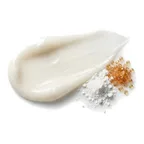 Cell-Ox Shield Technology
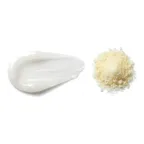 Avobenzone
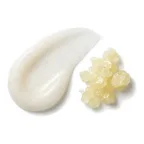 Homosalate
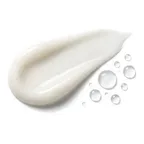 Octisalate
 Octocrylene
High
- HighNormal Skin Fit
- HighEffectiveness
- HighSafety
One of the best sunscreens for mature skin.
This fit is calculated for the concerns frequently associated with mature skin: fine lines, wrinkles, and loss of firmness. For scores and recommendations based on your full skin profile, including your 12D face scan results and any goals or preferences you have, please use the Lovi app.
Updated How the Fit score works
Lovi Assistant explains
- Highly suitable for your normal skin, this product offers excellent UV protection with avobenzone, homosalate, octisalate, and octocrylene, while glycerin and tocopherol provide essential hydration and antioxidant benefits.
- While it supports general skin health, it lacks specialized ingredients to directly target your primary concern of wrinkles and fine lines.
- The formulation is safe for your normal skin, with no risks of irritation due to the absence of prohibited or harsh ingredients.
How to apply
- Apply this sunscreen during your AM routine every morning. Reapply as needed throughout the day for continuous protection against wrinkles.
- Apply after your moisturizer as the final step of your morning skincare routine before heading outdoors.
- Smooth an even layer gently over your face and neck without harsh rubbing. Let it set for a minute before applying makeup.
- Apply the sunscreen on clean and dry skin to ensure an even and protective layer against fine lines.
- Avoid direct contact with your eyes . Do a patch test before first use to check for skin comfort.
People Say
★4.6Overall rating based on 3.3k+ reviewsBased on a very large amount of data, users with sensitive and dry skin frequently praise this sunscreen for its hydrating, melt-in texture that provides robust protection without causing breakouts or irritation. While most users report a clear finish, those with oily skin sometimes find it too heavy or shiny, and a minority of users experience eye stinging during sweaty activities.
Highlights
Effective sun protection Mostly Mentioned
- “No burns on me”
- “Kept me perfectly protected”
- “Prevented sunburns during outdoor activities”
Smooth melt-in texture Mostly Mentioned
- “Absorbs quickly without residue”
- “Glides on like a lightweight lotion”
- “Velvety texture that blends easily”
Hydrating and moisturizing Often Mentioned
- “Leaves skin hydrated and smooth”
- “Feels like a gentle whip cream”
- “Doesn't leave my skin dry”
No white cast Often Mentioned
- “Doesn't leave the white residue”
- “No pasty residue here”
- “Blends seamlessly into the skin”
Gentle on sensitive skin Sometimes Noted
- “Perfect for sensitive skin”
- “No acne or irritation”
- “Calm and even-toned skin”
Stings eyes Sometimes Noted
- “Make my eyes sting and water”
- “Stings if it migrates into eyes”
- “Burning sensation when sweating”
Expensive price Rarely Noted
- “A bit expensive for the size”
- “Pricey but worth it”
- “Wish the bottle was bigger”
Greasy finish Rarely Noted
- “Felt a little heavier on my skin”
- “Too shiny for my face”
- “Left a bit of a grease film”
White cast Rarely Noted
- “Leaves white cast and won't absorb”
- “White smears that made it worse”
- “Visible residue on hairline”
Sources: lovi.care, ulta.com, target.com, dermstore.com, lovely-skin.com, walmart.com, and more
Questions and answers
What makes La Roche-Posay Melt-In Milk Sunscreen SPF 60 a great fit for mature skin?
La Roche-Posay Anthelios Melt-In Milk Sunscreen SPF 60 is a great fit because it provides high UV protection with avobenzone, homosalate, octisalate, and octocrylene, alongside glycerin and tocopherol for essential hydration and antioxidant benefits. The formulation is safe for your skin with no risks of irritation.
Which ingredients make this sunscreen a good fit for mature skin?
Glycerin and tocopherol help make this sunscreen a great fit for mature skin by providing essential hydration and antioxidant benefits. It is also safe and unlikely to cause irritation.
What does Cell-Ox Shield do for mature skin?
Cell-Ox Shield helps protect mature skin from UV damage that leads to dark spots and wrinkles, while keeping the skin smooth and healthy. Daily use of this type of sunscreen supports a more even texture and slows down further signs of aging. A product for mature skin needs broad-spectrum UV filters and antioxidants to prevent photoaging.
Dermatologic Surgery, 2016Photodermatology, Photoimmunology & Photomedicine, 2021
What does Avobenzone do for mature skin?
Avobenzone provides effective protection against ultraviolet rays to help prevent skin aging when used regularly. It is often combined with photostabilizing ingredients or antioxidants like vitamin E or ubiquinone to maintain its protective performance under the sun.
Journal of Photochemistry and Photobiology. B, Biology, 2014Cureus, 2024
Where does this sunscreen go in a skincare routine for mature skin?
This sunscreen goes in the morning routine as the final step after your moisturizer. It is safe for mature skin, providing strong UV protection along with hydration and antioxidants.
Can I use this sunscreen with retinol, and in what order?
Yes, you can use this sunscreen every morning as the final step of your skincare routine after your moisturizer, and apply your retinol at night. This sunscreen protects your skin from the sun, but because it lacks specialized anti-aging ingredients, mature skin needs added treatments like retinol or antioxidant serums to specifically target fine lines and wrinkles.
How often should I use this sunscreen?
You can use this sunscreen every morning as the final step of your daytime skincare routine. It offers strong UV protection while keeping your skin hydrated and safe from irritation.
Can this sunscreen clog pores, cause breakouts or purging for mature skin?
This sunscreen is unlikely to clog pores or cause breakouts for mature skin, as its safe formula avoids harsh ingredients that typically trigger irritation. It provides reliable sun protection with a low risk of greasy finish, though a product of this type for mature skin also needs specialized ingredients like retinol or peptides to help smooth wrinkles and fine lines.
Is this sunscreen fragrance-free and alcohol-free?
It has no fragrance and contains drying alcohol (alcohol denat).
What the research says
A topical serum containing vitamin C, vitamin E, and raspberry leaf cell culture extract improved skin color, elasticity, radiance, smoothness, scaliness, and wrinkles compared to the untreated contralateral side in fifty female volunteers.
Journal of Cosmetic Dermatology, 2020A nighttime topical antioxidant containing resveratrol, baicalin, and vitamin E significantly improved fine lines, wrinkles, firmness, elasticity, laxity, hyperpigmentation, radiance, roughness, and dermal thickness in subjects with mild to moderately photodamaged skin over 12 weeks.
Journal of Drugs in Dermatology, 2014Chemical sunscreens containing avobenzone, octocrylene, homosalate, and octisalate showed no to minimal risks of dermal irritation, sensitization, photo-allergy, and photo-irritation in human subjects.
Journal of Drugs in Dermatology, 2025The application of a sunscreen formulation containing ethylhexyl methoxycinnamate, ethylhexyl salicylate, methyl anthranilate, and octocrylene does not significantly affect critical acne-related species such as Cutibacterium acnes and Staphylococcus epidermidis, refuting the induction of facial dysbiosis in men.
Archives of Dermatological Research, 2024Mexoryl SX (5%) efficiently prevents UVA-induced skin alterations including pigmentation, stratum corneum thickening, and protein expression changes in human skin.
Journal of Photochemistry and Photobiology. B, Biology, 1998Sunscreens containing Mexoryl SX provide superior protection against UVA- and solar-simulated radiation-induced biological damage, including pigmentation, DNA damage, immune suppression, and dermal alterations, compared to formulations without it in human volunteers and patients.
Photodermatology, Photoimmunology & Photomedicine, 2008Topical application of a 5% Mexoryl SX sunscreen formulation reduced or abolished the visible, histological, electron microscopic, and biochemical cutaneous changes induced by chronic sub-erythemal UV-A irradiation in hairless mice compared to unprotected irradiated animals.
Photochemistry and Photobiology, 1992Methoxy-monobenzoylmethane protects human skin against UV-induced damage by converting to avobenzone under UVB light irradiation and demonstrating antioxidant and radical scavenging properties in vitro and in cell assays.
Molecules, 2021Encapsulation of ethylhexyl methoxycinnamate and butyl methoxydibenzoylmethane in lipid microparticles significantly reduced their in vivo human skin penetration compared to nonencapsulated filters.
Skin Pharmacology and Physiology, 2011Microencapsulation of the BMDBM/HP-beta-CD complex in lipid microparticles significantly decreased the percutaneous penetration of the UV filter into the stratum corneum of human volunteers compared to the non-encapsulated sunscreen agent.
Journal of Pharmaceutical and Biomedical Analysis, 2011Dermal application of a sunscreen containing 10% homosalate in four volunteers resulted in delayed elimination with terminal half-times around 24 h and a bioavailability of cis-homosalate a factor of 2 lower than trans-homosalate, while metabolite ratios supported using oral-route urinary excretion fractions for dermal exposure assessments.
Archives of Toxicology, 2024Homosalate exhibited the highest permeation among tested filters with a relative permeability rate of 4.2% and a depth of 60 um, and specific thickeners and emulsifiers successfully reduced its permeation without inhibiting the skin permeation of niacinamide.
Photodermatology, Photoimmunology & Photomedicine, 2026An online-SPE-LC-MS/MS method successfully quantified specific urinary homosalate metabolites for up to 96 hours after dermal sunscreen application in a volunteer and detected metabolites exclusively in three German pilot participants who had used sunscreen within five days.
Analytica Chimica Acta, 2021Simulated real-life dermal sunscreen exposure in twenty human volunteers leads to the systemic bioavailability and urinary excretion of the UV filter 2-ethylhexyl salicylate and its metabolite, reaching concentration peaks at 7 to 8 hours with 70-80% of overall excretion within 24 hours.
Archives of Toxicology, 2019Controlled single dermal exposure to an EHS-containing sunscreen in three volunteers resulted in delayed systemic resorption with elimination half-lives between 6.6 and 9.7 hours, where the parent compound EHS occurred as the dominant urinary parameter.
Archives of Toxicology, 2024LC-MS/MS reassessment of human urine samples after dermal sunscreen application identified EHS and several new metabolites, with EHS accounting for 34% of the cumulative excretion within 24 hours.
Toxicology Letters, 2024Dermal sunscreen exposure in 20 healthy volunteers led to plasma concentrations of avobenzone, octocrylene, and its metabolite CDAA reaching up to 11 μg/L, 25 μg/L, and 1352 μg/L, respectively.
Environment International, 2019Incorporating rosmarinic acid into sunscreens enhanced the in vivo SPF of octocrylene by over 157% and reduced lipid peroxidation in the human stratum corneum.
Antioxidants, 2025UV filters octocrylene, octylmethoxycinnamate, and benzophenone-3 increase the generation of UV-induced reactive oxygen species in the nucleated epidermis above control levels when left on the skin surface for 60 minutes.
Free Radical Biology & Medicine, 2006
Ingredients
Avobenzone, Homosalate, Octisalate, Octocrylene, Water, Styrene Acrylates Copolymer, Dimethicone, Polymethylsilsesquioxane, Butyloctyl Salicylate, Glycerin, Alcohol Denat, Poly C10-30 Alkyl Acrylate, Caprylyl Methicone, Trisiloxane, Acrylates Dimethicone Copolymer, Diethylhexyl Syringylidenemalonate, Peg-100 Stearate, Glyceryl Stearate, Phenoxyethanol, Potassium Cetyl Phosphate, Propylene Glycol, Caprylyl Glycol, Peg-8 Laurate, Acrylates C10-30 Alkyl Acrylate Crosspolymer, Triethanolamine, Tocopherol, Inulin Lauryl Carbamate, Disodium Edta, P-Anisic Acid, Caprylic Capric Triglyceride, Xanthan Gum, Cassia Alata Leaf Extract, Maltodextrin, Sodium Dodecylbenzenesulfonate
Behind this fit score
Lovi calculates every fit score from the full ingredient list with brand-independent rules our dermatologists and cosmetic chemists build and review, and personalizes every pick with AI trained on the real results of millions of users. Lovi trains its fit score models on a proprietary dataset built from more than 10,000 expert-labeled products and more than 100,000 simulated examples, following an internally consistent methodology presented at Cosmoprof, AMWC, and Skin of Color Update.
-

Co-founder, Medical Director
Cosmetic chemist, cosmetologist, aesthetic products developer
-

Co-founder, CEO and CTO
PhD in computer science, 3x US patent holder, ex-Google, ex-Yandex
-

Dr. Sofía Perea Pérez, MD, MSc
Medical Board
Aesthetic medicine practitioner, MSc in Longevity and Anti-Aging Medicine
-

Medical Board
Specialist dermatologist, MBBS, MD, IFAAD
-

Medical Board
Cosmetic chemist, SCS, IFSCC member
-

Medical Board, Medical Advisor
Dermatology MD
-

Elina Nazarenko, MD
Medical Board
Dermatology and diagnostic consultant
-

Victoria Derkova, MS
Medical Board
Cosmetic chemist, cosmetic development technologist


How does it fit your skin?
Scan your face, then any product: Lovi shows how well it fits you and what fits even better.