
L'Oréal Bright Reveal for oily skin

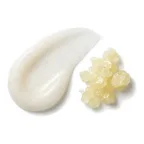 Homosalate
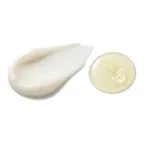 Octocrylene
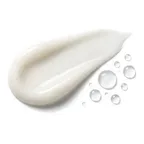 Ethylhexyl Salicylate
Low
- HighOily Skin Fit
- AverageEffectiveness
- ConcerningSafety
A weak match for oily skin; the sunscreens alongside fit it better.
This fit is calculated for the concerns frequently associated with oily skin: shine, enlarged pores, blackheads, and blemishes. For scores and recommendations based on your full skin profile, including your 12D face scan results and any goals or preferences you have, please use the Lovi app.
Updated How the Fit score works
Lovi Assistant explains
- Suboptimal compatibility with your oily skin as glycerin and niacinamide provide hydration and some oil regulation, but the formula lacks specialized ingredients to effectively manage oily shine and may pose risks of worsening it.
- The inclusion of homosalate and octocrylene offers moderate UV protection, which is beneficial for overall skin health.
Buy online

Prices checked 20 Nov 2026
The Lovi Fit is the same in every country; only the stores and prices differ, and the ones here are for Europe.
How to apply
- Use this moisturizing sunscreen daily in your AM routine. Reapply every two hours when exposed to direct sun.
- Apply this moisturizing sunscreen as the final step of your morning routine after your moisturizer.
- Smooth an even layer of the moisturizing sunscreen over your face and neck, avoiding harsh rubbing.
- Apply the moisturizing sunscreen onto clean, dry skin for the best protection and even coverage.
- Avoid the immediate eye area and discontinue use if any irritation occurs.
People Say
★4.6Overall rating based on 2.2k+ reviewsBased on a very large amount of data, users with hyperpigmentation, post-acne marks, and dullness frequently report that this line, particularly the serum and peel, visibly fades dark spots and smooths skin texture over time. The SPF is widely praised by those with oily and combination skin for being invisible and lightweight. A minority of users with sensitive or acne-prone skin experienced breakouts or irritation due to fragrance and alcohol content.
Highlights
Lightweight texture Mostly Mentioned
- “absorbs quickly without grease”
- “feels like nothing on”
- “layers well under makeup”
- “non-sticky and breathable”
Fades dark spots Often Mentioned
- “visibly lighter freckles after use”
- “acne marks faded significantly”
- “sun spots less visible”
- “helped even out pigmentation”
No white cast Often Mentioned
- “invisible on dark skin”
- “melts in completely clear”
- “no chalky residue left”
- “great for all tones”
Smoother skin Sometimes Noted
- “skin feels glass-like”
- “pores look smaller”
- “texture is much softer”
- “bumps smoothed out”
Causes breakouts Sometimes Noted
- “woke up with pimples”
- “caused cystic acne flare”
- “clogged my pores badly”
- “broke me out immediately”
Strong fragrance Sometimes Noted
- “scent is too overpowering”
- “smells like strong perfume”
- “fragrance irritated my nose”
- “wish it was unscented”
Drying or irritating Rarely Noted
- “burned my sensitive skin”
- “left face feeling tight”
- “alcohol content dried me”
- “stung upon application”
Ineffective for some Rarely Noted
- “saw zero difference”
- “dark spots didn't budge”
- “no change after months”
- “waste of money”
Sources: lovi.care, lorealparisusa.com, ulta.com, walmart.com, target.com, adorebeauty.com.au, and more
Questions and answers
Why is L'Oréal Bright Reveal Moisturizing SPF a weak match for oily skin?
This product is a weak match for oily skin because it lacks specialized ingredients to effectively manage oily shine and may worsen it. Oily skin needs a product that hydrates without excess oiliness and includes lightweight ingredients and effective sun protection without clogging pores.
Which ingredients make this cream a poor fit for oily skin?
Homosalate, octocrylene, and ethylhexyl salicylate make this cream a weak match because the formula lacks specialized ingredients to manage oily shine and may worsen it. A product for oily skin needs lightweight ingredients that hydrate without excess oiliness and control shine without clogging pores.
Journal of Drugs in Dermatology, 2025Archives of Dermatological Research, 2024
What does Homosalate do for oily skin?
Homosalate helps protect oily skin from UV rays, though sunscreens with this ingredient may need specific thickeners to control how deeply it sinks in. This ingredient is unlikely to cause irritation on skin.
Journal of Drugs in Dermatology, 2025Photodermatology, Photoimmunology & Photomedicine, 2026
What does Octocrylene do for oily skin?
Octocrylene provides sun protection that is unlikely to trigger breakouts for oily skin, as it does not disrupt natural skin bacteria. However, it may cause allergic reactions for some people, so products for oily skin using this ingredient also need soothing and lightweight ingredients to keep skin calm and smooth.
Where does this cream go in a skincare routine for oily skin?
This cream goes in the morning routine as a moisturizing sunscreen after your cleanser, hydrating toner, and moisturizer. Oily skin requires a sunscreen that also features specialized oil-controlling ingredients to effectively manage shine without worsening it.
Can I use it with retinol, and in what order?
This product may be used with retinol, applying the retinol first and following with this moisturizer and sunscreen in your morning routine. Oily skin needs a product of this type that also includes specialized ingredients to effectively control shine and prevent worsening it.
How often should I use this cream?
You can use this moisturizing spf every morning to help protect your skin from the sun. Oily skin needs a product of this type that includes specialized oil-absorbing or mattifying ingredients to effectively manage shine and avoid worsening it.
Can it clog pores, cause breakouts or purging for oily skin?
Yes, it may cause breakouts for oily skin because the formula lacks specialized ingredients to effectively manage oily shine and reviewers frequently complain about clogged pores. A product for this skin type needs oil-absorbing powders, lightweight mattifying agents, and non-comedogenic hydrators to control excess oil and keep pores clear.
Is it fragrance-free and alcohol-free?
It has no fragrance and contains drying alcohol (alcohol denat).
What the research says
A single application of a moisturizing fluid containing hyaluronic acid 1%, glycerin 5%, and Centella asiatica stem cells extract significantly increased skin hydration by 29% and reduced transepidermal water loss at 24 hours compared to baseline and an untreated control site in twenty healthy women.
Clinical, Cosmetic and Investigational Dermatology, 2017Niacinamide significantly decreased hyperpigmentation and increased skin lightness compared with vehicle alone after 4 weeks of use in women by inhibiting melanosome transfer.
The British Journal of Dermatology, 2002Incorporating rosmarinic acid into sunscreens enhanced the in vivo SPF of octocrylene by over 157% and reduced lipid peroxidation in the human stratum corneum.
Antioxidants, 2025Chemical sunscreens containing avobenzone, octocrylene, homosalate, and octisalate showed no to minimal risks of dermal irritation, sensitization, photo-allergy, and photo-irritation in human subjects.
Journal of Drugs in Dermatology, 2025The application of a sunscreen formulation containing ethylhexyl methoxycinnamate, ethylhexyl salicylate, methyl anthranilate, and octocrylene does not significantly affect critical acne-related species such as Cutibacterium acnes and Staphylococcus epidermidis, refuting the induction of facial dysbiosis in men.
Archives of Dermatological Research, 2024Dermal application of a sunscreen containing 10% homosalate in four volunteers resulted in delayed elimination with terminal half-times around 24 h and a bioavailability of cis-homosalate a factor of 2 lower than trans-homosalate, while metabolite ratios supported using oral-route urinary excretion fractions for dermal exposure assessments.
Archives of Toxicology, 2024Homosalate exhibited the highest permeation among tested filters with a relative permeability rate of 4.2% and a depth of 60 um, and specific thickeners and emulsifiers successfully reduced its permeation without inhibiting the skin permeation of niacinamide.
Photodermatology, Photoimmunology & Photomedicine, 2026An online-SPE-LC-MS/MS method successfully quantified specific urinary homosalate metabolites for up to 96 hours after dermal sunscreen application in a volunteer and detected metabolites exclusively in three German pilot participants who had used sunscreen within five days.
Analytica Chimica Acta, 2021Dermal sunscreen exposure in 20 healthy volunteers led to plasma concentrations of avobenzone, octocrylene, and its metabolite CDAA reaching up to 11 μg/L, 25 μg/L, and 1352 μg/L, respectively.
Environment International, 2019UV filters octocrylene, octylmethoxycinnamate, and benzophenone-3 increase the generation of UV-induced reactive oxygen species in the nucleated epidermis above control levels when left on the skin surface for 60 minutes.
Free Radical Biology & Medicine, 2006A mechanistic dermal model predicted that oxybenzone achieved the greatest plasma concentration following facial application among seven organic sunscreen active ingredients, while several scenarios for avobenzone, ensulizole, octocrylene, and octinoxate yielded median plasma levels of 0.5 ng/ml or below.
Journal of Pharmaceutical Sciences, 2024Simulated real-life dermal sunscreen exposure in twenty human volunteers leads to the systemic bioavailability and urinary excretion of the UV filter 2-ethylhexyl salicylate and its metabolite, reaching concentration peaks at 7 to 8 hours with 70-80% of overall excretion within 24 hours.
Archives of Toxicology, 2019Controlled single dermal exposure to an EHS-containing sunscreen in three volunteers resulted in delayed systemic resorption with elimination half-lives between 6.6 and 9.7 hours, where the parent compound EHS occurred as the dominant urinary parameter.
Archives of Toxicology, 2024LC-MS/MS reassessment of human urine samples after dermal sunscreen application identified EHS and several new metabolites, with EHS accounting for 34% of the cumulative excretion within 24 hours.
Toxicology Letters, 2024
Why other sunscreens fit oily skin better
A moisturizer containing licochalcone A, 1,2-decanediol, L-carnitine, and salicylic acid (LDCS), used alone or with topical acne treatment, significantly decreased skin surface lipid amount and specific lipid components in seborrhea participants with and without acne vulgaris.
Journal of Cosmetic Dermatology, 2022
Ingredients
Homosalate, Octocrylene, Ethylhexyl Salicylate, Butyl Methoxydibenzoylmethane, Glycerin, Niacinamide, Tocopherol, Ascorbyl Glucoside, Dimethicone, Water, Alcohol Denat, Phenoxyethanol
Behind this fit score
Lovi calculates every fit score from the full ingredient list with brand-independent rules our dermatologists and cosmetic chemists build and review, and personalizes every pick with AI trained on the real results of millions of users. Lovi trains its fit score models on a proprietary dataset built from more than 10,000 expert-labeled products and more than 100,000 simulated examples, following an internally consistent methodology presented at Cosmoprof, AMWC, and Skin of Color Update.
-

Co-founder, Medical Director
Cosmetic chemist, cosmetologist, aesthetic products developer
-

Co-founder, CEO and CTO
PhD in computer science, 3x US patent holder, ex-Google, ex-Yandex
-

Dr. Sofía Perea Pérez, MD, MSc
Medical Board
Aesthetic medicine practitioner, MSc in Longevity and Anti-Aging Medicine
-

Medical Board
Specialist dermatologist, MBBS, MD, IFAAD
-

Medical Board
Cosmetic chemist, SCS, IFSCC member
-

Medical Board, Medical Advisor
Dermatology MD
-

Elina Nazarenko, MD
Medical Board
Dermatology and diagnostic consultant
-

Victoria Derkova, MS
Medical Board
Cosmetic chemist, cosmetic development technologist


How does it fit your skin?
Scan your face, then any product: Lovi shows how well it fits you and what fits even better.