
Kopari Bright As Day Sheer Mineral Sunscreen for dry sensitive skin

 Zinc Oxide
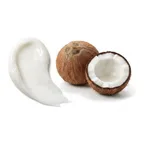 Coconut Oil
 Hyaluronic Acid
 Aloe Barbadensis Leaf Juice
 Tocopherol Vitamin E
Superior
- HighDry Skin Fit
- SuperiorEffectiveness
- ExcellentSafety
One of the best sunscreens for dry sensitive skin.
This fit is calculated for the concerns frequently associated with dry sensitive skin: flakiness, tightness, redness, fine lines, and wrinkles. For scores and recommendations based on your full skin profile, including your 12D face scan results and any goals or preferences you have, please use the Lovi app.
Updated How the Fit score works
Lovi Assistant explains
- Excellent for your dry and sensitive skin, this sunscreen provides superior UV protection with zinc oxide while hyaluronic acid and glycerin offer substantial hydration to combat dryness and flakiness. Coconut oil and caprylic capric triglyceride further enhance moisturization, creating a comfortable and nourished feel.
- The formula is exceptionally safe for your dry and sensitive skin, as aloe barbadensis leaf juice and vitamin E work synergistically to soothe and protect without causing irritation.
- This product is a perfect match for your skin concerns, offering a highly effective and safe solution.
How to apply
- Use your sunscreen as part of your AM routine every morning. Reapply every two hours when exposed to the sun.
- Apply the sunscreen after your moisturizer as the final step of your morning skincare routine.
- Gently press a coin-sized amount of sunscreen evenly into your skin, and avoid rubbing it harshly. Let it set for a minute before going outdoors.
- Since your skin is sensitive , apply the sunscreen over your dry moisturizer to ensure better comfort and protection.
- Always do a patch test before your first use and avoid direct contact with the eyes.
Questions and answers
What makes Kopari Bright As Day one of the best sunscreen fits for dry sensitive skin?
This sunscreen is one of the best fits for your dry sensitive skin because zinc oxide protects you from the sun while hyaluronic acid, glycerin, and coconut oil deliver deep hydration to stop dryness and flakiness. At the same time, aloe vera and vitamin E calm and protect your skin without causing any irritation.
Which ingredients make this sunscreen a good fit for dry sensitive skin?
Zinc oxide provides sun protection while hyaluronic acid and glycerin help fight dryness and flakiness. Coconut oil and caprylic capric triglyceride add moisture for a comfortable feel, and aloe vera and vitamin E soothe sensitive skin without causing irritation.
What does Zinc Oxide do for dry sensitive skin?
Zinc oxide helps calm dry, sensitive skin by reducing redness and soothing irritation. This ingredient has a very gentle safety profile that is unlikely to cause trouble on delicate skin.
What does Coconut Oil do for dry sensitive skin?
Coconut oil helps calm and soothe dry, sensitive skin while locking in moisture to keep it soft and smooth. It may also improve skin barrier health and reduce dryness-related irritation.
Where does this sunscreen go in a skincare routine for dry sensitive skin?
This sunscreen goes in your morning routine as the final step after your cleanser and soothing toner. It provides UV protection with zinc oxide while hyaluronic acid and glycerin help combat dryness and flakiness.
Can I use this sunscreen with retinol, and in what order?
You can use this sunscreen in the morning as the final step of your routine after applying a retinol treatment in your evening routine. This helps protect your sensitive skin from UV rays while keeping it comfortable and nourished.
How often should I use this sunscreen?
You can use this sunscreen every morning as the final step of your daytime routine to protect against UV rays while keeping dry skin hydrated and comfortable.
Journal of Drugs in Dermatology, 2023Clinical, Cosmetic and Investigational Dermatology, 2017
Can this sunscreen clog pores, cause breakouts or purging for dry sensitive skin?
This sunscreen is unlikely to clog pores or cause breakouts for dry sensitive skin because its nourishing ingredients help keep the skin calm and moisturized without feeling heavy. Hyaluronic acid and glycerin draw in hydration to combat dryness, while soothing aloe and vitamin E protect without causing irritation.
Is this sunscreen fragrance-free and alcohol-free?
Yes, it has no fragrance and no drying alcohol. Cetearyl alcohol is a fatty alcohol, which soften the skin.
What the research says
A single application of a moisturizing fluid containing hyaluronic acid 1%, glycerin 5%, and Centella asiatica stem cells extract significantly increased skin hydration by 29% and reduced transepidermal water loss at 24 hours compared to baseline and an untreated control site in twenty healthy women.
Clinical, Cosmetic and Investigational Dermatology, 2017Topical application of an emollient emulsion containing 15.0% caprylic/capric triglyceride doubled the amount of urocanic acid isomers and increased skin hydration with reduced transepidermal water loss in healthy subjects, though it did not prevent ultraviolet-induced urocanic acid isomerization.
Life, 2023Hydrogels containing vitamin E-loaded nanostructured lipid carriers exhibited better occlusive properties and long-lasting effects, while vitamin E-loaded nanoemulsions performed a faster skin hydration effect and were selected as more attractive for skin application.
Colloids and Surfaces. B, Biointerfaces, 2019Topical 0.5% hyaluronic-ZnO nanogel applied twice daily reduced inflammatory-lesion counts by 58% at week four in human subjects compared to baseline without causing erythema.
Biomedicines, 2025Daily use of a deep cleansing gel containing salicylic acid 2%, zinc gluconate 0.2% and lipohydroxy acid 0.05% significantly reduced total lesion count by 56.3% after 84 days in 35 subjects with mild to moderate truncal acne.
Clinical, Cosmetic and Investigational Dermatology, 2023Topical zinc oxide nanogels formulated using Dendrobium anosmum showed greater effectiveness against Gram-positive acne-causing bacteria compared to chemogenic nanoparticles.
Molecules, 2023Topical application of 0.1% hyaluronic acid formulations of different molecular weights led to significant improvements in skin hydration and elasticity, with low-molecular-weight formulations also significantly reducing wrinkle depth in seventy-six female subjects compared to a vehicle control.
Journal of Drugs in Dermatology, 2011Topical hyaluronic acid serum used twice daily by 40 females with facial photoaging produced an immediate 134% increase in skin hydration, a sustained 55% increase at week 6, and significant improvements in smoothness, plumping, fine lines, wrinkles, and global appearance without causing irritation.
Dermatology and Therapy, 2021A topical antioxidant serum significantly reduced air pollution-induced skin pigmentation and proinflammatory gene expression ex vivo, and improved skin aging signs in 40 healthy adult females after 90 days of daily use.
Journal of Cosmetic Dermatology, 2022A cream combining propolis, tea tree oil, and Aloe vera reduced erythema scars, acne severity index, and total lesion count better than erythromycin cream in sixty patients with mild to moderate acne vulgaris compared to placebo.
Clinical Pharmacology, 2018Formulations containing 0.10%, 0.25%, and 0.50% freeze-dried Aloe vera extract increased stratum corneum water content compared with the vehicle in 20 female subjects, while transepidermal water loss was not modified.
Skin Research and Technology, 2006Kombucha-mediated fermentation of aloe vera gel for 10 and 20 days enhanced its phenolic and flavonoid content, antioxidant capacity, cytoprotective effects, enzyme inhibition against collagenase, elastase, and hyaluronidase, and moisturizing properties compared to unfermented gel.
Molecules, 2025A topical serum containing vitamin C, vitamin E, and raspberry leaf cell culture extract improved skin color, elasticity, radiance, smoothness, scaliness, and wrinkles compared to the untreated contralateral side in fifty female volunteers.
Journal of Cosmetic Dermatology, 2020A nighttime topical antioxidant containing resveratrol, baicalin, and vitamin E significantly improved fine lines, wrinkles, firmness, elasticity, laxity, hyperpigmentation, radiance, roughness, and dermal thickness in subjects with mild to moderately photodamaged skin over 12 weeks.
Journal of Drugs in Dermatology, 2014Tocopherol succinate-loaded ethosomal gel increased skin deposition, stability, moisture, and mechanical properties in 13 human subjects compared to a control gel over 12 weeks.
Journal of Cosmetic Dermatology, 2022
Ingredients
Zinc Oxide, Water, Coco-Caprylate Caprate, Cetearyl Alcohol, Glycerin, Coconut Oil, Cetearyl Glucoside, Caprylic Capric Triglyceride, Glyceryl Stearate, Sodium Stearoyl Glutamate, Tocopherol Vitamin E, Aloe Barbadensis Leaf Juice, Hyaluronic Acid, Sodium Phytate, Xanthan Gum, Citric Acid, Phenoxyethanol, Ethylhexylglycerin
Behind this fit score
Lovi calculates every fit score from the full ingredient list with brand-independent rules our dermatologists and cosmetic chemists build and review, and personalizes every pick with AI trained on the real results of millions of users. Lovi trains its fit score models on a proprietary dataset built from more than 10,000 expert-labeled products and more than 100,000 simulated examples, following an internally consistent methodology presented at Cosmoprof, AMWC, and Skin of Color Update.
-

Co-founder, Medical Director
Cosmetic chemist, cosmetologist, aesthetic products developer
-

Co-founder, CEO and CTO
PhD in computer science, 3x US patent holder, ex-Google, ex-Yandex
-

Dr. Sofía Perea Pérez, MD, MSc
Medical Board
Aesthetic medicine practitioner, MSc in Longevity and Anti-Aging Medicine
-

Medical Board
Specialist dermatologist, MBBS, MD, IFAAD
-

Medical Board
Cosmetic chemist, SCS, IFSCC member
-

Medical Board, Medical Advisor
Dermatology MD
-

Elina Nazarenko, MD
Medical Board
Dermatology and diagnostic consultant
-

Victoria Derkova, MS
Medical Board
Cosmetic chemist, cosmetic development technologist


How does it fit your skin?
Scan your face, then any product: Lovi shows how well it fits you and what fits even better.