
Kiehl's Super Multi-Corrective Soft Cream for oily acne-prone skin

 Hyaluronic Acid
 Squalane
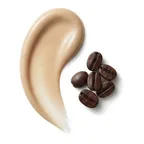 Caffeine
 Ascorbyl Glucoside
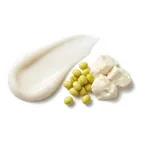 Hydrolyzed Soy Protein
Average
- AverageOily Skin Fit
- AverageEffectiveness
- HighSafety
Works for oily acne-prone skin; other moisturizers fit it better.
- Clinical, Cosmetic and Investigational Dermatology, 2017
- International Journal of Cosmetic Science, 2018
This fit is calculated for the concerns frequently associated with oily acne-prone skin: shine, breakouts, blemishes, and enlarged pores. For scores and recommendations based on your full skin profile, including your 12D face scan results and any goals or preferences you have, please use the Lovi app.
Updated How the Fit score works
Lovi Assistant explains
- Offers moderate suitability for oily skin due to the humectant action of glycerin and hyaluronic acid, which provide hydration without exacerbating oiliness, though it lacks specific ingredients for optimal oil control.
- While adenosine and various hydrolyzed proteins offer general anti-aging and plumping benefits, the formula does not contain targeted ingredients to effectively address your primary concerns of acne, blemishes, and breakouts.
- The product is safe for your oily skin, as it contains no harsh ingredients or known irritants.
Buy online

Prices checked 20 Nov 2026
The Lovi Fit is the same in every country; only the stores and prices differ, and the ones here are for Europe.
How to apply
- Use this AM and PM routine every day to help clear your skin. Always remember to finish with SPF in the morning.
- Apply the moisturizer after your cleanser and toner, right before your SPF during the day.
- Gently press a small amount into your skin and avoid rubbing to keep pores clear.
- Apply on clean, slightly damp skin to help the product absorb better and control oil.
- Avoid the sensitive eye area and do a simple patch test before your first use.
People Say
★4.5Overall rating based on 2.0k+ reviewsBased on a very large amount of data, this product is highly regarded by users with oily and combination skin for its lightweight, hydrating formula that improves elasticity and smooths fine lines without feeling greasy. Users with dry skin conditions often find it lacks sufficient moisture for colder months, and a few users reported minor breakouts or an unpleasant scent.
Highlights
Lightweight gel texture Mostly Mentioned
- “The texture is like a cloud—so lightweight”
- “Feels like gel rather than cream.”
- “Much more lightweight and gel like than the original”
- “Lightweight, essence-like texture that it's perfect for summer”
Absorbs quickly Often Mentioned
- “Absorbs beautifully but does not completely disappear or feel greasy.”
- “Absorbs quickly without leaving a greasy or sticky residue”
- “Really absorbs into the skin rather than just sitting on top”
- “Quickly absorbs into a shine free finish.”
Plumps and hydrates Often Mentioned
- “Plumps and hydrate my skin as it absorbs over night.”
- “My skin feels bouncy”
- “Plumps up skin. Awesome all-rounder”
- “Highly moisturizing and hydrating, keeping the skin soft”
Smooths fine lines Sometimes Noted
- “Smoothens fine lines.”
- “Smoothed out my forehead lines after two weeks”
- “I do think it helped with the fine lines”
- “Reduce the appearance of fine lines and wrinkles”
Insufficient for dry skin Sometimes Noted
- “People with dry skin might find it too lightweight”
- “Not enough moisture for their needs.”
- “Next time I'll buy a product more suitable for dry skin!”
- “Gave it to my mom who has dry skin.”
May cause breakouts Rarely Noted
- “Started to notice some little pimples”
- “Got some small bumps on my forehead”
- “Not sure about potential blemishes”
Pilling or heavy Rarely Noted
- “Slight pilling effect and it feels a bit heavy”
- “Didn't love how much I felt it on my face”
- “Looks too shiny after application.”
Unpleasant scent Rarely Noted
- “Has a scent which I really don't like”
- “Has a bit of an alcohol smell”
- “Faint chemical scent.”
Sources: lovi.care, ulta.com, sephora.sg, bloomingdales.com, my-origines.com, hwahae.com, and more
Questions and answers
How well does Kiehl's Super Multi-Corrective Soft Cream work for oily acne-prone skin?
This cream works moderately well for oily acne-prone skin, providing light hydration through hyaluronic acid and glycerin without causing irritation, though it lacks targeted ingredients to address blemishes. An ideal product for this skin needs powerful hydrating and repairing ingredients, brightening agents, and soothing extracts that manage breakouts while maintaining a lightweight texture without adding excess oil.
Which ingredients make this cream a good fit for oily acne-prone skin?
Glycerin and hyaluronic acid help keep oily skin hydrated without adding excess oil. To work best for acne-prone skin, this type of product also needs ingredients that directly target breakouts and blemishes.
What does Hyaluronic Acid do for oily acne-prone skin?
Hyaluronic acid helps oily acne-prone skin by reducing excess oil production and calming breakouts. Studies show it decreases sebum and safely reduces acne redness without causing irritation.
The Journal of Investigative Dermatology, 2017Journal of Controlled Release, 2025
What does Squalane do for oily acne-prone skin?
Squalane helps keep oily skin soft and smooth, but unrefined or unstable forms may sometimes trigger breakouts by reacting with skin oils. For acne-prone skin, this type of product needs lightweight, non-clogging ingredients that balance moisture without heavy oils.
Where does this cream go in a skincare routine for oily acne-prone skin?
This cream goes toward the end of your morning and evening routines as a step to lock in hydration without feeling heavy. Oily acne-prone skin needs a moisturizer of this type that contains lightweight hydrators like glycerin and hyaluronic acid, alongside targeted ingredients to help manage blemishes and control oil.
Can I use this cream with retinol, and in what order?
Yes, you can use this cream with retinol by applying the retinol first and following with the moisturizer. This combination helps keep your skin soft and reduces irritation from the retinol. To work best for oily acne-prone skin, a moisturizer of this type needs targeted acne-fighting ingredients and oil-control agents.
How often should I use this cream?
You can use this moisturizing treatment twice a day as part of your morning and evening routine. Regular daily application helps keep your skin hydrated without feeling greasy, though this skin type also needs targeted ingredients for oil control and blemishes.
Journal of Cosmetic Dermatology, 2020Health Science Reports, 2021
Can this cream clog pores, cause breakouts or purging for oily acne-prone skin?
This cream is unlikely to clog pores or cause breakouts on oily skin, as it contains no harsh ingredients or known irritants. However, because it lacks targeted ingredients to address acne and blemishes, an oily acne-prone skin type needs a product with specialized oil control and blemish-fighting ingredients.
Can I use this cream around the eyes or on my body?
You can safely use this moisturizing treatment around the eyes and on your body, as it has a very good safety profile and contains no harsh ingredients or known irritants. Regular application of creams containing hyaluronic acid and glycerin helps keep the thin skin in these areas hydrated and smooth without feeling heavy.
Polymers, 2023Clinical, Cosmetic and Investigational Dermatology, 2017
Is this cream fragrance-free and alcohol-free?
It has no drying alcohol and contains fragrance (parfum). Cetearyl alcohol is a fatty alcohol, which soften the skin.
What the research says
A single application of a moisturizing fluid containing hyaluronic acid 1%, glycerin 5%, and Centella asiatica stem cells extract significantly increased skin hydration by 29% and reduced transepidermal water loss at 24 hours compared to baseline and an untreated control site in twenty healthy women.
Clinical, Cosmetic and Investigational Dermatology, 2017Adenosine-loaded dissolving microneedle patches showed similar or better efficacy on skin wrinkles, dermal density, elasticity, and hydration compared to adenosine cream in 22 female subjects.
International Journal of Cosmetic Science, 2018Topical application of a disodium adenosine monophosphate-based formulation reduced wrinkles and hyperpigmentation while improving hydration, barrier function, skin lifting, and epidermal turnover in female participants.
International Journal of Molecular Sciences, 2026Adenosine and cordycepin stimulate the Wnt/beta-catenin signaling pathway through adenosine receptor and PKA activation, promoting cell proliferation, migration, and growth factor secretion in cultured dermal fibroblasts.
International Journal of Molecular Sciences, 2021Topical application of 0.1% hyaluronic acid formulations of different molecular weights led to significant improvements in skin hydration and elasticity, with low-molecular-weight formulations also significantly reducing wrinkle depth in seventy-six female subjects compared to a vehicle control.
Journal of Drugs in Dermatology, 2011Topical hyaluronic acid serum used twice daily by 40 females with facial photoaging produced an immediate 134% increase in skin hydration, a sustained 55% increase at week 6, and significant improvements in smoothness, plumping, fine lines, wrinkles, and global appearance without causing irritation.
Dermatology and Therapy, 2021A topical antioxidant serum significantly reduced air pollution-induced skin pigmentation and proinflammatory gene expression ex vivo, and improved skin aging signs in 40 healthy adult females after 90 days of daily use.
Journal of Cosmetic Dermatology, 2022Application of fullerene-C60 dissolved in squalane cream twice daily for 8 weeks significantly enhanced skin moisture and reduced wrinkle formation compared to placebo in 23 Japanese women without severe side effects.
Journal of Nanoscience and Nanotechnology, 2010Squalane at 0.005-0.015% counteracts UVA-induced oxidative stress, inflammation, and collagen metabolism inhibition while stimulating fibroblast migration in human dermal fibroblasts.
Molecules, 2025Plant-derived squalane protected human dermal fibroblasts against UVA-induced damage by counteracting ROS formation, suppressing apoptosis-related proteins p53, caspase-3, caspase-9, and PARP, and restoring the pro-survival p-Akt/mTOR pathway.
Antioxidants, 2025Topical sunscreen formulations containing caffeine combined with UV filters increased in vivo anti-UVB protection by approximately 25% and showed higher SPF values compared to caffeine-free sunscreen, while being well tolerated by the skin of healthy subjects.
Frontiers in Physiology, 2019Topical caffeine acts as an active cosmetic compound by preventing excessive fat accumulation through phosphodiesterase inhibition, protecting cells against UV radiation with antioxidant properties, increasing skin microcirculation, and stimulating hair growth via 5-alpha-reductase inhibition.
Skin Pharmacology and Physiology, 2013Serum-free organ culture of human skin ex vivo induces extremely accelerated ageing within 3 days, which is counteracted by caffeine and 2,5-dimethylpyrazine treatments.
Experimental Dermatology, 2024Topical application of 5% vitamin C cream significantly improved global clinical scores, increased skin microrelief density, and induced elastic tissue repair in photoaged skin compared to excipient control in healthy female volunteers.
Experimental Dermatology, 2003Topical application of VC-IP cream twice daily for 8 weeks reduces periorbital wrinkles in female subjects compared to a placebo cream.
Journal of Cosmetic Dermatology, 2022Topical treatment with 5% vitamin C and 0.1% madecassoside significantly improved clinical scores for wrinkles, suppleness, firmness, roughness, and skin hydration, along with functional and structural remodeling of the elastic fiber network in 20 female volunteers with photoaged skin after 6 months compared to baseline.
Experimental Dermatology, 2008
Why other moisturizers fit oily acne-prone skin better
Co-delivery of paeonol and madecassoside via nanoemulsions improved transdermal delivery, promoted barrier repair proteins, inhibited inflammatory cytokine secretion in cellular and 3D models, and reduced transepidermal water loss and acne in human facial skin compared to free components.
Molecules, 2023
Ingredients
Water, Glycerin, Dimethicone, Propylene Glycol, Butylene Glycol, Caprylic Capric Triglyceride, Squalane, Cetearyl Alcohol, Glyceryl Stearate, Peg-100 Stearate, Caffeine, Hyaluronic Acid, Adenosine, Hydrolyzed Soy Protein, Hydrolyzed Rice Protein, Hydrolyzed Wheat Protein, Tocopherol, Ascorbyl Glucoside, Phenoxyethanol, Chlorphenesin, Parfum
Behind this fit score
Lovi calculates every fit score from the full ingredient list with brand-independent rules our dermatologists and cosmetic chemists build and review, and personalizes every pick with AI trained on the real results of millions of users. Lovi trains its fit score models on a proprietary dataset built from more than 10,000 expert-labeled products and more than 100,000 simulated examples, following an internally consistent methodology presented at Cosmoprof, AMWC, and Skin of Color Update.
-

Co-founder, Medical Director
Cosmetic chemist, cosmetologist, aesthetic products developer
-

Co-founder, CEO and CTO
PhD in computer science, 3x US patent holder, ex-Google, ex-Yandex
-

Dr. Sofía Perea Pérez, MD, MSc
Medical Board
Aesthetic medicine practitioner, MSc in Longevity and Anti-Aging Medicine
-

Medical Board
Specialist dermatologist, MBBS, MD, IFAAD
-

Medical Board
Cosmetic chemist, SCS, IFSCC member
-

Medical Board, Medical Advisor
Dermatology MD
-

Elina Nazarenko, MD
Medical Board
Dermatology and diagnostic consultant
-

Victoria Derkova, MS
Medical Board
Cosmetic chemist, cosmetic development technologist


How does it fit your skin?
Scan your face, then any product: Lovi shows how well it fits you and what fits even better.