
Kiehl's Rare Earth Deep Pore Cleansing Masque for acne-prone skin

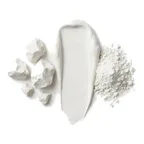 Amazonian white clay, kaolin
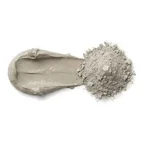 Bentonite
 Glycerin
 Aloe Barbadensis Leaf Juice
Average
- HighCombination Skin Fit
- AverageEffectiveness
- HighSafety
Works for acne-prone skin; other cleansing masks fit it better.
This fit is calculated for the concerns frequently associated with acne-prone skin: breakouts, blackheads, and post-acne marks. For scores and recommendations based on your full skin profile, including your 12D face scan results and any goals or preferences you have, please use the Lovi app.
Updated How the Fit score works
Lovi Assistant explains
- Offers moderate suitability for your combination skin as kaolin and bentonite effectively absorb excess oil and impurities, helping to cleanse pores and reduce blemishes. Aloe barbadensis leaf juice and oat kernel flour provide some soothing benefits, though more targeted acne-fighting ingredients would enhance its effectiveness for your primary concerns.
- The formula is generally safe for your acne-prone skin, with no harsh or irritating ingredients identified.
- It provides excellent pore cleansing and oil absorption, aligning well with your combination skin type.
Buy online


Prices checked 20 Nov 2026
The Lovi Fit is the same in every country; only the stores and prices differ, and the ones here are for Europe.
How to apply
- Use this cleansing mask during your PM weekly routine. Start 1x/week and increase if your skin tolerates it well.
- Apply this cleansing mask after using your pre-cleanser and cleanser , and before your hydrating toner.
- Spread an even layer of the cleansing mask over your face , avoiding any rubbing to protect your skin.
- Apply the cleansing mask to clean and dry skin to help clear up your blemishes effectively.
- Avoid the eye area and do a patch test before your first use.
People Say
★4.6Overall rating based on 1.0k+ reviewsBased on a very large amount of data, this clay mask is widely praised by users with oily and combination skin for its ability to deeply cleanse pores and reduce shine without being overly stripping. Most users report softer, smoother skin and visibly smaller pores. A minority experience immediate stinging or redness upon application.
Highlights
Leaves skin soft Mostly Mentioned
- “skin feels incredibly soft afterwards”
- “texture feels refined and smooth”
- “face feels like a baby's bottom”
Deeply cleanses pores Often Mentioned
- “sucked the gunk out of my pores”
- “pores look noticeably smaller”
- “clears up sebaceous filaments”
Reduces excess oil Often Mentioned
- “keeps my oils at bay”
- “mattifies without drying me out”
- “great for my T-zone”
Non-drying formula Sometimes Noted
- “doesn't crack or feel tight”
- “creamy texture, not chalky”
- “less drying than other clay masks”
Burning/stinging sensation Sometimes Noted
- “burned my face immediately”
- “intense tingling upon application”
- “stings for the first few minutes”
High price point Sometimes Noted
- “expensive for a clay mask”
- “pricey but lasts a long time”
- “not worth the money”
Messy removal Rarely Noted
- “hard to wash off completely”
- “need a washcloth to remove”
- “leaves a residue if not scrubbed”
Redness/irritation Rarely Noted
- “left my face bright red”
- “caused a breakout”
- “too harsh for sensitive skin”
Sources: lovi.care, sephora.com, ulta.com, amazon.com, kiehls.com, cultbeauty.co.uk, and more
Questions and answers
Which ingredients make this mask a good fit for acne-prone skin?
Kaolin and bentonite help absorb excess oil and impurities to clear pores and reduce blemishes on acne-prone skin. To work even better for this skin, a product of this type needs targeted acne-fighting ingredients like salicylic acid, zinc oxide, or niacinamide.
Journal of Cosmetic Dermatology, 2025Carbohydrate Polymers, 2017
What does Amazonian White Clay do for acne-prone skin?
Amazonian White Clay helps clear acne-prone skin by absorbing excess oil and reducing breakouts while keeping skin smooth and calm. This type of mask is unlikely to cause irritation when used regularly, making it a gentle option for oily skin.
Skin Research and Technology, 2023Forschende Komplementarmedizin, 2012
What does Kaolin Clay do for acne-prone skin?
Kaolin clay helps absorb excess oil and improves skin evenness in acne-prone skin while reducing dryness and irritation. Using this type of mask twice weekly may also help improve acne-related outcomes and keep your skin calm and balanced.
Where does this mask go in a skincare routine for acne-prone skin?
This mask goes into a weekly routine for your acne-prone skin, used after cleansing and enzyme powder, and before a hydrating toner. It helps absorb excess oil and impurities, though acne-prone skin also benefits from more targeted blemish-fighting ingredients.
Can I use this mask with retinol, and in what order?
You can use this cleansing mask in your weekly routine, but avoid applying it on the same nights you use retinol to prevent irritation. Instead, use the mask on a separate evening, or keep retinol for your nightly routine and use this mask just once a week as an extra step.
How often should I use this mask?
You can use this mask once a week as part of your weekly routine. It effectively absorbs excess oil and impurities with clays while soothing the skin, though acne-prone skin often benefits from adding more targeted acne-fighting ingredients.
Can this mask clog pores, cause breakouts or purging for acne-prone skin?
This mask is generally safe and unlikely to cause breakouts for your acne-prone skin, as it contains no harsh or irritating ingredients. It provides great oil absorption and pore cleansing, though a product of this type needs more targeted acne-fighting ingredients to give you the best results for your skin.
Is this mask fragrance-free and alcohol-free?
Yes, it has no fragrance and no drying alcohol. Cetearyl alcohol is a fatty alcohol, which soften the skin.
What the research says
A bentonite-based facial mask with Alcea sulphurea extract combined with oral azithromycin significantly reduced total lesion count and acne severity index while enhancing patient satisfaction in patients with moderate acne compared to placebo plus azithromycin over 8 weeks.
Journal of Cosmetic Dermatology, 2025A cream combining propolis, tea tree oil, and Aloe vera reduced erythema scars, acne severity index, and total lesion count better than erythromycin cream in sixty patients with mild to moderate acne vulgaris compared to placebo.
Clinical Pharmacology, 2018Small extracellular vesicles derived from Aloe vera peels exhibited antioxidant activity, reduced intracellular ROS levels, enhanced human skin cell migration, and upregulated antioxidant-related gene expression in H2O2-treated human keratinocytes.
Tissue Engineering and Regenerative Medicine, 2021Quaternized carboxymethyl chitosan/organic montmorillonite nanocomposite demonstrated superior moisture-adsorption and retention compared to hyaluronic acid, good UV-protection ability, negligible dermal irritation, and prominent moisture-retention efficacy on human stratum corneum when formulated into a cosmetic cream.
Carbohydrate Polymers, 2017Vectorization of high molecular weight hyaluronic acid with clay enabled its penetration into deeper skin layers and led to a significant clinical reduction in fine lines in the crow's feet area compared to placebo after 28 days.
Skin Research and Technology, 2024Twice-weekly use of a clay mask over 4 weeks in 75 adults with oily or combination skin improved acne-related outcomes, sebum content, skin evenness, hydration, and reduced dryness and irritation.
Skin Research and Technology, 2023Clay jojoba oil facial masks reduced total skin lesions by a mean of 54% after 6 weeks in 133 participants with acne-prone, lesioned skin and mild acne compared to baseline.
Forschende Komplementarmedizin, 2012A novel water-in-oil emulsion with a lecithin-modified bentonite prevented epidermal degradation and inflammatory protein secretion induced by urban dust and cedar pollen more effectively than a conventional water-in-oil emulsion in a reconstructed human epidermis model.
International Journal of Cosmetic Science, 2020Topical clay application increased the number of collagen fibres in rat skin at 7 days compared with control skin (51.74% vs. 43.39%), but showed no further increase at 14 days.
Clinical and Experimental Dermatology, 2012Sodium activation of Algerian calcium bentonite produced a montmorillonite-rich clay with improved surface properties that significantly reduced croton oil-induced ear edema in vivo, showing efficacy comparable to the indomethacin reference.
Journal of Pharmaceutical Sciences, 2026A single application of a moisturizing fluid containing hyaluronic acid 1%, glycerin 5%, and Centella asiatica stem cells extract significantly increased skin hydration by 29% and reduced transepidermal water loss at 24 hours compared to baseline and an untreated control site in twenty healthy women.
Clinical, Cosmetic and Investigational Dermatology, 2017The emollient V0034CR significantly reduced TEWL compared to vehicle and vehicle plus glycerol, and significantly increased corneometry scores compared to vehicle and vehicle plus petrolatum in healthy volunteers with dry skin, demonstrating combined barrier function improvement from petrolatum and hydration improvement from glycerol.
Journal of Cosmetic Dermatology, 2020Ten days of treatment with a cream containing 20% glycerin significantly increased skin hydration measured by corneometer values in 17 healthy volunteers compared to a placebo cream, but showed no influence on transepidermal water loss or skin sensitivity to an irritating surfactant.
International Journal of Cosmetic Science, 2001Formulations containing 0.10%, 0.25%, and 0.50% freeze-dried Aloe vera extract increased stratum corneum water content compared with the vehicle in 20 female subjects, while transepidermal water loss was not modified.
Skin Research and Technology, 2006Kombucha-mediated fermentation of aloe vera gel for 10 and 20 days enhanced its phenolic and flavonoid content, antioxidant capacity, cytoprotective effects, enzyme inhibition against collagenase, elastase, and hyaluronidase, and moisturizing properties compared to unfermented gel.
Molecules, 2025Aloe vera gel phenolic and polysaccharide extracts demonstrated distinct wound-healing properties in vitro, with the phenolic extract exhibiting anti-inflammatory, antioxidant, and fibroblast-stimulating effects, and the polysaccharide extract showing enhanced collagen synthesis and antibacterial activity against Staphylococcus aureus.
Journal of Functional Biomaterials, 2024
Ingredients
Water, Kaolin, Bentonite, Propanediol, Glycerin, Ci 77891 Titanium Dioxide, Caprylic Capric Triglyceride, Cetearyl Alcohol, Zea Mays Corn Starch, Phenoxyethanol, Ceteareth-20, Caprylyl Glycol, Xanthan Gum, Ethylhexylglycerin, Tocopherol, Lecithin, Aloe Barbadensis Aloe Barbadensis Leaf Juice, Avena Sativa Oat Kernel Flour, Allantoin
Behind this fit score
Lovi calculates every fit score from the full ingredient list with brand-independent rules our dermatologists and cosmetic chemists build and review, and personalizes every pick with AI trained on the real results of millions of users. Lovi trains its fit score models on a proprietary dataset built from more than 10,000 expert-labeled products and more than 100,000 simulated examples, following an internally consistent methodology presented at Cosmoprof, AMWC, and Skin of Color Update.
-

Co-founder, Medical Director
Cosmetic chemist, cosmetologist, aesthetic products developer
-

Co-founder, CEO and CTO
PhD in computer science, 3x US patent holder, ex-Google, ex-Yandex
-

Dr. Sofía Perea Pérez, MD, MSc
Medical Board
Aesthetic medicine practitioner, MSc in Longevity and Anti-Aging Medicine
-

Medical Board
Specialist dermatologist, MBBS, MD, IFAAD
-

Medical Board
Cosmetic chemist, SCS, IFSCC member
-

Medical Board, Medical Advisor
Dermatology MD
-

Elina Nazarenko, MD
Medical Board
Dermatology and diagnostic consultant
-

Victoria Derkova, MS
Medical Board
Cosmetic chemist, cosmetic development technologist


How does it fit your skin?
Scan your face, then any product: Lovi shows how well it fits you and what fits even better.