
Isntree Mugwort Calming Clay Mask for acne-prone skin

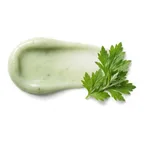 Artemisia Vulgaris Extract
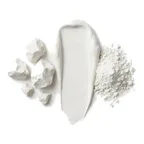 Kaolin
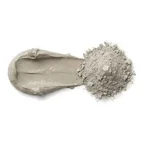 Bentonite
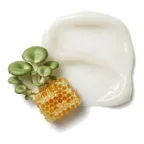 Panthenol
 Glycerin
Average
- HighCombination Skin Fit
- HighEffectiveness
- ExcellentSafety
Works for acne-prone skin; other cleansing masks fit it better.
This fit is calculated for the concerns frequently associated with acne-prone skin: breakouts, blackheads, and post-acne marks. For scores and recommendations based on your full skin profile, including your 12D face scan results and any goals or preferences you have, please use the Lovi app.
Updated How the Fit score works
Lovi Assistant explains
- Offers moderate benefits for your acne and blemishes, as Artemisia Princeps Extract and Willow Bark Extract provide soothing and exfoliating properties suitable for combination skin. Kaolin and bentonite clays effectively absorb excess sebum and impurities, addressing your oily skin concerns.
- The inclusion of Camellia Sinensis Leaf Water and Beta-Glucan offers additional soothing and antioxidant benefits, complementing the primary ingredients.
- The product is safe for your acne-prone skin, featuring a formula free of harsh ingredients and enriched with soothing components like Artemisia Princeps Extract and Beta-Glucan.
How to apply
- Use this cleansing mask during your PM weekly routine. Start 1x/week and increase if your skin tolerates it well.
- Apply this cleansing mask after using your pre-cleanser and cleanser , and before your hydrating toner.
- Spread an even layer of the cleansing mask over your face , avoiding any rubbing to protect your skin.
- Apply the cleansing mask to clean and dry skin to help clear up your blemishes effectively.
- Avoid the eye area and do a patch test before your first use.
People Say
★4.6Overall rating based on 900+ reviewsThis mask is highly favored by users with oily, acne-prone, and sensitive skin for its creamy, non-drying formula that effectively cleanses pores while calming redness and inflammation. While most users appreciate the gentle exfoliation and soothing effects, some find the herbal scent strong and the physical particles difficult to rinse off completely.
Highlights
Non-drying formula Mostly Mentioned
- “doesn't dry out skin”
- “creamy and hydrating”
- “no tight feeling”
- “comfortable on skin”
Calms redness/acne Often Mentioned
- “reduced red bumps”
- “soothed my inflammation”
- “calmed active breakouts”
- “great for sensitive skin”
Cleanses pores Often Mentioned
- “pores look smaller”
- “removes excess sebum”
- “blackheads greatly reduced”
- “deep clean feeling”
Smooths texture Sometimes Noted
- “skin feels soft”
- “gentle physical exfoliation”
- “refined skin texture”
- “smooths rough patches”
Difficult to rinse Sometimes Noted
- “takes forever to wash”
- “residue in hairline”
- “messy to remove”
- “need a washcloth”
Herbal scent Rarely Noted
- “smells medicinal”
- “strong earthy odor”
- “scent is overpowering”
- “spicy herbal smell”
Mild results Rarely Noted
- “didn't see difference”
- “nothing special”
- “too gentle for me”
- “average clay mask”
Rough particles Rarely Noted
- “bits felt scratchy”
- “too abrasive for me”
- “don't like the grains”
- “chunks are annoying”
Sources: lovi.care, iherb.com, oliveyoung.com, yesstyle.com, skinsort.com, reddit.com, and more
Questions and answers
How well does Isntree Mugwort Clay Mask work for acne-prone skin?
This mask works reasonably well for acne-prone skin, as its clays absorb extra oil and impurities while soothing extracts calm breakouts. It tends to be a safe choice, though masks that feature stronger blemish-fighting ingredients like salicylic acid or zinc oxide usually fit this skin type better.
Journal of Cosmetic Dermatology, 2019Journal of Cosmetic Dermatology, 2025
Which ingredients make this mask a good fit for acne-prone skin?
This mask is a good fit because Artemisia Princeps Extract and willow bark extract help calm the skin, while kaolin and bentonite clays soak up excess oil. To work best for acne-prone skin, a product of this type needs powerful blemish-clearing and oil-controlling ingredients like salicylic acid and zinc oxide, paired with gentle hydrators.
Journal of Cosmetic Dermatology, 2019Journal of Cosmetic Dermatology, 2025
What does Mugwort Extract do for acne-prone skin?
Mugwort extract helps calm red, irritated skin and keeps swelling down when you have breakouts. It may also help prevent irritation by easing inflammation.
Mediators of Inflammation, 2016Molecular Medicine Reports, 2017
What does Kaolin Clay do for acne-prone skin?
Kaolin clay helps absorb excess oil and improves skin evenness in acne-prone skin while reducing dryness and irritation. Using this type of mask twice weekly may also help improve acne-related outcomes and keep your skin calm and balanced.
Where does this mask go in a skincare routine for acne-prone skin?
This cleansing mask fits into a weekly routine as an occasional step after cleansing and before a hydrating toner and moisturizer. Acne-prone skin needs products of this type with soothing botanical extracts and clays to help calm blemishes and absorb excess oil safely.
Can I use this mask with retinol, and in what order?
You can use this mask in your routine, but avoid using it on the same nights as your retinol to prevent irritation. Instead, apply the mask once a week on a separate evening, making sure to follow with a good moisturizer to keep your skin calm and hydrated.
How often should I use this mask?
You can use this cleansing mask once a week as part of your weekly routine. Clay masks of this type work best for acne-prone skin when they contain soothing plant extracts and gentle clays that absorb excess oil without causing irritation.
Can this mask clog pores, cause breakouts or purging for acne-prone skin?
This mask is unlikely to clog pores or cause breakouts for acne-prone skin, as it has a safe formula free of harsh ingredients and uses clays to absorb excess oil and impurities. To work best for this skin, a product of this type needs soothing ingredients and gentle exfoliants that calm redness and clear pores without irritation.
Journal of Cosmetic Dermatology, 2025International Journal of Cosmetic Science, 2025
Is this mask fragrance-free and alcohol-free?
Yes, it has no fragrance and no drying alcohol. Cetyl alcohol is a fatty alcohol, which soften the skin.
What the research says
A botanical face cleanser with hops and willow bark extract continuously reduced skin sebum levels without reactive seborrhea after treatment in 21 healthy volunteers compared to a sodium laureth sulfate cleanser, with neither cleanser causing skin irritation.
Journal of Cosmetic Dermatology, 2019A bentonite-based facial mask with Alcea sulphurea extract combined with oral azithromycin significantly reduced total lesion count and acne severity index while enhancing patient satisfaction in patients with moderate acne compared to placebo plus azithromycin over 8 weeks.
Journal of Cosmetic Dermatology, 2025A novel emulsion containing niacinamide, lens esculenta seed extract, and white willow bark extract effectively improved acne, blackheads, and conspicuous facial pores in 30 subjects with oily skin.
Journal of Cosmetic Dermatology, 2024Topical and in vitro application of a Camellia sinensis leaf extract demonstrated immunomodulatory, detoxification, anti-inflammatory, and antioxidant properties while improving mood states, skin hydration, barrier function, rejuvenation, and facial skin health.
International Journal of Cosmetic Science, 2025Isosecotanapartholide (ISTP) isolated from Artemisia princeps Pampanini extract downregulated STAT-1 expression, reduced IL-33 production, and inhibited TARC/CCL17 mRNA and ICAM-1 protein expression in human keratinocytes stimulated by tumor necrosis factor-alpha/interferon-gamma.
Molecular Medicine Reports, 2017Vectorization of high molecular weight hyaluronic acid with clay enabled its penetration into deeper skin layers and led to a significant clinical reduction in fine lines in the crow's feet area compared to placebo after 28 days.
Skin Research and Technology, 2024Twice-weekly use of a clay mask over 4 weeks in 75 adults with oily or combination skin improved acne-related outcomes, sebum content, skin evenness, hydration, and reduced dryness and irritation.
Skin Research and Technology, 2023Clay jojoba oil facial masks reduced total skin lesions by a mean of 54% after 6 weeks in 133 participants with acne-prone, lesioned skin and mild acne compared to baseline.
Forschende Komplementarmedizin, 2012A novel water-in-oil emulsion with a lecithin-modified bentonite prevented epidermal degradation and inflammatory protein secretion induced by urban dust and cedar pollen more effectively than a conventional water-in-oil emulsion in a reconstructed human epidermis model.
International Journal of Cosmetic Science, 2020Topical clay application increased the number of collagen fibres in rat skin at 7 days compared with control skin (51.74% vs. 43.39%), but showed no further increase at 14 days.
Clinical and Experimental Dermatology, 2012Sodium activation of Algerian calcium bentonite produced a montmorillonite-rich clay with improved surface properties that significantly reduced croton oil-induced ear edema in vivo, showing efficacy comparable to the indomethacin reference.
Journal of Pharmaceutical Sciences, 2026Topical dexpanthenol formulated in lipophilic vehicles improved stratum corneum hydration and reduced transepidermal water loss compared to vehicle control in humans.
Arzneimittel-Forschung, 2000A combination serum containing galactomyces ferment filtrate, dexpanthenol, and Centella asiatica effectively treated post-acne hyperpigmentation in subjects with colored skin by significantly increasing lightness scores in Fitzpatrick skin type V and reducing the melanin index in Fitzpatrick skin type IV compared to placebo.
Skinmed, 2021Topical dexpanthenol acts as a moisturizer, improves stratum corneum hydration, accelerates wound healing and epidermal regeneration, reduces erythema, and improves symptoms of skin irritation compared to vehicle or no pretreatment.
American Journal of Clinical Dermatology, 2002A single application of a moisturizing fluid containing hyaluronic acid 1%, glycerin 5%, and Centella asiatica stem cells extract significantly increased skin hydration by 29% and reduced transepidermal water loss at 24 hours compared to baseline and an untreated control site in twenty healthy women.
Clinical, Cosmetic and Investigational Dermatology, 2017The emollient V0034CR significantly reduced TEWL compared to vehicle and vehicle plus glycerol, and significantly increased corneometry scores compared to vehicle and vehicle plus petrolatum in healthy volunteers with dry skin, demonstrating combined barrier function improvement from petrolatum and hydration improvement from glycerol.
Journal of Cosmetic Dermatology, 2020Ten days of treatment with a cream containing 20% glycerin significantly increased skin hydration measured by corneometer values in 17 healthy volunteers compared to a placebo cream, but showed no influence on transepidermal water loss or skin sensitivity to an irritating surfactant.
International Journal of Cosmetic Science, 2001
Ingredients
Water, Kaolin, Glycerin, Dipropylene Glycol, Bentonite, Artemisia Princeps Extract, Stearic Acid, Panthenol, 1,2-Hexanediol, Illite, Artemisia Princeps Leaf Powder, Camellia Sinensis Leaf Water, Chestnut Shell Extract, Origanum Vulgare Leaf Extract, Chamaecyparis Obtusa Leaf Extract, Willow Bark Extract, Avena Sativa Kernel Extract Oat Kernel Extract, Cynara Scolymus Leaf Extract, Lactobacillus Soybean Extract Ferment, Portulaca Oleracea Extract, Cinnamomum Cassia Bark Extract, Scutellaria Baicalensis Root Extract, Montmorillonite, Calcite, Phaseolus Angularis Seed Powder, Canadian Colloidal Clay, Hydrogenated Lecithin, Beta-Glucan, Methylpropanediol, Algin, Magnesium Aluminum Silicate, Cetyl Alcohol, Butylene Glycol, Xanthan Gum, Allantoin, Tromethamine, Polyquaternium-51, Ethylhexylglycerin
Behind this fit score
Lovi calculates every fit score from the full ingredient list with brand-independent rules our dermatologists and cosmetic chemists build and review, and personalizes every pick with AI trained on the real results of millions of users. Lovi trains its fit score models on a proprietary dataset built from more than 10,000 expert-labeled products and more than 100,000 simulated examples, following an internally consistent methodology presented at Cosmoprof, AMWC, and Skin of Color Update.
-

Co-founder, Medical Director
Cosmetic chemist, cosmetologist, aesthetic products developer
-

Co-founder, CEO and CTO
PhD in computer science, 3x US patent holder, ex-Google, ex-Yandex
-

Dr. Sofía Perea Pérez, MD, MSc
Medical Board
Aesthetic medicine practitioner, MSc in Longevity and Anti-Aging Medicine
-

Medical Board
Specialist dermatologist, MBBS, MD, IFAAD
-

Medical Board
Cosmetic chemist, SCS, IFSCC member
-

Medical Board, Medical Advisor
Dermatology MD
-

Elina Nazarenko, MD
Medical Board
Dermatology and diagnostic consultant
-

Victoria Derkova, MS
Medical Board
Cosmetic chemist, cosmetic development technologist


How does it fit your skin?
Scan your face, then any product: Lovi shows how well it fits you and what fits even better.