
ISDIN Retinal Intense Serum for sensitive skin

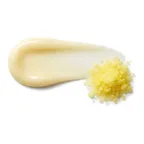 Retinaldehyde
 Niacinamide
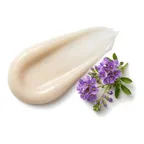 Bakuchiol
 Tocopherol
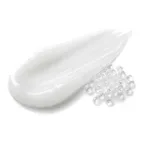 Palmitoyl Tetrapeptide-7
Average
- HighNormal Skin Fit
- AverageEffectiveness
- HighSafety
Works for sensitive skin; other serums fit it better.
This fit is calculated for the concerns frequently associated with sensitive skin: redness, stinging, and reactions to new products. For scores and recommendations based on your full skin profile, including your 12D face scan results and any goals or preferences you have, please use the Lovi app.
Updated How the Fit score works
Lovi Assistant explains
- Offers moderate benefits for normal skin with niacinamide and retinaldehyde, which provide antioxidant activity and regulate desquamation, but these ingredients are not specialized for your redness and irritation concerns.
- The formulation includes Tocopherol and Retinaldehyde, which are beneficial for anti-aging and general skin health, but may not directly address your primary concerns of redness and irritation.
- The product is safe for your sensitive skin, as it lacks harsh ingredients and contains soothing components like Niacinamide and Tocopherol.
Buy online

Prices checked 20 Nov 2026
The Lovi Fit is the same in every country; only the stores and prices differ, and the ones here are for Europe.
How to apply
- Use your serum in the PM routine, starting 3 times a week before building up to daily use if your skin is happy.
- Apply the serum after cleansing and toning, but before putting on your moisturizer for the best results.
- Gently press 2-3 drops of the serum into your skin and wait a minute ⏱ for it to soak in.
- Since your skin is sensitive and easily irritated, apply the serum on completely dry skin to help keep it calm.
- Always do a patch test before your first use and avoid getting the serum too close to your eyes .
People Say
★4.8Overall rating based on 100+ reviewsBased on limited data, users highly praise this biphasic night serum for its ability to smooth skin texture and soften fine lines, with many noting it's gentle and non-irritating, even for sensitive skin. While most users experience positive anti-aging results and appreciate its elegant texture, some find the price point to be high and a few report a short shelf life or slow results for deeper wrinkles.
Highlights
Gentle & non-irritating Often Mentioned
- “no excessive exfoliation”
- “gentle enough for sensitive skin”
- “hydrating and calming”
Smoother skin texture Often Mentioned
- “skin was much smoother”
- “leaves an incredibly soft feeling”
- “smoother, toned complexion”
Elegant texture Sometimes Noted
- “silky-smooth finish”
- “absorbs well”
- “luxurious feel”
Visible anti-aging Sometimes Noted
- “softening fine lines”
- “visible difference in 58-year-old skin”
- “reduces wrinkles”
High price point Sometimes Noted
- “hefty price tag”
- “expensive”
- “un poco caro (a bit expensive)”
Initial mild irritation Rarely Noted
- “slight peeling”
- “sensation of heat”
- “minor redness initially”
Short shelf life Rarely Noted
- “only good within 3 months”
- “hard to finish in time”
- “short expiration after opening”
Slow results for some Rarely Noted
- “no noticeable changes yet”
- “limited effect on blemishes”
- “takes time to work”
Sources: lovi.care, lovelyskin.com, dermstore.com, lyskin.com, clinikally.com, youtube.com, and more
Questions and answers
How well does ISDIN Retinal Intense work for sensitive skin?
ISDIN Retinal Intense Serum is an average fit for sensitive skin because, while it is safe and includes soothing ingredients like niacinamide and tocopherol, it lacks specialized components for redness and irritation. A product of this type needs specialized ingredients for redness and irritation alongside soothing and hydrating components to work best for sensitive skin.
Which ingredients make this serum a good fit for sensitive skin?
This serum is a safe fit for your sensitive skin because it contains soothing components like niacinamide and tocopherol, though other products fit it better. To be a top fit for sensitive skin, a treatment needs soothing ingredients that calm redness and irritation without causing adverse effects.
What does Retinal do for sensitive skin?
Retinaldehyde is a weaker fit for sensitive skin because it may cause dryness and irritation, though it generally has a better tolerance profile than stronger forms of vitamin A. To work safely for sensitive skin, a product of this type needs soothing ingredients, gentle hydrators, and a low concentration introduced gradually.
What does Niacinamide do for sensitive skin?
Niacinamide helps calm sensitive skin and keeps it comfortable by supporting the skin barrier and reducing irritation. Clinical studies show that it is well tolerated and helps decrease redness and inflammation in reactive skin.
Where does this serum go in a skincare routine for sensitive skin?
This serum goes in the evening routine after cleansing and toning, and before moisturizing. Sensitive skin needs a treatment that includes calming ingredients and gentle barrier-repairing agents to keep the skin comfortable while using active ingredients.
Can I use this serum with AHA, and in what order?
You should use this serum on separate nights from AHA to avoid overwhelming your sensitive skin. Retinoids and AHAs are both strong exfoliants, so using them together may cause redness, dryness, and irritation. A product for this skin needs gentle, hydrating ingredients and soothing plant extracts to keep the skin calm and comfortable.
How often should I use this serum?
This serum fits your sensitive skin on an average level, so you should use it just in the evening to keep your skin calm and safe. Sensitive skin needs products with calming ingredients like niacinamide and tocopherol that hydrate the skin while avoiding redness and irritation.
Can this serum clog pores, cause breakouts or purging for sensitive skin?
This serum is unlikely to cause breakouts for sensitive skin, though it may cause mild initial irritation as your skin adjusts. Sensitive skin needs soothing ingredients like niacinamide and vitamin E, along with gentle anti-aging components that target signs of aging without causing extra redness.
Is this serum fragrance-free and alcohol-free?
It contains fragrance (parfum) and drying alcohol (alcohol denat).
What the research says
Treatment with a combination of niacinamide and hyaluronic acid improved skin aging signs and demonstrated a senomorphic effect by decreasing SASP and autocrine signaling genes in women.
Scientific Reports, 2024A topical serum containing vitamin C, vitamin E, and raspberry leaf cell culture extract improved skin color, elasticity, radiance, smoothness, scaliness, and wrinkles compared to the untreated contralateral side in fifty female volunteers.
Journal of Cosmetic Dermatology, 2020A nighttime topical antioxidant containing resveratrol, baicalin, and vitamin E significantly improved fine lines, wrinkles, firmness, elasticity, laxity, hyperpigmentation, radiance, roughness, and dermal thickness in subjects with mild to moderately photodamaged skin over 12 weeks.
Journal of Drugs in Dermatology, 2014A topical antioxidant serum significantly reduced air pollution-induced skin pigmentation and proinflammatory gene expression ex vivo, and improved skin aging signs in 40 healthy adult females after 90 days of daily use.
Journal of Cosmetic Dermatology, 2022Twice daily application of retinaldehyde 0.1% and 0.05% creams for 3 months improved skin texture and hydration and reduced transepidermal water loss in 40 female Korean volunteers, with only the 0.1% cream significantly improving the melanin index.
Journal of Cosmetic Dermatology, 2018Topical 0.05% retinaldehyde applied over 1 year significantly increased epidermal thickness of the temple and cutaneous elasticity compared to an emollient control group in 40 aging skin patients.
Dermatology, 1999Topical 0.05% retinaldehyde cream reduced wrinkle and roughness features similarly to 0.05% retinoic acid cream in patients with photodamaged facial skin, while demonstrating superior local tolerance and better patient compliance.
Journal of the American Academy of Dermatology, 1998Topical nicotinamide prevented solar-simulated UV-induced immunosuppression in healthy volunteers, and men experienced immunosuppression at solar-simulated UV doses three times lower than those required for women.
The Journal of Investigative Dermatology, 2008Topical 5% niacinamide applied twice daily for 12 weeks reduced fine lines and wrinkles, hyperpigmented spots, red blotchiness, and skin sallowness, and improved skin elasticity compared to vehicle control in 50 female white subjects with facial photoaging.
Dermatologic Surgery, 2005Topical 2% niacinamide significantly decreased sebum excretion rate in Japanese individuals and casual sebum levels in Caucasian individuals compared to placebo or baseline.
Journal of Cosmetic and Laser Therapy, 2006Topical bakuchiol 0.5% applied twice daily compared with retinol 0.5% applied daily significantly decreased wrinkle surface area and hyperpigmentation with no statistical difference between the compounds in 44 patients over 12 weeks, while retinol users reported more facial skin scaling and stinging.
The British Journal of Dermatology, 2019A dermocosmetic containing bakuchiol, Ginkgo biloba extract, and mannitol improves inflammatory lesions, Investigator Global Assessment, and seborrhea intensity when added to adapalene 0.1% gel in patients with acne vulgaris.
Clinical, Cosmetic and Investigational Dermatology, 2015Topical application of a serum containing supramolecular Bakuchiol and Terminalia chebula extract significantly improved barrier function, reduced redness and sensitivity, and improved wrinkles and elasticity in 34 Chinese subjects with sensitive skin after 28 days.
Health Science Reports, 2025Tocopherol succinate-loaded ethosomal gel increased skin deposition, stability, moisture, and mechanical properties in 13 human subjects compared to a control gel over 12 weeks.
Journal of Cosmetic Dermatology, 2022Cosmetic eye and facial creams containing palmitoyl peptides, Silybum marianum seed oil, and vitamin E improve facial wrinkles, elasticity, dermal density, and skin tone in healthy volunteers with aged skin after 4 weeks of application compared to pre-application.
Experimental and Therapeutic Medicine, 2016Topical application of tocopherol succinate ethosomal gel decreased erythema, melanin, and sebum levels while improving moisture content and skin elasticity in 34 human women.
Journal of Cosmetic Dermatology, 2024A multi-modal methodology combining MALDI-MSI, in vivo RCM, echography, and histology revealed age-related decreases in extracellular matrix and epidermal-dermal junction proteins and undulation depth, while a blend of palmitoyl oligopeptide and palmitoyl tetrapeptide-7 improved subepidermal low-echogenic band thickness, density, and extracellular matrix structure compared to placebo.
Journal of Cosmetic Dermatology, 2015
Why other serums fit sensitive skin better
Topical application of TAT-SOD significantly suppresses UVB-induced erythema formation, blood flow rise, and apoptotic sunburn cell formation in human volunteers compared to a vehicle control.
European Journal of Pharmaceutics and Biopharmaceutics, 2016Topical ferulic acid-containing formulations effectively reduce skin erythema, hyperpigmentation, and signs of aging in adults compared to baseline or alternative conditions.
The Journal of Clinical and Aesthetic Dermatology, 2025
Ingredients
Water, Dimethicone, Dibutyl Adipate, Niacinamide, Isoamyl Laurate, Lauryl Peg Ppg-18 18 Methicone, Glycerin, Propanediol, Dimethicone Vinyl Dimethicone Crosspolymer, Alcohol Denat, Bakuchiol, 2-Hexanediol, Pentylene Glycol, Caprylic Capric Triglyceride, Ethylcellulose, Hydroxyacetophenone, Pentaerythrityl Tetra-Di-T-Butyl Hydroxyhydrocinnamate, 4-T-Butylcyclohexanol, Caprylyl Glycol, Parfum, Sodium Acrylates Crosspolymer-2, Polyacrylate Crosspolymer-6, Vigna Aconitifolia Seed Extract, Tocopheryl Acetate, Tocopherol, Citric Acid, Xanthan Gum, Maltodextrin, Melatonin, Retinal Retinaldehyde, Silica, Disodium Edta, Synthetic Fluorphlogopite, Ci 77891 Titanium Dioxide, Ascorbic Acid, T-Butyl Alcohol, Rosmarinus Officinalis Leaf Extract Rosemary Leaf Extract, Palmitoyl Tetrapeptide-7, Tin Oxide, Chrysin
Behind this fit score
Lovi calculates every fit score from the full ingredient list with brand-independent rules our dermatologists and cosmetic chemists build and review, and personalizes every pick with AI trained on the real results of millions of users. Lovi trains its fit score models on a proprietary dataset built from more than 10,000 expert-labeled products and more than 100,000 simulated examples, following an internally consistent methodology presented at Cosmoprof, AMWC, and Skin of Color Update.
-

Co-founder, Medical Director
Cosmetic chemist, cosmetologist, aesthetic products developer
-

Co-founder, CEO and CTO
PhD in computer science, 3x US patent holder, ex-Google, ex-Yandex
-

Dr. Sofía Perea Pérez, MD, MSc
Medical Board
Aesthetic medicine practitioner, MSc in Longevity and Anti-Aging Medicine
-

Medical Board
Specialist dermatologist, MBBS, MD, IFAAD
-

Medical Board
Cosmetic chemist, SCS, IFSCC member
-

Medical Board, Medical Advisor
Dermatology MD
-

Elina Nazarenko, MD
Medical Board
Dermatology and diagnostic consultant
-

Victoria Derkova, MS
Medical Board
Cosmetic chemist, cosmetic development technologist


How does it fit your skin?
Scan your face, then any product: Lovi shows how well it fits you and what fits even better.