
iS Clinical Eclipse SPF 50+ for oily skin

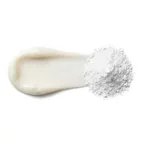 Titanium Dioxide
 Zinc Oxide
 Tocopherol
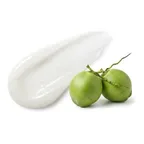 Caprylic Capric Triglyceride
 Butylene Glycol
High
- HighOily Skin Fit
- HighEffectiveness
- HighSafety
A great choice for oily skin; a few sunscreens fit it even better.
This fit is calculated for the concerns frequently associated with oily skin: shine, enlarged pores, blackheads, and blemishes. For scores and recommendations based on your full skin profile, including your 12D face scan results and any goals or preferences you have, please use the Lovi app.
Updated How the Fit score works
Lovi Assistant explains
- Highly suitable for your oily skin, this product effectively addresses oily shine with titanium dioxide and zinc oxide, which provide excellent physical sun protection and mattifying effects without exacerbating oiliness.
- The formula offers moderate benefits for your skin concerns, leveraging these key ingredients to manage excess oil and provide a smooth finish.
- Its safety profile is excellent, with no risks of irritation for your oily skin due to the absence of prohibited or harsh ingredients.
How to apply
- Apply this sunscreen during your AM routine every single day. Reapply every two hours if you are staying outdoors.
- Apply the sunscreen as the final step of your morning skincare routine after your moisturizer. Allow your moisturizer to absorb fully before putting it on.
- Squeeze a generous amount and pat it gently all over your face and neck. Avoid rubbing the product harshly into your skin.
- Apply the sunscreen directly onto dry skin to ensure it forms an even and protective layer against the sun.
- Avoid getting the product directly into your eyes and stop using it if any irritation occurs.
People Say
★4.6Overall rating based on 200+ reviewsUsers with oily, acne-prone, and sensitive skin highly praise this sunscreen for its lightweight, non-greasy formula that dries down to a matte finish without clogging pores. While the tinted version is celebrated for blending seamlessly, the translucent version receives mixed feedback regarding a visible white cast on darker skin tones and a texture that some find slightly thick or difficult to blend initially.
Highlights
Lightweight matte Mostly Mentioned
- “absorbs quickly and leaves a non-greasy yet radiant finish”
- “feels like a lightweight moisturizer”
- “smooth matte finish”
Acne-safe Often Mentioned
- “doesn't cause me breakouts”
- “haven't experienced breakouts using it”
- “suitable for my combination skin”
Good protection Sometimes Noted
- “protected my face from burning”
- “excellent protection... in high intensity sun”
- “reliable sun protection”
Makeup base Sometimes Noted
- “doubles as a GREAT primer”
- “works well under makeup”
- “sat well under my makeup”
White cast Sometimes Noted
- “leaves a white 'glow'”
- “insignificant white residue”
- “chalky white undertone”
Greasy residue Rarely Noted
- “leaves a greasy residue”
- “slightly shiny”
- “starts a little greasy but blends”
Thick texture Rarely Noted
- “way too heavy”
- “starts a little greasy”
- “needs thorough blending to avoid clumping”
Sources: lovi.care, artofskincare.com, dermstore.com, lovelyskin.com, walmart.com, harbenhouse.com, and more
Questions and answers
What makes iS Clinical Eclipse SPF 50+ a great fit for oily skin?
This sunscreen is a great fit for oily skin because titanium dioxide and zinc oxide provide sun protection and a matte finish without making you more oily. The formula helps manage excess oil for a smooth look while keeping irritation away since it leaves out harsh ingredients.
Which ingredients make this cream a good fit for oily skin?
Titanium dioxide and zinc oxide make this cream a great fit for your oily skin because they provide sun protection and a smooth, matte finish without making you look shiny. This product is very safe and is unlikely to cause irritation.
What does Titanium Dioxide do for oily skin?
Titanium dioxide helps protect oily skin from UV rays without feeling heavy or greasy. Because oily skin needs lightweight protection that does not clog pores or add extra shine, a sunscreen with this mineral ingredient works well to keep your face feeling fresh and dry.
Toxicology in Vitro, 2006Journal of the American Academy of Dermatology, 2009
What does Zinc Oxide do for oily skin?
Zinc oxide helps calm oily and breakout-prone skin by reducing redness and targeting blemish-causing bacteria. It also may help decrease oil production, supporting a clearer and more balanced complexion.
Journal of Controlled Release, 2025Journal of Drugs in Dermatology, 2013
Where does it go in a skincare routine for oily skin?
Apply this sunscreen as the last step in your morning routine after your moisturizer. It helps manage excess oil and provides a smooth, shine-free finish.
Can I use this cream with retinol, and in what order?
You can use this spf in the morning after applying your retinol and moisturizer, as part of your daytime routine. It is a great fit for oily skin because titanium dioxide and zinc oxide help protect your skin while keeping oily shine down, and it has an excellent safety profile with very low risk of irritation.
How often should I use it?
Use this sunscreen every morning as the final step of your daytime routine. It helps manage excess oil and provides a smooth, matte finish without irritating your skin.
Can it clog pores, cause breakouts or purging for oily skin?
This sunscreen is unlikely to clog pores or cause breakouts on oily skin, as its mineral ingredients help manage excess oil without irritation. It does not contain harsh ingredients, making it very safe for your skin type.
Is this cream fragrance-free and alcohol-free?
Yes, it has no fragrance and no drying alcohol. Cetearyl alcohol is a fatty alcohol, which soften the skin.
What the research says
Biomimetic hyaluronic acid-stabilized zinc oxide nanoparticles selectively inhibited C. acnes, outperformed erythromycin in preclinical acne models, and safely reduced acne lesions and redness in a clinical trial.
Journal of Controlled Release, 2025Topical 0.5% hyaluronic-ZnO nanogel applied twice daily reduced inflammatory-lesion counts by 58% at week four in human subjects compared to baseline without causing erythema.
Biomedicines, 2025Replacing microsized titanium dioxide and zinc oxide with nanoparticles in sunscreens eliminates opaqueness and alters UV protection balance while inducing (photo)cyto- and genotoxicity and penetrating viable skin layers during long-term exposures.
Nanotechnology, Science and Applications, 2011Microfine titanium dioxide does not penetrate human skin when formulated in an oil-in-water emulsion with the pigment dispersed in the aqueous phase, compared to oily dispersions and liposomal encapsulation which allow deeper skin penetration.
International Journal of Cosmetic Science, 2000Hyaluronic acid-grafted titanium dioxide nanoparticles increased SPF from 13.3 to 19.1 while demonstrating low photocatalytic activity, exceptional thermal stability with >95% SPF retention, enhanced moisturization with >80% hydration retention, and minimal cytotoxicity with 88.5% cell viability in HaCaT keratinocytes compared to unmodified nanoparticles.
International Journal of Biological Macromolecules, 2025Co-exposure to titanium dioxide nanoparticles exerted an antagonistic effect on zinc oxide nanoparticle-induced cytotoxicity and DNA damage in human keratinocytes and a reconstructed human epidermis model by restricting cellular uptake and decreasing zinc ion dissociation.
Nanomaterials, 2022Daily use of a deep cleansing gel containing salicylic acid 2%, zinc gluconate 0.2% and lipohydroxy acid 0.05% significantly reduced total lesion count by 56.3% after 84 days in 35 subjects with mild to moderate truncal acne.
Clinical, Cosmetic and Investigational Dermatology, 2023Topical zinc oxide nanogels formulated using Dendrobium anosmum showed greater effectiveness against Gram-positive acne-causing bacteria compared to chemogenic nanoparticles.
Molecules, 2023A topical serum containing vitamin C, vitamin E, and raspberry leaf cell culture extract improved skin color, elasticity, radiance, smoothness, scaliness, and wrinkles compared to the untreated contralateral side in fifty female volunteers.
Journal of Cosmetic Dermatology, 2020A nighttime topical antioxidant containing resveratrol, baicalin, and vitamin E significantly improved fine lines, wrinkles, firmness, elasticity, laxity, hyperpigmentation, radiance, roughness, and dermal thickness in subjects with mild to moderately photodamaged skin over 12 weeks.
Journal of Drugs in Dermatology, 2014A topical antioxidant serum significantly reduced air pollution-induced skin pigmentation and proinflammatory gene expression ex vivo, and improved skin aging signs in 40 healthy adult females after 90 days of daily use.
Journal of Cosmetic Dermatology, 2022Topical application of an emollient emulsion containing 15.0% caprylic/capric triglyceride doubled the amount of urocanic acid isomers and increased skin hydration with reduced transepidermal water loss in healthy subjects, though it did not prevent ultraviolet-induced urocanic acid isomerization.
Life, 2023Dipropylene glycol, propylene glycol, and butylene glycol increased molecular mobility in stratum corneum lipids and affected keratin filaments, with butylene glycol and propylene glycol providing significant permeation enhancement.
Journal of Controlled Release, 2022
Ingredients
Titanium Dioxide, Zinc Oxide, Water, C12-15 Alkyl Benzoate, Caprylic Capric Triglyceride, Butylene Glycol, Octyldodecyl Neopentanoate, Cetearyl Glucoside, Cetearyl Alcohol, Glyceryl Stearate, Peg-100 Stearate, Polyhydroxystearic Acid, Alumina, Methicone, Triethoxycaprylylsilane, Tocopherol, Vp Eicosene Copolymer, Styrene Acrylates Copolymer, Sorbitan Laurate, Tocopheryl Acetate, Xanthan Gum, 1,2-Hexanediol, Caprylyl Glycol, Disodium Edta
Behind this fit score
Lovi calculates every fit score from the full ingredient list with brand-independent rules our dermatologists and cosmetic chemists build and review, and personalizes every pick with AI trained on the real results of millions of users. Lovi trains its fit score models on a proprietary dataset built from more than 10,000 expert-labeled products and more than 100,000 simulated examples, following an internally consistent methodology presented at Cosmoprof, AMWC, and Skin of Color Update.
-

Co-founder, Medical Director
Cosmetic chemist, cosmetologist, aesthetic products developer
-

Co-founder, CEO and CTO
PhD in computer science, 3x US patent holder, ex-Google, ex-Yandex
-

Dr. Sofía Perea Pérez, MD, MSc
Medical Board
Aesthetic medicine practitioner, MSc in Longevity and Anti-Aging Medicine
-

Medical Board
Specialist dermatologist, MBBS, MD, IFAAD
-

Medical Board
Cosmetic chemist, SCS, IFSCC member
-

Medical Board, Medical Advisor
Dermatology MD
-

Elina Nazarenko, MD
Medical Board
Dermatology and diagnostic consultant
-

Victoria Derkova, MS
Medical Board
Cosmetic chemist, cosmetic development technologist


How does it fit your skin?
Scan your face, then any product: Lovi shows how well it fits you and what fits even better.