
Illiyoon Hyaluronic Moisture Cream for acne-prone skin

 Sodium Hyaluronate
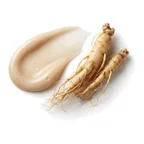 Panax Ginseng Water Root
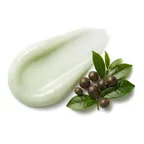 Camellia Sinensis Seed Oil
 Glycerin
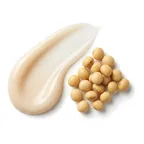 Hydrogenated Lecithin
Average
- AverageCombination Skin Fit
- AverageEffectiveness
- HighSafety
Works for acne-prone skin; other moisturizers fit it better.
- Clinical, Cosmetic and Investigational Dermatology, 2017
- International Journal of Biological Macromolecules, 2018
This fit is calculated for the concerns frequently associated with acne-prone skin: breakouts, blackheads, and post-acne marks. For scores and recommendations based on your full skin profile, including your 12D face scan results and any goals or preferences you have, please use the Lovi app.
Updated How the Fit score works
Lovi Assistant explains
- Offers moderate suitability for your combination skin, as glycerin and sodium hyaluronate provide essential hydration, but the formula lacks specific ingredients to address your primary concerns of acne, blemishes, and breakouts.
- While the product offers general moisturizing benefits, it does not contain targeted actives that would effectively manage or improve acne-prone areas.
- The product is safe for your combination skin, with no indications of irritation due to the absence of harsh or prohibited ingredients.
How to apply
- Use your moisturizer twice a day in your AM and PM routines. Apply it daily to help keep breakouts under control.
- Apply after your cleanser and toner, and make sure to use your SPF right after in the morning.
- Gently spread a small amount of moisturizer over your face using soft motions. Let it absorb into the skin for a minute before getting dressed or applying makeup.
- Apply on slightly damp skin to help lock in extra moisture. This keeps your combination skin balanced without feeling heavy.
- Avoid the eye area and do a patch test before your first use. Stop using if you feel any irritation.
People Say
★4.7Overall rating based on 200+ reviewsThis moisturizer is highly praised for its lightweight, non-greasy gel-cream texture that provides effective hydration without causing breakouts or irritation. It is particularly favored by users with combination and sensitive skin for its soothing, plumping effect, though some find it may require layering or a heavier occlusive in extremely dry conditions.
Highlights
Lightweight texture Mostly Mentioned
- “Feels fresh and lightweight”
- “Absorbs beautifully”
- “Zero heaviness”
Deeply hydrating Often Mentioned
- “Skin feels plump”
- “Incredibly hydrated”
- “Relieves dry, tight skin”
Non-greasy finish Often Mentioned
- “Zero stickiness”
- “No oily residue”
- “Not tacky”
Gentle and soothing Sometimes Noted
- “Calms inflammation”
- “Zero irritation”
- “Great for sensitive skin”
Makeup pilling Sometimes Noted
- “Tends to pill”
- “Pilling underneath makeup”
- “Trouble with layering”
Packaging inconvenient Sometimes Noted
- “Wish it had a scoop”
- “Inconvenient jar”
- “Must use hands”
Lacks deep moisture Rarely Noted
- “Moisturizing effect feels lacking”
- “Need a nourishing cream”
- “Parched if used alone”
Potential bumps Rarely Noted
- “Tiny bumps sometimes form”
- “Slight tingling on compromised skin”
Sources: lovi.care, hwahae.com, target.com, skinsort.com, gopicky.com, walmart.com, and more
Questions and answers
How well does Illiyoon Hyaluronic Moisture Cream work for acne-prone skin?
This moisturizer is an average fit for acne-prone skin because while ingredients like glycerin and sodium hyaluronate provide essential hydration without causing irritation, the formula lacks targeted acne-fighting actives. To properly care for acne-prone skin, a moisturizer of this type needs specific ingredients that manage blemishes and breakouts while keeping the skin calm and balanced.
Which ingredients make this cream a good fit for acne-prone skin?
Sodium hyaluronate and glycerin make this cream a good fit by providing essential hydration for your skin. Because this product is only an average fit, an acne-prone skin needs a moisturizer with targeted soothing ingredients and acne-fighting actives to effectively manage breakouts.
What does Hyaluronic Acid do for acne-prone skin?
Hyaluronic acid helps hydrate acne-prone skin without clogging pores and may be paired with targeted ingredients to calm breakouts and reduce redness. A product of this type for acne-prone skin needs lightweight hydration and ingredients that balance oil and soothe irritation.
What does Panax Ginseng Root Water do for acne-prone skin?
Panax ginseng root water helps calm acne-prone skin by reducing redness and oil oxidation, and it may improve early acne symptoms. To work well for this skin type, a product needs soothing plant extracts and ingredients that balance oil without causing irritation.
Where does this cream go in a skincare routine for acne-prone skin?
This moisturizer goes toward the end of your morning and evening routines, right before sunscreen in the morning. While it provides basic hydration with glycerin and sodium hyaluronate, acne-prone skin needs a product of this type that also includes targeted blemish-fighting actives to manage breakouts.
The Journal of Dermatological Treatment, 2022Clinical, Cosmetic and Investigational Dermatology, 2017
Can I use this cream with retinol, and in what order?
You can use this cream with retinol by applying the retinol first, letting it absorb, and then following with the moisturizer to keep your skin soft and calm. Using a moisturizer alongside retinol helps reduce dryness and irritation.
How often should I use this cream?
You can use this moisturizing cream twice a day as part of your morning and evening routine. Regular daily application helps keep your skin hydrated, though acne-prone skin also needs targeted ingredients that actively manage breakouts.
Journal of Cosmetic Dermatology, 2020Health Science Reports, 2021
Can this cream clog pores, cause breakouts or purging for acne-prone skin?
This cream is unlikely to cause irritation or purging on acne-prone skin, but because it lacks targeted blemish-fighting ingredients, an acne-prone skin needs a moisturizer with specialized actives to help manage breakouts.
Can I use this cream around the eyes or on my body?
This cream works safely on the delicate skin around the eyes and on the body, though the eyelid skin is especially thin and sensitive. Regular application of a cream containing hyaluronic acid and glycerin helps keep these areas well-hydrated.
What the research says
A single application of a moisturizing fluid containing hyaluronic acid 1%, glycerin 5%, and Centella asiatica stem cells extract significantly increased skin hydration by 29% and reduced transepidermal water loss at 24 hours compared to baseline and an untreated control site in twenty healthy women.
Clinical, Cosmetic and Investigational Dermatology, 2017Hyaluronic acid-based formulations exhibit remarkable anti-wrinkle, anti-aging, and skin rejuvenating effects via soft tissue augmentation, improved skin hydration, and face volume restoration.
International Journal of Biological Macromolecules, 2018Lecithin-based nanoemulsions showed superior viability in human skin cells compared to SDS-based formulations, with components remaining in superficial stratum corneum layers indicating low skin irritation risk.
International Journal of Pharmaceutics, 2020Lecithin-based nanoemulsions result in significantly higher viability rates in human epidermal keratinocytes and dermal fibroblasts compared to anionic and non-ionic surfactants, while showing intermediate skin permeation.
International Journal of Pharmaceutics, 2019Topical application of 0.1% hyaluronic acid formulations of different molecular weights led to significant improvements in skin hydration and elasticity, with low-molecular-weight formulations also significantly reducing wrinkle depth in seventy-six female subjects compared to a vehicle control.
Journal of Drugs in Dermatology, 2011Topical hyaluronic acid serum used twice daily by 40 females with facial photoaging produced an immediate 134% increase in skin hydration, a sustained 55% increase at week 6, and significant improvements in smoothness, plumping, fine lines, wrinkles, and global appearance without causing irritation.
Dermatology and Therapy, 2021A topical antioxidant serum significantly reduced air pollution-induced skin pigmentation and proinflammatory gene expression ex vivo, and improved skin aging signs in 40 healthy adult females after 90 days of daily use.
Journal of Cosmetic Dermatology, 2022Enzyme-modified ginseng extract cream significantly reduced the global photo-damage score and various roughness measures including total roughness, smoothness depth, and arithmetic roughness average compared to placebo in 23 human subjects.
Rejuvenation Research, 2015A red ginseng hydrogel formulation with 1,2-hexanediol promoted selective growth of Staphylococcus epidermidis and decreased Cutibacterium acnes in 20 female subjects.
Journal of Ginseng Research, 2022A cream containing 0.1% ginsenoside F1 demonstrated a skin-whitening effect on artificially tanned human skin after 8 weeks by enhancing interleukin-13 production from epidermal gamma-delta T cells, which subsequently suppressed tyrosinase and DCT expression and melanin synthesis in melanocytes.
Experimental Dermatology, 2014Tea seed oil makeup remover successfully removed foundation and eyeliner without causing skin irritation in 20 human volunteers, with the 60% formulation showing superior foundation removal compared to other formulations and an olive oil benchmark.
Annales Pharmaceutiques Francaises, 2017The emollient V0034CR significantly reduced TEWL compared to vehicle and vehicle plus glycerol, and significantly increased corneometry scores compared to vehicle and vehicle plus petrolatum in healthy volunteers with dry skin, demonstrating combined barrier function improvement from petrolatum and hydration improvement from glycerol.
Journal of Cosmetic Dermatology, 2020Ten days of treatment with a cream containing 20% glycerin significantly increased skin hydration measured by corneometer values in 17 healthy volunteers compared to a placebo cream, but showed no influence on transepidermal water loss or skin sensitivity to an irritating surfactant.
International Journal of Cosmetic Science, 2001Niacinamide/glycerin body moisturizers provided better rapid and prolonged improvement of cosmetic xerosis through functional improvement of stratum corneum barrier function compared to no treatment and conventional moisturizers in female subjects.
Journal of Drugs in Dermatology, 2012A 4% nicotinamide-phospholipidic emulsion applied once daily resulted slightly superior to 1% topical clindamycin phosphate in global clinical improvement and compliance for acne treatment.
International Journal of Cosmetic Science, 2011A biphasic serum utilizing temporary lecithin-glycolate ion-pairing achieved a 4.19-fold higher epidermal glycolic acid delivery and a 45.52% greater exfoliation improvement in a 37-participant clinical study compared to conventional formulations.
Skin Research and Technology, 2026Soybean lecithin microemulsion gel showed a very low acute and low cumulative irritancy potential in human subjects, comparable to lecithin liposomes and the solvent isopropyl palmitate.
Skin Pharmacology, 1996
Why other moisturizers fit acne-prone skin better
Co-delivery of paeonol and madecassoside via nanoemulsions improved transdermal delivery, promoted barrier repair proteins, inhibited inflammatory cytokine secretion in cellular and 3D models, and reduced transepidermal water loss and acne in human facial skin compared to free components.
Molecules, 2023
Ingredients
Water, Butylene Glycol, Dicaprylyl Carbonate, Glycerin, Hydrogenated Poly C6-14 Olefin, Methyl Trimethicone, 1,2-Hexanediol, Cetearyl Alcohol, Pca Dimethicone, Stearic Acid, Glyceryl Stearate, Palmitic Acid, Acrylates C10-30 Alkyl Acrylate Crosspolymer, Tromethamine, Hydroxyethyl Acrylate Sodium Acryloyldimethyl Taurate Copolymer, Sodium Hyaluronate, Glyceryl Caprylate, Hydrogenated Lecithin, Panax Ginseng Water Root, Hydroxypropyl Phosphate Starch, Disodium Edta, Ethylhexylglycerin, Polyglyceryl-3 Methylglucose Distearate, Camellia Sinensis Seed Oil, Sorbitan Isostearate, Polysorbate 60, Limonene, Bupleurum Chinense Root Extract, Angelica Acutiloba Root Extract, Ophiopogon Japonicus Root Extract, Myristic Acid, Arachidic Acid, Linalool, Tocopherol, Glycine Oil Soybean Oil
Behind this fit score
Lovi calculates every fit score from the full ingredient list with brand-independent rules our dermatologists and cosmetic chemists build and review, and personalizes every pick with AI trained on the real results of millions of users. Lovi trains its fit score models on a proprietary dataset built from more than 10,000 expert-labeled products and more than 100,000 simulated examples, following an internally consistent methodology presented at Cosmoprof, AMWC, and Skin of Color Update.
-

Co-founder, Medical Director
Cosmetic chemist, cosmetologist, aesthetic products developer
-

Co-founder, CEO and CTO
PhD in computer science, 3x US patent holder, ex-Google, ex-Yandex
-

Dr. Sofía Perea Pérez, MD, MSc
Medical Board
Aesthetic medicine practitioner, MSc in Longevity and Anti-Aging Medicine
-

Medical Board
Specialist dermatologist, MBBS, MD, IFAAD
-

Medical Board
Cosmetic chemist, SCS, IFSCC member
-

Medical Board, Medical Advisor
Dermatology MD
-

Elina Nazarenko, MD
Medical Board
Dermatology and diagnostic consultant
-

Victoria Derkova, MS
Medical Board
Cosmetic chemist, cosmetic development technologist


How does it fit your skin?
Scan your face, then any product: Lovi shows how well it fits you and what fits even better.