
HISTOLAB Soft Deep Cleansing Enzyme Powder Wash for sensitive skin

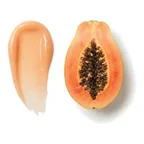 Papaya Enzyme
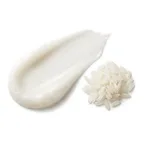 Rice Powder
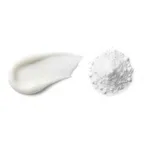 Baking Soda
 Camellia Sinensis Extract
 Ascorbic Acid
Average
- HighNormal Skin Fit
- AverageEffectiveness
- ExcellentSafety
Works for sensitive skin; other products fit it better.
This fit is calculated for the concerns frequently associated with sensitive skin: redness, stinging, and reactions to new products. For scores and recommendations based on your full skin profile, including your 12D face scan results and any goals or preferences you have, please use the Lovi app.
Updated How the Fit score works
Lovi Assistant explains
- Offers moderate exfoliation for your normal skin, as papain and bromelain provide mild enzymatic exfoliation to support desquamation regulation.
- The cleansing agents, sodium lauroyl glutamate and sodium cocoyl isethionate, effectively cleanse pores, while allantoin and tocopherol vitamin E offer soothing benefits for your sensitive skin.
- The product is safe for your sensitive skin due to the absence of harsh ingredients and the presence of soothing components.
How to apply
- Could be used as part of your PM routine once a week. Start slowly and increase usage only if your skin feels comfortable.
- Apply this enzyme powder cleanser after your regular cleanser, and before your hydrating toner and moisturizer.
- Pour a small amount into wet hands, lather into a foam, and gently massage onto your face without harsh rubbing.
- For sensitive skin, apply this product on slightly damp skin to ensure better tolerance and comfort.
- Avoid the eye area and do a patch test before your very first use to prevent irritation.
People Say
★4.0Overall rating based on 100+ reviewsBased on limited available data, users find this enzymatic cleanser to be gentle and effective, leaving skin soft and smooth without stripping natural oils. It is particularly beneficial for oily and acne-prone skin, helping to manage sebum and unclog pores. Some users note a learning curve for lathering the powder format.
Highlights
Gentle Exfoliation Often Mentioned
- “leaves skin soft”
- “non-stripping cleanse”
- “gentle enzyme action”
Travel-Friendly Often Mentioned
- “perfect for travel”
- “compact size”
- “easy to pack”
Good for Oily/Acne Skin Sometimes Noted
- “reduces closed comedones”
- “calms oily skin”
- “good for breakouts”
Post-Wash Feel Sometimes Noted
- “squeaky clean but soft”
- “refreshed feeling”
- “smooth complexion”
Lathering difficulty Sometimes Noted
- “doesn't lather well”
- “hard to foam”
- “needs mixing effort”
Availability Rarely Noted
- “inconvenient to buy”
- “shipping takes long”
- “niche product”
Price & Size Rarely Noted
- “wish it was larger”
- “expensive for size”
- “hard to find”
Scent Rarely Noted
- “acquired taste”
- “scent is disappointing”
- “odd smell at first”
Sources: lovi.care, histolab.ca, ubuy.com, hwahae.co.kr, ebay.com, gosupps.com, and more
Questions and answers
How well does HISTOLAB Soft Deep Cleansing Enzyme Powder Wash work for sensitive skin?
HISTOLAB Soft Deep Cleansing Enzyme Powder Wash works moderately well for sensitive skin, though other cleansers fit it better. To care for sensitive skin, a product of this type needs soothing ingredients like allantoin to calm redness and irritation, paired with very gentle cleansing and exfoliating components that clean pores without causing discomfort.
Which ingredients make this cleanser a good fit for sensitive skin?
Allantoin and tocopherol vitamin E help make this cleanser a good fit for sensitive skin by offering soothing benefits. An enzyme powder cleanser for sensitive skin needs calming ingredients like allantoin to reduce redness and irritation while cleansing and gently exfoliating without harsh effects.
What does Papaya Enzyme do for sensitive skin?
Papaya enzyme gently exfoliates the skin by loosening dead cells to help keep it smooth, but it may cause irritation on sensitive skin due to its active nature. A product of this type needs soothing, calming ingredients and barrier-supporting lipids to comfortably fit sensitive skin without causing redness.
The Journal of Investigative Dermatology, 2015Journal of Cosmetic Dermatology, 2022
What does Rice Powder do for sensitive skin?
Rice powder helps calm sensitive skin and supports its barrier function. It is unlikely to cause irritation and has a safe profile for daily use.
Acta Dermato-venereologica, 2002International Journal of Toxicology, 2006
Where does this cleanser go in a skincare routine for sensitive skin?
This cleanser goes in the morning and evening routine, and can be used once a week as an exfoliating step. A cleanser of this type for sensitive skin needs gentle cleansing agents along with calming ingredients to keep skin soft and comfortable.
Can I use this cleanser with retinol, and in what order?
You can use this enzyme powder cleanser alongside retinol by keeping them on separate days or spacing them out in your routine to prevent irritation. Sensitive skin needs a cleanser that pairs gentle foaming agents like sodium lauroyl glutamate with calming ingredients such as allantoin and vitamin E when using strong treatments.
How often should I use this cleanser?
Use this enzyme powder cleanser once a week to start, and if your sensitive skin tolerates it well and shows good results, you may carefully use it more often. Sensitive skin of this type needs gentle cleansing agents along with soothing components to keep the skin calm and comfortable.
Can this cleanser clog pores, cause breakouts or purging for sensitive skin?
This enzyme powder cleanser is unlikely to clog pores or cause breakouts for sensitive skin, as its gentle cleansing agents effectively clear pores without harsh ingredients. However, because it provides moderate exfoliation, sensitive skin types seeking a better fit need soothing ingredients like allantoin and vitamin E to keep skin calm and smooth.
Is this cleanser fragrance-free and alcohol-free?
Yes, it has no fragrance and no drying alcohol.
What the research says
Incorporating 1, 2, and 5 percent papain into starch- and carboxymethyl cellulose-based films preserved proteolytic and skin exfoliation activity while improving mechanical properties and water solubility compared to control films, with immobilized enzyme maintaining stability for up to 90 days.
International Journal of Biological Macromolecules, 2023The ThriveCo Bumps Eraser Kit increased skin hydration by 131.75%, reduced redness by 69.30%, decreased pigmentation by 35.77%, dropped itchiness by 92.63%, improved smoothness by 55.00%, reduced roughness by 148.54%, and decreased scaliness by 87.09% without adverse effects.
Cureus, 2025Application of green tea extracts on normal human skin resulted in dose-dependent inhibition of UV-evoked erythema, reduced sunburn cells, protected Langerhans cells, and decreased UV-induced DNA damage compared to untreated UV-exposed skin.
Journal of the American Academy of Dermatology, 2001Topical application of (-)-epigallocatechin-3-gallate (EGCG) to human skin before UV irradiation decreases UV-induced production of hydrogen peroxide by 68-90% and nitric oxide by 30-100%, inhibits leukocyte infiltration and lipid peroxidation by 41-84%, and restores glutathione levels and glutathione peroxidase activity compared to UV exposure alone.
Carcinogenesis, 2001Topical papain treatment may slightly decrease pain within 30 minutes in humans stung by Chrysaora chinensis compared to placebo.
Wilderness & Environmental Medicine, 2016A fixed combination of hydroxypinacolone retinoate, retinol glycospheres, and papain glycospheres in aqueous gel applied once daily for 12 weeks achieved a 41% mean reduction in GAGS score and a 40.8% mean reduction in total lesions, with 15.3% of patients experiencing mild to moderate local side effects, in 94 evaluable patients with comedonal-papular, mild to moderate acne of the face.
Giornale Italiano Di Dermatologia E Venereologia, 2015Exposure to a Kiperin Bromelain & Papain complex at 2.5 µg/mL increased cell viability, altered wound closure, decreased inflammation-related gene expression, and increased skin barrier/keratinization gene expression in CCD-18Co colon fibroblasts, HME-1 mammary epithelial cells, and HaCaT keratinocytes.
Scientific Reports, 2026Daily application of a cream containing niosomes loaded with purple glutinous rice extract in 20 human volunteers for 28 days resulted in a significant decrease in melanin index and skin roughness by -14.05% and -9.95%, and increases in skin hydration and elastic recovery by +48.73% and +35.98% compared to initial values.
International Journal of Cosmetic Science, 2020The iontophoretic delivery of hyaluronic acid nanogel-loaded Saccharomyces/Rice Ferment Filtrate significantly reduced advanced glycation end products and mitigated skin stiffening in an ex vivo skin tissue glycation model.
International Journal of Nanomedicine, 2025Black rice extract treatment downregulated MMP-1 and MMP-3 expression, increased type I procollagen expression, and reduced reactive oxygen species production in ultraviolet-irradiated HaCaT and human dermal fibroblast skin cells.
International Journal of Molecular Medicine, 2018Topically formulated tea polyphenols show some benefit in reducing sebum secretion and treating acne vulgaris compared to baseline or control.
Antioxidants, 2016Topical application of tannase-converted green tea extract (TGE) significantly improved skin wrinkle indices and self-assessed wrinkle reduction compared to normal green tea extract (NGE) in human subjects over 8 weeks.
Journal of Cosmetic Dermatology, 2013An anti-acne hydrogel containing Aloe barbadensis, Garcinia mangostana, and Camellia sinensis extracts showed superior antiacne and antiblotch activities compared to 1% clindamycin gel in sixty subjects with mild-moderate acne.
Clinical, Cosmetic and Investigational Dermatology, 2019Topical application of 5% vitamin C cream significantly improved global clinical scores, increased skin microrelief density, and induced elastic tissue repair in photoaged skin compared to excipient control in healthy female volunteers.
Experimental Dermatology, 2003Topical application of VC-IP cream twice daily for 8 weeks reduces periorbital wrinkles in female subjects compared to a placebo cream.
Journal of Cosmetic Dermatology, 2022Topical treatment with 5% vitamin C and 0.1% madecassoside significantly improved clinical scores for wrinkles, suppleness, firmness, roughness, and skin hydration, along with functional and structural remodeling of the elastic fiber network in 20 female volunteers with photoaged skin after 6 months compared to baseline.
Experimental Dermatology, 2008
Ingredients
Sodium Lauroyl Glutamate, Sodium Cocoyl Isethionate, Papain, Bromelain, Sodium Bicarbonate, Silica, Allantoin, Tocopherol Vitamin E, Ascorbic Acid, Water
Behind this fit score
Lovi calculates every fit score from the full ingredient list with brand-independent rules our dermatologists and cosmetic chemists build and review, and personalizes every pick with AI trained on the real results of millions of users. Lovi trains its fit score models on a proprietary dataset built from more than 10,000 expert-labeled products and more than 100,000 simulated examples, following an internally consistent methodology presented at Cosmoprof, AMWC, and Skin of Color Update.
-

Co-founder, Medical Director
Cosmetic chemist, cosmetologist, aesthetic products developer
-

Co-founder, CEO and CTO
PhD in computer science, 3x US patent holder, ex-Google, ex-Yandex
-

Dr. Sofía Perea Pérez, MD, MSc
Medical Board
Aesthetic medicine practitioner, MSc in Longevity and Anti-Aging Medicine
-

Medical Board
Specialist dermatologist, MBBS, MD, IFAAD
-

Medical Board
Cosmetic chemist, SCS, IFSCC member
-

Medical Board, Medical Advisor
Dermatology MD
-

Elina Nazarenko, MD
Medical Board
Dermatology and diagnostic consultant
-

Victoria Derkova, MS
Medical Board
Cosmetic chemist, cosmetic development technologist


How does it fit your skin?
Scan your face, then any product: Lovi shows how well it fits you and what fits even better.