
Hero Cosmetics Pore Release Blackhead Clearing Solution for combination skin

 Salicylic Acid
 Glycolic Acid
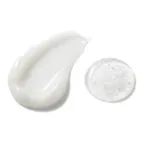 Gluconolactone
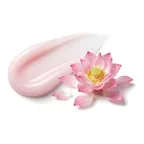 Lotus Water
 Aloe Barbadensis Leaf Juice
Superior
- SuperiorCombination Skin Fit
- HighEffectiveness
- HighSafety
One of the best products for combination skin.
- Clinical, Cosmetic and Investigational Dermatology, 2019
- The Australasian Journal of Dermatology, 1992
This fit is calculated for the concerns frequently associated with combination skin: an oily T-zone, enlarged pores, and dry cheeks. For scores and recommendations based on your full skin profile, including your 12D face scan results and any goals or preferences you have, please use the Lovi app.
Updated How the Fit score works
Lovi Assistant explains
- Offers excellent exfoliation for your combination skin, as gluconolactone, salicylic acid, and glycolic acid work synergistically to decongest pores and smooth texture, effectively addressing oily shine.
- The presence of aloe and lotus water provides soothing and hydrating benefits, complementing the exfoliating action for your skin type.
- The formula is safe for your combination skin, containing no harsh or prohibited ingredients that could cause irritation.
How to apply
- Use this exfoliant product in your PM routine starting once a week, then increase frequency carefully if your skin feels fine.
- Apply this exfoliant step after cleansing and toner, but right before your moisturizer.
- Gently press 2-3 drops of the exfoliant into your skin and wait a minute before layering.
- Apply the exfoliant to clean, dry skin to help control your oily shine comfortably.
- Avoid the eye area and do a patch test before your first use.
People Say
★4.5Overall rating based on 1.5k+ reviewsBased on a very large amount of data, users with oily and combination skin frequently praise this toner for effectively reducing blackheads and minimizing pore appearance without stripping moisture. The majority describe it as a gentle and hydrating alternative to harsh exfoliants, though a small subset of users experienced purging or found it ineffective for stubborn deep-set congestion.
Highlights
Gentle, non-drying Mostly Mentioned
- “doesn't strip skin”
- “hydrating formula”
- “no irritation”
- “gentle on sensitive skin”
Effective pore clearing Often Mentioned
- “pores look smaller”
- “cleared blackheads”
- “unclogs gunk”
- “skin looks smoother”
Pleasant texture Often Mentioned
- “no chemical smell”
- “lightweight liquid”
- “absorbs quickly”
- “not sticky”
Quality packaging Sometimes Noted
- “heavy glass bottle”
- “feels luxurious”
- “lasts a long time”
- “aesthetic design”
Caused breakouts Rarely Noted
- “caused cystic acne”
- “broke me out”
- “bad reaction”
- “skin got worse”
Ineffective for some Rarely Noted
- “didn't see difference”
- “temporary fix”
- “blackheads remained”
- “wasted money”
Packaging usability Rarely Noted
- “stopper difficult to remove”
- “glass is fragile”
- “hard to dispense”
- “cap issues”
Price vs. value Rarely Noted
- “expensive for size”
- “small bottle”
- “pricey drugstore option”
Sources: lovi.care, walmart.com, target.com, dermstore.com, herocosmetics.us, youtube.com, and more
Questions and answers
What makes Pore Release Blackhead Clearing Solution one of the best fits for combination skin?
This exfoliant treatment is one of the best fits because it combines salicylic acid, glycolic acid, and gluconolactone to clear out pores, smooth your texture, and help control oily shine. Aloe and lotus water add soothing moisture to balance the exfoliating action, and the safe formula is unlikely to cause irritation on your skin.
Clinical, Cosmetic and Investigational Dermatology, 2019The Australasian Journal of Dermatology, 1992
Which ingredients make this exfoliant a good fit for combination skin?
Salicylic acid, glycolic acid, and gluconolactone make this exfoliant a great fit by clearing out pores and smoothing texture to manage oily shine. Aloe and lotus water add soothing and hydrating benefits to keep your skin calm and comfortable.
Clinical, Cosmetic and Investigational Dermatology, 2019The Australasian Journal of Dermatology, 1992
What does Salicylic Acid do for combination skin?
Salicylic acid helps control oily areas and clears pores while keeping combination skin hydrated and balanced. It reduces excess oil and improves overall skin texture with very good tolerability.
Journal of Cosmetic Dermatology, 2025Journal of Cosmetic Dermatology, 2024
What does Glycolic Acid do for combination skin?
Glycolic acid helps smooth the skin surface and keeps it clear by gently loosening dead cells. For combination skin, this type of ingredient works best when it also includes gentle hydrators and oil-balancing agents to keep dry patches soft and oily zones calm.
Archives of Dermatological Research, 1997International Journal of Cosmetic Science, 2021
Where does this exfoliant go in a skincare routine for combination skin?
This exfoliant goes in your evening routine once a week to decongest pores and smooth texture, and people who tolerate it well may carefully use it more often. Lovi routines place treatments in the evening for simplicity and extra safety around sun exposure.
Can I use this exfoliant with retinol, and in what order?
How often should I use this exfoliant?
Start by using this exfoliant treatment once a week in your evening routine, and carefully increase the frequency only if your combination skin tolerates it well and shows good results.
Can this exfoliant clog pores, cause breakouts or purging for combination skin?
This exfoliant is unlikely to clog pores or cause breakouts for combination skin because its ingredients work together to clear out pores and smooth texture while keeping skin calm. Reviewers rarely mention breakouts, and studies show that its exfoliating ingredients help improve skin without causing major issues.
Clinical, Cosmetic and Investigational Dermatology, 2019The Australasian Journal of Dermatology, 1992
Is this exfoliant fragrance-free and alcohol-free?
Yes, it has no fragrance and no drying alcohol.
What the research says
Glycolic acid, salicylic acid, gluconolactone, and licochalcone A combined with 0.1% adapalene showed no hindrance compared to adapalene monotherapy and provided benefits in reducing complications in 25 subjects with mild-to-moderate acne vulgaris.
Clinical, Cosmetic and Investigational Dermatology, 2019Gluconolactone 14% solution significantly improved mild to moderate acne by reducing inflamed and non-inflamed lesions similarly to 5% benzoyl peroxide, but with fewer side-effects in 150 patients.
The Australasian Journal of Dermatology, 1992Combining 10% gluconolactone chemical peeling with oxybrasion or microneedle mesotherapy increased skin hydration and decreased sebum, pH, and TEWL in twenty-one Caucasian women, with no significant differences between the two methods.
Skin Research and Technology, 2023A moisturizer containing licochalcone A, 1,2-decanediol, L-carnitine, and salicylic acid significantly reduced noninflammatory, inflammatory, and total acne lesion counts compared to a vehicle control in Thai patients during a 12-week maintenance phase.
BioMed Research International, 2020Treatment with 2% supramolecular salicylic acid hydrogel resulted in a regression and markedly improvement rate of 51.01% compared to 43.10% for Adapaline gel in patients with mild to moderate facial acne vulgaris, showing no significant difference in efficacy.
Journal of Cosmetic Dermatology, 2024Topical 5% benzoyl peroxide plus salicylic acid achieved the greatest lesion reduction at early 2 to 4 week time points compared to benzoyl peroxide, clindamycin, and combination benzoyl peroxide/clindamycin, while 5% benzoyl peroxide plus salicylic acid and combination benzoyl peroxide/clindamycin showed similar efficacy at 10 to 12 weeks in acne patients.
Journal of the American Academy of Dermatology, 2010Serial glycolic acid peels combined with a modified Kligman formula significantly reduced facial PIH severity in Indian patients compared to the modified Kligman formula alone.
Dermatologic Surgery, 2017Short contact therapy with a tretinoin, clindamycin, and glycolic acid gel significantly improved skin tolerability and reduced acne severity scores compared to standard application therapy in patients with mild-to-moderate acne.
Dermatologic Therapy, 2021Gluconolactone and tartaric acid significantly lower transepidermal water loss and erythema after sodium lauryl sulphate challenge compared to vehicle, untreated control, and glycolic acid in healthy subjects.
The British Journal of Dermatology, 1997Gluconolactone treatment significantly increased facial skin hydration in 16 healthy women, with no significant differences between 10% and 30% solutions.
Skin Research and Technology, 2021Gluconolactone chemical peels lower skin pH and transepidermal water loss while demonstrating seboregulatory properties in 16 female subjects.
Journal of Cosmetic Dermatology, 2023Topical green tea and green tea plus lotus multiple emulsions reduced casual sebum secretions compared to placebo in healthy adults, with the combined treatment producing significantly greater reductions than green tea alone over a 60-day period.
Hippokratia, 2013Combined topical application of lotus and green tea improved facial skin surface parameters including roughness, scaliness, smoothness, and wrinkling in healthy Asian men compared to single treatments and placebo.
Rejuvenation Research, 2013Cosmetics containing lotus-derived callus extract showed a significant skin-whitening effect in 21 volunteers.
Plants, 2023A cream combining propolis, tea tree oil, and Aloe vera reduced erythema scars, acne severity index, and total lesion count better than erythromycin cream in sixty patients with mild to moderate acne vulgaris compared to placebo.
Clinical Pharmacology, 2018Formulations containing 0.10%, 0.25%, and 0.50% freeze-dried Aloe vera extract increased stratum corneum water content compared with the vehicle in 20 female subjects, while transepidermal water loss was not modified.
Skin Research and Technology, 2006Kombucha-mediated fermentation of aloe vera gel for 10 and 20 days enhanced its phenolic and flavonoid content, antioxidant capacity, cytoprotective effects, enzyme inhibition against collagenase, elastase, and hyaluronidase, and moisturizing properties compared to unfermented gel.
Molecules, 2025
Ingredients
Water, Butylene Glycol, Gluconolactone, Arginine, Salicylic Acid, Glycolic Acid, Aloe Barbadensis Leaf Juice, Nelumbo Nucifera Water Root, Glycerin, Hydrolyzed Gardenia Florida Extract, Biosaccharide Gum-1, Sodium Levulinate, Glyceryl Caprylate, Maltodextrin, Sodium Anisate, Sodium Hydroxide, Potassium Sorbate, Sodium Benzoate, Citric Acid
Behind this fit score
Lovi calculates every fit score from the full ingredient list with brand-independent rules our dermatologists and cosmetic chemists build and review, and personalizes every pick with AI trained on the real results of millions of users. Lovi trains its fit score models on a proprietary dataset built from more than 10,000 expert-labeled products and more than 100,000 simulated examples, following an internally consistent methodology presented at Cosmoprof, AMWC, and Skin of Color Update.
-

Co-founder, Medical Director
Cosmetic chemist, cosmetologist, aesthetic products developer
-

Co-founder, CEO and CTO
PhD in computer science, 3x US patent holder, ex-Google, ex-Yandex
-

Dr. Sofía Perea Pérez, MD, MSc
Medical Board
Aesthetic medicine practitioner, MSc in Longevity and Anti-Aging Medicine
-

Medical Board
Specialist dermatologist, MBBS, MD, IFAAD
-

Medical Board
Cosmetic chemist, SCS, IFSCC member
-

Medical Board, Medical Advisor
Dermatology MD
-

Elina Nazarenko, MD
Medical Board
Dermatology and diagnostic consultant
-

Victoria Derkova, MS
Medical Board
Cosmetic chemist, cosmetic development technologist


How does it fit your skin?
Scan your face, then any product: Lovi shows how well it fits you and what fits even better.