
Hera Sun Mate Airy Sun Milk for dry sensitive skin

 Zinc Oxide
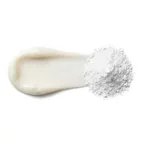 Titanium Dioxide
 Niacinamide
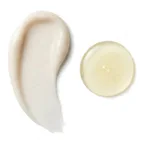 Ethylhexyl Methoxycinnamate
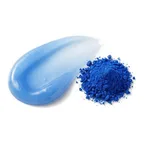 Copper Tripeptide-1
Average
- AverageDry Skin Fit
- HighEffectiveness
- ConcerningSafety
Works for dry sensitive skin; other sunscreens fit it better.
This fit is calculated for the concerns frequently associated with dry sensitive skin: flakiness, tightness, redness, fine lines, and wrinkles. For scores and recommendations based on your full skin profile, including your 12D face scan results and any goals or preferences you have, please use the Lovi app.
Updated How the Fit score works
Lovi Assistant explains
- Offers excellent UV protection due to zinc oxide and ethylhexyl methoxycinnamate, which are beneficial for your dry and sensitive skin by shielding it from sun damage.
- While glycerin and butylene glycol provide some hydration, the formula lacks sufficient emollient and occlusive ingredients to fully address your dry or flaky skin concerns.
How to apply
- Use this moisturizing sunscreen daily in your morning routine. Reapply every two hours if you are staying outdoors.
- Apply this product at the very end of your morning routine right after your regular moisturizer.
- Gently pat a nickel-sized amount of the moisturizing sunscreen evenly across your face and neck.
- Apply this product onto clean, dry skin before you go outside into the sun.
- Avoid the immediate eye area and do a patch test before your first use to check for sensitivity.
People Say
★4.2Overall rating based on 100+ reviewsUsers with oily and combination skin highly recommend this sunscreen for its lightweight, runny texture that absorbs quickly without leaving a sticky residue. While many appreciate the natural tone-up effect and matte finish perfect for summer, sensitive users often cite the strong floral fragrance and potential eye irritation as drawbacks.
Highlights
Lightweight texture Mostly Mentioned
- “Runny texture absorbs quickly”
- “feels weightless”
- “airy fit texture”
Matte finish Often Mentioned
- “Leaves a powdery finish”
- “non-greasy finish”
- “perfect for summer use”
Non-sticky Often Mentioned
- “Minimal stickiness”
- “hair doesn't stick”
- “fresh on the surface”
Strong fragrance Often Mentioned
- “Strong cosmetic fragrance”
- “smells like alcohol/cement”
- “perfume-like scent”
Good for oily skin Sometimes Noted
- “Doesn't produce excessive oiliness”
- “sebum-control technology”
- “great for T-zone”
Tone-up effect Sometimes Noted
- “Subtly brightens complexion”
- “natural tone-up”
- “good makeup base”
Eye irritation Sometimes Noted
- “Stings my eyes”
- “causes eye irritation”
- “discomfort all day long”
White cast Sometimes Noted
- “Slight white cast”
- “divisive for those who dislike tone-up”
- “looks pale initially”
Drying over time Rarely Noted
- “Matte feeling doesn't last”
- “can feel dry/tight”
- “emphasizes dead skin cells”
High price Rarely Noted
- “Pricier than alternatives”
- “expensive for the size”
- “luxury price point”
Sources: lovi.care, hwahae.co.kr, lipscosme.com, yesstyle.com, incidecoder.com, herworld.com, and more
Questions and answers
How well does Hera Sun Mate Airy Sun Milk work for dry sensitive skin?
This product works decently for your dry sensitive skin by shielding it from the sun, but it lacks enough rich softening and moisture-locking ingredients to fully care for dry or flaky areas. A sunscreen of this type needs soothing and barrier-repairing ingredients like ceramides and Centella Asiatica to keep dry skin comfortable and well-hydrated.
Nanotechnology, Science and Applications, 2011Journal of Cosmetic Science, 2008
Which ingredients make this sunscreen a good fit for dry sensitive skin?
Zinc oxide and ethylhexyl methoxycinnamate help shield your skin from sun damage, while glycerin and butylene glycol provide some hydration. However, this type of product needs rich moisturizing and skin-softening ingredients like ceramides and soothing plant extracts to fully care for dry and sensitive skin.
Journal of Cosmetic Science, 2008Nanotechnology, Science and Applications, 2011
What does Zinc Oxide do for dry sensitive skin?
Zinc oxide helps calm dry, sensitive skin by reducing redness and soothing irritation. This ingredient has a very gentle safety profile that is unlikely to cause trouble on delicate skin.
What does Titanium Dioxide do for dry sensitive skin?
Titanium dioxide sits on top of dry sensitive skin to block UV rays without causing irritation, making it a gentle physical shield. However, certain nanoparticle forms may penetrate deep layers or worsen dryness and redness, so this skin type needs soothing, coated, and non-penetrating formulas.
Nanotechnology, Science and Applications, 2011ACS Applied Bio Materials, 2024
Where does this sunscreen go in a skincare routine for dry sensitive skin?
This sunscreen goes in the morning routine as the final step after a cleanser and soothing toner. To fully support dry skin, a product of this type needs richer oils and butters that help lock in moisture and smooth out dry or flaky patches.
Can I use this sunscreen with retinol, and in what order?
You can use this sunscreen in the morning as the final step before makeup, keeping it separate from your evening retinol routine. This product works for your skin type, though dry skin generally needs richer formulas with heavy moisturizing and barrier-locking ingredients to stay soft and smooth.
How often should I use this sunscreen?
You can use this sunscreen every morning to help shield your dry sensitive skin from sun damage. Because this formula lacks rich softening ingredients, your dry skin needs a richer, deeply nourishing cream underneath to fully lock in moisture and soothe flaky areas.
Can this sunscreen clog pores, cause breakouts or purging for dry sensitive skin?
This sunscreen is unlikely to clog pores or cause breakouts for dry sensitive skin, but it does contain denatured alcohol and fragrance which may cause irritation. Dry skin types prone to breakouts need lightweight, non-greasy moisturizing ingredients and soothing elements to keep pores clear while maintaining comfort.
Is this sunscreen fragrance-free and alcohol-free?
It contains fragrance (limonene, linalool, and geraniol) and drying alcohol (denatured alcohol).
What the research says
Topical 0.5% hyaluronic-ZnO nanogel applied twice daily reduced inflammatory-lesion counts by 58% at week four in human subjects compared to baseline without causing erythema.
Biomedicines, 2025Daily use of a deep cleansing gel containing salicylic acid 2%, zinc gluconate 0.2% and lipohydroxy acid 0.05% significantly reduced total lesion count by 56.3% after 84 days in 35 subjects with mild to moderate truncal acne.
Clinical, Cosmetic and Investigational Dermatology, 2023Topical zinc oxide nanogels formulated using Dendrobium anosmum showed greater effectiveness against Gram-positive acne-causing bacteria compared to chemogenic nanoparticles.
Molecules, 2023Microfine titanium dioxide does not penetrate human skin when formulated in an oil-in-water emulsion with the pigment dispersed in the aqueous phase, compared to oily dispersions and liposomal encapsulation which allow deeper skin penetration.
International Journal of Cosmetic Science, 2000Replacing microsized titanium dioxide and zinc oxide with nanoparticles in sunscreens eliminates opaqueness and alters UV protection balance while inducing (photo)cyto- and genotoxicity and penetrating viable skin layers during long-term exposures.
Nanotechnology, Science and Applications, 2011Hyaluronic acid-grafted titanium dioxide nanoparticles increased SPF from 13.3 to 19.1 while demonstrating low photocatalytic activity, exceptional thermal stability with >95% SPF retention, enhanced moisturization with >80% hydration retention, and minimal cytotoxicity with 88.5% cell viability in HaCaT keratinocytes compared to unmodified nanoparticles.
International Journal of Biological Macromolecules, 2025Topical nicotinamide prevented solar-simulated UV-induced immunosuppression in healthy volunteers, and men experienced immunosuppression at solar-simulated UV doses three times lower than those required for women.
The Journal of Investigative Dermatology, 2008Topical 5% niacinamide applied twice daily for 12 weeks reduced fine lines and wrinkles, hyperpigmented spots, red blotchiness, and skin sallowness, and improved skin elasticity compared to vehicle control in 50 female white subjects with facial photoaging.
Dermatologic Surgery, 2005Topical 2% niacinamide significantly decreased sebum excretion rate in Japanese individuals and casual sebum levels in Caucasian individuals compared to placebo or baseline.
Journal of Cosmetic and Laser Therapy, 2006Encapsulation of ethylhexyl methoxycinnamate and butyl methoxydibenzoylmethane in lipid microparticles significantly reduced their in vivo human skin penetration compared to nonencapsulated filters.
Skin Pharmacology and Physiology, 2011Replacing 20% of the chemical UV filter octyl methoxycinnamate with urucum oil in solid lipid nanoparticles maintained the skin protection factor without inducing toxic responses or significant skin penetration in human volunteers.
Skin Pharmacology and Physiology, 2018The application of a sunscreen formulation containing ethylhexyl methoxycinnamate, ethylhexyl salicylate, methyl anthranilate, and octocrylene does not significantly affect critical acne-related species such as Cutibacterium acnes and Staphylococcus epidermidis, refuting the induction of facial dysbiosis in men.
Archives of Dermatological Research, 2024The combination of Thermus thermophilus and Bacillus subtilis mixed-culture ferment extract and copper tripeptide-1 GHK-Cu reduced inflammatory cytokines, protected skin explants from UV-induced damage, and improved wrinkles and skin barrier conditions compared to individual components or controls.
Skin Research and Technology, 2026
Why other sunscreens fit dry sensitive skin better
Cosmetic formulations containing 5% Centella asiatica extract showed the best efficacy in improving skin moisture and decreasing transepidermal water loss, while also exhibiting antiinflammatory properties in 25 volunteers compared to baseline measurements.
Indian Journal of Pharmaceutical Sciences, 2016
Ingredients
Water, Dimethicone, Zinc Oxide, Isododecane, Ethylhexyl Methoxycinnamate, Denatured Alcohol, Diisopropyl Sebacate, Polymethyl Methacrylate, Butylene Glycol, Glycerin, Polymethylsilsesquioxane, Isopropyl Palmitate, Octocrylene, Trimethylsiloxysilicate, Lauryl Peg-9 Polydimethylsiloxyethyl Dimethicone, Diethylamino Hydroxybenzoyl Hexyl Benzoate, Titanium Dioxide, Niacinamide, Terephthalylidene Dicamphor Sulfonic Acid, 1,2-Hexanediol, Bis-Ethylhexyloxyphenol Methoxyphenyl Triazine, Isostearic Acid, Polyglyceryl-3 Polydimethylsiloxyethyl Dimethicone, Tromethamine, Disteardimonium Hectorite, Triethoxycaprylylsilane, Stearic Acid, Alumina, Caprylyl Glycol, Glyceryl Caprylate, Thymol Trimethoxycinnamate, Disodium Edta, Adenosine, Tocopheryl Acetate, Ethyl Ascorbyl Ether, Limonene, Linalool, Propanediol, Ethylhexyl Palmitate, Bht, Ci 77491, Hydrolyzed Corn Starch, Pentylene Glycol, Pinus Densiflora Leaf Extract, Geraniol, Tocopherol, Carbomer, Ethylhexylglycerin, Methoxy Peg-114 Polyepsilon Caprolactone, Hydroxyethyl Acrylate Sodium Acryloyldimethyl Taurate Copolymer, Prunus Persica Leaf Extract, Helianthus Annuus Seed Oil, Lysine, Arginine, Histidine, Beta-Carotene, Glucose, Xylose, Phenoxyethanol, Dna, Mannose, Sodium Chloride, Lecithin, Hydrogenated Phosphatidylcholine, Copper Tripeptide-1, Disodium Phosphate, Dextrin, Hydrolyzed Hibiscus Esculentus Extract, Cholesterol, Fucose, Dipalmitoyl Hydroxyproline, Acrylates Stearyl Methacrylate Copolymer, Calcium Chloride, Potassium Chloride, Potassium Phosphate, Magnesium Chloride, Hydrolyzed Millet Seed Extract
Behind this fit score
Lovi calculates every fit score from the full ingredient list with brand-independent rules our dermatologists and cosmetic chemists build and review, and personalizes every pick with AI trained on the real results of millions of users. Lovi trains its fit score models on a proprietary dataset built from more than 10,000 expert-labeled products and more than 100,000 simulated examples, following an internally consistent methodology presented at Cosmoprof, AMWC, and Skin of Color Update.
-

Co-founder, Medical Director
Cosmetic chemist, cosmetologist, aesthetic products developer
-

Co-founder, CEO and CTO
PhD in computer science, 3x US patent holder, ex-Google, ex-Yandex
-

Dr. Sofía Perea Pérez, MD, MSc
Medical Board
Aesthetic medicine practitioner, MSc in Longevity and Anti-Aging Medicine
-

Medical Board
Specialist dermatologist, MBBS, MD, IFAAD
-

Medical Board
Cosmetic chemist, SCS, IFSCC member
-

Medical Board, Medical Advisor
Dermatology MD
-

Elina Nazarenko, MD
Medical Board
Dermatology and diagnostic consultant
-

Victoria Derkova, MS
Medical Board
Cosmetic chemist, cosmetic development technologist


How does it fit your skin?
Scan your face, then any product: Lovi shows how well it fits you and what fits even better.