
Heliocare 360° Gel Oil-Free SPF 50+ for acne-prone skin

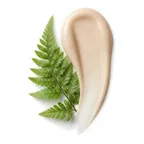 Fernblock Fc
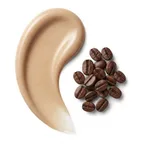 Caffeic Acid
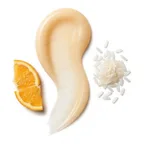 Ferulic Acid
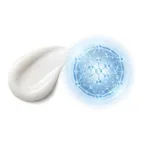 Bioshield System
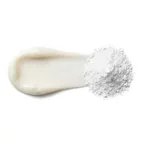 Titanium Dioxide
High
- HighCombination Skin Fit
- HighEffectiveness
- HighSafety
A great choice for acne-prone skin; a few sunscreens fit it even better.
This fit is calculated for the concerns frequently associated with acne-prone skin: breakouts, blackheads, and post-acne marks. For scores and recommendations based on your full skin profile, including your 12D face scan results and any goals or preferences you have, please use the Lovi app.
Updated How the Fit score works
Lovi Assistant explains
- This product offers high protection against UV damage for your combination skin, with key ingredients like Bis-Ethylhexyloxyphenol Methoxyphenyl Triazine and Diethylamino Hydroxybenzoyl Hexyl Benzoate working effectively to shield your skin.
- Ferulic Acid and 3-O-Ethyl Ascorbic Acid provide antioxidant and brightening benefits relevant to your concerns with acne and blemishes, while Polypodium Leucotomos Leaf Extract further supports your skin type.
- The formulation is safe for your combination skin, containing no harsh or prohibited ingredients that could cause irritation.
Buy online

Prices checked 20 Nov 2026
The Lovi Fit is the same in every country; only the stores and prices differ, and the ones here are for Europe.
How to apply
- Apply this sunscreen every morning as the final step of your skincare routine. Reapply every two hours if you are outdoors for best protection against breakouts.
- Apply the sunscreen after your moisturizer and before applying any makeup. Let it absorb completely ⏱ before going outside.
- Take a nickel-sized amount and gently pat it evenly across your face and neck. Avoid rubbing aggressively to keep your combination skin calm.
- Apply the sunscreen on clean, dry skin to ensure an even protective layer. This helps manage excess shine without clogging your pores.
- Avoid the immediate eye area and do a quick patch test before first use. Stop using it if you notice any irritation and consult a specialist.
People Say
★4.8Overall rating based on 100+ reviewsBased on limited data, users with oily, combination, and acne-prone skin appreciate this sunscreen for its lightweight, non-greasy feel and effective shine control. It provides good sun protection and wears well under makeup without leaving a white cast. Some users have reported a strong floral scent, occasional flaking, or a drying sensation.
Highlights
Leaves no white cast Often Mentioned
- “It does not leave a white cast to your face”
- “doesn't leave any trace of a white cast”
- “very pleasant to use no white cast”
- “does not leave any yellow residue on your skin”
Lightweight, non-greasy Often Mentioned
- “It is light, oil free so will no clog my pores”
- “The texture is soft and smooth on the skin”
- “It's not at all greasy, so is perfect if you have oily skin”
- “sinks into the skin nicely”
Controls shine Sometimes Noted
- “keeps me matte all day long”
- “doesn't add shine”
- “reducing shine caused by the humid climate”
- “matte finish without clogging pores”
Wears well under makeup Sometimes Noted
- “works great under makeup”
- “sits well underneath my makeup”
- “wore it under makeup numerous times and I cannot say that it has affected the application”
- “can wear it under makeup and reapply all day”
Can feel drying Rarely Noted
- “This is a new version of the gel cream but it is very dry”
- “I need to put on moisturiser before using so I won't be buying it again”
- “something that had gotten so dry, it was flaking off”
Prone to flaking Rarely Noted
- “after around six hours it started to rub off... it was flaking off”
- “onces dried down it can pill a bit”
- “remarkably uncomfortable”
Strong floral scent Rarely Noted
- “the oil-free version has a very strong floral scent”
- “too intense for my personal taste”
- “my main problem apart from the scent is that I really did not like how it feels”
Unexpected tint Rarely Noted
- “the product isn't colorless... but brownish”
- “this one I received has a little color”
- “tint 02 is too orange for paler skin tones”
Sources: lovi.care, walmart.com, beautyboxjo.com, facethefuture.co.uk, reddit.com, doctoranne.de, and more
Questions and answers
What makes Heliocare 360° Gel Oil-Free SPF 50+ a great fit for acne-prone skin?
This product is a great fit because it offers high UV protection with ingredients like Bis-Ethylhexyloxyphenol Methoxyphenyl Triazine, while Ferulic Acid and Polypodium Leucotomos Leaf Extract provide antioxidant benefits that help support acne-prone skin. The formula is also safe and unlikely to cause irritation.
Journal of Cosmetic Dermatology, 2008Photodermatology, Photoimmunology & Photomedicine, 1997
Which ingredients make this sunscreen a good fit for acne-prone skin?
Ferulic Acid and 3-O-Ethyl Ascorbic Acid help brighten marks left by blemishes, while Polypodium Leucotomos Leaf Extract supports your skin type. These key ingredients work together with gentle sun protection to keep your skin safe without causing irritation.
What does Caffeic Acid do for acne-prone skin?
Caffeic acid helps calm acne-prone skin by fighting acne-related bacteria and reducing inflammation. It is unlikely to irritate when used properly, though a product of this type needs soothing ingredients and gentle antibacterial agents for blemish-prone skin.
Marine Drugs, 2017Biological & Pharmaceutical Bulletin, 2014
Where does this sunscreen go in a skincare routine for acne-prone skin?
This sunscreen goes in the morning routine as the final step after your moisturizer. It shields your acne-prone skin from UV damage without clogging pores or causing irritation.
Can I use this sunscreen with retinol, and in what order?
You can use this sunscreen in the morning as the final step before makeup, well after applying your retinol treatment the night before. Retinol is best kept to your evening routine to prevent irritation, while this daytime formula protects your skin from UV rays and helps calm blemish concerns.
How often should I use this sunscreen?
Apply this sunscreen every morning as the final step in your daytime routine, and reapply it regularly throughout the day if you spend time outdoors. It is lightweight and safe for acne-prone skin, helping shield you from UV damage without causing breakouts or irritation.
Can this sunscreen clog pores, cause breakouts or purging for acne-prone skin?
This sunscreen is a great fit for your acne-prone skin and is unlikely to clog your pores or cause breakouts. Its oil-free formula provides high UV protection while using soothing and antioxidant ingredients that are safe for your skin type.
What the research says
Pretreatment with a topical antioxidant mixture of vitamin C, ferulic acid, and phloretin attenuated ultraviolet-induced sunburn cell formation, thymine dimer formation, matrix metalloproteinase-9 expression, p53 protein expression, and the suppression of CD1a-expressing Langerhans cells in human skin compared to vehicle control.
Journal of Cosmetic Dermatology, 2008Topical or oral administration of Polypodium leucotomos extract prevents acute sunburn, psoralen-induced phototoxic reactions, and depletion of Langerhans cells in healthy human volunteers by increasing the UV dose required for immediate pigment darkening, minimal erythema dose, and minimal phototoxic dose.
Photodermatology, Photoimmunology & Photomedicine, 1997Combined oral and topical photoprotection with Polypodium leucotomos extract resulted in 61% of Moroccan patients with xeroderma pigmentosum developing no new lesions over 12 months, with suboptimal photoprotective behavior increasing lesion development probability by 2.5 times.
Photodermatology, Photoimmunology & Photomedicine, 2023Topical application or oral administration of Polypodium leucotomos extract inhibited ultraviolet-induced reactive oxygen species, lipid peroxidation, erythema, and skin photosensitization in guinea pig and human skin.
Photodermatology, Photoimmunology & Photomedicine, 1996Topical herbal substances including green tea extract, carotenoids, and Polypodium leucotomos extract increased minimal erythema dose and improved signs of photodamage in human subjects compared to no treatment.
Clinics in Dermatology, 2018Poloxamer 407 nanoparticulate gels of caffeic acid slowed drug diffusion eight-fold compared to an aqueous solution and demonstrated an antioxidant protective effect on human skin explants exposed to cigarette smoke.
Nanomaterials, 2020Caffeic acid phenethyl ester suppresses ultraviolet-induced matrix metalloproteinase-1 expression in human dermal fibroblasts and human skin tissues by inhibiting histone acetyltransferase activity.
International Journal of Molecular Sciences, 2019Caffeic acid and ferulic acid inhibited UVA-induced cytotoxicity, oxidant formation, and MMP-1 activity and mRNA in human keratinocyte HaCaT cells while up-regulating antioxidant defense systems compared to irradiated cells without treatment.
Photochemistry and Photobiology, 2012Treatment with 14% ferulic acid and 12% l-ascorbic acid significantly reduced pigmentation and erythema while improving hydration and elasticity in 20 women with photoaged skin, with neither acid proving definitively more effective overall though ascorbic acid showed slightly greater skin lightening.
Dermatologic Therapy, 2022A topical antioxidant solution of 15% L-ascorbic acid, 1% alpha-tocopherol, and 0.5% ferulic acid provides significant photoprotection against solar-simulated UV radiation in human skin compared to its vehicle.
Journal of the American Academy of Dermatology, 2008Topical ferulic acid-containing formulations effectively reduce skin erythema, hyperpigmentation, and signs of aging in adults compared to baseline or alternative conditions.
The Journal of Clinical and Aesthetic Dermatology, 2025Microfine titanium dioxide does not penetrate human skin when formulated in an oil-in-water emulsion with the pigment dispersed in the aqueous phase, compared to oily dispersions and liposomal encapsulation which allow deeper skin penetration.
International Journal of Cosmetic Science, 2000Replacing microsized titanium dioxide and zinc oxide with nanoparticles in sunscreens eliminates opaqueness and alters UV protection balance while inducing (photo)cyto- and genotoxicity and penetrating viable skin layers during long-term exposures.
Nanotechnology, Science and Applications, 2011Hyaluronic acid-grafted titanium dioxide nanoparticles increased SPF from 13.3 to 19.1 while demonstrating low photocatalytic activity, exceptional thermal stability with >95% SPF retention, enhanced moisturization with >80% hydration retention, and minimal cytotoxicity with 88.5% cell viability in HaCaT keratinocytes compared to unmodified nanoparticles.
International Journal of Biological Macromolecules, 2025
Ingredients
Water, C12-15 Alkyl Benzoate, Disodium Phenyl Dibenzimidazole Tetrasulfonate, Dicaprylyl Carbonate, C13-15 Alkane, C14-22 Alcohols, Bis-Ethylhexyloxyphenol Methoxyphenyl Triazine, Arginine, Hexylene Glycol, Diethylamino Hydroxybenzoyl Hexyl Benzoate, Dipropylene Glycol Dibenzoate, Butylene Glycol Cocoate, Phenylbenzimidazole Sulfonic Acid, Trilaureth-4 Phosphate, Ceteareth-25, C12-20 Alkyl Glucoside, Polypodium Leucotomos Leaf Extract, Ethylhexyl Ferulate, Ferulic Acid, Caffeic Acid, Physalis Angulata Extract, Ethylhexyl Triazone, Caprylyl Glycol, Melanin, Camellia Sinensis Extract, Arabidopsis Thaliana Extract, 3-O-Ethyl Ascorbic Acid, Oxothiazolidine, Phenylpropanol, Disodium Ethylene Dicocamide Peg-15 Disulfate, Diethylhexyl Butamido Triazone, Hydrolyzed Wheat Pvp Crosspolymer Protein, Ppg-15 Stearyl Ether Benzoate, Troxerutin, Glycerin, Silica, Propanediol, Stearalkonium Hectorite, Propylene Carbonate, Tocopheryl Acetate, Disodium Edta, Ethyl Lauroyl Arginate Hcl, Phytosphingosine Hcl, Caprylic Capric Triglyceride, Panthenyl Triacetate, Butylene Glycol, Ethyl Linoleate, Oleyl Alcohol, Lecithin, Sodium Benzoate, Tocopherol, Ci 77491, Ci 77492, Ci 77499, Parfum, Linalool, Limonene
Behind this fit score
Lovi calculates every fit score from the full ingredient list with brand-independent rules our dermatologists and cosmetic chemists build and review, and personalizes every pick with AI trained on the real results of millions of users. Lovi trains its fit score models on a proprietary dataset built from more than 10,000 expert-labeled products and more than 100,000 simulated examples, following an internally consistent methodology presented at Cosmoprof, AMWC, and Skin of Color Update.
-

Co-founder, Medical Director
Cosmetic chemist, cosmetologist, aesthetic products developer
-

Co-founder, CEO and CTO
PhD in computer science, 3x US patent holder, ex-Google, ex-Yandex
-

Dr. Sofía Perea Pérez, MD, MSc
Medical Board
Aesthetic medicine practitioner, MSc in Longevity and Anti-Aging Medicine
-

Medical Board
Specialist dermatologist, MBBS, MD, IFAAD
-

Medical Board
Cosmetic chemist, SCS, IFSCC member
-

Medical Board, Medical Advisor
Dermatology MD
-

Elina Nazarenko, MD
Medical Board
Dermatology and diagnostic consultant
-

Victoria Derkova, MS
Medical Board
Cosmetic chemist, cosmetic development technologist


How does it fit your skin?
Scan your face, then any product: Lovi shows how well it fits you and what fits even better.