
Garnier SkinActive Vitamin C 2in1 Brightening Serum Cream SPF 25 for oily acne-prone skin

 Ascorbic acid, ascorbyl glucoside
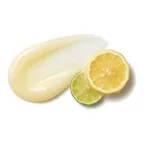 Citrus Extracts
 Sodium Hyaluronate
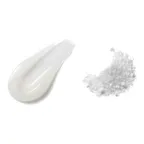 Adenosine
Average
- HighOily Skin Fit
- AverageEffectiveness
- HighSafety
Works for oily acne-prone skin; other sunscreens fit it better.
This fit is calculated for the concerns frequently associated with oily acne-prone skin: shine, breakouts, blemishes, and enlarged pores. For scores and recommendations based on your full skin profile, including your 12D face scan results and any goals or preferences you have, please use the Lovi app.
Updated How the Fit score works
Lovi Assistant explains
- Offers moderate moisturizing and sun protection for your oily skin due to glycerin and ethylhexyl salicylate, which hydrate and shield against UV rays. Capryloyl salicylic acid and ascorbyl glucoside also provide antioxidant activity and mild exfoliation, supporting your skin's overall health.
- While it offers general skincare benefits, it lacks specialized ingredients like salicylic acid to effectively target your acne, blemishes, and breakouts.
- The product is safe for your oily skin with no risks of irritation, as it avoids prohibited or harsh ingredients.
Buy online

Prices checked 20 Nov 2026
The Lovi Fit is the same in every country; only the stores and prices differ, and the ones here are for Europe.
How to apply
- Use your moisturizing sunscreen every morning. Reapply throughout the day if you are outside.
- Apply this moisturizing sunscreen as the final step of your morning routine after your moisturizer.
- Gently smooth a nickel-sized amount over your face and neck, avoiding harsh rubbing to keep oily areas calm.
- Apply this moisturizing sunscreen on clean, dry skin to ensure even coverage and protection.
- Avoid getting the product into your eyes and do a patch test before your first use.
People Say
★4.5Overall rating based on 1.1k+ reviewsBased on a very large amount of data, users with dull or tired-looking skin frequently report a noticeable boost in radiance and a more even skin tone after consistent use. The product is widely praised for its ability to provide a "healthy glow" without the heaviness of traditional sunscreens, though those with very dry skin often find they need an additional moisturizer underneath.
Highlights
Brightens and glows Mostly Mentioned
- “leaves a subtle glow to the skin”
- “skin looks less dull and tired”
- “gives a lovely radiant finish”
Lightweight texture Mostly Mentioned
- “absorbs and dries down quickly”
- “light-as-air formula”
- “no stickiness or greasiness”
Time-saving convenience Often Mentioned
- “perfect for days when you're in a rush”
- “saves time using different products”
- “great one-step morning routine”
Smooths texture Sometimes Noted
- “skin feels silky smooth”
- “leaves face soft and plump”
- “improves texture over time”
Insufficient moisture Sometimes Noted
- “felt a bit drying on my cheeks”
- “need a separate moisturizer underneath”
- “not hydrating enough for winter”
Low SPF Sometimes Noted
- “wish the SPF was higher”
- “need extra sunscreen for summer”
- “SPF 25 is too low for holiday”
Eye irritation Rarely Noted
- “made my eyes sting and water”
- “burns if it gets near eyes”
- “have to be careful around eye area”
Unexpected shimmer Rarely Noted
- “avoid if you don't want glitter”
- “has a slight shimmer I didn't expect”
- “looked a bit sparkly in sunlight”
Sources: lovi.care, boots.com, superdrug.com, lookfantastic.com, and more
Questions and answers
How well does Garnier Vitamin C 2in1 Brightening Serum Cream SPF 25 work for oily acne-prone skin?
This product works decently for your oily skin by providing moderate moisture and sun protection, but it lacks specialized ingredients to actively target breakouts. A product of this type needs lightweight ingredients that hydrate without clogging pores, along with specialized components like salicylic acid to effectively clear blemishes.
Which ingredients make this cream a good fit for oily acne-prone skin?
Glycerin and ethylhexyl salicylate make this cream a fit by offering moderate moisture and sun protection, while capryloyl salicylic acid and ascorbyl glucoside provide antioxidant activity and mild exfoliation. However, because it lacks targeted blemish fighters like salicylic acid, a product of this type needs specialized ingredients to effectively clear breakouts and prevent excess oiliness while keeping the skin hydrated and non-greasy.
Clinical, Cosmetic and Investigational Dermatology, 2017Journal of Cosmetic Dermatology, 2021
What does Vitamin C do for oily acne-prone skin?
Vitamin C helps clear up oily acne-prone skin by reducing pimples and calming redness. It is a great choice for this skin type because it has a very safe profile and balances skin tone while fighting breakouts.
International Journal of Cosmetic Science, 2009Journal of Cosmetic Dermatology, 2010
What does Citrus Extract do for oily acne-prone skin?
Citrus extract helps oily, acne-prone skin by fighting bacteria and calming redness. It is unlikely to cause irritation when properly formulated, though results vary by skin type.
Where does this cream go in a skincare routine for oily acne-prone skin?
This cream goes in the morning routine as a moisturizer and sun protection step. While it hydrates and shields your oily skin, this type of product needs ingredients like salicylic acid to target breakouts and clear blemishes.
Can I use this cream with retinol, and in what order?
You can use this cream in the morning after cleansing and before sunscreen, keeping retinol for your evening routine. This product is unlikely to irritate oily skin, but to properly manage breakouts, oily acne-prone skin needs specialized blemish-fighting ingredients like salicylic acid.
How often should I use this cream?
You can use this moisturizing spf daily in the morning as part of your routine. Daily application helps keep your skin hydrated and protected from the sun while remaining safe for your skin type. However, because this product lacks targeted acne-fighting ingredients, oily acne-prone skin needs specialized treatments with salicylic acid to help clear breakouts and manage blemishes.
Journal of Cosmetic Dermatology, 2020Health Science Reports, 2021
Can this cream clog pores, cause breakouts or purging for oily acne-prone skin?
This cream is unlikely to cause irritation or purge your skin, but it may not be enough to prevent breakouts. Oily acne-prone skin needs targeted ingredients like salicylic acid to properly clear blemishes and control oil.
What the research says
A single application of a moisturizing fluid containing hyaluronic acid 1%, glycerin 5%, and Centella asiatica stem cells extract significantly increased skin hydration by 29% and reduced transepidermal water loss at 24 hours compared to baseline and an untreated control site in twenty healthy women.
Clinical, Cosmetic and Investigational Dermatology, 2017Daily treatment with a facial serum containing multiple acids reduced post-inflammatory hyperchromia lesion grade and number by 29.4% at 56 days, and decreased skin oiliness by 30.7% at 7 days in Brazilian patients with acne vulgaris.
Journal of Cosmetic Dermatology, 2021Treatment with 5-octanoyl salicylic acid prevented the accumulation of carbonylated proteins, stimulated chaperone-mediated autophagy, and modulated antioxidant responses in human sensory neurons and skin explants exposed to oxidative stressors.
Free Radical Biology & Medicine, 2022A novel composition containing salicylic acid, capryloyl salicylic acid, HEPES, glycolic acid, citric acid, and dioic acid showed similar tolerance and efficacy compared with clindamycin 1% and benzoyl peroxide 5% gel in subjects with acne vulgaris.
Journal of Drugs in Dermatology, 2013Topical application of 5% vitamin C cream significantly improved global clinical scores, increased skin microrelief density, and induced elastic tissue repair in photoaged skin compared to excipient control in healthy female volunteers.
Experimental Dermatology, 2003Topical application of VC-IP cream twice daily for 8 weeks reduces periorbital wrinkles in female subjects compared to a placebo cream.
Journal of Cosmetic Dermatology, 2022Topical treatment with 5% vitamin C and 0.1% madecassoside significantly improved clinical scores for wrinkles, suppleness, firmness, roughness, and skin hydration, along with functional and structural remodeling of the elastic fiber network in 20 female volunteers with photoaged skin after 6 months compared to baseline.
Experimental Dermatology, 2008Topical application of 0.1% hyaluronic acid formulations of different molecular weights led to significant improvements in skin hydration and elasticity, with low-molecular-weight formulations also significantly reducing wrinkle depth in seventy-six female subjects compared to a vehicle control.
Journal of Drugs in Dermatology, 2011Topical hyaluronic acid serum used twice daily by 40 females with facial photoaging produced an immediate 134% increase in skin hydration, a sustained 55% increase at week 6, and significant improvements in smoothness, plumping, fine lines, wrinkles, and global appearance without causing irritation.
Dermatology and Therapy, 2021A topical antioxidant serum significantly reduced air pollution-induced skin pigmentation and proinflammatory gene expression ex vivo, and improved skin aging signs in 40 healthy adult females after 90 days of daily use.
Journal of Cosmetic Dermatology, 2022Topical application of a disodium adenosine monophosphate-based formulation reduced wrinkles and hyperpigmentation while improving hydration, barrier function, skin lifting, and epidermal turnover in female participants.
International Journal of Molecular Sciences, 2026Adenosine and cordycepin stimulate the Wnt/beta-catenin signaling pathway through adenosine receptor and PKA activation, promoting cell proliferation, migration, and growth factor secretion in cultured dermal fibroblasts.
International Journal of Molecular Sciences, 2021Topical application of the A2BAR agonist BAY60-6583 prevented TPA-induced inflammation, hyperproliferation, and acanthosis while normalizing epidermal barrier protein expression in a murine model of epidermal hyperplasia, effects that were reversed by the selective antagonist PSB-1115.
Biomedicine & Pharmacotherapy = Biomedecine & Pharmacotherapie, 2024
Why other sunscreens fit oily acne-prone skin better
Sodium ascorbyl phosphate provides effective antimicrobial action, prevents sebum oxidation, and demonstrates superior clinical efficacy compared to a standard acne treatment in patients with acne vulgaris.
International Journal of Cosmetic Science, 2005Co-delivery of paeonol and madecassoside via nanoemulsions improved transdermal delivery, promoted barrier repair proteins, inhibited inflammatory cytokine secretion in cellular and 3D models, and reduced transepidermal water loss and acne in human facial skin compared to free components.
Molecules, 2023Topical combination of 5% sodium ascorbyl phosphate and 0.2% retinol reduced inflammatory acne lesions by 29.28% at 4 weeks and 63.10% at 8 weeks, outperforming either agent alone.
International Journal of Cosmetic Science, 2009
Ingredients
Water, Glycerin, Ethylhexyl Salicylate, Dimethicone, Phenylbenzimidazole Sulfonic Acid, Bis-Ethylhexyloxyphenol Methoxyphenyl Triazine, Triethanolamine, Butyl Methoxydibenzoylmethane, Octyldodecanol, Isopropyl Isostearate, Cetyl Alcohol, Behenyl Alcohol, Citrus Limon Lemon Fruit Extract, Citrus Paradisi Grapefruit Fruit Extract, Tin Oxide, Stearic Acid, Titanium Dioxide, Cetearyl Alcohol, Cetearyl Glucoside, Peg-100 Stearate, Sodium Hyaluronate, Sodium Polyacrylate Starch, Sodium Stearoyl Glutamate, Silica, Myristic Acid, Palmitic Acid, Adenosine, Ascorbyl Glucoside, Hydroxyacetophenone, Capryloyl Salicylic Acid, Citric Acid, Trisodium Ethylenediamine Disuccinate, Poly C10-30 Alkyl Acrylate, Chlorphenesin, Mica, Ci 77891 Titanium Dioxide, Linalool, Geraniol, Limonene, Citronellol, Parfum
Behind this fit score
Lovi calculates every fit score from the full ingredient list with brand-independent rules our dermatologists and cosmetic chemists build and review, and personalizes every pick with AI trained on the real results of millions of users. Lovi trains its fit score models on a proprietary dataset built from more than 10,000 expert-labeled products and more than 100,000 simulated examples, following an internally consistent methodology presented at Cosmoprof, AMWC, and Skin of Color Update.
-

Co-founder, Medical Director
Cosmetic chemist, cosmetologist, aesthetic products developer
-

Co-founder, CEO and CTO
PhD in computer science, 3x US patent holder, ex-Google, ex-Yandex
-

Dr. Sofía Perea Pérez, MD, MSc
Medical Board
Aesthetic medicine practitioner, MSc in Longevity and Anti-Aging Medicine
-

Medical Board
Specialist dermatologist, MBBS, MD, IFAAD
-

Medical Board
Cosmetic chemist, SCS, IFSCC member
-

Medical Board, Medical Advisor
Dermatology MD
-

Elina Nazarenko, MD
Medical Board
Dermatology and diagnostic consultant
-

Victoria Derkova, MS
Medical Board
Cosmetic chemist, cosmetic development technologist


How does it fit your skin?
Scan your face, then any product: Lovi shows how well it fits you and what fits even better.