
Fresh Tea Elixir Skin Resilience Activating Serum for oily acne-prone skin

 Niacinamide
 Sodium Hyaluronate
 Ceramide Np
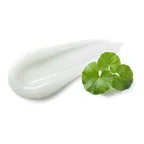 Extract
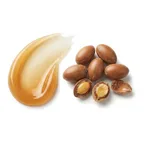 Argania Spinosa Kernel Oil
Average
- AverageOily Skin Fit
- AverageEffectiveness
- HighSafety
Works for oily acne-prone skin; other serums fit it better.
This fit is calculated for the concerns frequently associated with oily acne-prone skin: shine, breakouts, blemishes, and enlarged pores. For scores and recommendations based on your full skin profile, including your 12D face scan results and any goals or preferences you have, please use the Lovi app.
Updated How the Fit score works
Lovi Assistant explains
- Offers moderate skin resilience for your oily skin due to niacinamide and camellia sinensis leaf extract enhancing barrier function, though it does not directly address your primary concerns of acne, blemishes, and breakouts.
- Glycerin and sodium hyaluronate provide general hydration beneficial for oily skin, but lack specific actives to combat oiliness or congestion.
- The product is safe for your oily skin, with no risks of irritation from harsh or prohibited ingredients.
How to apply
- Could be used as part of your PM routine. Start 3 times a week and build up to daily use if your skin tolerates it well.
- Apply your serum after cleansing and toning, but before putting on your moisturizer.
- Gently press 2 to 3 drops of the serum into your skin and let it absorb for a minute.
- Apply the serum on clean, dry skin to help manage your blemishes safely.
- Do a patch test before your first use and avoid the delicate eye area.
People Say
★4.6Overall rating based on 1.2k+ reviewsBased on a very large amount of data, users frequently report that this serum effectively hydrates, smooths skin texture, and enhances radiance, making it a versatile choice for various skin types including sensitive, oily, and mature skin. While many praise its ability to strengthen the skin barrier and reduce the appearance of pores, some users feel it lacks a "wow factor" or sufficient potency for more advanced anti-aging needs.
Highlights
Fast absorption Mostly Mentioned
- “Sinks in quickly”
- “no sticky residue”
- “layers beautifully”
Improves radiance Often Mentioned
- “Noticeably brighter”
- “healthy glow”
- “radiant complexion”
Smooths texture Often Mentioned
- “Smoother skin”
- “refined pores”
- “improved bounce”
High price Often Mentioned
- “Quite pricy”
- “worth the splurge”
- “expensive for size”
Gentle formula Sometimes Noted
- “Calms my skin”
- “no irritation”
- “soothing experience”
Pleasant scent Sometimes Noted
- “Delicate cucumber scent”
- “luxurious tea smell”
- “subtle”
Subtle results Sometimes Noted
- “No wow factor”
- “hard to see results”
- “discreet effects”
Insufficient anti-aging Rarely Noted
- “Not powerful enough”
- “needs more for mature skin”
Sources: lovi.care, fresh.com, sephora.com, spacenk.com, walmart.com, alifewithfrills.co.uk, and more
Questions and answers
How well does Fresh Tea Elixir work for oily acne-prone skin?
Fresh Tea Elixir works okay for oily skin by helping with hydration and barrier strength, but it lacks specific ingredients to target breakouts and blemishes. A treatment for this skin needs effective acne-fighting and oil-controlling ingredients like niacinamide, propolis, or vitamin C, along with soothing extracts and lightweight hydrators.
Dermatologic Therapy, 2013Clinical, Cosmetic and Investigational Dermatology, 2017
Which ingredients make this serum a good fit for oily acne-prone skin?
Niacinamide and camellia sinensis leaf extract make this serum a fit by strengthening your barrier function, while glycerin and sodium hyaluronate provide general hydration. Oily acne-prone skin needs products with effective ingredients that actively control excess oil and clear breakouts.
Clinical, Cosmetic and Investigational Dermatology, 2019Dermatologic Therapy, 2013
What does Niacinamide do for oily acne-prone skin?
Niacinamide helps control oily and acne-prone skin by reining in excess sebum production and visibly reducing breakouts and redness. It is well tolerated and may calm the skin while improving overall clarity.
Journal of Cosmetic and Laser Therapy, 2006International Journal of Dermatology, 2013
What does Hyaluronic Acid do for oily acne-prone skin?
Hyaluronic acid helps oily acne-prone skin by reducing extra oil and calming redness without clogging pores. It is unlikely to irritate your skin and may safely lessen breakouts.
The Journal of Investigative Dermatology, 2017Journal of Controlled Release, 2025
Where does this serum go in a skincare routine for oily acne-prone skin?
This serum goes in the evening routine after cleansing and toning, and before moisturizing. It is safe for oily skin, but to better fit acne-prone skin, a product of this type needs targeted ingredients that actively clear pores and combat blemishes.
Can I use this serum with retinol, and in what order?
You can use this serum with retinol by applying the serum first to give your skin hydration, and then following with your retinol. This product is safe and unlikely to cause irritation on your skin.
How often should I use this serum?
You can use this serum in your evening routine, as well as in the morning or twice a day if your skin tolerates it well. It offers moderate hydration and barrier support for oily skin, but oily acne-prone skin needs ingredients that directly target breakouts, oiliness, and congestion.
Can this serum clog pores, cause breakouts or purging for oily acne-prone skin?
This serum is unlikely to cause breakouts or clog pores on oily skin because it has a safe formula without harsh ingredients, though it lacks specific blemish-fighting actives. Oily acne-prone skin needs products with targeted acne-clearing ingredients and oil-balancing actives to truly manage congestion.
What the research says
Topical application of a 6% green tea extract formulation increased skin moisture, enhanced skin elasticity, and improved skin microrelief by reducing roughness in 24 volunteers compared to vehicle and control over 30 days.
Dermatologic Therapy, 2013A single application of a moisturizing fluid containing hyaluronic acid 1%, glycerin 5%, and Centella asiatica stem cells extract significantly increased skin hydration by 29% and reduced transepidermal water loss at 24 hours compared to baseline and an untreated control site in twenty healthy women.
Clinical, Cosmetic and Investigational Dermatology, 2017An anti-acne hydrogel containing Aloe barbadensis, Garcinia mangostana, and Camellia sinensis extracts showed superior antiacne and antiblotch activities compared to 1% clindamycin gel in sixty subjects with mild-moderate acne.
Clinical, Cosmetic and Investigational Dermatology, 2019Hydrogel-conditioned nanostructured lipid carriers incorporating carrot extract, marigold extract, and azelaic acid improved antioxidant, anti-inflammatory, and anti-acne responses in treated subjects, achieving enhanced skin hydration up to 74% and elasticity up to 90% without adverse effects.
Materials Science & Engineering. C, Materials for Biological Applications, 2020Topical nicotinamide prevented solar-simulated UV-induced immunosuppression in healthy volunteers, and men experienced immunosuppression at solar-simulated UV doses three times lower than those required for women.
The Journal of Investigative Dermatology, 2008Topical 5% niacinamide applied twice daily for 12 weeks reduced fine lines and wrinkles, hyperpigmented spots, red blotchiness, and skin sallowness, and improved skin elasticity compared to vehicle control in 50 female white subjects with facial photoaging.
Dermatologic Surgery, 2005Topical 2% niacinamide significantly decreased sebum excretion rate in Japanese individuals and casual sebum levels in Caucasian individuals compared to placebo or baseline.
Journal of Cosmetic and Laser Therapy, 2006Topical application of 0.1% hyaluronic acid formulations of different molecular weights led to significant improvements in skin hydration and elasticity, with low-molecular-weight formulations also significantly reducing wrinkle depth in seventy-six female subjects compared to a vehicle control.
Journal of Drugs in Dermatology, 2011Topical hyaluronic acid serum used twice daily by 40 females with facial photoaging produced an immediate 134% increase in skin hydration, a sustained 55% increase at week 6, and significant improvements in smoothness, plumping, fine lines, wrinkles, and global appearance without causing irritation.
Dermatology and Therapy, 2021A topical antioxidant serum significantly reduced air pollution-induced skin pigmentation and proinflammatory gene expression ex vivo, and improved skin aging signs in 40 healthy adult females after 90 days of daily use.
Journal of Cosmetic Dermatology, 2022Ceramide and niacinamide-containing moisturizer combined with anti-acne treatment significantly improved non-inflammatory, inflammatory, and total acne lesions compared to hydrophilic cream in 40 patients with mild to moderate acne vulgaris after 8 weeks.
Journal of Cosmetic Dermatology, 2024Topical application of a pseudo-ceramide-containing spray improved stratum corneum water content, transepidermal water loss, cell area, and scaling score, and normalized the ceramide profile in patients with dry and sensitive skin compared to a control spray.
Journal of Cosmetic Dermatology, 2025Topical application of an argan oil NLC-based hydrogel formulation increased skin hydration in healthy volunteers over a one-month period through a synergistic effect of NLC occlusion and argan oil hydration.
International Journal of Nanomedicine, 2014Incorporating allantoin into argan oil enriched liposomes improved its accumulation in the dermis (~8.7μg/cm(2)) and permeation through the skin (~33μg/cm(2)) compared to conventional liposomes, water dispersion, and a commercial gel.
International Journal of Pharmaceutics, 2016
Why other serums fit oily acne-prone skin better
Co-delivery of paeonol and madecassoside via nanoemulsions improved transdermal delivery, promoted barrier repair proteins, inhibited inflammatory cytokine secretion in cellular and 3D models, and reduced transepidermal water loss and acne in human facial skin compared to free components.
Molecules, 2023
Ingredients
Water, Glycerin, Jojoba Seed Oil, Helianthus Annuus Seed Oil Sunflower Seed Oil, Isostearyl Alcohol, Propanediol, 1,2-Hexanediol, Niacinamide, Pentylene Glycol, Butylene Glycol Cocoate, Cellulose, Macrocystis Pyrifera Extract Kelp Extract, Camellia Sinensis Leaf Extract, Argania Spinosa Kernel Oil, Sodium Hyaluronate, Ceramide Np, Tocopheryl Acetate, Tocopherol, Maltodextrin, Acrylates C10-30 Alkyl Acrylate Crosspolymer, Parfum, Ethylcellulose, Xanthan Gum, Sodium Hydroxide, Adenosine, Biosaccharide Gum-1, Phytosphingosine, Hydrogenated Lecithin, Chlorphenesin, Potassium Sorbate, Sodium Benzoate, Limonene, Linalool, Citronellol, Geraniol
Behind this fit score
Lovi calculates every fit score from the full ingredient list with brand-independent rules our dermatologists and cosmetic chemists build and review, and personalizes every pick with AI trained on the real results of millions of users. Lovi trains its fit score models on a proprietary dataset built from more than 10,000 expert-labeled products and more than 100,000 simulated examples, following an internally consistent methodology presented at Cosmoprof, AMWC, and Skin of Color Update.
-

Co-founder, Medical Director
Cosmetic chemist, cosmetologist, aesthetic products developer
-

Co-founder, CEO and CTO
PhD in computer science, 3x US patent holder, ex-Google, ex-Yandex
-

Dr. Sofía Perea Pérez, MD, MSc
Medical Board
Aesthetic medicine practitioner, MSc in Longevity and Anti-Aging Medicine
-

Medical Board
Specialist dermatologist, MBBS, MD, IFAAD
-

Medical Board
Cosmetic chemist, SCS, IFSCC member
-

Medical Board, Medical Advisor
Dermatology MD
-

Elina Nazarenko, MD
Medical Board
Dermatology and diagnostic consultant
-

Victoria Derkova, MS
Medical Board
Cosmetic chemist, cosmetic development technologist


How does it fit your skin?
Scan your face, then any product: Lovi shows how well it fits you and what fits even better.