
FRANKLY Retinol 0.1 Cream for oily skin

 Retinol
 Niacinamide
 Centella Asiatica Extract
 Sodium Hyaluronate
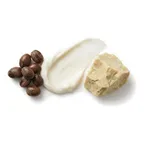 Shea Butter
Average
- HighOily Skin Fit
- AverageEffectiveness
- HighSafety
Works for oily skin; other serums fit it better.
This fit is calculated for the concerns frequently associated with oily skin: shine, enlarged pores, blackheads, and blemishes. For scores and recommendations based on your full skin profile, including your 12D face scan results and any goals or preferences you have, please use the Lovi app.
Updated How the Fit score works
Lovi Assistant explains
- Offers moderate wrinkle reduction for your oily skin due to the presence of retinol, while niacinamide helps regulate sebum production. Glycerin and shea butter provide general hydration, supporting your oily skin without specifically targeting excess shine.
- The formula is safe for your oily skin, with Centella Asiatica Extract and Beta-Glucan offering soothing benefits and no harsh ingredients.
- This product is generally safe for your skin, as it lacks prohibited or harsh ingredients and includes soothing components.
How to apply
- Use this serum in your PM routine. Start by applying it 3 times a week and build up to daily use if your skin tolerates it well.
- Apply the serum after cleansing and toning, but right before your moisturizer for the best results.
- Gently press 2-3 drops of the serum into your skin. Let it absorb ⏱ for a minute before applying the next product.
- Apply the serum on clean and dry skin since your skin is not sensitive and you want to target oily shine. This helps control excess oil throughout the night.
- Avoid the delicate eye area and do a patch test before using the serum for the very first time.
People Say
★4.3Overall rating based on 1.0k+ reviewsBased on a very large amount of data, this retinol cream is highly praised by users with dry and combination skin as a gentle, beginner-friendly treatment for fine lines, dullness, and uneven texture. The addition of ceramides and ginseng helps mitigate typical retinol dryness, resulting in a plumper, firmer, and more radiant complexion with minimal irritation.
Highlights
Gentle for beginners Mostly Mentioned
- “Great product if you starting with retinol”
- “very gentle but effective”
- “I didnt have irritation as well”
- “if new to retinol, highly recommend it”
Deeply hydrating Often Mentioned
- “doesnt dry up my skin”
- “leaves the skin looking plump and well-hydrated”
- “cushioned feeling to their complexion the next morning”
- “locking in hydration without feeling suffocating”
Improves skin texture Sometimes Noted
- “noticeable overnight smoothing”
- “plumper, brighter skin with minimized fine lines”
- “helps reduce pillow marks”
- “visibly reduce fine lines”
Too mild Sometimes Noted
- “I wish it was maybe three time stronger”
- “lowest percentage I've come across”
- “takes time to see significant transformation”
- “relatively low concentration of retinol”
Initial mild irritation Rarely Noted
- “Some redness or flaking can happen at first”
- “mild tingling or adjustment periods”
- “can cause dryness or irritation during the adjustment period”
- “temporary signs that the product is working”
Sun sensitivity Rarely Noted
- “skin will be especially sensitive to sunlight”
- “Proper sun protection is mandatory”
- “can increase sun sensitivity”
- “always use SPF the next morning”
Sources: lovi.care, amazon.com, iherb.com, befrankly.com, luxplus.co.uk, stylekorean.com, and more
Questions and answers
How well does FRANKLY Retinol 0.1 Cream work for oily skin?
FRANKLY Retinol 0.1 Cream works moderately well for oily skin by smoothing lines with retinol and calming the skin with Centella Asiatica Extract, though other products control shine better. Oily skin needs targeted ingredients like niacinamide and zinc PCA to manage excess oil and enlarged pores, along with soothing and hydrating components that balance the skin without causing breakouts.
Which ingredients make this cream a good fit for oily skin?
Retinol and niacinamide make this cream a good fit by providing moderate wrinkle reduction and helping to manage excess oil on your oily skin. To work even better for oily skin, a product of this type needs ingredients like zinc pca, ferulic acid, or tea tree extract for stronger oil control and pore management.
What does Retinol do for oily skin?
Retinol helps oily skin by keeping pores clear and reducing unwanted shine. It also smooths out the skin surface and helps calm breakouts over time.
The Journal of Dermatological Treatment, 2023Drug Research, 2025
What does Niacinamide do for oily skin?
Niacinamide helps control oily skin by reducing the amount of oil your skin produces day to day. It also keeps your face feeling balanced and is well tolerated without causing irritation.
Journal of Cosmetic and Laser Therapy, 2006BioMed Research International, 2022
Where does this cream go in a skincare routine for oily skin?
This treatment goes in the evening routine after cleansing and before moisturizing, to keep things simple and safe around sun exposure. Oily skin of this type needs lightweight hydrators and oil-controlling ingredients like niacinamide and retinol to manage shine and pores effectively.
Can I use this cream with vitamin C, and in what order?
Use vitamin C and this retinol treatment apart: in different sessions of the same day or on different days. This spacing helps prevent irritation while still giving you the smoothing and brightening benefits of both ingredients.
How often should I use this cream?
You can use this cream in your evening routine, starting slowly to see how your skin reacts. Oily skin often needs a lightweight formula with oil-controlling ingredients like salicylic acid or zinc to effectively manage excess shine.
Facial Plastic Surgery, 2014Journal of Cosmetic Dermatology, 2016
Can this cream clog pores, cause breakouts or purging for oily skin?
This cream is unlikely to clog pores or cause breakouts for oily skin, though starting slowly may help you avoid initial mild irritation. A product of this type needs lighter hydrators and oil-controlling ingredients like niacinamide to keep oily skin feeling fresh and balanced.
Is this cream fragrance-free and alcohol-free?
Yes, it has no fragrance and no drying alcohol. Cetyl alcohol, behenyl alcohol, stearyl alcohol, and cetearyl alcohol are fatty alcohols, which soften the skin.
What the research says
Topical application of retinol and retinoic acid both increased epidermal thickness and upregulated collagen genes and proteins in human skin, with retinol producing similar histological and molecular changes to retinoic acid alongside a significant reduction in facial wrinkles after 12 weeks.
Journal of Cosmetic Dermatology, 2016Topical bakuchiol 0.5% applied twice daily compared with retinol 0.5% applied daily significantly decreased wrinkle surface area and hyperpigmentation with no statistical difference between the compounds in 44 patients over 12 weeks, while retinol users reported more facial skin scaling and stinging.
The British Journal of Dermatology, 2019Cosmetic formulations containing 5% Centella asiatica extract showed the best efficacy in improving skin moisture and decreasing transepidermal water loss, while also exhibiting antiinflammatory properties in 25 volunteers compared to baseline measurements.
Indian Journal of Pharmaceutical Sciences, 2016Colloidal oatmeal acts as a cleanser, moisturizer, buffer, and soothing anti-inflammatory agent due to its starches, beta-glucan, phenols, and saponins, relieving itch and irritation in xerotic dermatoses.
Journal of Drugs in Dermatology, 2007Topical 0.3% and 1% retinol comparably improved biomarkers of cutaneous photoageing in photoaged volunteers, while 0.3% retinol demonstrated better tolerance with fewer and milder adverse events compared to 1% retinol in a daily escalation regimen.
International Journal of Cosmetic Science, 2022Daily application of 0.3% and 0.5% retinol serums in 37 volunteers over 12 weeks reduced skin hyperpigmentation, unevenness, and wrinkles on both sides of the face, with the 0.5% concentration causing more frequent and intense skin irritation.
Skin Pharmacology and Physiology, 2020Topical application of 0.1% retinol induced CRABP2 and HBEGF gene expression, increased keratinocyte proliferation and epidermal thickness ex vivo, and improved major skin aging signs without significant adverse reactions in 48 volunteers compared to placebo.
Skin Pharmacology and Physiology, 2009Topical nicotinamide prevented solar-simulated UV-induced immunosuppression in healthy volunteers, and men experienced immunosuppression at solar-simulated UV doses three times lower than those required for women.
The Journal of Investigative Dermatology, 2008Topical 5% niacinamide applied twice daily for 12 weeks reduced fine lines and wrinkles, hyperpigmented spots, red blotchiness, and skin sallowness, and improved skin elasticity compared to vehicle control in 50 female white subjects with facial photoaging.
Dermatologic Surgery, 2005Topical 2% niacinamide significantly decreased sebum excretion rate in Japanese individuals and casual sebum levels in Caucasian individuals compared to placebo or baseline.
Journal of Cosmetic and Laser Therapy, 2006A single application of a moisturizing fluid containing hyaluronic acid 1%, glycerin 5%, and Centella asiatica stem cells extract significantly increased skin hydration by 29% and reduced transepidermal water loss at 24 hours compared to baseline and an untreated control site in twenty healthy women.
Clinical, Cosmetic and Investigational Dermatology, 2017Topical treatment with 5% vitamin C and 0.1% madecassoside significantly improved clinical scores for wrinkles, suppleness, firmness, roughness, and skin hydration, along with functional and structural remodeling of the elastic fiber network in 20 female volunteers with photoaged skin after 6 months compared to baseline.
Experimental Dermatology, 2008Treatment with an asiaticoside-containing cream applied twice daily for 12 weeks significantly improved periorbital wrinkles in 65% of 27 female volunteers compared to a vehicle control cream.
International Journal of Cosmetic Science, 2008Topical application of 0.1% hyaluronic acid formulations of different molecular weights led to significant improvements in skin hydration and elasticity, with low-molecular-weight formulations also significantly reducing wrinkle depth in seventy-six female subjects compared to a vehicle control.
Journal of Drugs in Dermatology, 2011Topical hyaluronic acid serum used twice daily by 40 females with facial photoaging produced an immediate 134% increase in skin hydration, a sustained 55% increase at week 6, and significant improvements in smoothness, plumping, fine lines, wrinkles, and global appearance without causing irritation.
Dermatology and Therapy, 2021A topical antioxidant serum significantly reduced air pollution-induced skin pigmentation and proinflammatory gene expression ex vivo, and improved skin aging signs in 40 healthy adult females after 90 days of daily use.
Journal of Cosmetic Dermatology, 2022A skin barrier restoring cream with shea butter, silkflo, and vitamin E increased type I procollagen synthesis, enhanced antioxidant enzyme activity, decreased reactive oxygen species generation, and promoted hyaluronic acid production in H2O2-stimulated human keratinocyte cells compared to untreated cells.
International Journal of Cosmetic Science, 2025
Ingredients
Water, Glycerin, Cyclohexasiloxane, Hydrogenated Polydecene, Niacinamide, Butyrospermum Parkii Butter Shea Butter, Macadamia Ternifolia Seed Oil, Propanediol, Cetyl Alcohol, Laminaria Japonica Extract, Eclipta Prostrata Leaf Extract, Centella Asiatica Extract, Ficus Carica Fruit Extract, Piper Methysticum Stem Extract Root Leaf, Panax Ginseng Extract Berry, Hydrogenated Lecithin, Palm Oil, Polyglyceryl-2 Stearate, Polyacrylate-13, Glyceryl Stearate, Behenyl Alcohol, Polyglyceryl-10 Laurate, Dimethicone Vinyl Dimethicone Crosspolymer, Cetearyl Olivate, Sorbitan Olivate, Stearyl Alcohol, Polyglyceryl-10 Myristate, Bht, Sodium Stearoyl Glutamate, Cetearyl Alcohol, Retinol, Ceramide Np, Hydrogenated Polyisobutene, Glyceryl Stearate Se, Methylpropanediol, Ethylhexyl Palmitate, Cholesterol, Xanthan Gum, Adenosine, Fructooligosaccharides, Sorbitan Isostearate, Disodium Edta, Beta-Glucan, Polyquaternium-51, Bha, Hydrolyzed Hyaluronic Acid, 2-Hexanediol, Polysorbate 20, Phytosteryl Isostearyl Cetyl Stearyl Behenyl Dimer Dilin
Behind this fit score
Lovi calculates every fit score from the full ingredient list with brand-independent rules our dermatologists and cosmetic chemists build and review, and personalizes every pick with AI trained on the real results of millions of users. Lovi trains its fit score models on a proprietary dataset built from more than 10,000 expert-labeled products and more than 100,000 simulated examples, following an internally consistent methodology presented at Cosmoprof, AMWC, and Skin of Color Update.
-

Co-founder, Medical Director
Cosmetic chemist, cosmetologist, aesthetic products developer
-

Co-founder, CEO and CTO
PhD in computer science, 3x US patent holder, ex-Google, ex-Yandex
-

Dr. Sofía Perea Pérez, MD, MSc
Medical Board
Aesthetic medicine practitioner, MSc in Longevity and Anti-Aging Medicine
-

Medical Board
Specialist dermatologist, MBBS, MD, IFAAD
-

Medical Board
Cosmetic chemist, SCS, IFSCC member
-

Medical Board, Medical Advisor
Dermatology MD
-

Elina Nazarenko, MD
Medical Board
Dermatology and diagnostic consultant
-

Victoria Derkova, MS
Medical Board
Cosmetic chemist, cosmetic development technologist


How does it fit your skin?
Scan your face, then any product: Lovi shows how well it fits you and what fits even better.