
Formula 10.0.6 Deep Down Detox Ultra Cleansing Mud Mask for oily acne-prone skin

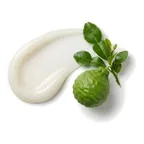 Bergamot
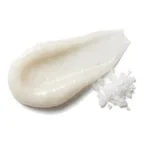 Sea Salt
 Aloe Barbadensis
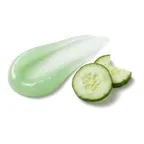 Cucumis Sativus Extract
Average
- HighOily Skin Fit
- AverageEffectiveness
- HighSafety
Works for oily acne-prone skin; other cleansing masks fit it better.
This fit is calculated for the concerns frequently associated with oily acne-prone skin: shine, breakouts, blemishes, and enlarged pores. For scores and recommendations based on your full skin profile, including your 12D face scan results and any goals or preferences you have, please use the Lovi app.
Updated How the Fit score works
Lovi Assistant explains
- Suitable for your oily skin, this mask utilizes kaolin and bentonite clays to absorb excess oil and impurities, offering moderate cleansing benefits. While beneficial for general oil control, these ingredients are not specifically targeted to address your primary concerns of acne, blemishes, and breakouts.
- The formula is free from harsh or prohibited ingredients, making it safe for your oily skin and unlikely to cause irritation.
- It provides general skincare benefits for oily and acne-prone skin, but lacks specialized ingredients to directly combat acne, blemishes, and breakouts.
How to apply
- Use your cleansing mask PM as part of your weekly routine. Start 1×/week and increase carefully if your oily skin tolerates it well.
- Apply this step after your enzyme powder and before your hydrating toner. Follow the standard weekly order to keep your skin balanced.
- Spread an even layer of the cleansing mask across your face while avoiding the eye area. Let it sit for the recommended time without rubbing .
- Apply the mask on clean and dry skin for the best purifying effect on your breakouts. Clean skin allows the formula to target blemishes directly.
- Always do a patch test before your first use to check for sensitivity. Avoid combining this mask with strong acids or retinoids in the same routine .
Questions and answers
How well does Formula 10.0.6 Deep Down Detox Ultra Cleansing Mud Mask work for oily acne-prone skin?
This mask works for your oily skin by using clays to soak up extra oil, but it does not target your breakouts. A product of this type needs acne-fighting ingredients like salicylic acid or niacinamide to truly clear oily acne-prone skin.
Which ingredients make this mask a good fit for oily acne-prone skin?
This mask uses kaolin and bentonite clays to soak up extra oil and impurities, making it a decent fit for oily skin. However, oily acne-prone skin needs ingredients like salicylic acid and niacinamide to clear breakouts and keep pores clear.
What does Bergamot do for oily acne-prone skin?
Bergamot oil may cause severe sunburns and dark spots when your skin is exposed to sunlight, as it contains photoactive compounds that react badly with UV rays. This ingredient does not help with acne or oily skin, and products for this skin type need gentle, oil-clearing ingredients like salicylic acid or niacinamide instead.
Toxicology in Vitro, 2007Journal of the American Academy of Dermatology, 2001
What does Sea Salt do for oily acne-prone skin?
Sea salt may help by improving the skin barrier and reducing roughness, but it can sometimes disrupt fragile skin if not used carefully. For oily acne-prone skin, this type of product needs ingredients that soothe inflammation and help balance moisture without clogging pores.
Where does this mask go in a skincare routine for oily acne-prone skin?
This mask fits into a weekly routine for oily skin after removing makeup and cleansing, and before applying a hydrating toner, treatment, and moisturizer. To better manage acne and breakouts, skin of this type needs specialized ingredients that directly combat blemishes.
Can I use this mask with retinol, and in what order?
You can use this mask in your weekly routine before applying your retinol treatment, as it is unlikely to irritate your skin. A mask of this type needs clay and oil-absorbing ingredients to manage shine alongside specialized blemish-fighting ingredients to properly care for acne-prone skin.
How often should I use this mask?
This cleansing mask fits into your weekly routine as a once-weekly step, since it absorbs excess oil and impurities safely without causing irritation. Oily and acne-prone skin needs a mask of this type to include targeted acne-fighting ingredients like salicylic acid or benzoyl peroxide to directly combat blemishes and breakouts.
Can this mask clog pores, cause breakouts or purging for oily acne-prone skin?
This mask is unlikely to cause irritation on oily skin, but it lacks specialized ingredients to directly combat acne and breakouts. A product for oily acne-prone skin needs targeted ingredients to clear blemishes in addition to clay for oil control.
What the research says
Combining bergamot essential oil-loaded nano-phytosomes with spironolactone significantly improved therapeutic response against acne vulgaris compared to bergamot essential oil-loaded nano-phytosomes alone in patients.
Pharmaceuticals, 2023Topical cutaneous administration of bergamot essential oil and ammonium glycyrrhizinate co-loaded ultradeformable vesicles showed superior anti-inflammatory activity compared to vesicles containing ammonium glycyrrhizinate alone in human volunteers.
Biomedicines, 2022Bergapten added to a UV-B sunscreen lotion significantly increases sunlight-induced skin pigmentation compared to sunscreen alone in human subjects.
Archives of Dermatology, 1989A two-week treatment with Massaciuccoli peat and sodium chloride water reduced waist circumference, total body water, and subcutaneous fat thickness while improving skin elasticity in overweight females with gynoid lipodystrophy.
Annali Di Igiene, 2012Urea and sodium chloride in aqueous solution exhibit additive depression of water vapor pressure without strong interaction, indicating compatibility and effectiveness in moisturizing mixtures.
Skin Pharmacology and Applied Skin Physiology, 1999A cream combining propolis, tea tree oil, and Aloe vera reduced erythema scars, acne severity index, and total lesion count better than erythromycin cream in sixty patients with mild to moderate acne vulgaris compared to placebo.
Clinical Pharmacology, 2018Formulations containing 0.10%, 0.25%, and 0.50% freeze-dried Aloe vera extract increased stratum corneum water content compared with the vehicle in 20 female subjects, while transepidermal water loss was not modified.
Skin Research and Technology, 2006Kombucha-mediated fermentation of aloe vera gel for 10 and 20 days enhanced its phenolic and flavonoid content, antioxidant capacity, cytoprotective effects, enzyme inhibition against collagenase, elastase, and hyaluronidase, and moisturizing properties compared to unfermented gel.
Molecules, 2025Transgenic cucumber expressing poly-γ-glutamic acid synthesis genes increased water content by 6-14%, reduced water loss by 11-12%, decreased facial wrinkles and roughness by 19.58% and 24.97%, decreased skin melanin by 5.27%, and improved facial elasticity in human skin and zebrafish compared to controls.
International Journal of Biological Macromolecules, 2024A low molecular weight sea cucumber extract protects skin cells from oxidative DNA damage and mitochondrial degradation, promotes cell migration, and regulates pathways associated with ribosomal function, glycolysis, and protein processing under oxidative stress conditions.
Biomedicine & Pharmacotherapy = Biomedecine & Pharmacotherapie, 2024Copper Oxide nanoparticles synthesized using cucumber extract exhibited antibacterial, antifungal, UV protection, and reactive-oxygen species inhibition properties with low cellular toxicity and skin-rejuvenating effects when incorporated into skin cream.
Endocrine, Metabolic & Immune Disorders Drug Targets, 2021
Ingredients
Water, Kaolin, Bentonite, Stearic Acid, Cetyl Alcohol, Glyceryl Stearate, Caprylic Capric Triglyceride, Peg-20 Stearate, Cetearyl Alcohol, Ceteareth-20, Aloe Barbadensis Leaf Juice, Tocopherol, Cucumis Sativus Fruit Extract, Xanthan Gum, Bergamot Oil Fruit, Citrus Aurantium Dulcis Oil, Phenoxyethanol, Methylparaben, Propylparaben, Sodium Chloride, Titanium Dioxide Ci 77891, Iron Oxides Ci 77491, Limonene
Behind this fit score
Lovi calculates every fit score from the full ingredient list with brand-independent rules our dermatologists and cosmetic chemists build and review, and personalizes every pick with AI trained on the real results of millions of users. Lovi trains its fit score models on a proprietary dataset built from more than 10,000 expert-labeled products and more than 100,000 simulated examples, following an internally consistent methodology presented at Cosmoprof, AMWC, and Skin of Color Update.
-

Co-founder, Medical Director
Cosmetic chemist, cosmetologist, aesthetic products developer
-

Co-founder, CEO and CTO
PhD in computer science, 3x US patent holder, ex-Google, ex-Yandex
-

Dr. Sofía Perea Pérez, MD, MSc
Medical Board
Aesthetic medicine practitioner, MSc in Longevity and Anti-Aging Medicine
-

Medical Board
Specialist dermatologist, MBBS, MD, IFAAD
-

Medical Board
Cosmetic chemist, SCS, IFSCC member
-

Medical Board, Medical Advisor
Dermatology MD
-

Elina Nazarenko, MD
Medical Board
Dermatology and diagnostic consultant
-

Victoria Derkova, MS
Medical Board
Cosmetic chemist, cosmetic development technologist


How does it fit your skin?
Scan your face, then any product: Lovi shows how well it fits you and what fits even better.