
First Aid Beauty Hydrating Eye Cream for oily acne-prone skin

 Sodium Hyaluronate
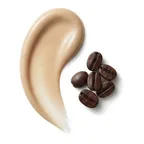 Caffeine
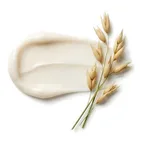 Oat
 Squalane
 Aloe Barbadensis Leaf Juice
Average
- AverageOily Skin Fit
- AverageEffectiveness
- ExcellentSafety
Works for oily acne-prone skin; other eye cares fit it better.
This fit is calculated for the concerns frequently associated with oily acne-prone skin: shine, breakouts, blemishes, and enlarged pores. For scores and recommendations based on your full skin profile, including your 12D face scan results and any goals or preferences you have, please use the Lovi app.
Updated How the Fit score works
Lovi Assistant explains
- Offers moderate hydration for your oily skin, with sodium hyaluronate and panthenol providing plumping effects, but it lacks sufficient ingredients for optimal oil control, making it less ideal for your primary concerns of acne and breakouts.
- Squalane and glycerin offer some emollient and humectant benefits suitable for oily skin, but the overall formulation does not directly address your main goals.
- The product is safe for your oily skin, as it contains soothing ingredients like aloe barbadensis leaf juice and camellia sinensis leaf extract, with no harsh or prohibited substances.
People Say
★4.4Overall rating based on 1.6k+ reviewsBased on a very large amount of data, this eye cream is highly regarded by users with dry and sensitive skin for its lightweight, fast-absorbing texture that provides immediate hydration without feeling greasy. Many users report that it effectively soothes irritation and layers well under makeup. A small subset of reviewers experienced burning or watering eyes despite the product's gentle claims.
Highlights
Lightweight & fast Mostly Mentioned
- “absorbs instantly”
- “lightweight formula”
- “doesn't leave greasiness”
- “thin consistency”
Deeply hydrating Often Mentioned
- “cleared up dry patch”
- “keeps undereyes hydrated”
- “moisturizing all day”
- “great for winter dryness”
Soothing for sensitive Sometimes Noted
- “non-irritating”
- “soothing ingredients”
- “gentle on skin”
Works under makeup Sometimes Noted
- “sits well under makeup”
- “doesn't pill”
- “smoother look under concealer”
- “perfect prep”
Reduces puffiness Rarely Noted
- “helps de-puff”
- “eyes look less puffy”
- “cooling sensation”
- “awake look”
Eye irritation Rarely Noted
- “made me tear all day”
- “burned my skin”
- “caused redness”
- “irritated my eyes”
No anti-aging Rarely Noted
- “no difference in lines”
- “didn't help dark circles”
- “just a moisturizer”
- “no visible changes”
Not for very dry Rarely Noted
- “not enough moisture”
- “need something thicker”
- “dried out quickly”
- “didn't help crepey skin”
Price vs. size Rarely Noted
- “tiny tube”
- “expensive for the amount”
- “finished too quickly”
- “pricey”
Unpleasant scent Rarely Noted
- “don't like the smell”
- “earthy scent”
- “smells like cucumber/green”
- “weird odor”
Sources: lovi.care, ulta.com, sephora.nz, ipsy.com, lookfantastic.com, amazon.com, and more
Questions and answers
How well does First Aid Beauty Hydrating Eye Cream work for oily acne-prone skin?
First Aid Beauty Hydrating Eye Cream is an average fit for oily acne-prone skin because it offers moderate moisture and soothing ingredients, but it lacks oil-controlling components for breakouts. An eye cream for this skin type needs targeted blemish-fighting ingredients and oil-balancing agents alongside gentle, non-clogging hydrators.
Clinical, Cosmetic and Investigational Dermatology, 2019American Journal of Clinical Dermatology, 2002
Which ingredients make this eye cream a good fit for oily acne-prone skin?
This eye cream works for your oily acne-prone skin because it contains soothing aloe and green tea leaf extract along with hydrating sodium hyaluronate and panthenol, which help calm the skin and add moisture without clogging pores. However, because it lacks targeted ingredients for oil control, an eye care product for this skin type needs stronger acne-fighting components and oil-balancing ingredients to manage breakouts effectively.
Clinical, Cosmetic and Investigational Dermatology, 2019American Journal of Clinical Dermatology, 2002
What does Hyaluronic Acid do for oily acne-prone skin?
Hyaluronic acid helps oily acne-prone skin by reducing extra oil and calming redness without clogging pores. It is unlikely to irritate your skin and may safely lessen breakouts.
The Journal of Investigative Dermatology, 2017Journal of Controlled Release, 2025
What does Caffeine do for oily acne-prone skin?
Caffeine helps oily, acne-prone skin by preventing excessive fat accumulation and protecting cells against UV radiation with its antioxidant properties. It is generally well tolerated and may also help reduce inflammation.
Where does this eye cream go in a skincare routine for oily acne-prone skin?
This eye cream goes after your toner or serum and before your moisturizer in both your morning and evening routines. It is safe for oily skin and provides moderate hydration, though an eye product for this skin type needs oil-controlling and breakout-targeting ingredients.
How often should I use this eye cream?
You can use this eye cream daily, both morning and night, as it provides moderate moisture and calming benefits for your skin. This type of product needs oil-controlling ingredients to properly fit oily, acne-prone skin.
Can this eye cream clog pores, cause breakouts or purging for oily acne-prone skin?
This eye cream is unlikely to cause severe irritation or purging since it is free of harsh substances and features soothing ingredients like aloe and green tea extract. However, it lacks oil-controlling ingredients to properly manage acne and breakouts, so this skin type needs a product that includes targeted blemish-fighting and oil-balancing ingredients.
Is this eye cream fragrance-free and alcohol-free?
Yes, it has no fragrance and no drying alcohol. Cetyl alcohol and c20-22 alcohols are fatty alcohols, which soften the skin.
What the research says
Topical dexpanthenol acts as a moisturizer, improves stratum corneum hydration, accelerates wound healing and epidermal regeneration, reduces erythema, and improves symptoms of skin irritation compared to vehicle or no pretreatment.
American Journal of Clinical Dermatology, 2002A new topical panthenol-containing emollient significantly improved transepidermal water loss reduction, stratum corneum hydration, and intercellular lipid lamellae length compared with control in healthy subjects without negatively impacting bacterial viability.
The Journal of Dermatological Treatment, 2017Topical hyaluronic acid filler serum combined with Botulinum toxin type A lengthened the duration of the toxin's effect in reducing wrinkles compared to Botulinum toxin type A alone.
Dermatologic Therapy, 2022A single application of a moisturizing fluid containing hyaluronic acid 1%, glycerin 5%, and Centella asiatica stem cells extract significantly increased skin hydration by 29% and reduced transepidermal water loss at 24 hours compared to baseline and an untreated control site in twenty healthy women.
Clinical, Cosmetic and Investigational Dermatology, 2017An anti-acne hydrogel containing Aloe barbadensis, Garcinia mangostana, and Camellia sinensis extracts showed superior antiacne and antiblotch activities compared to 1% clindamycin gel in sixty subjects with mild-moderate acne.
Clinical, Cosmetic and Investigational Dermatology, 2019Topical application of 0.1% hyaluronic acid formulations of different molecular weights led to significant improvements in skin hydration and elasticity, with low-molecular-weight formulations also significantly reducing wrinkle depth in seventy-six female subjects compared to a vehicle control.
Journal of Drugs in Dermatology, 2011Topical hyaluronic acid serum used twice daily by 40 females with facial photoaging produced an immediate 134% increase in skin hydration, a sustained 55% increase at week 6, and significant improvements in smoothness, plumping, fine lines, wrinkles, and global appearance without causing irritation.
Dermatology and Therapy, 2021A topical antioxidant serum significantly reduced air pollution-induced skin pigmentation and proinflammatory gene expression ex vivo, and improved skin aging signs in 40 healthy adult females after 90 days of daily use.
Journal of Cosmetic Dermatology, 2022Topical sunscreen formulations containing caffeine combined with UV filters increased in vivo anti-UVB protection by approximately 25% and showed higher SPF values compared to caffeine-free sunscreen, while being well tolerated by the skin of healthy subjects.
Frontiers in Physiology, 2019Topical caffeine acts as an active cosmetic compound by preventing excessive fat accumulation through phosphodiesterase inhibition, protecting cells against UV radiation with antioxidant properties, increasing skin microcirculation, and stimulating hair growth via 5-alpha-reductase inhibition.
Skin Pharmacology and Physiology, 2013Serum-free organ culture of human skin ex vivo induces extremely accelerated ageing within 3 days, which is counteracted by caffeine and 2,5-dimethylpyrazine treatments.
Experimental Dermatology, 2024Colloidal oat extracts diminished pro-inflammatory cytokines in vitro and colloidal oat lotion improved skin dryness, scaling, roughness, and itch intensity in healthy female subjects compared to baseline.
Journal of Drugs in Dermatology, 2015Colloidal oat increased the growth rate, metabolism, and lactic acid production of Staphylococcus epidermidis compared to Staphylococcus aureus in vitro, matching clinical increases in lactic acid on dry skin after 6 weeks of lotion use.
Clinical, Cosmetic and Investigational Dermatology, 2021A dermocosmetic product containing oat plantlet sap and Garcinia mangostana extract reduced retentional and inflammatory acne lesions by 21% and 35% respectively after 2 months in 54 subjects with mild-to-moderate acne.
Journal of the European Academy of Dermatology and Venereology, 2024Application of fullerene-C60 dissolved in squalane cream twice daily for 8 weeks significantly enhanced skin moisture and reduced wrinkle formation compared to placebo in 23 Japanese women without severe side effects.
Journal of Nanoscience and Nanotechnology, 2010Squalane at 0.005-0.015% counteracts UVA-induced oxidative stress, inflammation, and collagen metabolism inhibition while stimulating fibroblast migration in human dermal fibroblasts.
Molecules, 2025Plant-derived squalane protected human dermal fibroblasts against UVA-induced damage by counteracting ROS formation, suppressing apoptosis-related proteins p53, caspase-3, caspase-9, and PARP, and restoring the pro-survival p-Akt/mTOR pathway.
Antioxidants, 2025A cream combining propolis, tea tree oil, and Aloe vera reduced erythema scars, acne severity index, and total lesion count better than erythromycin cream in sixty patients with mild to moderate acne vulgaris compared to placebo.
Clinical Pharmacology, 2018Formulations containing 0.10%, 0.25%, and 0.50% freeze-dried Aloe vera extract increased stratum corneum water content compared with the vehicle in 20 female subjects, while transepidermal water loss was not modified.
Skin Research and Technology, 2006Kombucha-mediated fermentation of aloe vera gel for 10 and 20 days enhanced its phenolic and flavonoid content, antioxidant capacity, cytoprotective effects, enzyme inhibition against collagenase, elastase, and hyaluronidase, and moisturizing properties compared to unfermented gel.
Molecules, 2025
Why other eye cares fit oily acne-prone skin better
Topical UP256 cream containing 0.5% bakuchiol administered twice daily significantly reduced inflammatory lesions and improved acne-related post-inflammatory hyperpigmentation in 13 subjects with mild or moderate facial acne.
Journal of Drugs in Dermatology, 2021Co-delivery of paeonol and madecassoside via nanoemulsions improved transdermal delivery, promoted barrier repair proteins, inhibited inflammatory cytokine secretion in cellular and 3D models, and reduced transepidermal water loss and acne in human facial skin compared to free components.
Molecules, 2023
Ingredients
Ethylhexyl Olivate, Prunus Armeniaca Kernel Oil Apricot Kernel Oil, Butylene Glycol, Cetyl Alcohol, Glycerin, Mangifera Indica Seed Butter, Sodium Acrylates Crosspolymer-2, Cetyl Phosphate, Caffeine, Squalane, Sodium Hyaluronate, Panthenol, Cucumis Sativus Fruit Extract, Avena Sativa Bran Extract Oat Bran Extract, Aloe Barbadensis Leaf Juice, Camellia Sinensis Leaf Extract, Oat, Chrysanthemum Parthenium Extract, Glycyrrhiza Glabra Root Extract Licorice Root Extract, Citrus Aurantium Dulcis Peel Extract, Caprylic Capric Triglyceride, Caprylyl Glycol, Sodium Phytate, Sodium Polyglutamate, C20-22 Alkyl Phosphate, 1,2-Hexanediol, C20-22 Alcohols, Hydroxyacetophenone, Propanediol, Phenoxyethanol, Potassium Hydroxide
Behind this fit score
Lovi calculates every fit score from the full ingredient list with brand-independent rules our dermatologists and cosmetic chemists build and review, and personalizes every pick with AI trained on the real results of millions of users. Lovi trains its fit score models on a proprietary dataset built from more than 10,000 expert-labeled products and more than 100,000 simulated examples, following an internally consistent methodology presented at Cosmoprof, AMWC, and Skin of Color Update.
-

Co-founder, Medical Director
Cosmetic chemist, cosmetologist, aesthetic products developer
-

Co-founder, CEO and CTO
PhD in computer science, 3x US patent holder, ex-Google, ex-Yandex
-

Dr. Sofía Perea Pérez, MD, MSc
Medical Board
Aesthetic medicine practitioner, MSc in Longevity and Anti-Aging Medicine
-

Medical Board
Specialist dermatologist, MBBS, MD, IFAAD
-

Medical Board
Cosmetic chemist, SCS, IFSCC member
-

Medical Board, Medical Advisor
Dermatology MD
-

Elina Nazarenko, MD
Medical Board
Dermatology and diagnostic consultant
-

Victoria Derkova, MS
Medical Board
Cosmetic chemist, cosmetic development technologist


How does it fit your skin?
Scan your face, then any product: Lovi shows how well it fits you and what fits even better.