
Fenty Skin Hydra Vizor Invisible Moisturizer Broad Spectrum SPF 30 Sunscreen for acne-prone skin

 Niacinamide
 Sodium Hyaluronate
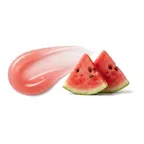 Watermelon
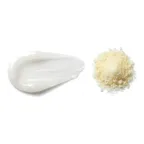 Avobenzone
 Aloe Barbadensis Leaf Juice
High
- HighCombination Skin Fit
- HighEffectiveness
- HighSafety
A great choice for acne-prone skin; a few sunscreens fit it even better.
This fit is calculated for the concerns frequently associated with acne-prone skin: breakouts, blackheads, and post-acne marks. For scores and recommendations based on your full skin profile, including your 12D face scan results and any goals or preferences you have, please use the Lovi app.
Updated How the Fit score works
Lovi Assistant explains
- Highly suitable for your combination skin, this product effectively addresses your acne and blemishes with niacinamide for oil regulation and aloe barbadensis leaf juice for calming inflammation. Glycerin and sodium hyaluronate provide essential hydration without clogging pores, supporting your skin's barrier function.
- The inclusion of avobenzone and other UV filters offers excellent broad-spectrum protection, a crucial benefit for skin undergoing acne treatment and prone to post-inflammatory hyperpigmentation.
- This formula is safe for your skin, as it contains no harsh ingredients and is free from common irritants, ensuring a gentle experience for your combination and acne-prone skin.
How to apply
- Apply this moisturizing sunscreen AM every morning as the final step of your daily routine.
- Layer the moisturizing sunscreen after your moisturizer has fully absorbed, right before heading out into the sun .
- Smooth a nickel-sized amount of the moisturizing sunscreen evenly over your face, avoiding harsh rubbing.
- Apply the moisturizing sunscreen onto clean, dry skin to ensure even coverage and protection.
- Perform a patch test before first use and avoid direct contact with the eyes.
People Say
★4.6Overall rating based on 10.0k+ reviewsBased on a very large amount of data, this 2-in-1 sunscreen and moisturizer is highly praised for its invisible application on all skin tones and its effectiveness as a makeup primer. Many users with dry and combination skin appreciate the hydrating, glowy finish and the niacinamide's ability to fade dark spots. However, a significant number of users find the strong fragrance irritating and note that it can cause eye stinging. Those with oily skin report a greasy finish, and some users experienced breakouts or found the product too expensive.
Highlights
Invisible application Mostly Mentioned
- “Zero white cast”
- “invisible on dark skin”
- “blends instantly”
Hydrating & glowy Often Mentioned
- “Leaves a nice glow”
- “skin feels plump”
- “dewy finish”
Makeup compatibility Often Mentioned
- “Great makeup primer”
- “no pilling”
- “foundation sits beautifully”
Strong fragrance Often Mentioned
- “Overpowering sweet scent”
- “smells like melon/cherry”
- “lingers too long”
Refillable packaging Sometimes Noted
- “Eco-friendly refill system”
- “luxurious bottle”
- “easy twist-up pump”
Skincare benefits Sometimes Noted
- “Fades dark spots”
- “improves texture”
- “contains niacinamide”
Eye irritation Sometimes Noted
- “Stings my eyes”
- “causes watering”
- “burns if it migrates”
Greasy on oily skin Sometimes Noted
- “Too shiny”
- “looks oily by noon”
- “heavy for summer”
Breakouts Rarely Noted
- “Caused small bumps”
- “clogged my pores”
- “triggered acne”
High price point Rarely Noted
- “Expensive for amount”
- “refills are pricey”
- “not budget friendly”
Sources: lovi.care, sephora.com, amazon.com, fentyskin.com, ulta.com, reddit.com, and more
Questions and answers
What makes Fenty Hydra Vizor SPF 30 Sunscreen a great fit for acne-prone skin?
Fenty Hydra Vizor SPF 30 Sunscreen is a great fit because it uses niacinamide to help control oil and aloe vera to calm inflammation, keeping acne-prone skin comfortable. Glycerin and sodium hyaluronate provide essential hydration without clogging pores, while the sunscreen filters protect skin from UV rays to help prevent dark spots after blemishes.
Clinical, Cosmetic and Investigational Dermatology, 2017Clinical Pharmacology, 2018
Which ingredients make this sunscreen a good fit for acne-prone skin?
This sunscreen is a great fit for acne-prone skin because it includes niacinamide to help control oil and aloe leaf juice to calm redness. It also features glycerin and sodium hyaluronate to provide lightweight hydration without clogging pores, plus reliable UV filters to protect against dark spots.
Clinical, Cosmetic and Investigational Dermatology, 2017Clinical Pharmacology, 2018
What does Niacinamide do for acne-prone skin?
Niacinamide helps control acne-prone skin by reducing pimples and balancing oil production. It is well tolerated and may also help calm redness and improve overall skin texture in acne-prone skin.
International Journal of Dermatology, 2013Journal of Cosmetic Dermatology, 2024
What does Hyaluronic Acid do for acne-prone skin?
Hyaluronic acid helps hydrate acne-prone skin without clogging pores and may be paired with targeted ingredients to calm breakouts and reduce redness. A product of this type for acne-prone skin needs lightweight hydration and ingredients that balance oil and soothe irritation.
Where does this sunscreen go in a skincare routine for acne-prone skin?
This sunscreen is applied in the morning as the final step of your routine before makeup, after your moisturizer. It protects acne-prone skin from UV rays and helps prevent dark spots after blemishes fade.
Can I use this sunscreen with retinol, and in what order?
You can use this sunscreen in the morning as the last step of your routine, after applying your moisturizer and before heading out into the sun. Using a daytime sunscreen is essential when using retinol at night, as it protects your sensitive skin from UV rays and helps prevent dark spots.
How often should I use this sunscreen?
You can use this moisturizing sunscreen every morning as the last step of your daytime routine. Daily use provides essential UV protection that helps prevent dark spots after blemishes while keeping your skin calm and hydrated.
Can this sunscreen clog pores, cause breakouts or purging for acne-prone skin?
This sunscreen is unlikely to clog pores or cause breakouts on acne-prone skin because it uses lightweight hydrators like glycerin and sodium hyaluronate that provide moisture without blocking pores. It also features niacinamide to help control oil and aloe juice to calm inflammation.
Clinical, Cosmetic and Investigational Dermatology, 2017Clinical Pharmacology, 2018
What the research says
A single application of a moisturizing fluid containing hyaluronic acid 1%, glycerin 5%, and Centella asiatica stem cells extract significantly increased skin hydration by 29% and reduced transepidermal water loss at 24 hours compared to baseline and an untreated control site in twenty healthy women.
Clinical, Cosmetic and Investigational Dermatology, 2017A cream combining propolis, tea tree oil, and Aloe vera reduced erythema scars, acne severity index, and total lesion count better than erythromycin cream in sixty patients with mild to moderate acne vulgaris compared to placebo.
Clinical Pharmacology, 2018Parsol 1789 and Eusolex 8020 provided slightly better photoprotection than oxybenzone in both normal and sensitized human skin when assessed using pigmentation end points, whereas all three sunscreens performed similarly against UVA-induced erythema.
Journal of the American Academy of Dermatology, 1987Topical nicotinamide prevented solar-simulated UV-induced immunosuppression in healthy volunteers, and men experienced immunosuppression at solar-simulated UV doses three times lower than those required for women.
The Journal of Investigative Dermatology, 2008Topical 5% niacinamide applied twice daily for 12 weeks reduced fine lines and wrinkles, hyperpigmented spots, red blotchiness, and skin sallowness, and improved skin elasticity compared to vehicle control in 50 female white subjects with facial photoaging.
Dermatologic Surgery, 2005Topical 2% niacinamide significantly decreased sebum excretion rate in Japanese individuals and casual sebum levels in Caucasian individuals compared to placebo or baseline.
Journal of Cosmetic and Laser Therapy, 2006Topical application of 0.1% hyaluronic acid formulations of different molecular weights led to significant improvements in skin hydration and elasticity, with low-molecular-weight formulations also significantly reducing wrinkle depth in seventy-six female subjects compared to a vehicle control.
Journal of Drugs in Dermatology, 2011Topical hyaluronic acid serum used twice daily by 40 females with facial photoaging produced an immediate 134% increase in skin hydration, a sustained 55% increase at week 6, and significant improvements in smoothness, plumping, fine lines, wrinkles, and global appearance without causing irritation.
Dermatology and Therapy, 2021A topical antioxidant serum significantly reduced air pollution-induced skin pigmentation and proinflammatory gene expression ex vivo, and improved skin aging signs in 40 healthy adult females after 90 days of daily use.
Journal of Cosmetic Dermatology, 2022Citrulluside H and citrulluside T attenuate ultraviolet B radiation-induced matrix metalloproteinase expression in normal human dermal fibroblasts by scavenging reactive oxygen species and inhibiting MAPK/AP-1 and NF-kappaB signaling pathways.
Photodermatology, Photoimmunology & Photomedicine, 2021Coniferyl alcohol derived from seed watermelon promoted linoleic acid-stimulated lipogenesis by approximately 2.2-fold at 300 µM and increased total lipid content in SZ95 sebocytes compared to controls.
Molecules, 2025Methoxy-monobenzoylmethane protects human skin against UV-induced damage by converting to avobenzone under UVB light irradiation and demonstrating antioxidant and radical scavenging properties in vitro and in cell assays.
Molecules, 2021Encapsulation of ethylhexyl methoxycinnamate and butyl methoxydibenzoylmethane in lipid microparticles significantly reduced their in vivo human skin penetration compared to nonencapsulated filters.
Skin Pharmacology and Physiology, 2011Microencapsulation of the BMDBM/HP-beta-CD complex in lipid microparticles significantly decreased the percutaneous penetration of the UV filter into the stratum corneum of human volunteers compared to the non-encapsulated sunscreen agent.
Journal of Pharmaceutical and Biomedical Analysis, 2011Formulations containing 0.10%, 0.25%, and 0.50% freeze-dried Aloe vera extract increased stratum corneum water content compared with the vehicle in 20 female subjects, while transepidermal water loss was not modified.
Skin Research and Technology, 2006Kombucha-mediated fermentation of aloe vera gel for 10 and 20 days enhanced its phenolic and flavonoid content, antioxidant capacity, cytoprotective effects, enzyme inhibition against collagenase, elastase, and hyaluronidase, and moisturizing properties compared to unfermented gel.
Molecules, 2025Aloe vera gel phenolic and polysaccharide extracts demonstrated distinct wound-healing properties in vitro, with the phenolic extract exhibiting anti-inflammatory, antioxidant, and fibroblast-stimulating effects, and the polysaccharide extract showing enhanced collagen synthesis and antibacterial activity against Staphylococcus aureus.
Journal of Functional Biomaterials, 2024
Ingredients
Avobenzone, Homosalate, Octisalate, Water, Glycerin, Carthamus Tinctorius Oleosomes, Pentylene Glycol, Butylene Glycol, C12-15 Alkyl Benzoate, Niacinamide, Zea Mays Starch, Sodium Hyaluronate, Watermelon Seed Extract, Adansonia Digitata Extract Pulp, Barosma Betulina Leaf Extract, Aloe Barbadensis Leaf Juice, Tocopheryl Acetate, Gluconolactone, Sorbitan Oleate, Acrylates C10-30 Alkyl Acrylate Crosspolymer, Sodium Acrylate Sodium Acryloyldimethyl Taurate Copolymer, Dimethicone, Isohexadecane, Ethylhexyl Methoxycrylene, Polysorbate 80, Xanthan Gum, Sodium Hydroxide, Citric Acid, Potassium Hydroxide, Tocopherol, Trisodium Ethylenediamine Disuccinate, Ethylhexylglycerin, Sodium Benzoate, Potassium Sorbate, Phenoxyethanol, Benzyl Salicylate, Citral, Hexyl Cinnamal, Limonene, Linalool, Red 33
Behind this fit score
Lovi calculates every fit score from the full ingredient list with brand-independent rules our dermatologists and cosmetic chemists build and review, and personalizes every pick with AI trained on the real results of millions of users. Lovi trains its fit score models on a proprietary dataset built from more than 10,000 expert-labeled products and more than 100,000 simulated examples, following an internally consistent methodology presented at Cosmoprof, AMWC, and Skin of Color Update.
-

Co-founder, Medical Director
Cosmetic chemist, cosmetologist, aesthetic products developer
-

Co-founder, CEO and CTO
PhD in computer science, 3x US patent holder, ex-Google, ex-Yandex
-

Dr. Sofía Perea Pérez, MD, MSc
Medical Board
Aesthetic medicine practitioner, MSc in Longevity and Anti-Aging Medicine
-

Medical Board
Specialist dermatologist, MBBS, MD, IFAAD
-

Medical Board
Cosmetic chemist, SCS, IFSCC member
-

Medical Board, Medical Advisor
Dermatology MD
-

Elina Nazarenko, MD
Medical Board
Dermatology and diagnostic consultant
-

Victoria Derkova, MS
Medical Board
Cosmetic chemist, cosmetic development technologist


How does it fit your skin?
Scan your face, then any product: Lovi shows how well it fits you and what fits even better.