
FarmHouse Fresh Moon Dip for oily acne-prone skin

 Retinol
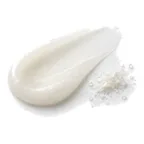 Peptides
 Aloe Barbadensis Leaf Juice
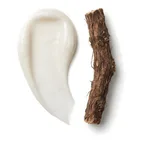 Allantoin
 Tocopheryl Acetate
Average
- AverageOily Skin Fit
- AverageEffectiveness
- Low RiskSafety
Works for oily acne-prone skin; other moisturizers fit it better.
This fit is calculated for the concerns frequently associated with oily acne-prone skin: shine, breakouts, blemishes, and enlarged pores. For scores and recommendations based on your full skin profile, including your 12D face scan results and any goals or preferences you have, please use the Lovi app.
Updated How the Fit score works
Lovi Assistant explains
- Offers moderate moisturizing for your oily skin due to glycerin and jojoba seed oil, which hydrate and enhance barrier resilience, but lacks targeted ingredients for your acne, blemishes, and breakouts.
- Retinol and retinyl palmitate offer mild keratolytic action and desquamation regulation, providing some benefit for oily skin, though additional ingredients for optimal oil control would be advantageous.
- The product is generally safe for your oily skin, with minor risks of irritation from retinol and parfum.
How to apply
- Use this AM and PM routine every day to help clear your skin. Always remember to finish with SPF in the morning.
- Apply the moisturizer after your cleanser and toner, right before your SPF during the day.
- Gently press a small amount into your skin and avoid rubbing to keep pores clear.
- Apply on clean, slightly damp skin to help the product absorb better and control oil.
- Avoid the sensitive eye area and do a simple patch test before your first use.
People Say
★4.8Overall rating based on 10.0k+ reviewsBased on a very large amount of data, this product is highly praised for its unique, airy mousse texture that effectively hydrates and firms the skin, making it a popular choice for addressing fine lines and improving skin texture. It is particularly effective for normal to oily skin types, leaving a matte, non-greasy finish. However, some users with very dry skin find it lacks sufficient moisture, and opinions on its scent and price point vary.
Highlights
Airy texture Mostly Mentioned
- “Light as air”
- “whipped mousse”
- “melts effortlessly”
Hydrates and firms Often Mentioned
- “Visibly firms skin”
- “reduces fine lines”
- “deeply hydrates”
Non-greasy finish Often Mentioned
- “Dries down matte”
- “no greasy residue”
- “perfect under makeup”
Pleasant scent Sometimes Noted
- “Smells amazing”
- “fresh floral scent”
- “heavenly fragrance”
Expensive product Sometimes Noted
- “Price is steep”
- “expensive for the size”
Lacks moisture Sometimes Noted
- “Not moisturizing enough”
- “too light for dry skin”
Scent issues Rarely Noted
- “Not a fan of scented”
- “smell is overpowering”
Shipping problems Rarely Noted
- “Shipping is atrocious”
- “hit or miss”
Sources: lovi.care, farmhousefreshgoods.com, reviewed.com, livelovespa.com, reddit.com, youtube.com, and more
Questions and answers
How well does FarmHouse Fresh Moon Dip Age-Defying Recovery Treatment work for oily acne-prone skin?
This product works moderately well for your oily acne-prone skin because it hydrates and gently refines the surface with retinol and jojoba seed oil, but it lacks targeted ingredients to actively clear blemishes and breakouts. It is generally safe to use, though there is a minor risk of irritation from the retinol and added scent. A product of this type needs powerful hydrating and repairing ingredients that clear acne and blemishes without heavy oils or irritation risks.
Clinical, Cosmetic and Investigational Dermatology, 2017International Journal of Nanomedicine, 2021
Which ingredients make this cream a good fit for oily acne-prone skin?
Glycerin, jojoba seed oil, retinol, and retinyl palmitate make this cream a moderate fit by providing hydration and mild skin smoothing. However, this skin type needs targeted ingredients that control oil and manage acne and breakouts without irritation.
Clinical, Cosmetic and Investigational Dermatology, 2017International Journal of Nanomedicine, 2021
What does Retinol do for oily acne-prone skin?
Retinol helps oily acne-prone skin by clearing breakouts and keeping skin smooth, though it can sometimes cause mild dryness or stinging at first. A product of this type for this skin needs added soothing ingredients and lightweight oils to keep the skin calm and balanced.
Drug Research, 2025American Journal of Clinical Dermatology, 2019
What do Peptides do for oily acne-prone skin?
For oily, acne-prone skin, peptides help calm breakouts, reduce excess oil, and keep pores clear. They support skin recovery and improve overall texture while remaining gentle enough for daily use.
Journal of Cosmetic Dermatology, 2022Journal of Cosmetic Dermatology, 2021
Where does this cream go in a skincare routine for oily acne-prone skin?
This moisturizing treatment goes in the evening routine after cleansing and before your final moisturizer. Oily skin prone to breakouts works best with products that provide balanced hydration alongside ingredients targeted specifically at oil and blemish control.
Can I use this cream with vitamin C, and in what order?
You can use this moisturizing treatment with vitamin C by applying your vitamin C serum first on clean skin, letting it absorb, and then following with this cream. Because this product contains retinol, layering it with vitamin C may sometimes cause mild irritation on oily acne-prone skin, so you might want to alternate nights or use vitamin C in the morning. An oily acne-prone skin routine needs a product that provides oil control and targeted breakout-fighting ingredients alongside hydration.
How often should I use this cream?
You can use this moisturizing treatment in your evening routine, applying it after your cleansing steps. Because it contains retinol, it helps your skin gently renew itself, though oily and acne-prone skin needs additional ingredients for optimal oil control and blemish care.
Can this cream clog pores, cause breakouts or purging for oily acne-prone skin?
This cream works for your oily skin with moderate hydration, but it lacks targeted ingredients for blemishes and breakouts. Retinol and retinyl palmitate provide mild help, but an average fit for this skin needs stronger oil control and specific blemish-fighting ingredients.
Can I use this cream around the eyes or on my body?
This cream is safe to use around the eyes and on the body, though the skin around the eyes is much thinner and may be more sensitive to active ingredients like retinol. It provides good moisture with ingredients like glycerin and jojoba seed oil.
Is this cream fragrance-free and alcohol-free?
It has no drying alcohol and contains fragrance (parfum). Cetyl alcohol is a fatty alcohol, which soften the skin.
What the research says
A single application of a moisturizing fluid containing hyaluronic acid 1%, glycerin 5%, and Centella asiatica stem cells extract significantly increased skin hydration by 29% and reduced transepidermal water loss at 24 hours compared to baseline and an untreated control site in twenty healthy women.
Clinical, Cosmetic and Investigational Dermatology, 2017Retinyl palmitate ethosomal hydrogel reduced non-inflammatory and total acne lesion counts significantly better than marketed tretinoin while improving tolerability with minimal skin irritation in patients with acne vulgaris.
International Journal of Nanomedicine, 2021Topical bakuchiol 0.5% applied twice daily compared with retinol 0.5% applied daily significantly decreased wrinkle surface area and hyperpigmentation with no statistical difference between the compounds in 44 patients over 12 weeks, while retinol users reported more facial skin scaling and stinging.
The British Journal of Dermatology, 2019Topical 0.3% and 1% retinol comparably improved biomarkers of cutaneous photoageing in photoaged volunteers, while 0.3% retinol demonstrated better tolerance with fewer and milder adverse events compared to 1% retinol in a daily escalation regimen.
International Journal of Cosmetic Science, 2022Daily application of 0.3% and 0.5% retinol serums in 37 volunteers over 12 weeks reduced skin hyperpigmentation, unevenness, and wrinkles on both sides of the face, with the 0.5% concentration causing more frequent and intense skin irritation.
Skin Pharmacology and Physiology, 2020Topical application of 0.1% retinol induced CRABP2 and HBEGF gene expression, increased keratinocyte proliferation and epidermal thickness ex vivo, and improved major skin aging signs without significant adverse reactions in 48 volunteers compared to placebo.
Skin Pharmacology and Physiology, 2009Topical application of an autophagy-activating peptide reduced closed comedones, skin surface lipids, and trans-epidermal water loss, while altering lipid composition in acne-prone skin compared to vehicle.
Journal of Cosmetic Dermatology, 2021Topical exosomes and peptides improve skin rejuvenation by increasing collagen deposition, enhancing skin texture, and accelerating wound healing.
Aesthetic Surgery Journal. Open Forum, 2024Topical omiganan gels exhibited rapid, dose-dependent bactericidal and fungicidal activity against a broad spectrum of bacteria and yeasts in ex vivo pig skin and in vivo guinea pig skin models.
International Journal of Antimicrobial Agents, 2009A cream combining propolis, tea tree oil, and Aloe vera reduced erythema scars, acne severity index, and total lesion count better than erythromycin cream in sixty patients with mild to moderate acne vulgaris compared to placebo.
Clinical Pharmacology, 2018Formulations containing 0.10%, 0.25%, and 0.50% freeze-dried Aloe vera extract increased stratum corneum water content compared with the vehicle in 20 female subjects, while transepidermal water loss was not modified.
Skin Research and Technology, 2006Kombucha-mediated fermentation of aloe vera gel for 10 and 20 days enhanced its phenolic and flavonoid content, antioxidant capacity, cytoprotective effects, enzyme inhibition against collagenase, elastase, and hyaluronidase, and moisturizing properties compared to unfermented gel.
Molecules, 2025The ThriveCo Bumps Eraser Kit increased skin hydration by 131.75%, reduced redness by 69.30%, decreased pigmentation by 35.77%, dropped itchiness by 92.63%, improved smoothness by 55.00%, reduced roughness by 148.54%, and decreased scaliness by 87.09% without adverse effects.
Cureus, 2025The combination of allantoin, bisabolol, D-panthenol and dipotassium glycyrrhizinate reduces UVB-induced PGE2, inflammatory cytokines, and mitochondrial superoxide in human epidermal keratinocytes.
International Journal of Cosmetic Science, 2024A topical serum containing vitamin C, vitamin E, and raspberry leaf cell culture extract improved skin color, elasticity, radiance, smoothness, scaliness, and wrinkles compared to the untreated contralateral side in fifty female volunteers.
Journal of Cosmetic Dermatology, 2020A nighttime topical antioxidant containing resveratrol, baicalin, and vitamin E significantly improved fine lines, wrinkles, firmness, elasticity, laxity, hyperpigmentation, radiance, roughness, and dermal thickness in subjects with mild to moderately photodamaged skin over 12 weeks.
Journal of Drugs in Dermatology, 2014A topical antioxidant serum significantly reduced air pollution-induced skin pigmentation and proinflammatory gene expression ex vivo, and improved skin aging signs in 40 healthy adult females after 90 days of daily use.
Journal of Cosmetic Dermatology, 2022
Why other moisturizers fit oily acne-prone skin better
- Retinol in this moisturizer
Topical bakuchiol 0.5% applied twice daily compared with retinol 0.5% applied daily significantly decreased wrinkle surface area and hyperpigmentation with no statistical difference between the compounds in 44 patients over 12 weeks, while retinol users reported more facial skin scaling and stinging.
The British Journal of Dermatology, 2019 Co-delivery of paeonol and madecassoside via nanoemulsions improved transdermal delivery, promoted barrier repair proteins, inhibited inflammatory cytokine secretion in cellular and 3D models, and reduced transepidermal water loss and acne in human facial skin compared to free components.
Molecules, 2023
Ingredients
Allantoin, Aloe Barbadensis Leaf Juice, Beeswax, Butylene Glycol, Caprylyl Glycol, Carbomer, Cetyl Alcohol, Cucumis Sativus Fruit Extract, C Red 7 Lake, Glycerin, Glycine Soje Oil Soybean Oil, Hydrogenated Polyisobutene, Iron Oxides, Isopropyl Palmitate, Lanolin Alcohol, Lecithin, Mica, Palmitic Acid, Palmitoyl Oligopeptide, Palmitoyl Tetrapeptide-7, Parfum, Phenoxyethanol, Polysorbate 20, Retinol, Retinyl Palmitate, Jojoba Seed Oil, Sodium Hydroxide, Sorbitol, Stearic Acid, Titanium Dioxide, Tocopheryl Acetate, Water
Behind this fit score
Lovi calculates every fit score from the full ingredient list with brand-independent rules our dermatologists and cosmetic chemists build and review, and personalizes every pick with AI trained on the real results of millions of users. Lovi trains its fit score models on a proprietary dataset built from more than 10,000 expert-labeled products and more than 100,000 simulated examples, following an internally consistent methodology presented at Cosmoprof, AMWC, and Skin of Color Update.
-

Co-founder, Medical Director
Cosmetic chemist, cosmetologist, aesthetic products developer
-

Co-founder, CEO and CTO
PhD in computer science, 3x US patent holder, ex-Google, ex-Yandex
-

Dr. Sofía Perea Pérez, MD, MSc
Medical Board
Aesthetic medicine practitioner, MSc in Longevity and Anti-Aging Medicine
-

Medical Board
Specialist dermatologist, MBBS, MD, IFAAD
-

Medical Board
Cosmetic chemist, SCS, IFSCC member
-

Medical Board, Medical Advisor
Dermatology MD
-

Elina Nazarenko, MD
Medical Board
Dermatology and diagnostic consultant
-

Victoria Derkova, MS
Medical Board
Cosmetic chemist, cosmetic development technologist


How does it fit your skin?
Scan your face, then any product: Lovi shows how well it fits you and what fits even better.