
Farmacy Daily Greens Oil-Free Gel Moisturizer for acne-prone skin

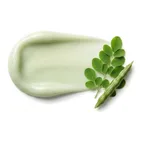 Moringa Oleifera Extract
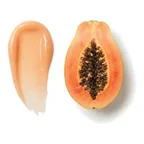 Carica Papaya Fruit Extract
 Niacinamide
 Sodium Hyaluronate
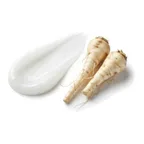 Inulin
Superior
- SuperiorCombination Skin Fit
- SuperiorEffectiveness
- ExcellentSafety
One of the best moisturizers for acne-prone skin.
- International Journal of Biological Macromolecules, 2018
- Clinical, Cosmetic and Investigational Dermatology, 2017
This fit is calculated for the concerns frequently associated with acne-prone skin: breakouts, blackheads, and post-acne marks. For scores and recommendations based on your full skin profile, including your 12D face scan results and any goals or preferences you have, please use the Lovi app.
Updated How the Fit score works
Lovi Assistant explains
- Excellent suitability for your combination, acne-prone skin as niacinamide and papaya fruit extract effectively target inflammation and exfoliation while multiple forms of hyaluronic acid provide optimal hydration without clogging pores.
- Glycerin and moringa oleifera leaf water further enhance the moisturizing and plumping effects, ensuring your skin remains smooth and hydrated.
- The product is safe for your skin due to the absence of harsh ingredients and the inclusion of soothing components like niacinamide and allantoin.
How to apply
- Use your moisturizer twice a day in your AM and PM routines. Apply it daily to help keep breakouts under control.
- Apply after your cleanser and toner, and make sure to use your SPF right after in the morning.
- Gently spread a small amount of moisturizer over your face using soft motions. Let it absorb into the skin for a minute before getting dressed or applying makeup.
- Apply on slightly damp skin to help lock in extra moisture. This keeps your combination skin balanced without feeling heavy.
- Avoid the eye area and do a patch test before your first use. Stop using if you feel any irritation.
People Say
★4.1Overall rating based on 2.1k+ reviewsBased on a very large amount of data, this lightweight gel moisturizer is highly favored by users with oily and combination skin for providing hydration without greasiness or pore clogging. A significant number of users note a sticky finish, and those with drier skin types find it not moisturizing enough. Many users report a refreshing and soothing sensation, and some with acne-prone skin have seen an improvement in breakouts and skin texture. However, a notable portion of users experience a tacky residue after application, and drier skin types may require additional hydration. The product's scent is also a point of contention for some, and a small number of users report pilling when layered with other products.
Highlights
Lightweight feel Mostly Mentioned
- “feels like water”
- “absorbs instantly”
- “doesn't weigh skin down”
- “perfect for summer”
Good for oily skin Often Mentioned
- “keeps oil in check”
- “didn't make me greasy”
- “perfect for my T-zone”
- “matte but glowy”
Sticky residue Often Mentioned
- “feels like glue”
- “stays tacky for hours”
- “hair sticks to face”
- “pillowcase sticks to me”
Clearer complexion Sometimes Noted
- “helped clear my pores”
- “no new breakouts”
- “skin looks smoother”
- “texture is refined”
Refreshing and soothing Sometimes Noted
- “cooling effect”
- “refreshing in the morning”
- “soothes redness”
- “feels like a spa”
Insufficient moisture Sometimes Noted
- “skin felt tight”
- “needed another layer”
- “not enough for winter”
- “dry patches appeared”
Unpleasant scent Sometimes Noted
- “smells like cleaning product”
- “weird chemical scent”
- “smells like stale beer”
- “scent is off-putting”
Pilling with makeup Rarely Noted
- “pills under sunscreen”
- “rolls off in little balls”
- “can't wear under foundation”
- “flakes off”
Sources: lovi.care, sephora.com, kohls.com, influenster.com, cultbeauty.co.uk, spacenk.com, and more
Questions and answers
What makes Farmacy Daily Greens Moisturizer one of the best fits for acne-prone skin?
This moisturizer is a great fit for acne-prone skin because niacinamide and papaya fruit extract target inflammation and exfoliation, while multiple forms of hyaluronic acid keep your skin smooth and hydrated without clogging pores. Glycerin and moringa leaf water help plump the skin, and the absence of harsh ingredients along with soothing components like allantoin ensures a very safe experience.
Clinical, Cosmetic and Investigational Dermatology, 2017International Journal of Cosmetic Science, 2024
Which ingredients make this moisturizer a good fit for acne-prone skin?
Niacinamide and papaya fruit extract make this moisturizer a great fit for your acne-prone skin because they help calm redness and clear away dead skin cells without clogging your pores. Multiple forms of hyaluronic acid and glycerin add lightweight hydration to keep your skin smooth and balanced.
What does Moringa Extract do for acne-prone skin?
Moringa extract helps calm acne-prone skin by reducing redness and swelling, while supporting the skin's barrier. It is unlikely to cause irritation and may balance oil production, but acne-prone skin still needs lightweight, non-clogging hydrators and gentle clarifying ingredients to stay clear.
International Journal of Molecular Sciences, 2023Journal of Ethnopharmacology, 2020
What does Papaya Fruit Extract do for acne-prone skin?
Papaya fruit extract helps calm acne-prone skin and clears blemishes by gently removing dead skin cells and soothing irritation. This ingredient helps reduce breakouts and keeps skin smooth.
Giornale Italiano Di Dermatologia E Venereologia, 2015International Journal of Biological Macromolecules, 2023
Where does this moisturizer go in a skincare routine for acne-prone skin?
This moisturizer goes as the third step in your morning routine after a cleanser and hydrating toner, and as the final step in your evening routine. Regular use helps keep your skin smooth and hydrated without clogging pores.
The Journal of Dermatological Treatment, 2022International Journal of Cosmetic Science, 2020
Can I use this moisturizer with retinol, and in what order?
How often should I use this moisturizer?
This moisturizer is suitable for daily use both morning and night as part of your regular routine to keep your skin smooth and hydrated. Applying a moisturizer daily helps maintain the skin barrier and provides essential hydration without clogging pores.
Journal of Cosmetic Dermatology, 2020Health Science Reports, 2021
Can this moisturizer clog pores, cause breakouts or purging for acne-prone skin?
This moisturizer is very safe for acne-prone skin because it provides light hydration without clogging pores, using ingredients like hyaluronic acid and glycerin. Niacinamide and papaya fruit extract also help calm inflammation and smooth the skin.
Can I use this moisturizer around the eyes or on my body?
You can use this moisturizer on the delicate skin around your eyes and on your body because its lightweight formula provides deep hydration without heavy oils. The soothing ingredients like niacinamide and allantoin help keep thin or sensitive areas calm and smooth.
Is this moisturizer fragrance-free and alcohol-free?
Yes, it has no fragrance and no drying alcohol. Arachidyl alcohol and behenyl alcohol are fatty alcohols, which soften the skin.
What the research says
Hyaluronic acid-based formulations exhibit remarkable anti-wrinkle, anti-aging, and skin rejuvenating effects via soft tissue augmentation, improved skin hydration, and face volume restoration.
International Journal of Biological Macromolecules, 2018A single application of a moisturizing fluid containing hyaluronic acid 1%, glycerin 5%, and Centella asiatica stem cells extract significantly increased skin hydration by 29% and reduced transepidermal water loss at 24 hours compared to baseline and an untreated control site in twenty healthy women.
Clinical, Cosmetic and Investigational Dermatology, 2017The combination of allantoin, bisabolol, D-panthenol and dipotassium glycyrrhizinate reduces UVB-induced PGE2, inflammatory cytokines, and mitochondrial superoxide in human epidermal keratinocytes.
International Journal of Cosmetic Science, 2024Moringa oleifera leaf extracts provided significant UV protection with an SPF of 2 at 2% to 4% concentrations and showed no significant irritant potential in cosmetic formulations.
Molecules, 2018Encapsulating Moringa oleifera Lam. isothiocyanate in flexible nanoliposomes modified with amphiphilic hyaluronic acid conjugated with ceramide improved entrapment efficiency, particle size, skin permeation, and cellular uptake while protecting HaCaT cells against UVB-induced photoaging damage.
Drug Delivery, 2022Moringa oleifera leaf extracts at concentrations up to 5% increase cell proliferation and metabolism, reduce oxidative stress, and improve the safety of a 1% SCS cosmetic formulation by reducing skin irritation.
Dermatology Research and Practice, 2020Topical papain treatment may slightly decrease pain within 30 minutes in humans stung by Chrysaora chinensis compared to placebo.
Wilderness & Environmental Medicine, 2016A fixed combination of hydroxypinacolone retinoate, retinol glycospheres, and papain glycospheres in aqueous gel applied once daily for 12 weeks achieved a 41% mean reduction in GAGS score and a 40.8% mean reduction in total lesions, with 15.3% of patients experiencing mild to moderate local side effects, in 94 evaluable patients with comedonal-papular, mild to moderate acne of the face.
Giornale Italiano Di Dermatologia E Venereologia, 2015Reflux extraction of Carica papaya leaves yielded higher antioxidant capacity and superior in vitro wound-healing activities including fibroblast proliferation, cell migration, and collagen synthesis in human skin fibroblasts compared to ultrasonic-assisted extraction and agitation.
Molecules, 2020Topical nicotinamide prevented solar-simulated UV-induced immunosuppression in healthy volunteers, and men experienced immunosuppression at solar-simulated UV doses three times lower than those required for women.
The Journal of Investigative Dermatology, 2008Topical 5% niacinamide applied twice daily for 12 weeks reduced fine lines and wrinkles, hyperpigmented spots, red blotchiness, and skin sallowness, and improved skin elasticity compared to vehicle control in 50 female white subjects with facial photoaging.
Dermatologic Surgery, 2005Topical 2% niacinamide significantly decreased sebum excretion rate in Japanese individuals and casual sebum levels in Caucasian individuals compared to placebo or baseline.
Journal of Cosmetic and Laser Therapy, 2006Topical application of 0.1% hyaluronic acid formulations of different molecular weights led to significant improvements in skin hydration and elasticity, with low-molecular-weight formulations also significantly reducing wrinkle depth in seventy-six female subjects compared to a vehicle control.
Journal of Drugs in Dermatology, 2011Topical hyaluronic acid serum used twice daily by 40 females with facial photoaging produced an immediate 134% increase in skin hydration, a sustained 55% increase at week 6, and significant improvements in smoothness, plumping, fine lines, wrinkles, and global appearance without causing irritation.
Dermatology and Therapy, 2021A topical antioxidant serum significantly reduced air pollution-induced skin pigmentation and proinflammatory gene expression ex vivo, and improved skin aging signs in 40 healthy adult females after 90 days of daily use.
Journal of Cosmetic Dermatology, 2022
Ingredients
Water, Propanediol, C13-15 Alkane, Glycerin, 1,2-Hexanediol, Niacinamide, Betaine, Inulin, Moringa Oleifera Leaf Water, Moringa Oleifera Seed Extract, Carica Papaya Fruit Extract, Fructose, Sodium Polyglutamate, Sodium Hyaluronate Crosspolymer, Sodium Acetylated Hyaluronate, Hydrolyzed Sodium Hyaluronate, Sodium Hyaluronate, Saccharide Isomerate, Corallina Officinalis Extract, Melia Azadirachta Leaf Extract, Melia Azadirachta Flower Extract, Allantoin, Sodium Polyacrylate, Carbomer, Cellulose Gum, Pentylene Glycol, Sodium Phytate, Potassium Hydroxide, Xanthan Gum, Cellulose, Glucose, Silica, Ethylhexylglycerin, Sodium Benzoate, Maltodextrin, Gluconolactone, Curcuma Longa Root Extract, Ocimum Basilicum Leaf Extract Flower, Ocimum Sanctum Leaf Extract, Tocopherol, Xylitylglucoside, Arachidyl Alcohol, Behenyl Alcohol, Arachidyl Glucoside, Phenethyl Alcohol, Xylitol, Anhydroxylitol
Behind this fit score
Lovi calculates every fit score from the full ingredient list with brand-independent rules our dermatologists and cosmetic chemists build and review, and personalizes every pick with AI trained on the real results of millions of users. Lovi trains its fit score models on a proprietary dataset built from more than 10,000 expert-labeled products and more than 100,000 simulated examples, following an internally consistent methodology presented at Cosmoprof, AMWC, and Skin of Color Update.
-

Co-founder, Medical Director
Cosmetic chemist, cosmetologist, aesthetic products developer
-

Co-founder, CEO and CTO
PhD in computer science, 3x US patent holder, ex-Google, ex-Yandex
-

Dr. Sofía Perea Pérez, MD, MSc
Medical Board
Aesthetic medicine practitioner, MSc in Longevity and Anti-Aging Medicine
-

Medical Board
Specialist dermatologist, MBBS, MD, IFAAD
-

Medical Board
Cosmetic chemist, SCS, IFSCC member
-

Medical Board, Medical Advisor
Dermatology MD
-

Elina Nazarenko, MD
Medical Board
Dermatology and diagnostic consultant
-

Victoria Derkova, MS
Medical Board
Cosmetic chemist, cosmetic development technologist


How does it fit your skin?
Scan your face, then any product: Lovi shows how well it fits you and what fits even better.