
Estée Lauder Nutritious Booster Drops for oily acne-prone skin

 Niacinamide
 Sodium Hyaluronate
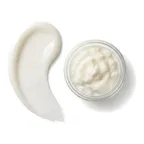 Lactobacillus Ferment
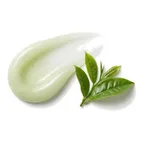 Camellia Sinensis Leaf Extract
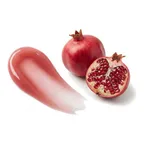 Pomegranate Pericarp Extract
High
- SuperiorOily Skin Fit
- SuperiorEffectiveness
- ExcellentSafety
A great choice for oily acne-prone skin; a few serums fit it even better.
This fit is calculated for the concerns frequently associated with oily acne-prone skin: shine, breakouts, blemishes, and enlarged pores. For scores and recommendations based on your full skin profile, including your 12D face scan results and any goals or preferences you have, please use the Lovi app.
Updated How the Fit score works
Lovi Assistant explains
- Excellent suitability for your oily skin is provided by niacinamide and caffeine, which help regulate sebum and offer antioxidant benefits, respectively, addressing your concerns with acne, blemishes, and breakouts.
- The high concentrations of glycerin and sodium hyaluronate ensure excellent skin hydration, while Lactobacillus Ferment further targets your specific skin issues.
- The safety profile is excellent, with no risks of irritation due to the absence of harsh ingredients and the inclusion of soothing components like Niacinamide and Dipotassium Glycyrrhizate.
How to apply
- Could be used as part of your PM routine. Start 3 times a week and build up to daily use if your skin tolerates it well.
- Apply your serum after cleansing and toning, but before putting on your moisturizer.
- Gently press 2 to 3 drops of the serum into your skin and let it absorb for a minute.
- Apply the serum on clean, dry skin to help manage your blemishes safely.
- Do a patch test before your first use and avoid the delicate eye area.
Questions and answers
What makes Estée Lauder Nutritious Booster Drops a great fit for oily acne-prone skin?
This treatment is a great fit because ingredients like niacinamide and caffeine help regulate oil and soothe blemishes, while glycerin and sodium hyaluronate provide hydration without clogging pores. Its formulation avoids harsh additives and includes calming components, making it very unlikely to cause irritation.
Which ingredients make this treatment a good fit for oily acne-prone skin?
Niacinamide and caffeine help regulate oil and provide antioxidants to address your breakouts, while glycerin and sodium hyaluronate deliver hydration. Lactobacillus ferment and soothing ingredients like dipotassium glycyrrhizate also target your specific skin concerns safely without irritation.
What does Niacinamide do for oily acne-prone skin?
Niacinamide helps control oily and acne-prone skin by reining in excess sebum production and visibly reducing breakouts and redness. It is well tolerated and may calm the skin while improving overall clarity.
Journal of Cosmetic and Laser Therapy, 2006International Journal of Dermatology, 2013
What does Hyaluronic Acid do for oily acne-prone skin?
Hyaluronic acid helps oily acne-prone skin by reducing extra oil and calming redness without clogging pores. It is unlikely to irritate your skin and may safely lessen breakouts.
The Journal of Investigative Dermatology, 2017Journal of Controlled Release, 2025
Where does this treatment go in a skincare routine for oily acne-prone skin?
This treatment goes in the evening routine after cleansing and before moisturizing. Putting treatments in the evening provides simplicity and extra safety around sun exposure for oily acne-prone skin.
Can I use this treatment with retinol, and in what order?
You can use this treatment alongside retinol by applying the treatment first and following with your retinol product. This product is unlikely to cause irritation due to its soothing ingredients and lack of harsh components.
How often should I use this treatment?
Apply this treatment in the evening, as recommended for your routine to keep things simple and safe around sun exposure. It is a great fit for your oily, acne-prone skin, helping control shine and breakouts without irritation.
Can this treatment clog pores, cause breakouts or purging for oily acne-prone skin?
This treatment is unlikely to clog pores or cause breakouts for oily acne-prone skin because it features a safe formula with niacinamide and caffeine that helps control oil, along with soothing ingredients that prevent irritation. It does not contain active ingredients that typically cause purging.
Is this treatment fragrance-free and alcohol-free?
It has no fragrance and contains drying alcohol (alcohol denat).
What the research says
Low doses of caffeine protect skin cells and mouse skin tissues from oxidative stress-induced senescence and damage by activating autophagy through the A2AR/SIRT3/AMPK pathway.
Theranostics, 2018A single application of a moisturizing fluid containing hyaluronic acid 1%, glycerin 5%, and Centella asiatica stem cells extract significantly increased skin hydration by 29% and reduced transepidermal water loss at 24 hours compared to baseline and an untreated control site in twenty healthy women.
Clinical, Cosmetic and Investigational Dermatology, 2017Topical application of 1.0% Lactobacillus ferment from jojoba cake significantly increased skin collagen fluorescence compared to baseline and placebo cream over 56 days in 46 individuals.
International Journal of Cosmetic Science, 2026Topical nicotinamide prevented solar-simulated UV-induced immunosuppression in healthy volunteers, and men experienced immunosuppression at solar-simulated UV doses three times lower than those required for women.
The Journal of Investigative Dermatology, 2008Topical 5% niacinamide applied twice daily for 12 weeks reduced fine lines and wrinkles, hyperpigmented spots, red blotchiness, and skin sallowness, and improved skin elasticity compared to vehicle control in 50 female white subjects with facial photoaging.
Dermatologic Surgery, 2005Topical 2% niacinamide significantly decreased sebum excretion rate in Japanese individuals and casual sebum levels in Caucasian individuals compared to placebo or baseline.
Journal of Cosmetic and Laser Therapy, 2006Topical application of 0.1% hyaluronic acid formulations of different molecular weights led to significant improvements in skin hydration and elasticity, with low-molecular-weight formulations also significantly reducing wrinkle depth in seventy-six female subjects compared to a vehicle control.
Journal of Drugs in Dermatology, 2011Topical hyaluronic acid serum used twice daily by 40 females with facial photoaging produced an immediate 134% increase in skin hydration, a sustained 55% increase at week 6, and significant improvements in smoothness, plumping, fine lines, wrinkles, and global appearance without causing irritation.
Dermatology and Therapy, 2021A topical antioxidant serum significantly reduced air pollution-induced skin pigmentation and proinflammatory gene expression ex vivo, and improved skin aging signs in 40 healthy adult females after 90 days of daily use.
Journal of Cosmetic Dermatology, 2022Probiotic-derived lotion successfully reduced inflammatory acne lesion counts and erythema index comparably to 2.5% benzoyl peroxide in patients with mild-to-moderate acne vulgaris, while causing fewer side effects.
Journal of Cosmetic Dermatology, 2022Daily application of Lactobacillus brevis DSM17250 extract ointment in healthy volunteers with dry skin significantly improved transepidermal water loss, reduced xerosis cutis symptoms, and promoted re-colonisation of protective skin microorganisms compared to placebo.
Beneficial Microbes, 2017Topical application of Lactobacillus plantarum-GMNL6 enhanced collagen synthesis and SPTSSA gene expression while reducing melanin synthesis, Staphylococcus aureus biofilm, and Cutibacterium acnes proliferation, leading to clinical improvements in skin moisture, color, spots, wrinkles, UV spots, and porphyrins in human volunteers.
International Journal of Medical Sciences, 2021Topically formulated tea polyphenols show some benefit in reducing sebum secretion and treating acne vulgaris compared to baseline or control.
Antioxidants, 2016Topical application of tannase-converted green tea extract (TGE) significantly improved skin wrinkle indices and self-assessed wrinkle reduction compared to normal green tea extract (NGE) in human subjects over 8 weeks.
Journal of Cosmetic Dermatology, 2013An anti-acne hydrogel containing Aloe barbadensis, Garcinia mangostana, and Camellia sinensis extracts showed superior antiacne and antiblotch activities compared to 1% clindamycin gel in sixty subjects with mild-moderate acne.
Clinical, Cosmetic and Investigational Dermatology, 2019Daily consumption of fermented pomegranate extract drinks and serums improved skin moisture, brightness, elasticity, and collagen density while reducing spots in healthy subjects compared to baseline.
Journal of Cosmetic Dermatology, 2022Phenolic-rich pomegranate peel extract formulated into a serum and mask showed significantly better facial skin lightening efficacy than placebo in 30 volunteers over 28 days.
Planta Medica, 2020Topical application of a 2% cream containing combined fruit extracts for 56 days significantly reduced wrinkle depth by 11.5%, length by 10.07%, and area by 29.55% in 21 female subjects compared to a placebo.
Clinical, Cosmetic and Investigational Dermatology, 2015
Ingredients
Water, Glycerin, Butylene Glycol, Glycereth-26, Lactobacillus Ferment, Niacinamide, Hexylene Glycol, Laminaria Digitata Extract, Porphyridium Cruentum Extract, Chestnut Seed Extract, Glycine Soja Seed Extract Soybean Seed Extract, Sodium Hyaluronate, Hydrolyzed Rice Extract, Punica Granatum Extract Pericarp Extract, Camellia Sinensis Leaf Extract, Dipotassium Glycyrrhizate, Caffeine, Sucrose, Xanthan Gum, Ethylhexylglycerin, Caprylyl Glycol, Glyceryl Acrylate Acrylic Acid Copolymer, Polysorbate 20, Sodium Hydroxide, Alcohol Denat, Phenoxyethanol, Sodium Benzoate
Behind this fit score
Lovi calculates every fit score from the full ingredient list with brand-independent rules our dermatologists and cosmetic chemists build and review, and personalizes every pick with AI trained on the real results of millions of users. Lovi trains its fit score models on a proprietary dataset built from more than 10,000 expert-labeled products and more than 100,000 simulated examples, following an internally consistent methodology presented at Cosmoprof, AMWC, and Skin of Color Update.
-

Co-founder, Medical Director
Cosmetic chemist, cosmetologist, aesthetic products developer
-

Co-founder, CEO and CTO
PhD in computer science, 3x US patent holder, ex-Google, ex-Yandex
-

Dr. Sofía Perea Pérez, MD, MSc
Medical Board
Aesthetic medicine practitioner, MSc in Longevity and Anti-Aging Medicine
-

Medical Board
Specialist dermatologist, MBBS, MD, IFAAD
-

Medical Board
Cosmetic chemist, SCS, IFSCC member
-

Medical Board, Medical Advisor
Dermatology MD
-

Elina Nazarenko, MD
Medical Board
Dermatology and diagnostic consultant
-

Victoria Derkova, MS
Medical Board
Cosmetic chemist, cosmetic development technologist


How does it fit your skin?
Scan your face, then any product: Lovi shows how well it fits you and what fits even better.