
Epionce Purifying Toner for acne-prone skin

 Salicylic Acid
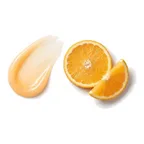 Citrus Aurantium Dulcis Fruit Extract
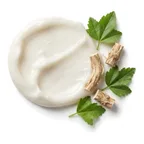 Althaea Officinalis Root Extract Marshmallow Root Extract
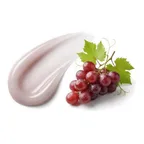 Vitis Vinifera Seed Extract Grape Seed Extract
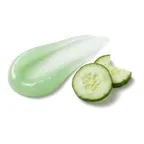 Cucumis Sativus Fruit Extract
Average
- HighCombination Skin Fit
- AverageEffectiveness
- HighSafety
Works for acne-prone skin; other cleansing toners fit it better.
This fit is calculated for the concerns frequently associated with acne-prone skin: breakouts, blackheads, and post-acne marks. For scores and recommendations based on your full skin profile, including your 12D face scan results and any goals or preferences you have, please use the Lovi app.
Updated How the Fit score works
Lovi Assistant explains
- Offers moderate cleansing for your combination skin due to salicylic acid and willow bark extract, which help decongest pores and regulate sebum.
- While it provides general skincare benefits, it lacks specialized ingredients to directly target your acne, blemishes, and breakouts.
- The formula is safe for your combination skin, as it contains no harsh or prohibited ingredients that would cause irritation.
How to apply
- Could be used as part of your AM and PM routine. Start using the cleansing toner 3 times a week and move to daily use if your skin tolerates it well.
- Apply the cleansing toner after cleansing and before your moisturizer or SPF.
- Gently press 2-3 drops of the cleansing toner into your skin and let it absorb for a minute before layering other products.
- Apply the cleansing toner on dry skin since your skin is not sensitive and you want to target blemishes.
- Avoid the eye area and do a patch test before first use to ensure your skin feels comfortable.
People Say
★4.7Overall rating based on 1.3k+ reviewsBased on a very large amount of data, this toner is highly praised for its gentle, non-stripping formula, effectively balancing skin, reducing excess oil, and clearing breakouts without causing irritation. It is particularly beneficial for sensitive, acne-prone, or combination skin types, leaving the skin feeling refreshed and clean. Some users find the price to be high and results to be subtle and slow, with it not being the best option for severe acne.
Highlights
Gentle on skin Mostly Mentioned
- “Super gentle on my sensitive skin”
- “Doesn't irritate my face”
- “Never irritates my skin even with consistent use”
Controls oil Often Mentioned
- “Keeps all the oil off my skin”
- “Controls the oiliness”
- “Leaves skin feeling less oily”
Reduces acne Often Mentioned
- “Helps clear up my acne”
- “Truly transformed my skin”
- “Helps reduce breakouts”
Refreshing feel Sometimes Noted
- “Makes my skin feel clean and refreshed”
- “Invigorating”
- “Noticeably smooth and clean”
High price Sometimes Noted
- “Expensive, yes”
- “Price may be hard to justify”
- “Not cheap”
Not for severe acne Rarely Noted
- “Not a strong exfoliant for severe acne”
- “Won't deliver dramatic results alone for cystic acne”
Slow results Rarely Noted
- “Works slowly and subtly”
- “Won't deliver dramatic results alone”
- “Requires patience”
Sources: lovi.care, dermstore.com, skintruth.com, lovelyskin.com, koreancosmetics.cy, derbytelegraph.co.uk, and more
Questions and answers
How well does Epionce Purifying Toner work for acne-prone skin?
Epionce Purifying Toner works moderately well for acne-prone skin because salicylic acid and willow bark extract help clear pores and control oil. However, it lacks specialized ingredients to directly target breakouts. Acne-prone skin needs products with powerful blemish-fighting ingredients and soothing plant extracts that calm irritation while effectively managing blemishes.
Journal of Cosmetic Dermatology, 2019BioMed Research International, 2020
Which ingredients make this toner a good fit for acne-prone skin?
This toner fits acne-prone skin because it contains salicylic acid and willow bark extract, which help clear out pores and manage oil. However, this product needs specialized ingredients that directly target breakouts and blemishes to be a top fit for this skin type.
BioMed Research International, 2020Journal of Cosmetic Dermatology, 2019
What does Salicylic Acid do for acne-prone skin?
Salicylic acid helps clear acne-prone skin by reducing both inflamed and non-inflamed breakouts while calming redness. It works by diving deep into pores to dissolve excess oil and dead skin cells, which helps prevent future breakouts and keeps skin looking smooth.
Journal of Cosmetic Dermatology, 2024BioMed Research International, 2020
What does Orange Fruit Extract do for acne-prone skin?
Orange fruit extract helps keep acne-prone skin calm and clear by fighting the bacteria that cause breakouts and reducing swelling. It is unlikely to cause irritation and may help soothe redness when used regularly in your routine.
Where does this toner go in a skincare routine for acne-prone skin?
This toner goes in the evening routine after your cleanser and before your treatment and moisturizer. Because this type of product has an average fit for acne-prone skin, it works well for general cleansing, but this skin type needs targeted ingredients like niacinamide or specialized blemish-fighting agents to properly manage breakouts.
Can I use this toner with retinol, and in what order?
You can use this cleansing toner in your evening routine before your retinol treatment, as its gentle formula is unlikely to cause irritation. However, because it lacks specialized blemish-fighting ingredients, acne-prone skin needs products containing soothing agents like ceramides or targeted treatments to effectively manage breakouts.
How often should I use this toner?
Start by using this toner once a week, and if your skin feels comfortable and you see good results, you can carefully use it more often. A product of this type needs specialized ingredients to directly target breakouts for acne-prone skin.
Can this toner clog pores, cause breakouts or purging for acne-prone skin?
This toner is unlikely to clog pores because it has salicylic acid and willow bark extract to help keep pores clear, though it lacks specialized ingredients to directly tackle stubborn breakouts. A toner for this skin needs targeted blemish-fighting ingredients and oil-balancing agents to properly manage acne.
Journal of Cosmetic Dermatology, 2019Journal of Cosmetic Dermatology, 2024
What the research says
A botanical face cleanser with hops and willow bark extract continuously reduced skin sebum levels without reactive seborrhea after treatment in 21 healthy volunteers compared to a sodium laureth sulfate cleanser, with neither cleanser causing skin irritation.
Journal of Cosmetic Dermatology, 2019A novel emulsion containing niacinamide, lens esculenta seed extract, and white willow bark extract effectively improved acne, blackheads, and conspicuous facial pores in 30 subjects with oily skin.
Journal of Cosmetic Dermatology, 2024A moisturizer containing licochalcone A, 1,2-decanediol, L-carnitine, and salicylic acid significantly reduced noninflammatory, inflammatory, and total acne lesion counts compared to a vehicle control in Thai patients during a 12-week maintenance phase.
BioMed Research International, 2020Topical application of a water-in-oil emulsion containing 2% Muscat hamburg grape seed extract significantly improved melanin, elasticity, and sebum content compared to a placebo in human volunteers over 8 weeks, with no reported skin hypersensitivity.
International Journal of Cosmetic Science, 2015Treatment with 2% supramolecular salicylic acid hydrogel resulted in a regression and markedly improvement rate of 51.01% compared to 43.10% for Adapaline gel in patients with mild to moderate facial acne vulgaris, showing no significant difference in efficacy.
Journal of Cosmetic Dermatology, 2024Topical 5% benzoyl peroxide plus salicylic acid achieved the greatest lesion reduction at early 2 to 4 week time points compared to benzoyl peroxide, clindamycin, and combination benzoyl peroxide/clindamycin, while 5% benzoyl peroxide plus salicylic acid and combination benzoyl peroxide/clindamycin showed similar efficacy at 10 to 12 weeks in acne patients.
Journal of the American Academy of Dermatology, 2010Post-peel application of either topical tretinoin (0.25%) or retinol (0.25%) after a 30% salicylic acid peel effectively improves signs of photodamage compared to baseline in female subjects, with tretinoin performing slightly better than retinol in texture, roughness, and overall appearance at week 4.
Journal of Drugs in Dermatology, 2016Topically applied standardized red orange extract demonstrates strong in vitro antioxidant activity and efficiently protects against UVB-induced skin erythema in healthy human volunteers compared to tocopherol.
International Journal of Cosmetic Science, 1998A standardized red orange extract counteracts UVB-induced inflammatory and apoptotic responses in human keratinocytes by blocking oxidative stress-related events.
BioFactors, 2007Addition of a red orange complex induced a dose-dependent inhibition of ICAM-1 expression and MCP-1 and IL-8 release in human keratinocyte cells NCTC 2544 treated with interferon-gamma and histamine.
Phytotherapy Research, 2010An extract of Althaea officinalis L. inhibits endothelin-1-induced melanocyte activation by suppressing calcium mobilization and MAPK activation, and reduces endothelin-1 secretion from keratinocytes.
Biological & Pharmaceutical Bulletin, 2002Oligomeric proanthocyanidin topical cream and lotion significantly reduced UV-induced erythema by 45.9% and 53.1% respectively and increased skin hydration by nearly 20% in human subjects, with dietary supplementation providing additional suppression of erythema and higher skin hydration.
Skin Pharmacology and Physiology, 2007Topical application of oligomeric proanthocyanidins cream immediately after UV exposure significantly decreased UV-induced ultra-weak photon emission by approximately 30% and reduced skin sensitization in 25 healthy female subjects compared to untreated skin.
Journal of Photochemistry and Photobiology. B, Biology, 2010Sea buckthorn proanthocyanidins protected human skin fibroblasts against hydrogen peroxide-induced oxidative stress by enhancing antioxidant enzyme activities, promoting collagen synthesis via the TGF-beta1/Smads pathway, and inhibiting collagen degradation through the MMPs/TIMPs system.
Antioxidants, 2022Transgenic cucumber expressing poly-γ-glutamic acid synthesis genes increased water content by 6-14%, reduced water loss by 11-12%, decreased facial wrinkles and roughness by 19.58% and 24.97%, decreased skin melanin by 5.27%, and improved facial elasticity in human skin and zebrafish compared to controls.
International Journal of Biological Macromolecules, 2024A low molecular weight sea cucumber extract protects skin cells from oxidative DNA damage and mitochondrial degradation, promotes cell migration, and regulates pathways associated with ribosomal function, glycolysis, and protein processing under oxidative stress conditions.
Biomedicine & Pharmacotherapy = Biomedecine & Pharmacotherapie, 2024Copper Oxide nanoparticles synthesized using cucumber extract exhibited antibacterial, antifungal, UV protection, and reactive-oxygen species inhibition properties with low cellular toxicity and skin-rejuvenating effects when incorporated into skin cream.
Endocrine, Metabolic & Immune Disorders Drug Targets, 2021
Why other cleansing toners fit acne-prone skin better
Chemical peels using 35% glycolic acid, 20% salicylic-10% mandelic acid, and phytic acid reduce acne scores by 70.55%, 74.14%, and 69.7% respectively, and significantly decline the postacne hyperpigmentation index in Asian patients with mild to moderate acne.
Journal of Cutaneous and Aesthetic Surgery, 2019Co-delivery of paeonol and madecassoside via nanoemulsions improved transdermal delivery, promoted barrier repair proteins, inhibited inflammatory cytokine secretion in cellular and 3D models, and reduced transepidermal water loss and acne in human facial skin compared to free components.
Molecules, 2023Water chestnut extract reduced intracellular reactive oxygen species, inhibited lipopolysaccharide-induced nitric oxide production, suppressed inflammatory cytokine secretion, and reduced sodium lauryl sulfate-induced skin erythema while improving barrier regeneration.
Biomolecules & Therapeutics, 2015
Ingredients
Water, Alcohol Denat, Butylene Glycol, Althaea Officinalis Root Extract Marshmallow Root Extract, Citrus Aurantium Dulcis Fruit Extract, Cucumis Sativus Fruit Extract, Disodium Edta, Glycerin, Lavandula Angustifolia Flower Extract Lavender Flower Extract, Limonene, Linalool, Menthol, Peg-40 Hydrogenated Castor Oil, Salicylic Acid, Willow Bark Extract, Triethanolamine, Vitis Vinifera Seed Extract Grape Seed Extract, Blue 1
Behind this fit score
Lovi calculates every fit score from the full ingredient list with brand-independent rules our dermatologists and cosmetic chemists build and review, and personalizes every pick with AI trained on the real results of millions of users. Lovi trains its fit score models on a proprietary dataset built from more than 10,000 expert-labeled products and more than 100,000 simulated examples, following an internally consistent methodology presented at Cosmoprof, AMWC, and Skin of Color Update.
-

Co-founder, Medical Director
Cosmetic chemist, cosmetologist, aesthetic products developer
-

Co-founder, CEO and CTO
PhD in computer science, 3x US patent holder, ex-Google, ex-Yandex
-

Dr. Sofía Perea Pérez, MD, MSc
Medical Board
Aesthetic medicine practitioner, MSc in Longevity and Anti-Aging Medicine
-

Medical Board
Specialist dermatologist, MBBS, MD, IFAAD
-

Medical Board
Cosmetic chemist, SCS, IFSCC member
-

Medical Board, Medical Advisor
Dermatology MD
-

Elina Nazarenko, MD
Medical Board
Dermatology and diagnostic consultant
-

Victoria Derkova, MS
Medical Board
Cosmetic chemist, cosmetic development technologist


How does it fit your skin?
Scan your face, then any product: Lovi shows how well it fits you and what fits even better.