
Embryolisse Lait-Crème Sensitive for acne-prone skin

 Aloe Barbadensis
 Shea Butter
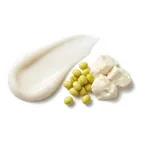 Protein
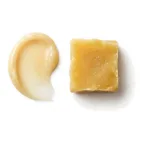 Beeswax
 Glycerin
Average
- AverageCombination Skin Fit
- AverageEffectiveness
- HighSafety
Works for acne-prone skin; other moisturizers fit it better.
This fit is calculated for the concerns frequently associated with acne-prone skin: breakouts, blackheads, and post-acne marks. For scores and recommendations based on your full skin profile, including your 12D face scan results and any goals or preferences you have, please use the Lovi app.
Updated How the Fit score works
Lovi Assistant explains
- Offers moderate suitability for your combination skin, as glycerin and shea butter provide excellent moisturization and barrier support, but it lacks sufficient ingredients for optimal oil control on your oily areas.
- The presence of aloe barbadensis leaf extract offers soothing and moisturizing effects beneficial for your acne, blemishes, and breakouts.
- The safety profile is excellent, with no risks of irritation due to the absence of prohibited or harsh ingredients for your combination skin.
Buy online

Prices checked 20 Nov 2026
The Lovi Fit is the same in every country; only the stores and prices differ, and the ones here are for Europe.
How to apply
- Use your moisturizer twice a day in your AM and PM routines. Apply it daily to help keep breakouts under control.
- Apply after your cleanser and toner, and make sure to use your SPF right after in the morning.
- Gently spread a small amount of moisturizer over your face using soft motions. Let it absorb into the skin for a minute before getting dressed or applying makeup.
- Apply on slightly damp skin to help lock in extra moisture. This keeps your combination skin balanced without feeling heavy.
- Avoid the eye area and do a patch test before your first use. Stop using if you feel any irritation.
People Say
★4.4Overall rating based on 100+ reviewsUsers with sensitive, dry, and reactive skin frequently praise this fragrance-free moisturizer for its soothing, non-irritating hydration and its ability to create a smooth, glowing base for makeup. A moderate number of users appreciate the gentler formula, though some find the texture unexpectedly runny. A few users reported breakouts or disliked the natural scent.
Highlights
Soothing for sensitive skin Mostly Mentioned
- “Non-irritating”
- “Calms redness”
- “No stinging”
- “Gentle formula”
Excellent makeup base Often Mentioned
- “Great under makeup”
- “Makeup sits well”
- “Smooth canvas”
- “Glowy base”
Fragrance-free Often Mentioned
- “No strong scent”
- “Great for allergies”
- “Scent-free”
- “Good for reactive skin”
Lightweight hydration Often Mentioned
- “Absorbs quickly”
- “Non-greasy”
- “Light texture”
- “Silky feel”
Versatile multi-use Sometimes Noted
- “Use as mask”
- “Good for baby”
- “Makeup remover”
- “After-shave”
Runny texture Sometimes Noted
- “Too watery”
- “Thinner than original”
- “Liquid consistency”
- “Spills out”
Caused breakouts Rarely Noted
- “Blind pimples”
- “Cystic acne”
- “Clogged pores”
- “Caused bumps”
Insufficient moisture Rarely Noted
- “Not rich enough”
- “Skin felt tight”
- “Dryness returned”
- “Not for winter”
Price vs quantity Rarely Noted
- “Expensive for amount”
- “Small tube”
- “Pricey”
- “Used up quickly”
Unpleasant scent Rarely Noted
- “Smells like wet dog”
- “Bad skincare smell”
- “Medicinal scent”
- “Stale odor”
Sources: lovi.care, dermstore.com, lovelyskin.com, lookfantastic.com, hometesterclub.com, ozhairandbeauty.com, and more
Questions and answers
How well does Embryolisse Lait-Crème Sensitive work for acne-prone skin?
Embryolisse Lait-Crème Sensitive works reasonably well for acne-prone skin, as glycerin and shea butter provide good moisture while aloe helps calm breakouts with little risk of irritation. However, it lacks enough ingredients for proper oil control on oily areas. A moisturizer of this type needs powerful ingredients that target blemishes, control oil, and support hydration without causing irritation.
Clinical Pharmacology, 2018Clinical, Cosmetic and Investigational Dermatology, 2017
Which ingredients make this cream a good fit for acne-prone skin?
Aloe barbadensis leaf extract helps calm blemishes and breakouts, while glycerin and shea butter provide moisture and support the skin barrier without causing irritation. Acne-prone skin needs a moisturizer with ingredients that target breakouts and control oil while keeping skin calm and balanced.
Clinical Pharmacology, 2018Clinical, Cosmetic and Investigational Dermatology, 2017
What does Aloe Vera do for acne-prone skin?
Aloe vera helps calm acne-prone skin by reducing redness, swelling, and breakouts. It works well to make blemishes less angry and helps skin feel smoother and clearer.
Clinical Pharmacology, 2018The Journal of Dermatological Treatment, 2014
What does Shea Butter do for acne-prone skin?
Shea butter helps protect and soothe dry or irritated skin while keeping it soft and smooth. Because it is rich and heavy, a product with shea butter needs to be carefully chosen for acne-prone skin to avoid clogging pores, and it works best when paired with lightweight, oil-free hydrators.
Where does this cream go in a skincare routine for acne-prone skin?
This moisturizer goes after your hydrating toner and before your sunscreen in the morning, and as the final step in the evening. It provides good hydration and barrier support, though acne-prone skin also needs ingredients for oil control.
The Journal of Dermatological Treatment, 2022Clinical, Cosmetic and Investigational Dermatology, 2017
Can I use this cream with retinol, and in what order?
How often should I use this cream?
You can use this cream twice a day as part of your morning and evening routine to keep your skin hydrated and calm. Daily application helps support your skin barrier and improves overall moisture without causing irritation. For acne-prone skin, a moisturizer of this type also needs ingredients that help control oil and balance shine.
Journal of Cosmetic Dermatology, 2020Health Science Reports, 2021
Can this cream clog pores, cause breakouts or purging for acne-prone skin?
This cream is unlikely to cause irritation or breakouts on your acne-prone skin, as it has a very safe formula without harsh ingredients, though a few reviewers have experienced breakouts. Glycerin and shea butter help keep your skin soft and calm, but acne-prone skin also needs ingredients for oil control to get the best fit.
Can I use this cream around the eyes or on my body?
You can use this moisturizer around your eyes and on your body, as its safe formula and nourishing ingredients like glycerin and shea butter provide great comfort for thin skin. Because this type of product has an average fit for acne-prone skin, it works well enough, but this skin needs extra oil-controlling ingredients for the best results.
Surgical and Radiologic Anatomy, 2002Clinical, Cosmetic and Investigational Dermatology, 2017
Is this cream fragrance-free and alcohol-free?
Yes, it has no fragrance and no drying alcohol. Cetearyl alcohol is a fatty alcohol, which soften the skin.
What the research says
A single application of a moisturizing fluid containing hyaluronic acid 1%, glycerin 5%, and Centella asiatica stem cells extract significantly increased skin hydration by 29% and reduced transepidermal water loss at 24 hours compared to baseline and an untreated control site in twenty healthy women.
Clinical, Cosmetic and Investigational Dermatology, 2017A cream combining propolis, tea tree oil, and Aloe vera reduced erythema scars, acne severity index, and total lesion count better than erythromycin cream in sixty patients with mild to moderate acne vulgaris compared to placebo.
Clinical Pharmacology, 2018A mixture of Aloe gel and Aloe vera flower synergistically induced the proliferation, migration, and extracellular matrix formation of normal human dermal fibroblast cells and induced HaCaT cell migration while suppressing inflammatory cytokines by enhancing the expression of MFAP4 and associated signaling pathways.
Journal of Ethnopharmacology, 2022Formulations containing 0.10%, 0.25%, and 0.50% freeze-dried Aloe vera extract increased stratum corneum water content compared with the vehicle in 20 female subjects, while transepidermal water loss was not modified.
Skin Research and Technology, 2006Kombucha-mediated fermentation of aloe vera gel for 10 and 20 days enhanced its phenolic and flavonoid content, antioxidant capacity, cytoprotective effects, enzyme inhibition against collagenase, elastase, and hyaluronidase, and moisturizing properties compared to unfermented gel.
Molecules, 2025Aloe vera gel phenolic and polysaccharide extracts demonstrated distinct wound-healing properties in vitro, with the phenolic extract exhibiting anti-inflammatory, antioxidant, and fibroblast-stimulating effects, and the polysaccharide extract showing enhanced collagen synthesis and antibacterial activity against Staphylococcus aureus.
Journal of Functional Biomaterials, 2024A skin barrier restoring cream with shea butter, silkflo, and vitamin E increased type I procollagen synthesis, enhanced antioxidant enzyme activity, decreased reactive oxygen species generation, and promoted hyaluronic acid production in H2O2-stimulated human keratinocyte cells compared to untreated cells.
International Journal of Cosmetic Science, 2025Topical application of TAC/Collagen postbiotics gel improved skin moisture score and inflammation index, and reduced porphyrins and brown spots in 20 volunteers with acne vulgaris.
Journal of Cosmetic Dermatology, 2022Topical collagen tripeptide application improved skin wrinkles, elasticity, and density while reducing advanced glycated end products in 22 Asian women over 4 weeks.
International Journal of Molecular Sciences, 2022Marine collagen extracted from Greenland halibut skin showed a non-cytotoxic effect on fibroblast cells and provided a slight skin hydration effect when incorporated into cosmetic hydrogel formulations at dosages of 0.1, 0.25, and 0.5% in 23 healthy volunteers.
Marine Drugs, 2023A prototype body cream containing bee venom, propolis, honey, beeswax, and royal jelly demonstrated stability for 90 days, high antioxidant capacity of 85.45%, lack of cytotoxicity with over 70% cell viability, and no irritation or allergic reaction in dermatological analysis, while improving skin parameters in a panel test.
Journal of Cosmetic Dermatology, 2022MUD1 protected human dermal fibroblasts against AAPH-induced oxidative stress by increasing cell viability, reducing oxidative damage, improving mitochondrial functionality, and enhancing wound healing capacities.
International Journal of Molecular Sciences, 2018An antiaggregation transdermal delivery tool composed of beeswax and hyaluronic acid successfully delivered cell membrane-coated nanoparticles to a depth of over 500 ̵m into skin tissue without aggregation or systemic toxicity.
ACS Nano, 2025The emollient V0034CR significantly reduced TEWL compared to vehicle and vehicle plus glycerol, and significantly increased corneometry scores compared to vehicle and vehicle plus petrolatum in healthy volunteers with dry skin, demonstrating combined barrier function improvement from petrolatum and hydration improvement from glycerol.
Journal of Cosmetic Dermatology, 2020Ten days of treatment with a cream containing 20% glycerin significantly increased skin hydration measured by corneometer values in 17 healthy volunteers compared to a placebo cream, but showed no influence on transepidermal water loss or skin sensitivity to an irritating surfactant.
International Journal of Cosmetic Science, 2001Niacinamide/glycerin body moisturizers provided better rapid and prolonged improvement of cosmetic xerosis through functional improvement of stratum corneum barrier function compared to no treatment and conventional moisturizers in female subjects.
Journal of Drugs in Dermatology, 2012
Why other moisturizers fit acne-prone skin better
Co-delivery of paeonol and madecassoside via nanoemulsions improved transdermal delivery, promoted barrier repair proteins, inhibited inflammatory cytokine secretion in cellular and 3D models, and reduced transepidermal water loss and acne in human facial skin compared to free components.
Molecules, 2023
Ingredients
Water, Caprylic Capric Triglyceride, Glycerin, Octyldodecanol, Cetearyl Alcohol, Butyrospermum Parkii Butter Shea Butter, Alba Cera Beeswax Cera, Cetyl Phosphate, 1,2-Hexanediol, Caprylyl Glycol, Acrylates C10-30 Alkyl Acrylate Crosspolymer, Sodium Hydroxide, Propylene Glycol, Tocopherol, Tropolone, Glycine Soja Oil Soybean Oil, Hydrolyzed Soy Protein, Aloe Barbadensis Leaf Extract
Behind this fit score
Lovi calculates every fit score from the full ingredient list with brand-independent rules our dermatologists and cosmetic chemists build and review, and personalizes every pick with AI trained on the real results of millions of users. Lovi trains its fit score models on a proprietary dataset built from more than 10,000 expert-labeled products and more than 100,000 simulated examples, following an internally consistent methodology presented at Cosmoprof, AMWC, and Skin of Color Update.
-

Co-founder, Medical Director
Cosmetic chemist, cosmetologist, aesthetic products developer
-

Co-founder, CEO and CTO
PhD in computer science, 3x US patent holder, ex-Google, ex-Yandex
-

Dr. Sofía Perea Pérez, MD, MSc
Medical Board
Aesthetic medicine practitioner, MSc in Longevity and Anti-Aging Medicine
-

Medical Board
Specialist dermatologist, MBBS, MD, IFAAD
-

Medical Board
Cosmetic chemist, SCS, IFSCC member
-

Medical Board, Medical Advisor
Dermatology MD
-

Elina Nazarenko, MD
Medical Board
Dermatology and diagnostic consultant
-

Victoria Derkova, MS
Medical Board
Cosmetic chemist, cosmetic development technologist


How does it fit your skin?
Scan your face, then any product: Lovi shows how well it fits you and what fits even better.