
Dr Sebagh Sun & City Protection SPF 50+ for dry skin

 Zinc Oxide
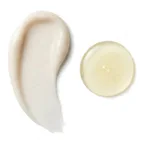 Ethylhexyl Methoxycinnamate
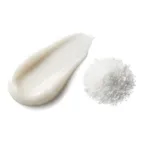 Diethylamino Hydroxybenzoyl Hexyl Benzoate
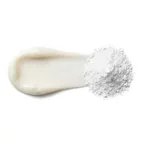 Titanium Dioxide
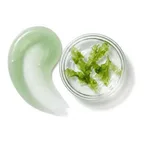 Hydrolyzed Algae Extract
Superior
- SuperiorDry Skin Fit
- SuperiorEffectiveness
- ExcellentSafety
One of the best sunscreens for dry skin.
This fit is calculated for the concerns frequently associated with dry skin: flakiness, tightness, dehydration, fine lines, and wrinkles. For scores and recommendations based on your full skin profile, including your 12D face scan results and any goals or preferences you have, please use the Lovi app.
Updated How the Fit score works
Lovi Assistant explains
- Excellent suitability for your dry skin is provided by Glycerin and Oleic Linoleic Linolenic Polyglycerides, which offer superior humectant and emollient actions to combat dryness and flakiness. Biosaccharide Gum-4 and Cucumis Melo Fruit Extract further enhance skin hydration and soothing, ensuring comfort for your dry skin.
- The broad-spectrum UV protection from high concentrations of zinc oxide and titanium dioxide ensures your skin is shielded from sun damage, complementing the hydrating benefits.
- This formula is safe for your skin, containing no harsh ingredients and featuring soothing components that prevent irritation.
How to apply
- Apply this sunscreen during your AM routine every morning. Reapply every two hours when exposed to the sun.
- Apply the sunscreen as the final step in your morning routine after your moisturizer.
- Gently smooth a nickel-sized amount over your face and neck, avoiding harsh rubbing.
- Apply the sunscreen on clean, dry skin to ensure even protection and absorption.
- Avoid the immediate eye area and do a patch test before first use.
People Say
★4.5Overall rating based on 100+ reviewsBased on limited data, this product is highly regarded as a breakthrough multi-protection sunscreen suitable for city environments, offering defense against UV rays, pollution, and blue light. Users with oily and combination skin types particularly appreciate its lightweight, non-greasy formula that provides a matte finish and works well as a makeup primer without typical high SPF stickiness.
Highlights
Lightweight texture Mostly Mentioned
Comprehensive protection Often Mentioned
Matte finish Often Mentioned
Good makeup base Sometimes Noted
No white cast Sometimes Noted
High price point Sometimes Noted
Availability issues Rarely Noted
Chemical filters Rarely Noted
Scent concerns Rarely Noted
Sources: lovi.care, spacenk.com, selfridges.com, libertylondon.com, editorialist.com, wimj.com, and more
Questions and answers
What makes Dr Sebagh Sun & City Protection SPF 50+ one of the best fits for dry skin?
This sunscreen is one of the best fits for dry skin because it uses glycerin and special oils to deeply moisturize and stop flakiness. It also includes soothing melon extract and algae to boost hydration and comfort. Plus, high levels of zinc oxide and titanium dioxide shield your skin from the sun without causing irritation.
Which ingredients make this cream a good fit for dry skin?
Glycerin, oleic linoleic linolenic polyglycerides, biosaccharide gum-4, and cucumis melo fruit extract make this cream a great fit for dry skin by helping to combat dryness, flakiness, and soothe irritation. Zinc oxide and titanium dioxide further shield your skin from sun damage while keeping it comfortable.
Natural Product Research, 2026Clinical, Cosmetic and Investigational Dermatology, 2017
What does Zinc Oxide do for dry skin?
Zinc oxide helps soothe dry skin by calming irritation and supporting the skin barrier to keep moisture locked in. When used in gentle creams, it is unlikely to cause irritation and safely keeps dry patches feeling calm and soft.
Journal of the Medical Association of Thailand = Chotmaihet Thangphaet, 2006
What does Octinoxate do for dry skin?
Octinoxate provides sun protection by absorbing ultraviolet rays, but because it does not moisturize, it is unlikely to help dry skin on its own. For dry skin, a product of this type needs added hydrating ingredients and rich emollients to keep the skin soft and smooth while protecting it from the sun.
Journal of Cosmetic Science, 2008International Journal of Pharmaceutics, 2015
Where does this cream go in a skincare routine for dry skin?
This cream goes last in your morning routine, right after your moisturizer. It shields your skin from the sun while helping keep it soft and comfortable all day.
The Journal of Dermatological Treatment, 2022Clinical, Cosmetic and Investigational Dermatology, 2017
Can I use this cream with retinol, and in what order?
You can use this cream in the morning after applying your retinol and moisturizer, as it provides high sun protection while keeping dry skin comfortable and hydrated. This formula is unlikely to irritate your skin because it features soothing components and lacks harsh ingredients.
Natural Product Research, 2026Clinical, Cosmetic and Investigational Dermatology, 2017
How often should I use this cream?
Apply this sunscreen every morning as the final step in your daytime routine, and reapply as needed throughout the day when exposed to the sun. Glycerin and other soothing ingredients help keep dry skin comfortable and hydrated while shielding it from UV damage.
Can this cream clog pores, cause breakouts or purging for dry skin?
This cream is unlikely to clog pores or cause breakouts for dry skin, as it contains no harsh ingredients and features soothing components that prevent irritation. Its gentle formula works well with dry skin to provide hydration and sun protection without heavy buildup.
Is this cream fragrance-free and alcohol-free?
Yes, it has no fragrance and no drying alcohol.
What the research says
A single application of 1.0 and 5.0% w/v Cucumis melo polysaccharide extract solutions showed significantly greater short-term skin hydrating efficacy than the benchmark in 20 volunteers.
Natural Product Research, 2026A single application of a moisturizing fluid containing hyaluronic acid 1%, glycerin 5%, and Centella asiatica stem cells extract significantly increased skin hydration by 29% and reduced transepidermal water loss at 24 hours compared to baseline and an untreated control site in twenty healthy women.
Clinical, Cosmetic and Investigational Dermatology, 2017Replacing microsized titanium dioxide and zinc oxide with nanoparticles in sunscreens eliminates opaqueness and alters UV protection balance while inducing (photo)cyto- and genotoxicity and penetrating viable skin layers during long-term exposures.
Nanotechnology, Science and Applications, 2011Topical 0.5% hyaluronic-ZnO nanogel applied twice daily reduced inflammatory-lesion counts by 58% at week four in human subjects compared to baseline without causing erythema.
Biomedicines, 2025Daily use of a deep cleansing gel containing salicylic acid 2%, zinc gluconate 0.2% and lipohydroxy acid 0.05% significantly reduced total lesion count by 56.3% after 84 days in 35 subjects with mild to moderate truncal acne.
Clinical, Cosmetic and Investigational Dermatology, 2023Topical zinc oxide nanogels formulated using Dendrobium anosmum showed greater effectiveness against Gram-positive acne-causing bacteria compared to chemogenic nanoparticles.
Molecules, 2023Encapsulation of ethylhexyl methoxycinnamate and butyl methoxydibenzoylmethane in lipid microparticles significantly reduced their in vivo human skin penetration compared to nonencapsulated filters.
Skin Pharmacology and Physiology, 2011Replacing 20% of the chemical UV filter octyl methoxycinnamate with urucum oil in solid lipid nanoparticles maintained the skin protection factor without inducing toxic responses or significant skin penetration in human volunteers.
Skin Pharmacology and Physiology, 2018The application of a sunscreen formulation containing ethylhexyl methoxycinnamate, ethylhexyl salicylate, methyl anthranilate, and octocrylene does not significantly affect critical acne-related species such as Cutibacterium acnes and Staphylococcus epidermidis, refuting the induction of facial dysbiosis in men.
Archives of Dermatological Research, 2024Oral and dermal administration of Uvinul A plus resulted in three major urinary metabolites accounting for 52% of the oral dose, with a very low estimated daily systemic exposure of 8.1-9.3 μg/d in volunteers not intentionally exposed.
International Journal of Hygiene and Environmental Health, 2020Microfine titanium dioxide does not penetrate human skin when formulated in an oil-in-water emulsion with the pigment dispersed in the aqueous phase, compared to oily dispersions and liposomal encapsulation which allow deeper skin penetration.
International Journal of Cosmetic Science, 2000Hyaluronic acid-grafted titanium dioxide nanoparticles increased SPF from 13.3 to 19.1 while demonstrating low photocatalytic activity, exceptional thermal stability with >95% SPF retention, enhanced moisturization with >80% hydration retention, and minimal cytotoxicity with 88.5% cell viability in HaCaT keratinocytes compared to unmodified nanoparticles.
International Journal of Biological Macromolecules, 2025Co-exposure to titanium dioxide nanoparticles exerted an antagonistic effect on zinc oxide nanoparticle-induced cytotoxicity and DNA damage in human keratinocytes and a reconstructed human epidermis model by restricting cellular uptake and decreasing zinc ion dissociation.
Nanomaterials, 2022
Ingredients
Water, Zinc Oxide, Caprylic Capric Triglyceride, Ethylhexyl Methoxycinnamate, C12-15 Alkyl Benzoate, Diethylamino Hydroxybenzoyl Hexyl Benzoate, Octocrylene, Titanium Dioxide, Lauryl Peg-9 Polydimethylsiloxyethyl Dimethicone, Methyl Methacrylate Crosspolymer, Glycerin, Oleic Linoleic Linolenic Polyglycerides, Dimethicone, Sodium Chloride, Sea Water, Phenoxyethanol, Alumina, Phenyl Trimethicone, Tocopheryl Acetate, Pentylene Glycol, Butylene Glycol, Stearalkonium Hectorite, Isostearic Acid, Lecithin, Polyglyceryl-3 Polyricinoleate, Polyhydroxystearic Acid, Chlorphenesin, Sodium Citrate, Caprylyl Glycol, Stearic Acid, Propylene Carbonate, Hydroxypropyltrimonium Maltodextrin Crosspolymer, Bht, Hydroxyphenyl Propamidobenzoic Acid, Hydrolyzed Algae Extract, Melanin, Biosaccharide Gum-4, Cucumis Melo Fruit Extract, Ascorbyl Palmitate, Tocopherol, Ethylhexylglycerin
Behind this fit score
Lovi calculates every fit score from the full ingredient list with brand-independent rules our dermatologists and cosmetic chemists build and review, and personalizes every pick with AI trained on the real results of millions of users. Lovi trains its fit score models on a proprietary dataset built from more than 10,000 expert-labeled products and more than 100,000 simulated examples, following an internally consistent methodology presented at Cosmoprof, AMWC, and Skin of Color Update.
-

Co-founder, Medical Director
Cosmetic chemist, cosmetologist, aesthetic products developer
-

Co-founder, CEO and CTO
PhD in computer science, 3x US patent holder, ex-Google, ex-Yandex
-

Dr. Sofía Perea Pérez, MD, MSc
Medical Board
Aesthetic medicine practitioner, MSc in Longevity and Anti-Aging Medicine
-

Medical Board
Specialist dermatologist, MBBS, MD, IFAAD
-

Medical Board
Cosmetic chemist, SCS, IFSCC member
-

Medical Board, Medical Advisor
Dermatology MD
-

Elina Nazarenko, MD
Medical Board
Dermatology and diagnostic consultant
-

Victoria Derkova, MS
Medical Board
Cosmetic chemist, cosmetic development technologist


How does it fit your skin?
Scan your face, then any product: Lovi shows how well it fits you and what fits even better.