
Dr. Dennis Gross C + Collagen Biocellulose Brightening Treatment Mask for oily acne-prone skin

 Ascorbic Acid
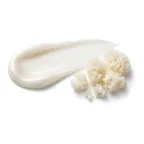 Collagen
 Niacinamide
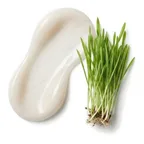 Superoxide Dismutase
High
- HighOily Skin Fit
- HighEffectiveness
- HighSafety
A great choice for oily acne-prone skin; a few nourishing masks fit it even better.
This fit is calculated for the concerns frequently associated with oily acne-prone skin: shine, breakouts, blemishes, and enlarged pores. For scores and recommendations based on your full skin profile, including your 12D face scan results and any goals or preferences you have, please use the Lovi app.
Updated How the Fit score works
Lovi Assistant explains
- Highly suitable for your oily skin, this product effectively addresses acne, blemishes, and breakouts with ascorbic acid and niacinamide, which offer antioxidant and anti-inflammatory benefits while helping to regulate sebum production.
- The formulation also provides excellent brightening and smoothing effects, enhancing your overall skin tone and texture.
- The safety profile is excellent, with no risks of irritation due to the absence of harsh ingredients and the inclusion of soothing components like niacinamide.
How to apply
- Use your sheet mask PM routine about 1-3 times a week to help with breakouts. Start slowly to see how your oily skin feels before using it more often.
- Put on your sheet mask after cleansing and toning, but before applying your final moisturizer. This helps your skin absorb all the good ingredients easily.
- Unfold the sheet mask and smooth it gently over your face without rubbing. Leave it on for ten to fifteen minutes ⏱ and gently pat any leftover essence into your skin.
- Apply the sheet mask directly onto clean and dry skin for the best results against blemishes. There is no need to wash your face again after removing the mask.
- Avoid getting the product into your eyes and always do a quick patch test before your very first use.
People Say
★4.6Overall rating based on 200+ reviewsUsers frequently report that this mask provides immediate hydration and a noticeable glow, making it ideal for revitalizing dull or dry skin. The biocellulose material is highly praised for its excellent fit. Some users find the packaging difficult to handle and the price point high for a single-use product.
Highlights
Instant radiance Mostly Mentioned
- “skin looked very radiant”
- “solid glowy sheet mask”
- “boosts radiance”
- “revives dull skin”
Deep hydration Often Mentioned
- “endlessly hydrated skin”
- “left my skin feeling hydrated plump”
- “skin felt so amazing”
- “moisturizing part immediately after”
Superior fit Often Mentioned
- “fits the face well”
- “hugs every single contour”
- “adheres to every contour”
- “fits closely around the complexion”
Effective ingredients Sometimes Noted
- “love the ingredients”
- “solid ingredients”
- “Vitamin C and Lactic Acid”
- “Niacinamide helps calm redness”
Difficult application Sometimes Noted
- “tricky to get on”
- “two mesh layers”
- “hard to separate”
- “wasteful packaging”
High price Sometimes Noted
- “overpriced”
- “thin for the price”
- “would repurchase on sale”
- “expensive for one use”
Low serum volume Rarely Noted
- “not much essence”
- “needed more serum”
- “little product on the mask”
- “feels dry”
Medicinal scent Rarely Noted
- “medicinal scent”
- “smells unpleasant”
- “scent is overwhelming”
- “smells like real Vitamin C”
Sources: lovi.care, sephora.com, drdennisgross.com, spacenk.com, dermstore.com, lovelyskin.com, and more
Questions and answers
What makes Dr. Dennis Gross C + Collagen Biocellulose Brightening Treatment Mask a great fit for oily acne-prone skin?
This mask is a great fit because ascorbic acid and niacinamide help calm breakouts and keep oil in check while brightening your skin. The gentle formula has a very safe profile that is unlikely to cause irritation on oily acne-prone skin.
The British Journal of Dermatology, 2002Journal of Cosmetic Dermatology, 2020
Which ingredients make this mask a good fit for oily acne-prone skin?
This nourishing mask is a great fit for your oily acne-prone skin because it contains ascorbic acid and niacinamide, which help calm breakouts and keep oil production balanced. These ingredients also brighten and smooth your skin while keeping the risk of irritation very low.
The British Journal of Dermatology, 2002Journal of Cosmetic Dermatology, 2020
What does Vitamin C do for oily acne-prone skin?
Vitamin C helps clear up oily acne-prone skin by reducing pimples and calming redness. It is a great choice for this skin type because it has a very safe profile and balances skin tone while fighting breakouts.
International Journal of Cosmetic Science, 2009Journal of Cosmetic Dermatology, 2010
What does Collagen do for oily acne-prone skin?
Collagen helps keep oily acne-prone skin calm and balanced by improving moisture while reducing redness, spots, and breakouts. Products of this type also need ingredients that clear pores and control extra shine to truly work for this skin type.
Journal of Cosmetic Dermatology, 2022Journal of Cosmetic Dermatology, 2021
Where does this mask go in a skincare routine for oily acne-prone skin?
This mask fits nicely into a weekly routine for oily acne-prone skin, following a cleanser and hydrating toner and coming before your moisturizer. It is unlikely to cause irritation and helps calm breakouts while brightening skin tone.
International Journal of Cosmetic Science, 2020The British Journal of Dermatology, 2002
Can I use this mask with retinol, and in what order?
You can use this mask alongside retinol by applying the mask first in your routine and following it with your retinol product on separate nights or spaced out to avoid irritation. This approach helps keep your skin calm while supporting your texture and tone goals.
How often should I use this mask?
This nourishing mask is a great fit for your oily acne-prone skin and is best used as a weekly treatment. It helps manage breakouts and smooth your skin tone without causing irritation.
Can this mask clog pores, cause breakouts or purging for oily acne-prone skin?
This mask is a great fit for oily acne-prone skin because it helps calm breakouts and balance oil with ingredients like ascorbic acid and niacinamide. It is unlikely to cause irritation, clogged pores, or breakouts due to its very safe formula without harsh ingredients.
What the research says
Niacinamide significantly decreased hyperpigmentation and increased skin lightness compared with vehicle alone after 4 weeks of use in women by inhibiting melanosome transfer.
The British Journal of Dermatology, 2002A topical serum containing vitamin C, vitamin E, and raspberry leaf cell culture extract improved skin color, elasticity, radiance, smoothness, scaliness, and wrinkles compared to the untreated contralateral side in fifty female volunteers.
Journal of Cosmetic Dermatology, 2020Topical treatment of nicotinamide, alone or in combination with other active ingredients, reduces the progression of skin aging and hyperpigmentation in clinical trials while being well tolerated.
Antioxidants, 2021Topical application of 5% vitamin C cream significantly improved global clinical scores, increased skin microrelief density, and induced elastic tissue repair in photoaged skin compared to excipient control in healthy female volunteers.
Experimental Dermatology, 2003Topical application of VC-IP cream twice daily for 8 weeks reduces periorbital wrinkles in female subjects compared to a placebo cream.
Journal of Cosmetic Dermatology, 2022Topical treatment with 5% vitamin C and 0.1% madecassoside significantly improved clinical scores for wrinkles, suppleness, firmness, roughness, and skin hydration, along with functional and structural remodeling of the elastic fiber network in 20 female volunteers with photoaged skin after 6 months compared to baseline.
Experimental Dermatology, 2008Topical application of TAC/Collagen postbiotics gel improved skin moisture score and inflammation index, and reduced porphyrins and brown spots in 20 volunteers with acne vulgaris.
Journal of Cosmetic Dermatology, 2022Topical collagen tripeptide application improved skin wrinkles, elasticity, and density while reducing advanced glycated end products in 22 Asian women over 4 weeks.
International Journal of Molecular Sciences, 2022Marine collagen extracted from Greenland halibut skin showed a non-cytotoxic effect on fibroblast cells and provided a slight skin hydration effect when incorporated into cosmetic hydrogel formulations at dosages of 0.1, 0.25, and 0.5% in 23 healthy volunteers.
Marine Drugs, 2023Topical nicotinamide prevented solar-simulated UV-induced immunosuppression in healthy volunteers, and men experienced immunosuppression at solar-simulated UV doses three times lower than those required for women.
The Journal of Investigative Dermatology, 2008Topical 5% niacinamide applied twice daily for 12 weeks reduced fine lines and wrinkles, hyperpigmented spots, red blotchiness, and skin sallowness, and improved skin elasticity compared to vehicle control in 50 female white subjects with facial photoaging.
Dermatologic Surgery, 2005Topical 2% niacinamide significantly decreased sebum excretion rate in Japanese individuals and casual sebum levels in Caucasian individuals compared to placebo or baseline.
Journal of Cosmetic and Laser Therapy, 2006Topical application of TAT-SOD significantly suppresses UVB-induced erythema formation, blood flow rise, and apoptotic sunburn cell formation in human volunteers compared to a vehicle control.
European Journal of Pharmaceutics and Biopharmaceutics, 2016Topical treatment with the synthetic SOD/catalase mimetic EUK-134 reduced lipid peroxide levels both at baseline on non-irradiated human skin and at the surface of UVA-exposed skin when applied before or after irradiation, compared to controls.
International Journal of Cosmetic Science, 2004Topical superoxide dismutase formulations maintained physical stability and enzymatic activity for 6 months at 4 and 30 degrees C, and effectively inhibited UVB-induced skin erythema for 48 hours, whereas formulations combined with alpha-tocopherol were unstable.
European Journal of Pharmaceutics and Biopharmaceutics, 2007
Ingredients
Water, Glycerin, Pentylene Glycol, Ascorbic Acid, Niacinamide, Collagen Amino Acids, Superoxide Dismutase, Ubiquinone, Ascophyllum Nodosum Extract, Lemon Fruit Extract, Leuconostoc Radish Root Ferment Filtrate, Citric Acid, Tetrasodium Glutamate Diacetate, Xanthan Gum, Polysorbate 20, Sodium Hydroxide, Bergamot Oil Fruit, Linalool, Citral, Limonene, Potassium Sorbate, Sodium Benzoate
Behind this fit score
Lovi calculates every fit score from the full ingredient list with brand-independent rules our dermatologists and cosmetic chemists build and review, and personalizes every pick with AI trained on the real results of millions of users. Lovi trains its fit score models on a proprietary dataset built from more than 10,000 expert-labeled products and more than 100,000 simulated examples, following an internally consistent methodology presented at Cosmoprof, AMWC, and Skin of Color Update.
-

Co-founder, Medical Director
Cosmetic chemist, cosmetologist, aesthetic products developer
-

Co-founder, CEO and CTO
PhD in computer science, 3x US patent holder, ex-Google, ex-Yandex
-

Dr. Sofía Perea Pérez, MD, MSc
Medical Board
Aesthetic medicine practitioner, MSc in Longevity and Anti-Aging Medicine
-

Medical Board
Specialist dermatologist, MBBS, MD, IFAAD
-

Medical Board
Cosmetic chemist, SCS, IFSCC member
-

Medical Board, Medical Advisor
Dermatology MD
-

Elina Nazarenko, MD
Medical Board
Dermatology and diagnostic consultant
-

Victoria Derkova, MS
Medical Board
Cosmetic chemist, cosmetic development technologist


How does it fit your skin?
Scan your face, then any product: Lovi shows how well it fits you and what fits even better.