
Dr. Dennis Gross Alpha Beta® Pore Perfecting Cleansing Gel for acne-prone skin

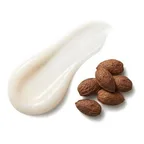 Mandelic Acid
 Glycolic Acid
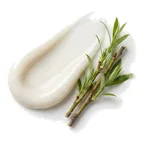 Willow Bark Extract
 Sodium Hyaluronate
 Aloe Barbadensis Leaf Juice
High
- HighCombination Skin Fit
- HighEffectiveness
- ExcellentSafety
A great choice for acne-prone skin; a few cleansers fit it even better.
This fit is calculated for the concerns frequently associated with acne-prone skin: breakouts, blackheads, and post-acne marks. For scores and recommendations based on your full skin profile, including your 12D face scan results and any goals or preferences you have, please use the Lovi app.
Updated How the Fit score works
Lovi Assistant explains
- This cleansing gel offers excellent exfoliation for your acne-prone combination skin, as mandelic acid and glycolic acid work to decongest pores and promote cell turnover. Willow bark extract further aids in seboregulation, balancing oil production without causing irritation.
- The formula is highly suitable for your skin type, with ingredients like Bisabolol and Camellia Sinensis Leaf Extract providing soothing benefits to counteract potential dryness.
- The safety profile is excellent, with no harsh ingredients and a focus on soothing components that minimize irritation risk for your skin.
How to apply
- Could be used as part of your AM and PM routine. Start using it 3 times a week and build up to daily use if your skin tolerates it.
- This cleanser is the first step in your morning routine and the second step after your pre-cleanser in the evening. Always follow up with a toner and moisturizer .
- Gently massage a small amount of the cleanser onto your face in circular motions. Avoid harsh rubbing to keep your skin calm.
- Apply the cleanser on slightly damp skin to help it work effectively against breakouts. Rinse thoroughly with lukewarm water .
- Avoid the immediate eye area and do a patch test before your first use to check for any sensitivity.
People Say
★4.4Overall rating based on 1.1k+ reviewsBased on a very large amount of data, this cleanser is highly praised for its deep cleansing abilities and pore refinement, leaving skin feeling soft and balanced, particularly for oily and combination skin types. Many users report smoother texture and reduced breakouts. However, a small number of users with sensitive or dry skin experienced irritation or purging, and some found the price point high for a cleanser.
Highlights
Deep clean Mostly Mentioned
- “leaves skin soft and supple”
- “cleans deep without drying”
- “face feels balanced”
Improves texture Often Mentioned
- “pores look smaller”
- “skin texture is smoother”
- “helped with blackheads”
- “glass skin effect”
Helps acne Sometimes Noted
- “cleared my cystic acne”
- “keeps breakouts at bay”
- “great for hormonal acne”
- “reduced blemishes”
Luxurious lather Sometimes Noted
- “lathers beautifully”
- “a little goes a long way”
- “feels silky on skin”
- “rich foam”
Expensive price Sometimes Noted
- “pricey for a cleanser”
- “too expensive to repurchase”
- “wish it was cheaper”
- “good but costly”
Can be drying Rarely Noted
- “dried out my skin”
- “left dry patches”
- “too strong for twice a day”
- “skin felt tight”
Caused breakouts Rarely Noted
- “gave me whiteheads”
- “caused a bad breakout”
- “skin reacted poorly”
- “too active for my sensitive skin”
Scent dislike Rarely Noted
- “smells like chemicals”
- “scent is off-putting”
- “weird smell”
- “fragrance is too strong”
Sources: lovi.care, sephora.com, drdennisgross.com, cultbeauty.com, lovelyskin.com, influenster.com, and more
Questions and answers
What makes Dr. Dennis Gross Alpha Beta Pore Perfecting Cleansing Gel a great fit for acne-prone skin?
This cleansing gel is a great fit because mandelic acid, glycolic acid, and willow bark extract clear out pores, balance oil, and encourage cell turnover without causing irritation. Soothing ingredients like bisabolol and green tea extract help keep your skin calm and comfortable.
Journal of Cosmetic Dermatology, 2019Journal of Cosmetic Dermatology, 2020
Which ingredients make this cleanser a good fit for acne-prone skin?
Mandelic acid, glycolic acid, and willow bark extract make this cleanser a great fit because they help clear out pores, balance oil, and smooth your skin without causing irritation. Soothing ingredients like bisabolol and green tea extract also help keep your skin calm and comfortable.
Journal of Cosmetic Dermatology, 2019Journal of Cosmetic Dermatology, 2020
What does Glycolic Acid do for acne-prone skin?
Glycolic acid helps clear acne-prone skin by reducing pimples, blackheads, and whiteheads while keeping the skin smooth. It may also calm breakouts and lower acne-causing bacteria on the face.
Where does this cleanser go in a skincare routine for acne-prone skin?
This cleanser is used in the morning and evening steps of your routine to help clear pores and balance oil. It is a great fit because its acids and willow bark extract decongest pores while soothing ingredients keep your skin calm.
Journal of Cosmetic Dermatology, 2019Journal of Cosmetic Dermatology, 2020
Can I use this cleanser with retinol, and in what order?
You can use this cleanser in the same routine as retinol, but it is best to use them at different times of day or alternate days to avoid making your skin too dry. This formula has exfoliating acids, so using it directly with strong retinol may increase your likelihood of irritation.
How often should I use this cleanser?
This cleanser is a great fit for your acne-prone skin and helps clear pores while balancing oil production. You can use it as part of your daily morning and evening routine, though you may want to start slowly once a week if you are new to exfoliating acids.
Journal of Cosmetic Dermatology, 2019Journal of Cosmetic Dermatology, 2020
Can this cleanser clog pores, cause breakouts or purging for acne-prone skin?
This cleanser is a great fit for your acne-prone skin because exfoliating acids and willow bark extract help clear out pores and balance oil without causing irritation. Reviewers rarely report breakouts, and the formula focuses on soothing ingredients that keep the risk of irritation low.
Journal of Cosmetic Dermatology, 2019Journal of Cosmetic Dermatology, 2020
Can I use this cleanser around the eyes or on my body?
You can use this cleanser on your body, but you should avoid using it directly around the eyes since the skin there is much thinner and more easily irritated. The formula's gentle, soothing components help minimize irritation risks, making it safe for broader body use.
Is this cleanser fragrance-free and alcohol-free?
It contains fragrance (farnesol) and drying alcohol (alcohol).
What the research says
A botanical face cleanser with hops and willow bark extract continuously reduced skin sebum levels without reactive seborrhea after treatment in 21 healthy volunteers compared to a sodium laureth sulfate cleanser, with neither cleanser causing skin irritation.
Journal of Cosmetic Dermatology, 2019Treatment with 45% mandelic acid peel showed nearly equal overall efficacy as 30% salicylic acid peel in patients with mild-to-moderate facial acne vulgaris, but with fewer adverse effects.
Journal of Cosmetic Dermatology, 2020Topical application of a 6% green tea extract formulation increased skin moisture, enhanced skin elasticity, and improved skin microrelief by reducing roughness in 24 volunteers compared to vehicle and control over 30 days.
Dermatologic Therapy, 2013A cream combining propolis, tea tree oil, and Aloe vera reduced erythema scars, acne severity index, and total lesion count better than erythromycin cream in sixty patients with mild to moderate acne vulgaris compared to placebo.
Clinical Pharmacology, 2018Commonly used chemical peels showed no significant differences in effectiveness for acne vulgaris in most comparisons, though combined salicylic and mandelic acid peeling was superior to glycolic acid and glycolic acid was superior to placebo, based on twelve randomized controlled trials.
BMJ Open, 2018Chemical peels using 35% glycolic acid, 20% salicylic-10% mandelic acid, and phytic acid reduce acne scores by 70.55%, 74.14%, and 69.7% respectively, and significantly decline the postacne hyperpigmentation index in Asian patients with mild to moderate acne.
Journal of Cutaneous and Aesthetic Surgery, 2019The Mandelic acid_Carnitine ion-pairing complex exhibited superior exfoliating efficacy and skin improvement effects without adverse reactions compared to Mandelic acid alone.
Skin Research and Technology, 2024Serial glycolic acid peels combined with a modified Kligman formula significantly reduced facial PIH severity in Indian patients compared to the modified Kligman formula alone.
Dermatologic Surgery, 2017Short contact therapy with a tretinoin, clindamycin, and glycolic acid gel significantly improved skin tolerability and reduced acne severity scores compared to standard application therapy in patients with mild-to-moderate acne.
Dermatologic Therapy, 2021Bioactive lipid nanocarriers co-loaded with willow bark or ivy leaf extracts and UV-filters provided pronounced UVA photoprotection up to an SPF-equivalent value of 13 and a maximum in vivo skin hydration effect of 97% when prepared with pomegranate oil.
Nanomaterials, 2022A topical serum containing 0.5% salicin applied twice daily reduced visible signs of skin aging, including wrinkles and tactile roughness, in 30 female subjects over 12 weeks compared to baseline.
Journal of Cosmetic Dermatology, 2010A novel emulsion containing niacinamide, lens esculenta seed extract, and white willow bark extract effectively improved acne, blackheads, and conspicuous facial pores in 30 subjects with oily skin.
Journal of Cosmetic Dermatology, 2024Topical application of 0.1% hyaluronic acid formulations of different molecular weights led to significant improvements in skin hydration and elasticity, with low-molecular-weight formulations also significantly reducing wrinkle depth in seventy-six female subjects compared to a vehicle control.
Journal of Drugs in Dermatology, 2011Topical hyaluronic acid serum used twice daily by 40 females with facial photoaging produced an immediate 134% increase in skin hydration, a sustained 55% increase at week 6, and significant improvements in smoothness, plumping, fine lines, wrinkles, and global appearance without causing irritation.
Dermatology and Therapy, 2021A topical antioxidant serum significantly reduced air pollution-induced skin pigmentation and proinflammatory gene expression ex vivo, and improved skin aging signs in 40 healthy adult females after 90 days of daily use.
Journal of Cosmetic Dermatology, 2022Formulations containing 0.10%, 0.25%, and 0.50% freeze-dried Aloe vera extract increased stratum corneum water content compared with the vehicle in 20 female subjects, while transepidermal water loss was not modified.
Skin Research and Technology, 2006Kombucha-mediated fermentation of aloe vera gel for 10 and 20 days enhanced its phenolic and flavonoid content, antioxidant capacity, cytoprotective effects, enzyme inhibition against collagenase, elastase, and hyaluronidase, and moisturizing properties compared to unfermented gel.
Molecules, 2025Aloe vera gel phenolic and polysaccharide extracts demonstrated distinct wound-healing properties in vitro, with the phenolic extract exhibiting anti-inflammatory, antioxidant, and fibroblast-stimulating effects, and the polysaccharide extract showing enhanced collagen synthesis and antibacterial activity against Staphylococcus aureus.
Journal of Functional Biomaterials, 2024
Ingredients
Water, Glycerin, Sodium Lauroyl Methyl Isethionate, Propanediol, Sodium Cocoamphoacetate, Cocamidopropyl Hydroxysultaine, Disteareth-75 Ipdi, Glycereth-7 Caprylate Caprate, Sodium Chloride, Trisodium Ethylenediamine Disuccinate, Peg-40 Hydrogenated Castor Oil, Mandelic Acid, Glycolic Acid, Willow Bark Extract, Phytic Acid, Potassium Azeloyl Diglycinate, Citric Acid, Farnesol, Barosma Betulina Leaf Extract, Sodium Pca, Sodium Hyaluronate, Tremella Fuciformis Extract Mushroom Extract, Aloe Barbadensis Leaf Juice, Bisabolol, Hydrolyzed Soy Protein, Camellia Sinensis Leaf Extract, Butylene Glycol, Caprylic Capric Triglyceride, Dimethyl Isosorbide, Alcohol, Sodium Phytate, Jasmine Leaf Extract Flower, Vitis Vinifera Fruit Extract Grape Fruit Extract, Lavandula Angustifolia Stem Extract Flower Leaf Lavender Stem Extract Flower Leaf, Clove Flower Extract, Polyglyceryl-3 Laurate, Peg-7 Glyceryl Cocoate, Sodium Hydroxide, Benzoic Acid, Sodium Benzoate, Potassium Sorbate, Phenoxyethanol
Behind this fit score
Lovi calculates every fit score from the full ingredient list with brand-independent rules our dermatologists and cosmetic chemists build and review, and personalizes every pick with AI trained on the real results of millions of users. Lovi trains its fit score models on a proprietary dataset built from more than 10,000 expert-labeled products and more than 100,000 simulated examples, following an internally consistent methodology presented at Cosmoprof, AMWC, and Skin of Color Update.
-

Co-founder, Medical Director
Cosmetic chemist, cosmetologist, aesthetic products developer
-

Co-founder, CEO and CTO
PhD in computer science, 3x US patent holder, ex-Google, ex-Yandex
-

Dr. Sofía Perea Pérez, MD, MSc
Medical Board
Aesthetic medicine practitioner, MSc in Longevity and Anti-Aging Medicine
-

Medical Board
Specialist dermatologist, MBBS, MD, IFAAD
-

Medical Board
Cosmetic chemist, SCS, IFSCC member
-

Medical Board, Medical Advisor
Dermatology MD
-

Elina Nazarenko, MD
Medical Board
Dermatology and diagnostic consultant
-

Victoria Derkova, MS
Medical Board
Cosmetic chemist, cosmetic development technologist


How does it fit your skin?
Scan your face, then any product: Lovi shows how well it fits you and what fits even better.