
Dr. Althea Pure Vitamin C 50% Boosting Powder for oily acne-prone skin

 Ascorbic Acid
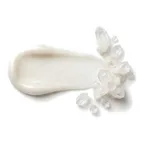 Silica
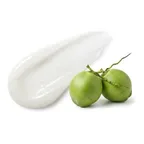 Caprylic Capric Triglyceride
Average
- HighOily Skin Fit
- AverageEffectiveness
- HighSafety
Works for oily acne-prone skin; other serums fit it better.
This fit is calculated for the concerns frequently associated with oily acne-prone skin: shine, breakouts, blemishes, and enlarged pores. For scores and recommendations based on your full skin profile, including your 12D face scan results and any goals or preferences you have, please use the Lovi app.
Updated How the Fit score works
Lovi Assistant explains
- Offers moderate brightening for your oily skin due to ascorbic acid, which helps even skin tone and provides antioxidant protection with tocopherol, supporting your acne and breakouts.
- While it offers general skincare benefits, it lacks specialized ingredients to directly target your specific acne, blemishes, and breakout concerns.
- The formula is safe for your oily skin, with no risks of irritation due to the absence of prohibited or harsh ingredients.
How to apply
- Could be used as part of your PM routine. Start 3 times a week and build up to daily use if your skin tolerates it well.
- Apply your serum after cleansing and toning, but before putting on your moisturizer.
- Gently press 2 to 3 drops of the serum into your skin and let it absorb for a minute.
- Apply the serum on clean, dry skin to help manage your blemishes safely.
- Do a patch test before your first use and avoid the delicate eye area.
People Say
★0.0Overall rating based on 100+ reviewsBased on limited data, this product is designed as a high-potency vitamin C booster to be mixed with other skincare. Users appreciate the clean ingredient list and the ability to customize the concentration, though some find the powder format less convenient than a pre-mixed serum.
Highlights
Lack of social proof Mostly Mentioned
- “No reviews yet”
- “hard to find user photos”
- “unknown real-world results”
Customizable versatility Often Mentioned
- “Mix with your favorite toner”
- “adaptable to your routine”
- “mix with essence or cream”
High potency Often Mentioned
- “50% pure vitamin content”
- “stabilizes vitamin C in the freshest state”
- “highly concentrated powder”
Clean ingredients Sometimes Noted
- “Ingredient list is clean and concise”
- “EWG Green grade ingredients”
- “vegan formula”
Targeted brightening Sometimes Noted
- “Brightens skin tone”
- “reduces dark spots”
- “improves elasticity”
Inconvenient format Sometimes Noted
- “Wish they released this as a serum”
- “requires mixing”
- “extra step in routine”
Potential irritation Rarely Noted
- “High concentration”
- “might be strong for sensitive skin”
- “patch test recommended”
Sources: lovi.care, dr-althea.com, yesstyle.com, stylekorean.com, hwahae.co.kr, kbeautyave.com, and more
Questions and answers
Which ingredients make this treatment a good fit for oily acne-prone skin?
Ascorbic acid and tocopherol make this treatment a good fit by providing moderate brightening and antioxidant protection that helps even skin tone and supports breakouts. To be a top fit for oily acne-prone skin, this type of product needs targeted blemish-fighting ingredients like niacinamide, propolis, or benzoyl peroxide.
Journal of Cosmetic Dermatology, 2020Journal of Cosmetic Dermatology, 2022
What does Vitamin C do for oily acne-prone skin?
Vitamin C helps clear up oily acne-prone skin by reducing pimples and calming redness. It is a great choice for this skin type because it has a very safe profile and balances skin tone while fighting breakouts.
International Journal of Cosmetic Science, 2009Journal of Cosmetic Dermatology, 2010
What does Silica do for oily acne-prone skin?
Silica helps manage oily skin and breakouts by absorbing excess oil and improving the delivery of active ingredients to the acne site. It stays on the skin surface without penetrating deeply, making it a safe and effective addition to your routine.
Carbohydrate Polymers, 2024Archives of Dermatological Research, 2023
Where does this treatment go in a skincare routine for oily acne-prone skin?
This treatment goes in the evening routine, applied after toning and before moisturizing, or used once a week as part of your weekly care. This product works for your skin, though an oily acne-prone skin type needs targeted blemish-fighting ingredients and oil-balancing agents.
Can I use this treatment with retinol, and in what order?
You can use this treatment with retinol, but it is best to apply them on alternate nights or separate times of day to keep your skin calm and avoid irritation. Use your vitamin C and retinol apart: in different sessions of the same day or on different days.
How often should I use this treatment?
You can use this treatment in the evening, starting once a week and carefully using it more often if your skin tolerates it well. Antioxidants like vitamin C help protect and brighten the skin safely, though this product type needs specialized ingredients to directly target breakouts for oily acne-prone skin.
Journal of Cosmetic Dermatology, 2020Journal of Cosmetic Dermatology, 2022
Can this treatment clog pores, cause breakouts or purging for oily acne-prone skin?
This treatment is unlikely to clog pores or cause breakouts on oily skin, as its formula is generally safe and free of harsh ingredients. However, because it lacks specialized ingredients to directly target blemishes, oily acne-prone skin needs products with clarifying and pore-clearing ingredients to properly manage breakouts.
Is this treatment fragrance-free and alcohol-free?
Yes, it has no fragrance and no drying alcohol.
What the research says
A topical serum containing vitamin C, vitamin E, and raspberry leaf cell culture extract improved skin color, elasticity, radiance, smoothness, scaliness, and wrinkles compared to the untreated contralateral side in fifty female volunteers.
Journal of Cosmetic Dermatology, 2020A topical antioxidant serum significantly reduced air pollution-induced skin pigmentation and proinflammatory gene expression ex vivo, and improved skin aging signs in 40 healthy adult females after 90 days of daily use.
Journal of Cosmetic Dermatology, 2022Vitamin C is widely used as a depigmenting agent in dermatology, though limited studies evaluate its use for gingival depigmentation.
Journal of Oral and Maxillofacial Pathology, 2020The combination of anionic and nonionic surfactants with silica nanoparticles generally mitigates surfactant toxicity and can reduce skin irritation, although nanoparticles reduce biodegradation efficacy.
Toxics, 2025Topical application of 5% vitamin C cream significantly improved global clinical scores, increased skin microrelief density, and induced elastic tissue repair in photoaged skin compared to excipient control in healthy female volunteers.
Experimental Dermatology, 2003Topical application of VC-IP cream twice daily for 8 weeks reduces periorbital wrinkles in female subjects compared to a placebo cream.
Journal of Cosmetic Dermatology, 2022Topical treatment with 5% vitamin C and 0.1% madecassoside significantly improved clinical scores for wrinkles, suppleness, firmness, roughness, and skin hydration, along with functional and structural remodeling of the elastic fiber network in 20 female volunteers with photoaged skin after 6 months compared to baseline.
Experimental Dermatology, 2008Film-forming formulations containing porous silica achieved skin permeation rates comparable to immediate release formulations while confirming prolonged drug availability and causing no skin irritation in healthy volunteers.
European Journal of Pharmaceutical Sciences, 2017Topical treatment with silica mud and microalgae extracts from the Blue Lagoon improved skin barrier function by inducing epidermal gene expression and reducing transepidermal water loss in healthy humans, while preventing skin aging markers in vitro.
Experimental Dermatology, 2008Flower-like mesoporous silica nanoparticles exhibited a significantly superior oil-absorption capacity, including a 226.3% increase in adsorbing large-molecular-weight PDMS-15000 w, compared to conventional mesoporous silica nanoparticles.
RSC Advances, 2026Topical application of an emollient emulsion containing 15.0% caprylic/capric triglyceride doubled the amount of urocanic acid isomers and increased skin hydration with reduced transepidermal water loss in healthy subjects, though it did not prevent ultraviolet-induced urocanic acid isomerization.
Life, 2023
Why other serums fit oily acne-prone skin better
Co-delivery of paeonol and madecassoside via nanoemulsions improved transdermal delivery, promoted barrier repair proteins, inhibited inflammatory cytokine secretion in cellular and 3D models, and reduced transepidermal water loss and acne in human facial skin compared to free components.
Molecules, 2023
Ingredients
Ascorbic Acid, Silica, Caprylic Capric Triglyceride, Allantoin, Tocopherol, 1,2-Hexanediol, Glyceryl Caprylate, Triethoxycaprylylsilane, Iron Oxides Ci 77492
Behind this fit score
Lovi calculates every fit score from the full ingredient list with brand-independent rules our dermatologists and cosmetic chemists build and review, and personalizes every pick with AI trained on the real results of millions of users. Lovi trains its fit score models on a proprietary dataset built from more than 10,000 expert-labeled products and more than 100,000 simulated examples, following an internally consistent methodology presented at Cosmoprof, AMWC, and Skin of Color Update.
-

Co-founder, Medical Director
Cosmetic chemist, cosmetologist, aesthetic products developer
-

Co-founder, CEO and CTO
PhD in computer science, 3x US patent holder, ex-Google, ex-Yandex
-

Dr. Sofía Perea Pérez, MD, MSc
Medical Board
Aesthetic medicine practitioner, MSc in Longevity and Anti-Aging Medicine
-

Medical Board
Specialist dermatologist, MBBS, MD, IFAAD
-

Medical Board
Cosmetic chemist, SCS, IFSCC member
-

Medical Board, Medical Advisor
Dermatology MD
-

Elina Nazarenko, MD
Medical Board
Dermatology and diagnostic consultant
-

Victoria Derkova, MS
Medical Board
Cosmetic chemist, cosmetic development technologist


How does it fit your skin?
Scan your face, then any product: Lovi shows how well it fits you and what fits even better.