
DHC New Mild Touch Cleansing Oil for acne-prone skin

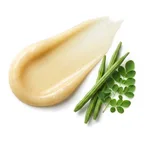 Moringa Oleifera Seed Oil
 Polyglyceryl-10 Dioleate
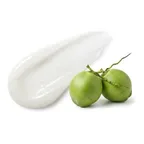 Caprylic Capric Triglyceride
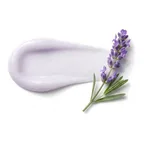 Lavandula Angustifolia Oil Lavender Oil
 Epigallocatechin Gallate
Average
- AverageCombination Skin Fit
- AverageEffectiveness
- HighSafety
Works for acne-prone skin; other pre-cleansers fit it better.
This fit is calculated for the concerns frequently associated with acne-prone skin: breakouts, blackheads, and post-acne marks. For scores and recommendations based on your full skin profile, including your 12D face scan results and any goals or preferences you have, please use the Lovi app.
Updated How the Fit score works
Lovi Assistant explains
- Offers moderate suitability for your combination skin as Moringa Oleifera Seed Oil and Tocopherol provide antioxidant activity, but it lacks specialized ingredients like salicylic acid to effectively target your acne, blemishes, and breakouts.
- The cleansing efficacy is excellent due to Cetyl Ethylhexanoate and Ethylhexyl Palmitate, which effectively dissolve makeup and impurities.
- The safety profile is good, with no risks of irritation for your acne-prone skin due to the absence of prohibited or harsh ingredients.
How to apply
- Use this makeup remover PM as the first step of your evening routine to clear away dirt and oil. Start 3x/week and work up to daily use if your combination skin tolerates it well.
- Apply this makeup remover before cleansing and using the rest of your skin products. This ensures all makeup and impurities are fully washed away.
- Gently press a small amount of the makeup remover onto your face using a soft cotton pad. Avoid rubbing the skin too harshly to prevent irritation.
- Apply the makeup remover on dry skin to easily dissolve makeup and clear out blemishes. There is no need to dampen your face beforehand.
- Do a patch test before first use to ensure your skin reacts well. Avoid the delicate eye area while applying.
People Say
★4.5Overall rating based on 300+ reviewsUsers with sensitive or dry skin praise this cleanser for its ability to remove makeup gently without stripping moisture, often highlighting its shower-friendly formula that works with wet hands. While it effectively dissolves daily makeup and leaves skin soft, some users note it struggles with heavy waterproof mascara compared to the original "Deep" version.
Highlights
Gentle and non-drying Often Mentioned
- “Skin feels soft”
- “no tight feeling”
- “good for sensitive skin”
- “moisturizing finish”
Usable with wet hands Often Mentioned
- “Works in shower”
- “wet hands okay”
- “no drying needed”
- “convenient for bath”
Effective for light makeup Sometimes Noted
- “Melts foundation easily”
- “clears daily grime”
- “good morning cleanser”
- “removes BB cream”
Pleasant lavender scent Sometimes Noted
- “Relaxing lavender smell”
- “smells like spa”
- “natural herbal scent”
- “better than olive smell”
Struggles with waterproof makeup Sometimes Noted
- “Mascara left behind”
- “needs separate eye remover”
- “requires rubbing”
- “not for heavy duty”
Lighter texture Rarely Noted
- “Not as thick”
- “easier to spread”
- “less drag”
- “rinses clean quickly”
Hard to find Rarely Noted
- “Discontinued in stores”
- “shipping is expensive”
- “hard to locate”
- “stock issues”
Runny consistency Rarely Noted
- “Too liquidy”
- “drips easily”
- “runs through fingers”
- “consumed quickly”
Scent dislike Rarely Noted
- “Smells like glue”
- “weird plastic scent”
- “scent is off-putting”
- “chemical undertone”
Sources: lovi.care, cosme.net, influenster.com, makeup-stash.com, musingsofamuse.com, yesstyle.com, and more
Questions and answers
How well does New Mild Touch Cleansing Oil work for acne-prone skin?
This cleansing oil works moderately well for your acne-prone skin, as it cleanses effectively and has a good safety profile without irritating your skin. However, it lacks specialized ingredients like salicylic acid to target breakouts, so an acne-prone skin type needs a formula with soothing plant extracts, hydration, and targeted blemish-fighting ingredients.
Polymers, 2022International Journal of Molecular Sciences, 2023
Which ingredients make this cleanser a good fit for acne-prone skin?
Moringa Oleifera Seed Oil and Epigallocatechin Gallate help calm and protect acne-prone skin with their soothing and antioxidant properties. To be a better fit for this skin type, a product of this type needs specialized ingredients like salicylic acid to target breakouts, along with nourishing oils and extracts that soothe blemishes.
International Journal of Molecular Sciences, 2023Carcinogenesis, 2001
What does Moringa Seed Oil do for acne-prone skin?
Moringa oleifera seed oil helps calm acne-prone skin by reducing inflammation and is unlikely to cause irritation. To properly care for acne-prone skin, a product of this type needs soothing and balancing ingredients that keep the skin clear and calm without clogging pores.
International Journal of Molecular Sciences, 2023Journal of Ethnopharmacology, 2020
What does Polyglyceryl-10 Dioleate do for acne-prone skin?
Polyglyceryl-10 dioleate is unlikely to clog pores or cause breakouts on acne-prone skin, making it a safe choice for cleansers and moisturizers. This ingredient helps blend formulas smoothly while keeping the skin calm and comfortable.
Where does it go in a skincare routine for acne-prone skin?
This makeup remover goes in the evening routine before your cleanser, as a first step to dissolve makeup and impurities. It is unlikely to irritate your acne-prone skin, but to better care for breakouts, this skin needs specialized ingredients like salicylic acid.
Can I use this cleanser with retinol, and in what order?
You can use this makeup remover in your evening routine before your cleanser and retinol treatment. It is unlikely to irritate acne-prone skin, but an acne-prone routine needs specialized ingredients like salicylic acid to target breakouts.
How often should I use it?
You can use this makeup remover in the evening whenever you wear makeup, as part of your routine to clear away impurities. It is unlikely to irritate your acne-prone skin, though this skin type needs targeted ingredients like salicylic acid to properly handle breakouts.
Can this cleanser clog pores, cause breakouts or purging for acne-prone skin?
This cleanser is unlikely to cause irritation or breakouts on your acne-prone skin because it lacks harsh ingredients, though it also lacks specialized acne-fighting ingredients like salicylic acid. Acne-prone skin typically needs targeted ingredients that actively clear pores and blemishes.
Is it fragrance-free and alcohol-free?
It has no drying alcohol and contains fragrance (linalool).
What the research says
A topical antioxidant serum significantly reduced air pollution-induced skin pigmentation and proinflammatory gene expression ex vivo, and improved skin aging signs in 40 healthy adult females after 90 days of daily use.
Journal of Cosmetic Dermatology, 2022Emulgels containing Perilla frutescens seed oil, Moringa oleifera seed oil, and mixed seed oil microemulsions exhibit good stability, lack of cytotoxicity in PBMC, and no skin irritation or allergic reactions in human subjects.
Polymers, 2022Topical application of (-)-epigallocatechin-3-gallate (EGCG) to human skin before UV irradiation decreases UV-induced production of hydrogen peroxide by 68-90% and nitric oxide by 30-100%, inhibits leukocyte infiltration and lipid peroxidation by 41-84%, and restores glutathione levels and glutathione peroxidase activity compared to UV exposure alone.
Carcinogenesis, 2001Moringa seed oil stimulated sebaceous lipogenesis, reduced pro-inflammatory cytokine secretion, and exhibited a low n-6/n-3 index in cultured human SZ95 sebocytes compared to untreated cells.
International Journal of Molecular Sciences, 2023Topical Moringa oleifera seed oil and its main constituent oleic acid reduced acute and chronic skin inflammation and epidermal hypertrophy in mice through glucocorticoid receptor activation without dexamethasone-like adverse effects on organ weights.
Journal of Ethnopharmacology, 2020Topical application of an emollient emulsion containing 15.0% caprylic/capric triglyceride doubled the amount of urocanic acid isomers and increased skin hydration with reduced transepidermal water loss in healthy subjects, though it did not prevent ultraviolet-induced urocanic acid isomerization.
Life, 2023Polysaccharide-based O/W emulsions incorporated with lavender essential oil applied to cellulosic support are non-irritating, provide softness and moisturizing effects, and are safe for topical patch applications.
International Journal of Biological Macromolecules, 2021Treatment with 0.01% Taikong Blue Lavender Essential Oil significantly reduced oxidative stress markers and inflammatory cytokines in TNF-alpha-stimulated HaCaT cells compared to baseline stimulated levels.
Journal of Cosmetic Dermatology, 2026Alginate-based microcapsules crosslinked with zinc or calcium ions successfully encapsulated lavender essential oil with high efficiency, demonstrating improved oil retention, antibacterial activity, and anti-inflammatory effects for potential topical acne therapy.
European Journal of Pharmaceutics and Biopharmaceutics, 2026A moisturizing cream containing 2% l-carnitine and 5% EGCG significantly reduced sebum levels and improved skin hydration in ninety subjects with seborrhea over 4 weeks, showing greater anti-sebum efficacy in the combination group compared to the l-carnitine group alone.
Journal of Cosmetic Dermatology, 2023Enzymatic alpha glucosylation of EGCG yielded EGCG-G1, which enhanced epidermal penetration, decreased melanogenesis through down-regulation of 13 genes including MITF, stimulated skin Lactobacillus growth, and decreased hyperpigmented spots while increasing skin brightness and homogeneity compared to EGCG and vitamin C across a large panel of phototypes.
Molecules, 2024Optimized transfersomes loaded with epigallocatechin-3-gallate and hyaluronic acid increased cell viability while reducing lipid peroxidation, intracellular ROS, and MMP expression in HaCaT cells, and exhibited higher skin permeation and deposition compared to plain EGCG.
Drug Delivery, 2017
Why other pre-cleansers fit acne-prone skin better
Co-delivery of paeonol and madecassoside via nanoemulsions improved transdermal delivery, promoted barrier repair proteins, inhibited inflammatory cytokine secretion in cellular and 3D models, and reduced transepidermal water loss and acne in human facial skin compared to free components.
Molecules, 2023Clay jojoba oil facial masks reduced total skin lesions by a mean of 54% after 6 weeks in 133 participants with acne-prone, lesioned skin and mild acne compared to baseline.
Forschende Komplementarmedizin, 2012
Ingredients
Cetyl Ethylhexanoate, Ethylhexyl Palmitate, Polyglyceryl-10 Dioleate, Water, Isononyl Isononanoate, Polyglyceryl-2 Sesquicaprylate, Glyceryl Behenate Eicosadioate, Dextrin Palmitate Ethylhexanoate, Phytosteryl Octyldodecyl Lauroyl Glutamate, Phenoxyethanol, Sodium Dilauramidoglutamide Lysine, Moringa Oleifera Seed Oil, Caprylic Capric Triglyceride, Lavandula Angustifolia Oil Lavender Oil, Tocopherol, Dequalinium Chloride, Epigallocatechin Gallate, Linalool
Behind this fit score
Lovi calculates every fit score from the full ingredient list with brand-independent rules our dermatologists and cosmetic chemists build and review, and personalizes every pick with AI trained on the real results of millions of users. Lovi trains its fit score models on a proprietary dataset built from more than 10,000 expert-labeled products and more than 100,000 simulated examples, following an internally consistent methodology presented at Cosmoprof, AMWC, and Skin of Color Update.
-

Co-founder, Medical Director
Cosmetic chemist, cosmetologist, aesthetic products developer
-

Co-founder, CEO and CTO
PhD in computer science, 3x US patent holder, ex-Google, ex-Yandex
-

Dr. Sofía Perea Pérez, MD, MSc
Medical Board
Aesthetic medicine practitioner, MSc in Longevity and Anti-Aging Medicine
-

Medical Board
Specialist dermatologist, MBBS, MD, IFAAD
-

Medical Board
Cosmetic chemist, SCS, IFSCC member
-

Medical Board, Medical Advisor
Dermatology MD
-

Elina Nazarenko, MD
Medical Board
Dermatology and diagnostic consultant
-

Victoria Derkova, MS
Medical Board
Cosmetic chemist, cosmetic development technologist


How does it fit your skin?
Scan your face, then any product: Lovi shows how well it fits you and what fits even better.